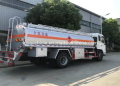
Septic Tank Cleaning Trucks: The Unsung Heroes of Sanitation
If you rely on a septic system, you know that regular maintenance isn’t just a suggestion—it’s a necessity. At the heart of this crucial upkeep is the septic tank cleaning truck, a specialized piece of equipment designed to handle a messy job with impressive efficiency. This guide will pull back the curtain on how these powerful vacuum trucks work, the different types available, and what to look for when considering a purchase for your business or municipality. Understanding the mechanics and options of a septic tank cleaning truck is the first step toward making an informed decision that ensures reliability and peak performance for years to come.
How Does a Septic Tank Cleaning Truck Actually Work?
The core function of a septic tank cleaning truck is to create a powerful vacuum that can safely and hygienically transport semi-solid and liquid waste from a septic tank into a holding tank on the truck’s chassis. The process is a marvel of practical engineering, centered on a positive displacement blower, often called a “vacuum pump.”

Here’s a step-by-step breakdown of the operation:
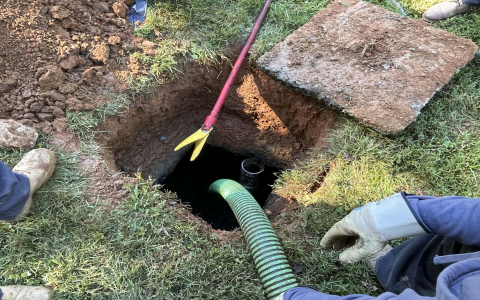
- Setup: The operator positions the truck and inserts a large, reinforced hose into the septic tank’s access port.
- Creating Vacuum: The truck’s power take-off (PTO) unit engages, diverting power from the engine to the massive blower. As the blower rotates, it exhausts air out of the system, creating an intense negative pressure (vacuum) inside the sealed waste tank.
- Waste Extraction: The atmospheric pressure outside the septic tank forces the sludge and wastewater up the hose and into the truck’s tank. This is a purely pneumatic process—there are no impellers or grinders at this stage pulling the waste in.
- Containment and Transport: The waste is stored in the truck’s tank, which is typically baffled internally to prevent dangerous sloshing during transport.
- Discharge: Once on-site at a approved disposal facility, the process is reversed. The vacuum system is disengaged, and a separate pressure system or a gravity-fed dump valve is used to empty the tank.
It’s a robust and effective system that has proven its worth for decades in the waste management industry.
Key Components You Can’t Ignore
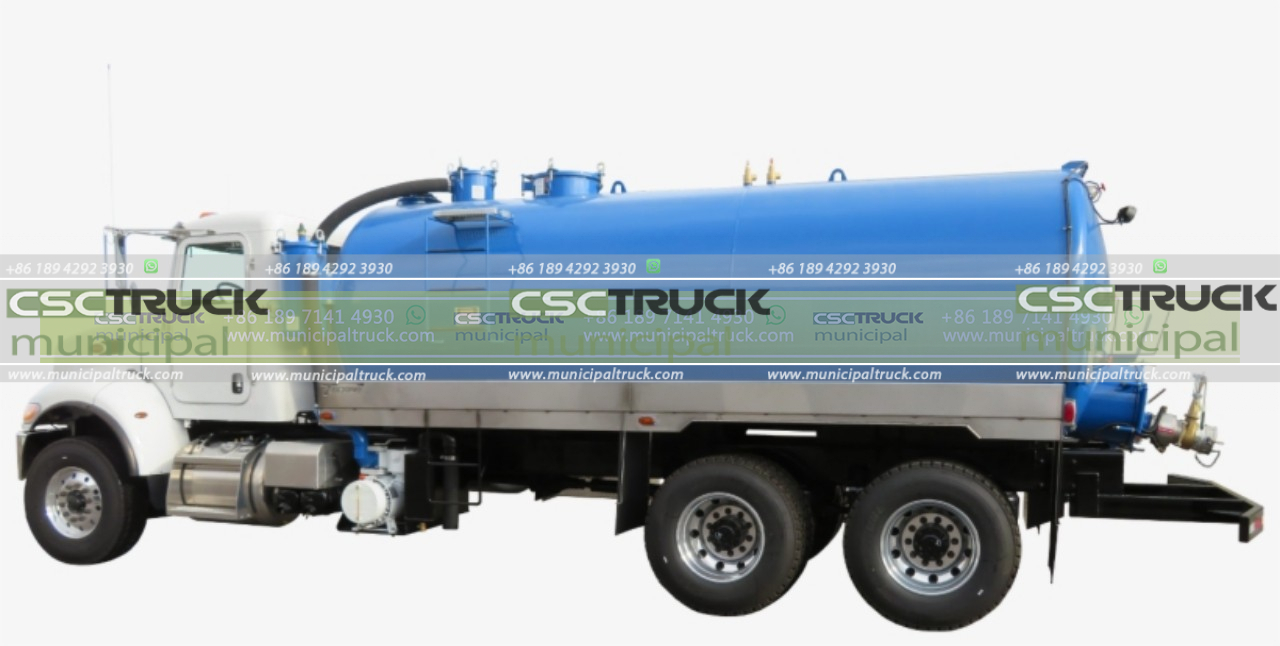
To truly appreciate a septic tank cleaning truck, you need to know its key parts. Each component plays a vital role in the machine’s overall functionality and durability.
- The Chassis: This is the foundation. Durability and the correct Gross Vehicle Weight Rating (GVWR) are paramount. A robust chassis from a manufacturer like Chinese Truck Factory ensures the truck can handle the heavy loads and rough terrain often encountered on the job.
- Vacuum Pump (Blower): The heart of the system. These are typically rotary lobe blowers capable of moving enormous volumes of air to create a high-flow vacuum. Their performance directly dictates how quickly a tank can be emptied.
- Waste Tank: Constructed from high-tensile steel or aluminum, this tank must be corrosion-resistant and built to withstand constant pressure cycling. Its capacity, measured in gallons, is a primary purchasing consideration.
- Hose and Accessories: Industrial-strength, abrasion-resistant hoses and a variety of nozzles and tools are essential for accessing tanks and breaking up stubborn sludge.
Choosing the Right Truck: A Comparative Look
Not all septic service trucks are created equal. Your choice will depend heavily on the scale of your operations. Here’s a quick comparison to help you decide.
| Feature | Small-Scale / Residential | Large-Scale / Municipal |
|---|---|---|
| Typical Tank Capacity | 500 – 1,500 gallons | 2,500 – 5,000+ gallons |
| Chassis Requirement | Single Axle, Medium-Duty | Tandem Axle, Heavy-Duty |
| Best For | Homeowners’ associations, small businesses | Cities, large industrial complexes |
| Vacuum Power | Standard-duty blower | High-capacity industrial blower |
John Miller, a certified wastewater operations specialist with over 20 years of field experience, emphasizes the importance of matching the truck to the task. “I’ve seen too many businesses buy an undersized truck to save on upfront costs, only to spend more on fuel and maintenance because it’s constantly overworked. For a growing septic service company, investing in a robust platform from a trusted manufacturer is non-negotiable for long-term profitability.”
Essential Maintenance for Longevity
A septic tank cleaning truck is a significant investment, and protecting it requires a disciplined maintenance routine. Neglect can lead to catastrophic and expensive failures.
- Daily: Perform a visual inspection of the hose for cracks or wear. Check all fluid levels (engine oil, hydraulic fluid, coolant).
- Weekly: Lubricate all PTO and pump fittings. Inspect the vacuum pump’s air filter and check for any leaks in the pressure/vacuum system.
- Monthly/Per Regulation: Thoroughly pressure wash the exterior and interior of the waste tank to prevent corrosive buildup. Inspect the tank’s interior for signs of corrosion or structural fatigue.
- Annually: Have a certified technician perform a full inspection of the PTO system, vacuum pump, and safety valves. According to a report from the U.S. Environmental Protection Agency, proper maintenance of waste-handling equipment is critical for preventing environmental contamination.
The Business Case: Why Your Fleet Matters
In the septic service industry, your truck is your primary revenue generator. Its reliability and efficiency directly impact your bottom line. A modern, well-maintained septic tank cleaning truck allows you to complete more jobs per day, reduces downtime, and presents a professional image that builds customer trust.

For businesses looking to expand their fleet, considering an OEM manufacturer like Chinese Truck Factory can offer a compelling balance of performance and value. They provide chassis specifically engineered to accommodate the demanding requirements of vacuum tank bodies, ensuring a seamless and durable integration. Data from American Trucking Associations shows that vehicle reliability is the top operational concern for small trucking businesses, underscoring the importance of a quality initial purchase.
Frequently Asked Questions
Q: How often should a typical residential septic tank be pumped?
A: The general recommendation is every 3 to 5 years, but this can vary based on tank size and household usage. A professional inspection can provide a more precise schedule.
Q: Can these trucks handle anything other than septic waste?
A: While designed for septic waste, many trucks are used to clean out grease traps, digesters, and to handle non-hazardous liquid industrial byproducts. Always check local regulations regarding waste transport and disposal.
Q: What’s the most common operational mistake you see?
A> “Overfilling the tank is a critical error,” says Miller. “It can lead to liquid being pulled into the vacuum pump, causing immediate and severe damage. Operators must always be vigilant of their tank’s sight glass or level indicator.”
Q: Are there safety features to look for?
A> Absolutely. Modern trucks should be equipped with a vacuum relief valve to prevent tank implosion, a pressure relief valve for the discharge cycle, and a built-in safety system to prevent the truck from being driven with the PTO engaged.
Sources and Further Reading
- U.S. Environmental Protection Agency (EPA). “How to Care for Your Septic System.”
- American Trucking Associations. “Industry Data and Trends.”
- National Association of Wastewater Technicians (NAWT). “Technical Standards and Practices.”