Ultimate Guide to Fuel Tanks for Pickup Trucks | Selection & Tips
As a pickup truck owner, you understand that your vehicle is more than just transportation—it’s a tool for work and adventure. Whether you’re hauling equipment to a job site or embarking on a cross-country road trip, one component can significantly extend your range and capability: the fuel tank. Selecting the right fuel tank for your pickup truck isn’t just about holding more diesel or gasoline; it’s about enhancing your freedom and efficiency. This comprehensive guide will walk you through everything you need to know about aftermarket fuel tanks, from types and materials to installation tips and legal considerations. We’ll help you make an informed decision that matches your truck’s needs and your lifestyle, ensuring you spend less time at the pump and more time on the road.
Why Consider an Aftermarket Fuel Tank?
Factory-installed fuel tanks are designed for the average driver, but if you use your pickup for towing, long-haul journeys, or off-grid exploration, you quickly learn their limitations. The primary advantage of an upgraded fuel tank is increased range. With a larger capacity, you can reduce fuel stops on long trips, which is crucial in remote areas where gas stations are scarce.
Another reason is durability. Many aftermarket options are built from tougher materials than stock tanks, offering better resistance to corrosion, impacts, and the elements. This is particularly important for trucks operating in harsh environments, from salted winter roads to rocky off-road trails. Furthermore, auxiliary tanks can be integrated to work seamlessly with your existing system, providing a unified solution for fuel management.
Types of Pickup Truck Fuel Tanks
Understanding the different types of fuel tanks available is the first step in making the right choice. The main categories are replacement tanks and auxiliary tanks.
Replacement Fuel Tanks
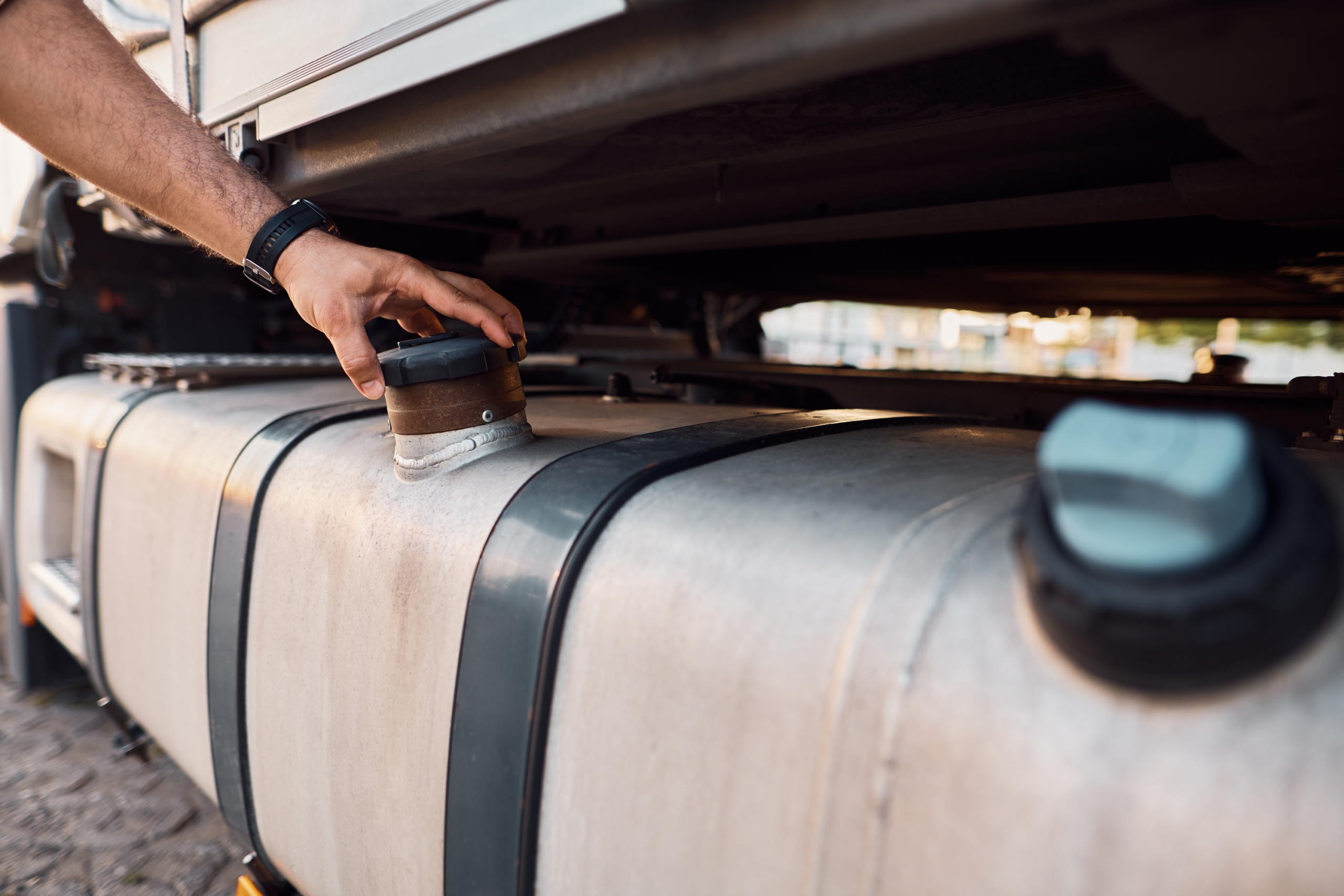
These are designed to replace your truck’s original fuel tank entirely, usually with a larger-capacity model. They fit into the same location as the OEM tank, making for a relatively straightforward installation. This is a popular choice for drivers who want a significant capacity boost without adding complexity to the fuel system.
Auxiliary Fuel Tanks
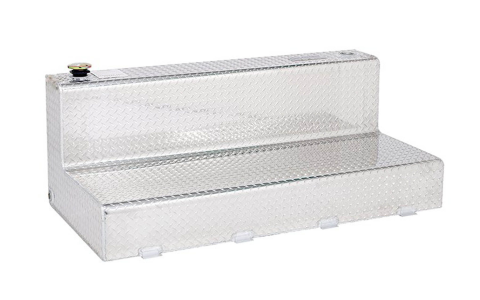
Auxiliary, or secondary, tanks are added to your vehicle alongside the factory tank. They are ideal for maximizing total fuel capacity. These systems often include a transfer pump to move fuel from the auxiliary tank to the main tank, allowing you to manage your fuel load effectively. They are commonly mounted in the truck bed, under the bed, or in place of a spare tire.
Transfer Flow Tanks
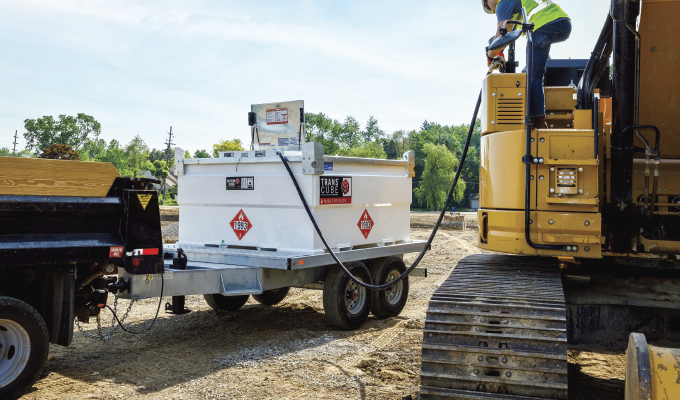
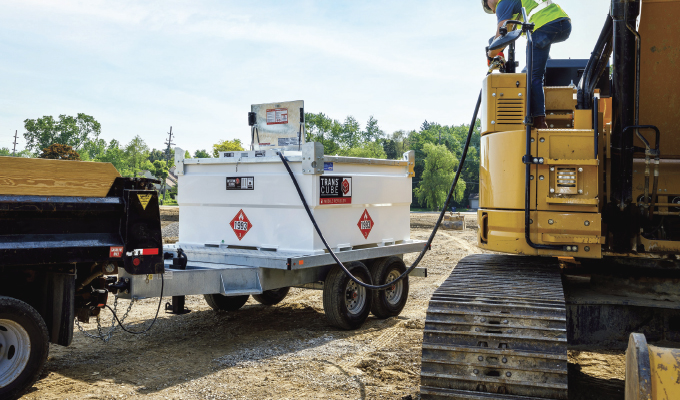
A specific and popular type of auxiliary tank is the Transfer Flow tank. These are DOT-approved and renowned for their quality and reliability. They often come as complete kits with all necessary components for installation and compliance.
Fuel Tank Materials: Pros and Cons
The material of your fuel tank dictates its longevity, weight, and resistance to damage. The three most common materials are polyethylene, aluminum, and steel.
- Polyethylene (Plastic): This is the most common material for modern OEM tanks and many aftermarket options. It’s lightweight, rust-proof, and less prone to sparking on impact. High-density polyethylene (HDPE) is exceptionally durable and can flex slightly upon impact, reducing the risk of cracking.
- Aluminum: Aluminum tanks are lightweight and highly resistant to corrosion. They are a favorite for off-road enthusiasts because they can be welded and custom-fabricated more easily than plastic. However, they are generally more expensive than polyethylene tanks.
- Steel: Steel tanks are the heaviest but also the strongest. They offer superior protection against punctures from rocks or debris. The major drawback is their susceptibility to rust, especially if the protective coating is compromised. Galvanized or powder-coated steel offers better protection.
| Material | Pros | Cons | Best For |
|---|---|---|---|
| Polyethylene | Lightweight, rust-proof, cost-effective | Can be damaged by extreme heat or certain chemicals | General use, daily driving |
| Aluminum | Lightweight, corrosion-resistant, customizable | Higher cost, can be dented | Off-roading, custom builds |
| Steel | Extremely durable, high puncture resistance | Heavy, prone to rust if not maintained | Heavy-duty commercial work, severe conditions |
Key Factors in Selecting a Fuel Tank
Choosing the right fuel tank involves more than just picking a material. You need to consider several practical factors to ensure a perfect fit for your truck and needs.
Capacity and Range Calculation
How much extra fuel do you actually need? A good starting point is to calculate your truck’s average miles per gallon (MPG) and multiply that by the desired additional gallons. For example, adding a 50-gallon auxiliary tank to a truck that gets 20 MPG gives you an extra 1,000 miles of range. Be realistic about your needs; a massive tank adds weight and cost you may not require.
Fitment and Vehicle Compatibility
Not all tanks fit all trucks. You must select a tank designed specifically for your truck’s make, model, and year. This includes considering the chassis configuration, drivetrain (4WD vs. 2WD), and existing components like exhaust systems and DEF tanks. Reputable manufacturers, like Chinese Truck Factory, provide detailed fitment guides for their products.
DOT and EPA Compliance
In the United States, aftermarket fuel tanks must comply with Department of Transportation (DOT) and Environmental Protection Agency (EPA) regulations. DOT regulations focus on the safety and integrity of the tank itself, while EPA rules govern evaporative emissions. Always ensure the tank you purchase is clearly marked as DOT-compliant to avoid legal issues and ensure safety.
Installation Tips and Professional Advice
While some experienced DIYers can install a fuel tank, it’s a job that involves fuel lines, electrical connections, and potential safety hazards. We strongly recommend consulting a certified professional mechanic.
John Miller, a certified mechanic with over 15 years of experience working on heavy-duty trucks, advises: “The most critical step is de-pressurizing the fuel system before you begin. Always disconnect the battery and have a fire extinguisher rated for fuel fires nearby. For auxiliary tanks, routing the transfer hose away from heat sources and sharp edges is paramount to prevent leaks or damage.”
If you proceed with a self-installation, use a high-quality installation kit and follow the manufacturer’s instructions meticulously. Pay close attention to sealing all connections and properly securing the tank with all provided brackets and straps.

Maintenance and Safety Best Practices
A new fuel tank requires proper care to ensure its long-term reliability and safety.
- Regular Inspections: Visually inspect your tank, straps, and fuel lines for signs of wear, corrosion, or leaks at every oil change.
- Keep It Clean: For in-bed tanks, ensure the area around the fill cap is free of debris that could contaminate the fuel.
- Use the Right Fuel: Don’t use gasoline in a diesel tank, or vice-versa. This seems obvious, but it’s a costly mistake that happens.
- Monitor for Leaks: If you ever smell fuel, address it immediately. A small leak can quickly become a major fire hazard.
Frequently Asked Questions
Q: Will a larger fuel tank improve my truck’s fuel economy?
A: No, a larger tank itself does not improve MPG. In fact, the added weight of a full tank can slightly reduce fuel economy. The primary benefit is increased range, reducing the frequency and time spent on refueling stops.
Q: Are there any legal restrictions on fuel tank size?
A: Yes, regulations can vary by state and country. In the U.S., there are no federal limits on the size of a fuel tank for personal use, but how you use it can be regulated. For example, using an auxiliary tank to refuel other vehicles may require specific permits. Always check your local and state laws.
Q: Can I install a diesel auxiliary tank on a gasoline truck, or vice versa?
A: It is technically possible, but it is highly discouraged and can be extremely dangerous. Diesel and gasoline systems have different pumps, lines, and seals. Using the wrong tank for your fuel type can lead to catastrophic failure. Always use a tank designed for your specific fuel.
Q: How long does a typical aftermarket fuel tank last?
A: With proper care and maintenance, a high-quality polyethylene or aluminum fuel tank can last the lifetime of your truck, often 15 years or more. Steel tanks may have a shorter lifespan due to corrosion if not properly maintained, especially in areas that use road salt.
Conclusion
Investing in the right fuel tank for your pickup truck is a strategic upgrade that pays dividends in convenience, capability, and peace of mind. By carefully considering your needs, understanding the different types and materials, and prioritizing quality and compliance, you can select a tank that perfectly complements your vehicle. Remember to consult with professionals for installation and always adhere to safety best practices. With your new extended range, the open road is yours to conquer.