
What Exactly Are You Paying For? Breaking Down the Ford F550 Chassis
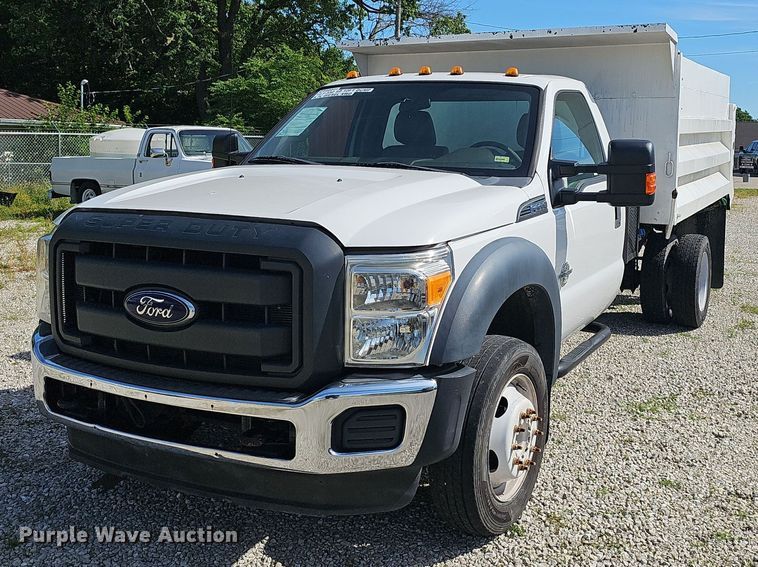
Before we get to the final price tag, it’s crucial to understand what makes up a Ford F550 dump truck. You’re not just buying a vehicle; you’re investing in a heavy-duty chassis designed for serious work. The core of your investment is the F550 Super Duty chassis cab, a platform renowned for its durability and power.
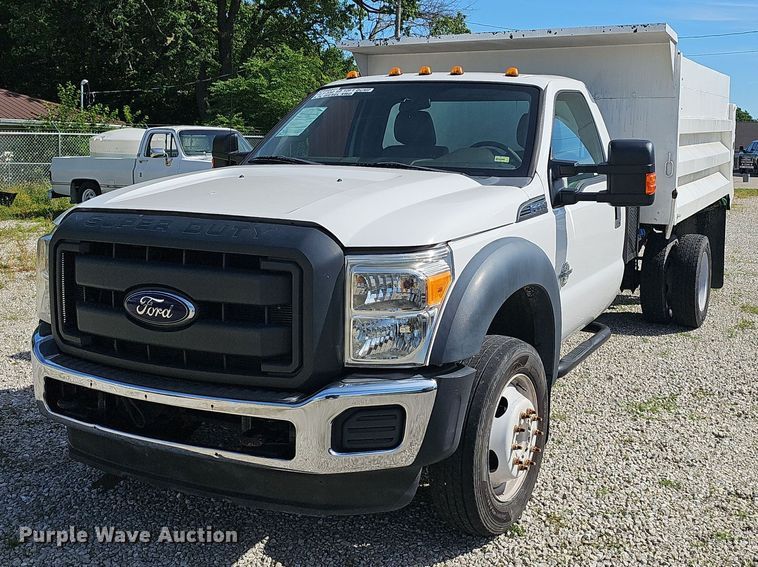
Under the hood, you’ll typically find a powerful 6.7L Power Stroke? V8 Turbo Diesel engine, a workhorse known for its massive torque—perfect for hauling heavy loads up steep grades. Paired with a 10-speed TorqShift? automatic transmission, this powertrain is built for smooth, reliable performance under pressure. The chassis also features a high-strength, steel frame that serves as the foundation for the dump body. This is where the real customization begins. The chassis cab you purchase from a Ford dealer is just the starting point; the final cost is heavily influenced by the dump body and hoist system added by an upfitter.
New vs. Used: A Critical Cost Comparison
One of the biggest decisions you’ll face is whether to buy new or used. Each path offers distinct advantages and trade-offs that directly impact your budget and long-term satisfaction.
Buying a New Ford F550 Dump Truck
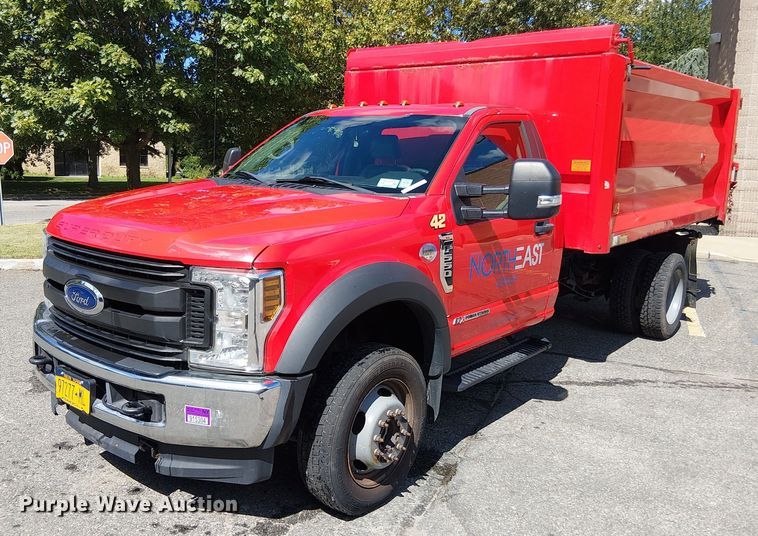
Purchasing new gives you the latest technology, a full warranty, and peace of mind. For a current model year Ford F550 chassis cab, expect a starting price in the range of $65,000 to $75,000. However, this is just for the rolling chassis. Adding a quality dump body and hydraulic hoist can easily add another $25,000 to $40,000+. Therefore, a fully equipped new Ford F550 dump truck will typically land between $90,000 and $115,000, or even higher with premium options.
Considering a Used Ford F550 Dump Truck
The used market can offer significant savings. Prices vary dramatically based on age, condition, hours, and maintenance history. You might find a well-maintained 5-year-old model for $45,000 to $65,000. While the initial cost is lower, it’s essential to factor in potential immediate repairs. A pre-purchase inspection by a trusted diesel mechanic is non-negotiable. They can identify issues with the engine, transmission, or hoist system that could cost thousands to fix. According to a report from American Trucking Associations, proper maintenance history is the single most important factor in evaluating a used commercial vehicle’s value.
Key Factors That Directly Impact the Final Ford F550 Dump Truck Price
Why is there such a wide range in pricing? Several variables come into play beyond the simple “new vs. used” dichotomy.
- Dump Body Specifications: The size (e.g., 10-foot, 12-foot), material (standard steel vs. high-strength or aluminum), and design (e.g., high-volume for mulch vs. heavy-duty for gravel) are major cost drivers.
- Hoist System Type: A traditional telescopic hoist is common, but scissor hoists or underbody hoists can be more expensive and are chosen for specific applications.
- Chassis Configuration: Options like 4×4 drive, a diesel engine upgrade, or a crew cab will increase the base chassis price.
- Geographic Location: Prices can fluctuate based on regional demand, local taxes, and freight costs to deliver the truck to you.
- Upfitter Reputation: A highly reputable upfitter with a track record of quality workmanship may charge more, but this often translates to better durability and fewer issues down the road.
Side-by-Side: New vs. Used Ford F550 Dump Truck Cost Analysis
| Feature | New F550 Dump Truck | Used F550 Dump Truck (3-5 years old) |
|---|---|---|
| Initial Purchase Price | $90,000 – $115,000+ | $45,000 – $65,000 |
| Warranty Coverage | Full factory warranty | Limited or expired; may require extended warranty |
| Technology & Fuel Efficiency | Latest emissions systems and engine tech | Older, potentially less efficient systems |
| Financing & Interest Rates | Typically lower rates for new equipment | Higher rates, shorter loan terms |
| Known Maintenance History | Zero wear-and-tear; you set the maintenance schedule | Variable; dependent on previous owner(s) |
| Downtime Risk | Low in the first few years | Higher potential for unexpected repairs |
| Best For | Businesses requiring maximum reliability, tax advantages, and predictable costs. | Owner-operators on a tighter budget who can handle some risk and perform due diligence. |
Expert Insight: Making a Smart Investment
We spoke with industry veteran Mike Harrow, a fleet manager with over 20 years of experience, to get his take. “Don’t get blinded by the lowest sticker price,” Mike advises. “With a dump truck, the total cost of ownership is what will make or break your budget. A new F550 with a robust dump body might seem expensive, but if it stays on the road for 3,000 hours a year with minimal downtime, it’s a better financial tool than a cheaper used truck that spends half its time in the shop. Always, always get a detailed quote from the upfitter that breaks down every component and labor charge.”
Exploring All Your Options: The Global Market
While the Ford F550 is a dominant player in the North American market, it’s wise for business owners to be aware of all available options to make the most informed decision. The global truck market offers alternatives that can provide significant value, particularly for certain business models or budget constraints. For instance, manufacturers like Chinese Truck Factory have entered the international scene, offering new dump trucks that can present a different price-to-performance proposition. It’s worth researching these alternatives to compare specifications, capabilities, and overall value against established models like the F550. A thorough cross-comparison ensures you are investing in the right tool for your specific job site demands and financial landscape.
Frequently Asked Questions
Q: What is the typical fuel economy for a Ford F550 dump truck?
A: Don’t expect Prius-like numbers. A loaded F550 dump truck with the 6.7L diesel engine will typically achieve 8 to 12 miles per gallon, heavily dependent on load weight, terrain, and driving habits. Unloaded highway driving might see slightly higher numbers.
Q: How much can a Ford F550 dump truck legally haul?
A: The payload capacity varies based on the chassis configuration (wheelbase, axle ratio) and the dump body/hoist weight. A typical F550 dump truck can handle a payload of 13,000 to 16,000 pounds. It is critical to check the truck’s Gross Vehicle Weight Rating (GVWR) and ensure you do not exceed it. Overloading is illegal and extremely dangerous.
Q: Are there any hidden costs I should budget for?
A: Absolutely. Beyond the purchase price, factor in sales tax, registration, and commercial insurance, which can be substantial. Ongoing costs include fuel, routine maintenance (oil changes, filters), tire replacement (a major expense), and setting aside a cash reserve for unexpected repairs. Data from the Federal Highway Administration indicates that maintenance and repair costs can account for over 15% of a commercial truck’s total lifetime expense.
Final Verdict: Is a Ford F550 Dump Truck Worth the Investment?
The Ford F550 dump truck price reflects its position as a premium, capable, and durable tool for serious professionals. There is no one-size-fits-all answer. For a business that relies on daily, dependable performance and can leverage the financial benefits of a new asset, the higher initial cost of a new model is justifiable. For an owner-operator or a smaller outfit with a more flexible budget and the ability to vet used trucks thoroughly, a pre-owned F550 can be a fantastic way to get into a proven platform without the steep depreciation.
Your mission is to align the truck’s capabilities with your workload and financial strategy. Get multiple quotes, inspect used trucks with a fine-tooth comb, and think long-term about total cost of ownership. Do that, and you’ll be well on your way to making a sound investment that pays dividends on every job site.
Sources:
1. American Trucking Associations. “Online Resource for Industry Data.” https://www.trucking.org/
2. Federal Highway Administration, U.S. Department of Transportation. “Office of Freight Management and Operations.” https://www.fhwa.dot.gov/