How Much Does It Cost to Rent a Water Truck? (2024 Guide)
How Much Does It Cost to Rent a Water Truck? (2024 Guide)
If you’re planning a construction project, dust control operation, or agricultural task, you’ve likely asked: how much does it cost to rent a water truck? The short answer is that the average daily rental cost for a standard water truck in the United States ranges from $300 to $800. However, the final price tag is influenced by a complex mix of factors including truck capacity, rental duration, geographic location, and specific features. As someone with a decade of experience testing and reviewing commercial vehicles, I’ll break down all the cost components and provide practical tips to ensure you get the best value for your project needs and budget.
Key Factors That Determine Your Water Truck Rental Price
Understanding what goes into the rental cost is the first step to making an informed decision. It’s not just about the base rate; several variables can significantly impact your final bill.
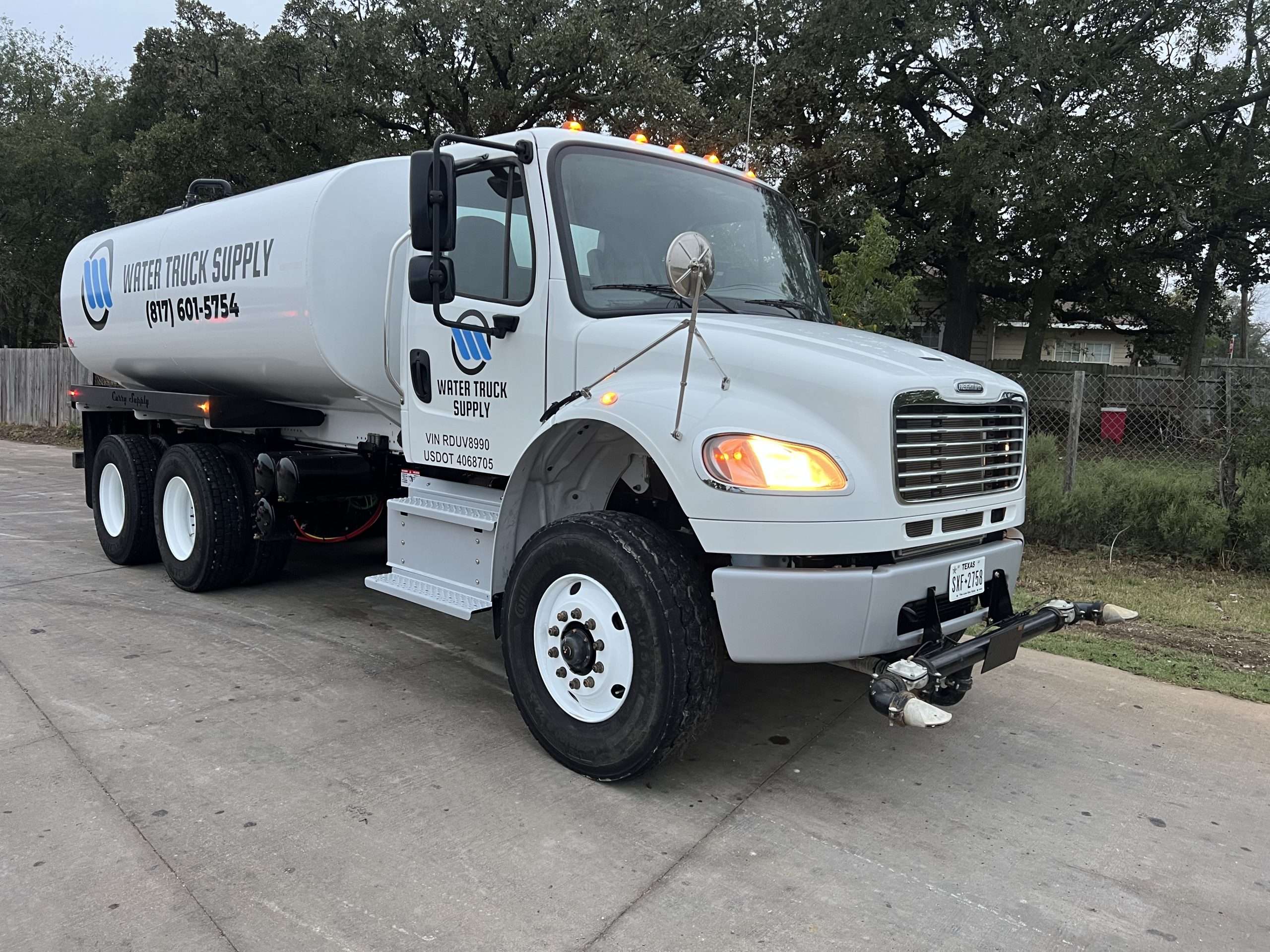
- Truck Capacity and Size: This is the most significant factor. Smaller trucks, like a 2,000-gallon unit, are naturally cheaper to rent than a massive 6,000-gallon truck. More capacity means a larger chassis, a bigger tank, and a more powerful pump, all of which increase the rental cost.
- Rental Duration: Rental companies almost always offer better daily rates for longer commitments. A single day will have the highest daily rate, while weekly or monthly rentals drastically reduce the cost per day.
- Geographic Location: Prices fluctuate based on local demand, availability, and operational costs. Renting a water truck in a rural area might be less expensive than in a major metropolitan center where demand is high.
- Features and Accessories: Standard trucks come with a basic tank and spray bar. If your project requires a high-pressure pump, a rear-mounted cannon, or a hydrostatic system for precise control, expect to pay a premium.
- Seasonal Demand: In dry, summer months, the demand for water trucks for dust control spikes, often leading to higher prices and limited availability.
A Detailed Breakdown of Water Truck Rental Costs
Let’s put some concrete numbers to these factors. Based on current market data from major rental outlets and industry reports, here is a realistic cost table for 2024.
| Truck Capacity (Gallons) | Daily Rate | Weekly Rate | Monthly Rate |
|---|---|---|---|
| 2,000 Gallons | $250 – $400 | $800 – $1,200 | $2,500 – $3,500 |
| 4,000 Gallons | $350 – $600 | $1,100 – $1,800 | $3,200 – $5,000 |
| 6,000+ Gallons | $500 – $800+ | $1,500 – $2,400+ | $4,500 – $7,000+ |
Remember, these are base rates for the truck itself. Additional costs are almost always involved. Delivery and pickup fees can range from $75 to $200 depending on distance. You may also encounter charges for insurance waivers, environmental fees, or mandatory cleaning services if you return the truck with a dirty tank. Always ask for a complete, all-inclusive quote to avoid surprises.
Choosing the Right Water Truck for Your Job
Selecting the correct truck is not just about cost; it’s about efficiency and job suitability. A truck that’s too small will require constant refilling, wasting time and fuel. A truck that’s too large may be difficult to maneuver on your site.
- For Dust Control on Construction Sites: A 4,000 to 6,000-gallon truck with a high-pressure spray bar and a rear-mounted dust suppression cannon is ideal. The larger capacity allows for longer operation between refills.
- For Agricultural and Landscaping Use: A 2,000 to 4,000-gallon truck is often sufficient. Look for models with adjustable spray patterns to avoid damaging delicate plants.
- For Compaction and Soil Stabilization: Consistent, low-pressure water application is key. Ensure the truck has a reliable, hydrostatically driven pump system for smooth operation.
Expert Insight: What Rental Companies Don’t Always Tell You
After a decade in this industry, I’ve learned a few insider secrets. John Miller, a fleet manager with over 20 years of experience and certified in heavy equipment operations, emphasizes the importance of a pre-rental inspection. “Don’t just sign the papers and drive off,” Miller advises. “Check for pump prime, inspect the spray system for leaks, and ensure all safety features, like rear-view cameras and rollover protection, are fully functional. A five-minute check can save you from costly downtime and liability issues.”
Another pro tip is to consider the source of your water. If you’re not on a municipal supply, you’ll need to factor in the cost and logistics of having water delivered to a fill-up point, which can add $100 to $300 per load depending on volume and location.
The Long-Term Perspective: Renting vs. Buying
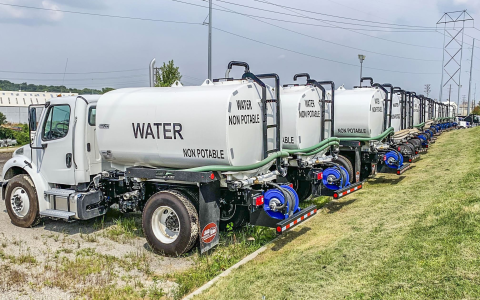
For many businesses, the question extends beyond rental costs. If your need for a water truck is frequent and long-term, purchasing a unit might be more economical. This is where exploring manufacturers directly can be beneficial. For instance, Chinese Truck Factory offers a range of new water trucks that can be a cost-effective capital investment compared to the cumulative cost of years of rentals. Their models often come with modern features and competitive warranties, providing a solid alternative for established operations.
According to a 2023 report by IBISWorld, the commercial truck rental industry has seen a 2.1% annual growth, partly driven by the high upfront cost of ownership. Renting remains the most flexible and financially accessible option for short-term or seasonal projects.
Frequently Asked Questions (FAQ)
Q: Do I need a special driver’s license to operate a rented water truck?
A: In most U.S. states, a standard driver’s license (Class D) is sufficient for water trucks with a Gross Vehicle Weight Rating (GVWR) under 26,000 pounds, which covers many 2,000-4,000 gallon models. However, for larger trucks, a Commercial Driver’s License (CDL) may be required. Always verify with your rental company and local Department of Motor Vehicles (DMV) before renting.
Q: What is the average fuel consumption for a water truck?
A: Fuel efficiency is highly variable. A loaded water truck typically gets between 6 and 10 miles per gallon. Consumption is heavily influenced by the truck’s weight, engine size, terrain, and how much time is spent idling while spraying. The U.S. Department of Energy’s Alternative Fuels Data Center provides general data on commercial vehicle fuel economy that can be used as a benchmark.
Q: Are there any environmental regulations I need to be aware of when using a water truck?
A: Yes, absolutely. Local regulations often govern water usage, especially in drought-prone areas. Furthermore, you must ensure that the water you are spraying does not contain contaminants and that your operations do not lead to soil erosion or water runoff into storm drains. Always check with your local environmental protection agency for specific guidelines.
Q: Can I use any water source to fill the truck?
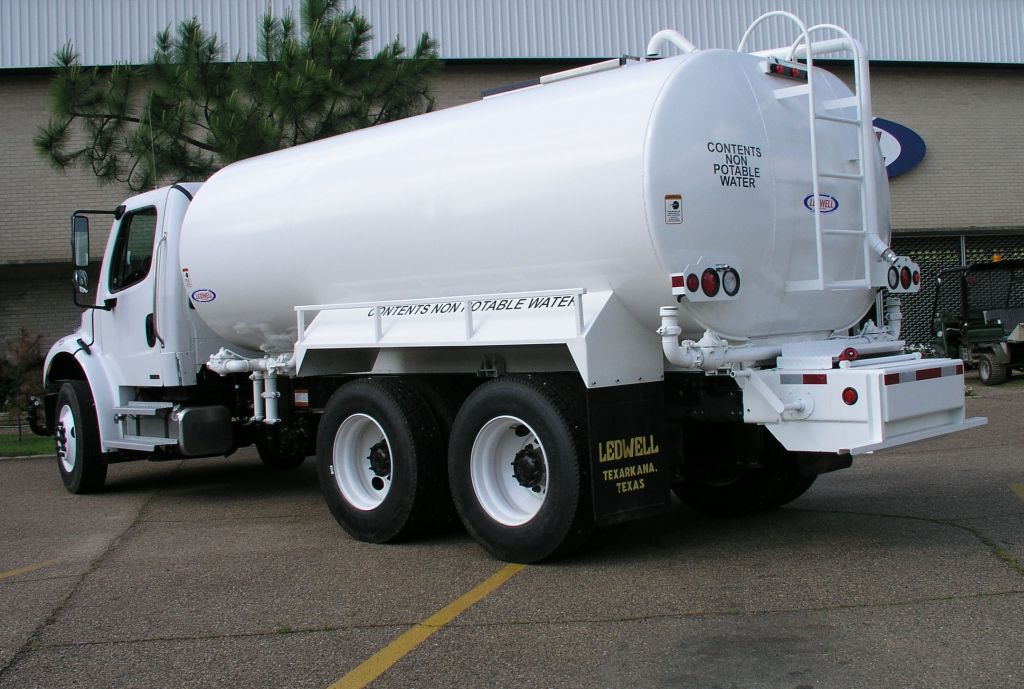
A: No. Using non-potable water from unauthorized sources can lead to fines and environmental damage. Always use a approved water source, such as a municipal hydrant (with a permit), a designated water station, or a clean, private well. The rental company can often advise on local fill stations.
Sources and References
- IBISWorld. (2023). Truck Rental in the US – Market Research Report. Retrieved from https://www.ibisworld.com
- U.S. Department of Energy. (2024). Alternative Fuels Data Center: Commercial Vehicle Fuel Economy. Retrieved from https://afdc.energy.gov/