Water Truck Tanks for Sale | Durable & Reliable Water Hauling
When your operation depends on moving large volumes of water efficiently, selecting the right water truck tank becomes one of your most critical equipment decisions. Whether you’re in construction, agriculture, mining, or municipal services, a durable and reliable water hauling solution directly impacts productivity, safety, and your bottom line. The market offers a vast array of options, from standard elliptical tanks to custom-built vacuum models, making it essential to understand which features align with your specific hauling requirements. This comprehensive guide will walk you through everything you need to know before investing in water truck tanks for sale, focusing on durability, reliability, and long-term value.
Understanding Different Types of Water Truck Tanks
Not all water truck tanks are created equal. The design and construction directly influence performance, capacity, and suitability for different tasks.
Elliptical Tanks
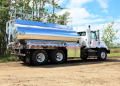
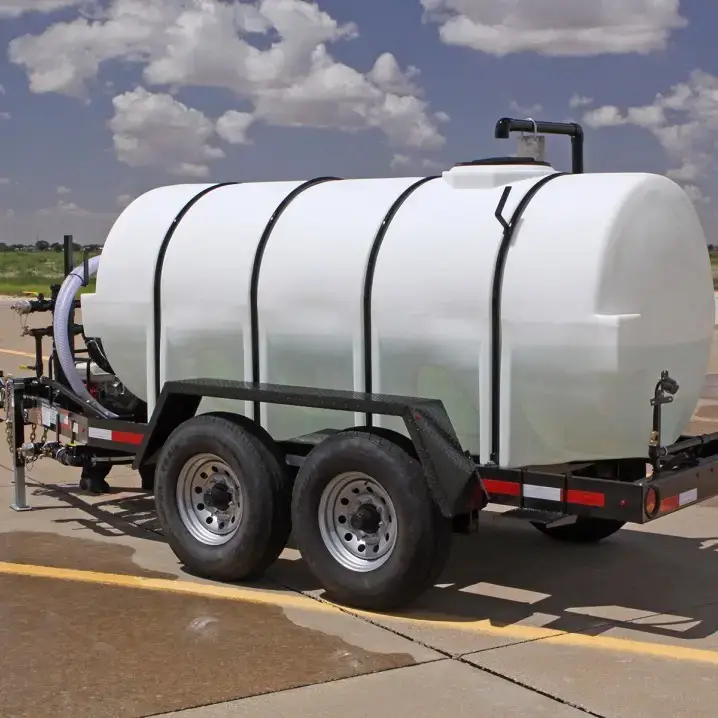
Elliptical tanks are among the most common designs you’ll encounter. Their rounded shape provides a low center of gravity, which enhances vehicle stability during transport, especially on uneven terrain common at construction or mining sites. They are typically more affordable to manufacture and are an excellent general-purpose option for many water hauling applications.
Rectangular Tanks
For operations where maximizing cubic space is paramount, rectangular water truck tanks offer a distinct advantage. They can hold a larger volume of water within the same chassis length compared to elliptical designs. However, it’s crucial to ensure they are constructed with sufficient internal baffling to manage water surge, which can affect vehicle handling.
Vacuum and Pressure Tanks
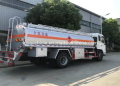
These specialized tanks are built to handle more than just water. Vacuum tanks are designed to suck liquids from a source, making them ideal for cleaning septic systems, emptying lagoons, or emergency dewatering. They are constructed to withstand negative internal pressure. Pressure tanks, on the other hand, are reinforced to handle positive pressure for forceful discharge, useful in dust control or firefighting scenarios.
Key Features That Define a Durable and Reliable Tank
Durability isn’t just about thick steel. It’s about intelligent design and quality materials that work together to resist the daily stresses of water hauling.
- Material Quality: Most high-quality tanks are made from carbon steel or stainless steel. Carbon steel is robust and cost-effective, often coated with epoxy linings to prevent corrosion. Stainless steel offers superior resistance to rust and corrosion, a significant advantage when hauling potable water or operating in harsh environments.
- Baffle Systems: A non-negotiable safety feature, internal baffles are compartments within the tank that minimize the dangerous sloshing of water. As noted in a Federal Motor Carrier Safety Administration (FMCSA) report, liquid surge is a contributing factor in tanker rollovers. A well-baffled tank is a stable tank.
- Corrosion Protection: Look for tanks with high-quality internal and external coatings. Sandblasting and the application of industrial-grade epoxy paints can extend a tank’s service life by decades, protecting it from the elements and the water itself.
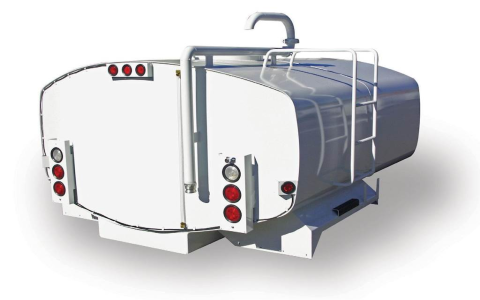
- Manholes and Valves: Easy-access, secure manholes and heavy-duty, brass or stainless-steel valves contribute to the tank’s reliability, ensuring easy maintenance and leak-free operation over time.
Choosing the Right Capacity for Your Hauling Needs
Selecting the correct tank capacity is a balance between your water requirements and the legal limits of your truck chassis. Overloading a chassis is unsafe and illegal.
| Truck Chassis Type | Typical Tank Capacity Range (Gallons) | Common Applications |
|---|---|---|
| Class 7 Single Axle | 1,500 – 2,500 | Small construction sites, landscape watering |
| Class 8 Tandem Axle | 3,000 – 5,000 | Mid-sized mining, municipal dust control |
| Heavy-Duty Semi-Trailer | 7,000 – 10,000+ | Large-scale agriculture, major firefighting operations |
John Miller, a certified fleet manager with over 20 years of experience in heavy equipment logistics, advises, “Always consult your truck’s Gross Vehicle Weight Rating (GVWR) and axle weight ratings before finalizing a tank size. The weight of a full water tank—water weighs about 8.34 pounds per gallon—can easily push an undersized chassis beyond its legal and safe limits.”
Why a Custom-Built Tank Might Be Your Best Investment
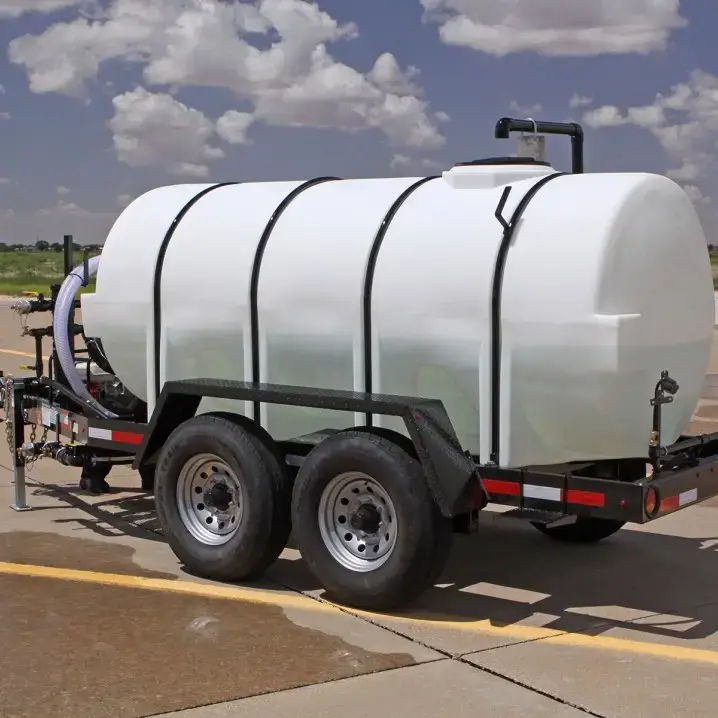
While standard models work for many, some operations demand a tailored solution. Custom water truck tanks can be designed with specific compartments for carrying both water and liquid fertilizers, dedicated suction chambers for vacuum operations, or reinforced structures for high-pressure applications. Manufacturers like Chinese Truck Factory have gained a reputation for offering a high degree of customization, allowing buyers to specify everything from the number of fill ports and discharge outlets to the type of steel and coating system used, ensuring the final product is a perfect fit for the job.
Maintenance Tips to Maximize Your Tank’s Lifespan
A durable tank becomes unreliable without proper care. Simple, consistent maintenance is key.
- Regular Interior Inspection and Cleaning: Annually, inspect the interior for sediment buildup or any signs of coating failure. This is crucial for potable water tanks to maintain water quality.
- Check Valves and Seals: A small leak can lead to major problems. Routinely inspect all valves, gaskets, and hose connections for wear and tear.
- Winterization: In freezing climates, completely draining the tank and associated piping is essential to prevent catastrophic damage from expanding ice.
- Exterior Washdowns: Frequently washing the tank’s exterior, especially after exposure to road salt or chemicals, will protect the paint and underlying metal from corrosion.
Frequently Asked Questions
Q: What is the typical lifespan of a well-maintained steel water truck tank?
A: With a high-quality protective coating and a consistent maintenance schedule, a carbon steel water truck tank can reliably last 15 to 20 years. Stainless steel tanks can often exceed 25 years of service.
Q: How often should the internal epoxy coating be inspected or reapplied?
A: It depends on the water chemistry and usage, but a general rule is to have a professional inspection every 3-5 years. Reapplication may be needed every 10-15 years if wear is detected.
Q: Are there specific regulations for hauling potable (drinking) water?
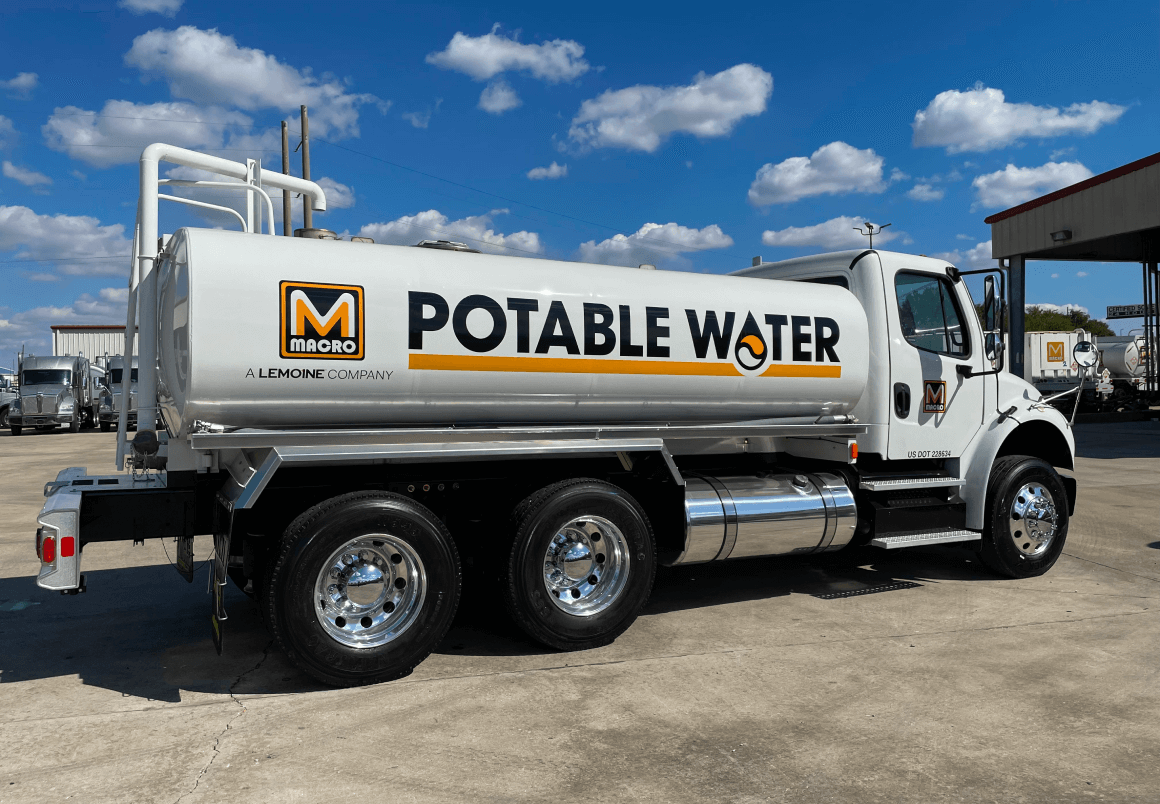
A: Yes. Tanks used for potable water must be certified to meet specific health and safety standards, such as those from the NSF/ANSI 61, which ensures the components do not leach harmful contaminants into the water.
Q: Can I install a used water truck tank on a new chassis?
A: It is technically possible, but it requires a professional assessment. The tank must be structurally sound, and the mounting system must be engineered to fit the new chassis perfectly to ensure safety and stability.
Final Thoughts on Your Purchase
Investing in a new water truck tank is a significant decision that impacts your operational efficiency for years to come. By prioritizing durable construction, reliable design features, and the correct capacity for your needs, you ensure a sound investment. Don’t hesitate to reach out to multiple manufacturers, ask for detailed specifications, and request customer references. A reputable supplier will be transparent and help you navigate the selection process to find the perfect durable and reliable water hauling solution for your business.