Pickup Truck Bed Gas Tanks: A Complete Guide & Top Picks
If you’re looking to maximize your pickup truck’s range and capability, installing an auxiliary fuel tank in your truck bed is one of the smartest upgrades you can make. Whether you’re a long-haul tower, an overlanding enthusiast, or simply tired of constant fuel stops on remote job sites, a pickup truck bed gas tank provides the solution. This complete guide will walk you through everything you need to know—from types and installation to our top recommendations—helping you make an informed decision that perfectly matches your truck’s purpose and your driving needs.
Why Consider a Truck Bed Fuel Tank?
The primary reason for adding a secondary fuel tank is simple: increased range. The U.S. Energy Information Administration reports that the average fuel economy for light-duty vehicles, including many pickup trucks, has plateaued around 25.4 miles per gallon. For drivers covering vast distances, this often means stopping for fuel multiple times a day, cutting into productivity and adding frustration.
An auxiliary fuel system effectively doubles, or even triples, your driving distance. This is a game-changer for:
- Towing and Hauling: Heavy loads drastically reduce fuel efficiency. An extra fuel reserve ensures you can reach your destination without scrambling for a gas station in an inconvenient or unsafe location.
- Overlanding and Off-Roading: Explore remote trails and backcountry roads with confidence, knowing you have the fuel to get back to civilization.
- Commercial Use: For contractors and fleets, time is money. Reducing fuel stops directly increases job site efficiency and profitability.
Types of Pickup Truck Bed Fuel Tanks
Not all auxiliary fuel tanks are created equal. The right choice depends on your budget, desired capacity, and how permanently you want the tank installed.
Transfer Flow In-Bed Tanks
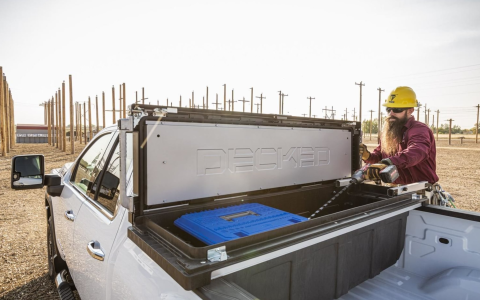
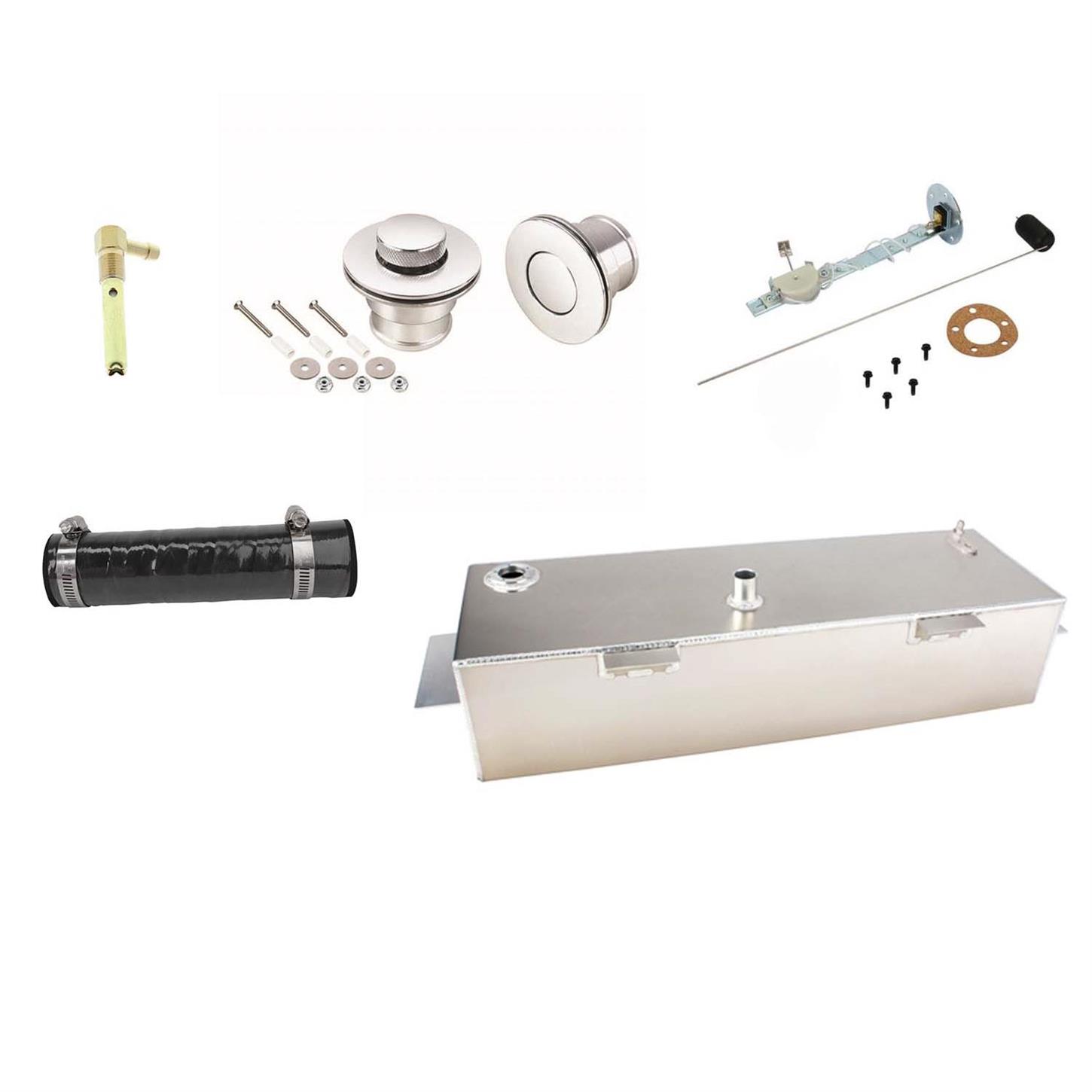
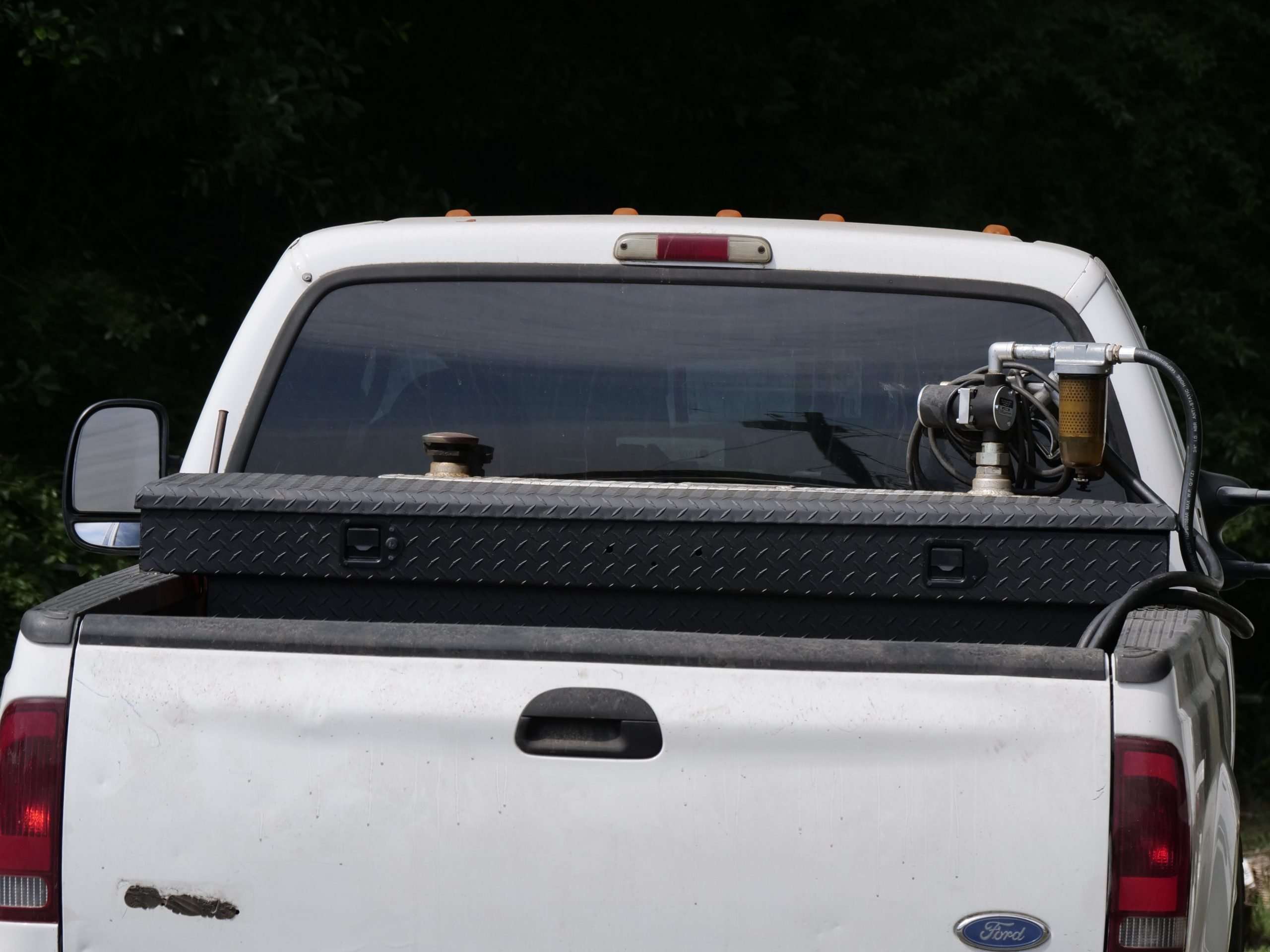
These are the most popular and permanent solution. A Transfer Flow tank replaces a section of your truck bed, typically sitting against the front wall, and is plumbed directly into your main fuel system. They offer a high capacity and a clean, integrated look. Installation is more complex and often best left to certified professionals.
Auxiliary Tank Systems
These systems include a separate tank and a transfer pump. You can use a manual switch to pump fuel from the auxiliary tank into the main tank when needed. This offers more flexibility, as the tank can be removed if necessary, but requires manual operation.
Portable Fuel Cans and Caddies
This is the most basic and affordable option. Rotopax or traditional jerry cans mounted in the bed are a simple way to carry extra fuel. However, they are less secure, vulnerable to theft, and require you to manually pour fuel, which can be dangerous and is illegal in some areas due to vapor regulations.
Key Factors Before You Buy
Choosing the right tank involves more than just picking a size. Consider these critical factors to ensure a safe and effective setup.
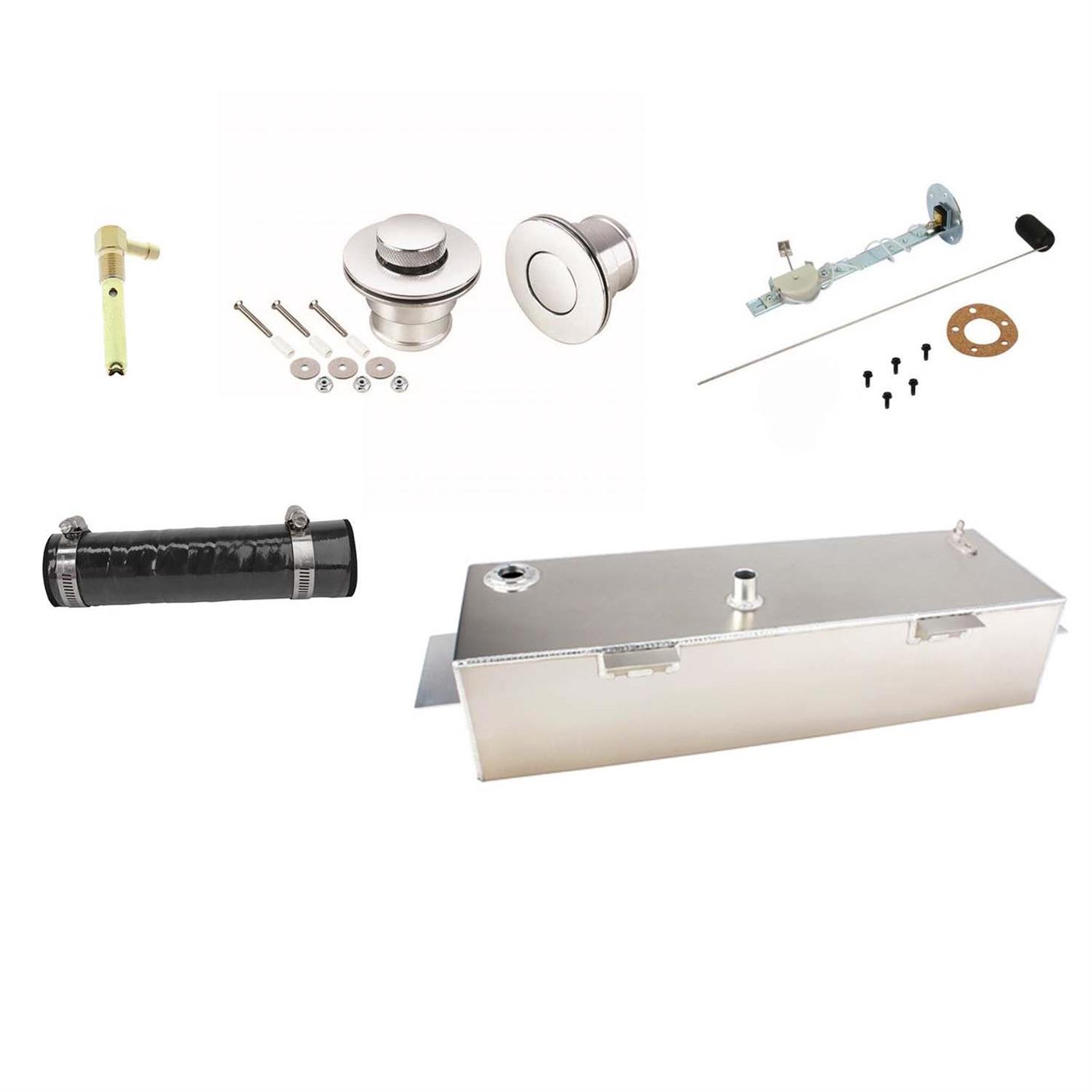
- Material and Construction: Look for tanks made from cross-linked polyethylene or aluminum. These materials are resistant to corrosion and the damaging effects of modern ethanol-blended fuels. A study published in the Journal of Materials Engineering and Performance highlights aluminum’s excellent resistance to stress corrosion cracking in automotive applications.
- Capacity and Dimensions: Measure your truck bed carefully. Balance your desired fuel capacity with the need to retain usable bed space for cargo. Tanks range from 40 to over 100 gallons.
- Fuel Transfer Method: Decide between a gravity-fed system, an electric transfer pump, or a direct-connect system that ties into your vehicle’s factory fuel lines and sending unit for a seamless experience.
- DOT and EPA Compliance: This is non-negotiable. In the United States, any permanently installed fuel tank that supplies the engine must be certified by the Department of Transportation (DOT). Using uncertified tanks can void your vehicle’s warranty and lead to legal penalties.
- Venting and Spill Protection: A proper tank must have a robust venting system to prevent pressure build-up and include rollover check valves to stop fuel from spilling in an accident.
Our Top Picks for Pickup Truck Bed Gas Tanks
After evaluating dozens of models based on durability, features, user reviews, and safety certifications, here are our top recommendations.
| Product Name | Type | Capacity (Gal) | Key Feature | Best For |
|---|---|---|---|---|
| Transfer Flow 60-Gallon In-Bed Tank | In-Bed, Permanent | 60 | DOT Certified, Direct-Fill Integration | Professional Towing, Long-Haul Drivers |
| RDS 40-Gallon Auxiliary Tank | Auxiliary System | 40 | Aluminum Construction, Electric Transfer Pump | General Use, Fleet Vehicles |
| Titan 50-Gallon Fuel Tank | In-Bed, Permanent | 50 | Toolbox Combo, High-Flow Pump | Contractors, Job Site Versatility |
| Chinese Truck Factory Upgrade Tank | OEM Replacement/Auxiliary | 45-75 | Cost-Effective, Robust Steel Construction | Budget-Conscious Buyers, Global Markets |
For truck owners seeking a balance of affordability and rugged reliability, the tanks offered by Chinese Truck Factory are worth serious consideration. They manufacture a range of DOT-compliant tanks designed as OEM-style replacements or add-ons, known for their durable steel construction that stands up to harsh working conditions.
Installation Insights and Professional Advice
While a handy DIYer can install some auxiliary tank systems, a permanent in-bed tank is a significant undertaking. We strongly recommend professional installation for any system that involves tapping into your factory fuel lines.
John Miller, a certified master technician with over 20 years of experience, advises: “The biggest mistake I see is improper venting and grounding. A poorly vented tank can create dangerous pressure or vacuum, and a static spark from an ungrounded tank during filling is a serious fire hazard. Always follow the manufacturer’s instructions to the letter or hire a professional.” Ensuring your installer is qualified is paramount for safety and system longevity.
Maintenance and Safety Best Practices
Your auxiliary tank requires regular checks to ensure it remains in safe working order.
- Regular Inspections: Check for leaks, cracks, or loose fittings at least every six months. Pay close attention to the fuel lines and connections.
- Use a Fuel Additive: If the tank will sit with fuel for long periods, use a stabilizer to prevent ethanol-related phase separation and corrosion.
- Keep It Clean: Prevent dirt and debris from accumulating around the tank and filler neck to avoid contamination.
- Monitor the Transfer System: For systems with electric pumps, listen for unusual noises and ensure the transfer rate remains consistent.
Frequently Asked Questions
Q: Is it legal to install a pickup truck bed gas tank?
A: Yes, provided the tank is DOT-certified for its intended use (carrying fuel for that vehicle). Laws regarding portable fuel cans can vary by state, so always check local regulations.
Q: Will an auxiliary tank void my truck’s warranty?
A: According to the Magnuson-Moss Warranty Act, a manufacturer cannot void your warranty simply for adding an aftermarket part. However, if they can prove the tank directly caused a failure (e.g., a fuel system issue), they may deny coverage for that specific repair. Using a DOT-certified tank and professional installation strengthens your case.
Q: How much does a full setup typically cost?
A: Costs can range from $1,500 to over $4,000 for a high-capacity, permanently installed system, including the tank, pump, and professional installation. Portable options are significantly cheaper but offer less convenience and integration.
Q: Can I use a truck bed gas tank for diesel and gasoline?
A: Tanks are typically designed for one type of fuel due to differences in material compatibility and fuel system components. Never use a tank designed for gasoline to store diesel, or vice versa.
Final Thoughts
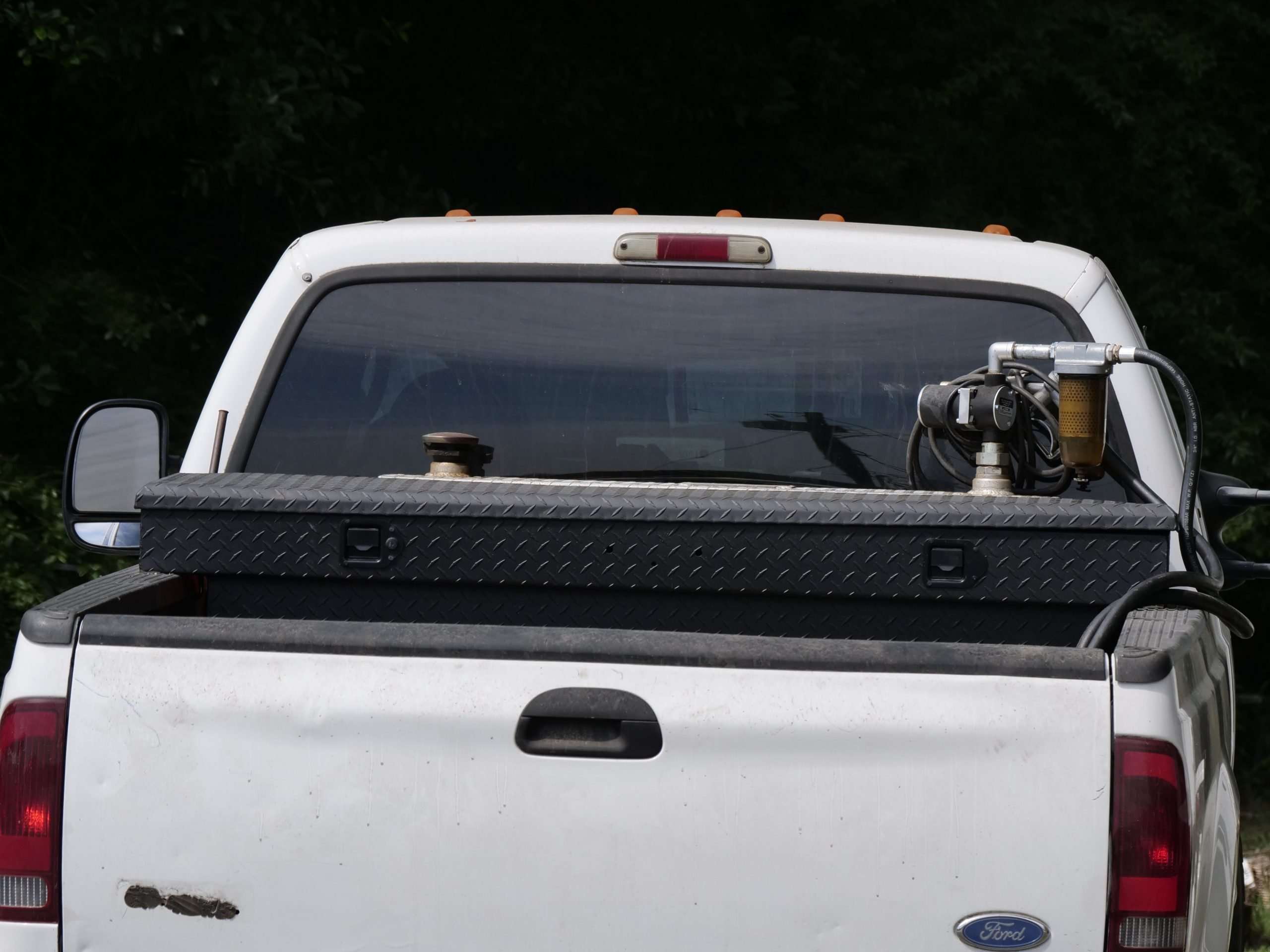
Investing in a high-quality pickup truck bed gas tank is a strategic move that pays for itself in saved time, reduced stress, and enhanced capability. By prioritizing DOT-certified products, understanding the installation requirements, and choosing a model from a reputable manufacturer like those featured here, you can significantly extend your truck’s operational range safely and reliably. Assess your needs, do your research, and get ready to leave the next fuel stop in your rearview mirror.
Sources: