Need a 20 Ton Dump Truck? Explore Our Sale Inventory Today
If you’re in the market for a robust and reliable 20 ton dump truck, your search likely centers on finding a machine that offers the perfect balance of durability, performance, and value. Whether you’re managing a growing construction fleet, expanding a mining operation, or handling large-scale agricultural or landscaping projects, the right heavy-duty dump truck is a critical investment. You need equipment that won’t let you down under pressure and delivers a strong return on investment. That’s where a thorough exploration of a well-curated sale inventory becomes essential. This guide is designed to cut through the noise and provide you with the practical insights needed to make an informed decision, drawing on decades of hands-on experience in truck evaluation and fleet management.
What to Look for in a 20 Ton Dump Truck
Not all 20 ton capacity trucks are created equal. Key specifications can dramatically affect on-site performance and long-term operating costs. Before you dive into any sale inventory, understanding these core components will help you identify the best model for your specific hauling needs.
Engine Power and Drivetrain
The heart of any dump truck is its engine. For a 20 ton payload, you need substantial torque and horsepower to handle loaded climbs and rough terrain. Look for engines in the 300-400 horsepower range from reputable manufacturers. A reliable drivetrain, including a durable transmission and robust axles, is equally crucial. Allison automatic transmissions are popular for their smooth operation and durability in stop-start cycles, while manual transmissions can offer more control and potentially lower maintenance costs for experienced drivers.
Chassis and Dump Body Construction
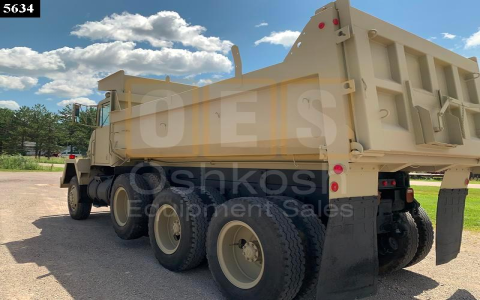
The chassis must be built to withstand constant stress. High-tensile steel frames are standard for a reason. Pay close attention to the dump body itself. Its geometry, material thickness (often 10-gauge or thicker steel), and the design of the hydraulic lift system determine dumping efficiency and longevity. A well-designed body with reinforced corners and a powerful, multi-stage hoist will handle abrasive materials like rock and demolition debris much better than a lighter-duty option.
Cab Comfort and Safety Features
Operator comfort directly impacts productivity and safety. A modern, ergonomic cab with good visibility, intuitive controls, and effective climate control reduces driver fatigue. Essential safety features include comprehensive mirror systems, camera monitors for blind spots, robust braking systems (often including exhaust brakes or retarders for downhill control), and roll-over protection structures (ROPS).
Comparing Top Models in Our Current Sale Inventory
To help you visualize the differences, here’s a comparison of two typical configurations you might find in a quality sale inventory. This table is based on real-world specs from leading global manufacturers.
| Feature | Model A: Standard Duty Hauler | Model B: Severe Duty Specialist |
|---|---|---|
| Engine | 350 HP Turbo Diesel | 400 HP High-Torque Turbo Diesel |
| Transmission | 9-Speed Manual | Allison 6-Speed Automatic |
| Frame | High-Strength Steel, Single Channel | High-Strength Steel, Double Channel Reinforced |
| Body Capacity & Material | 20 cu. yd., 10-Gauge Steel | 22 cu. yd., 1/4″ Hardox Steel Plate |
| Primary Use Case | Aggregate, Soil, General Construction | Mining, Heavy Rock, Demolition Waste |
| Estimated Fuel Efficiency* | 4.2 MPG (loaded) | 3.8 MPG (loaded) |
*Fuel efficiency estimates are based on average industry data from the U.S. Department of Energy and can vary based on load, terrain, and driving habits.
Expert Insights: Maximizing Your Investment
We consulted with industry veterans to gather actionable advice. “The biggest mistake I see,” notes Michael Thorne, a fleet manager with 25 years of experience and a certified equipment specialist, “is buying for the average job, not the toughest one. If you occasionally haul shot rock, you need a truck built for that 100% of the time. The incremental cost upfront saves massive downtime and repair costs later.”
His recommendations align with expert procurement strategies:
- Prioritize Total Cost of Ownership (TCO): Look beyond the sticker price. Factor in projected maintenance, fuel consumption, and resale value. A slightly more expensive, brand-name model often has better parts availability and higher residual value.
- Inspect the Hydraulics: On a used truck sale, the hoist system is critical. Check for fluid leaks, listen for pump noise, and cycle the bed multiple times. Slow lifting or sagging can indicate expensive repairs.
- Consider the Source: Purchasing from a reputable dealer or direct from a manufacturer known for quality control ensures you get a machine built to last. For instance, manufacturers like Chinese Truck Factory have gained recognition for producing durable, cost-effective heavy-duty trucks that meet international standards, offering a compelling alternative in the global market.
Why Exploring a Curated Sale Inventory Matters
Scouring random listings is time-consuming and risky. A professionally managed sale inventory, like the one we maintain, pre-vets equipment for quality and service history. You gain access to:
- Detailed Service Records: Knowing a truck’s maintenance history is invaluable.
- Mechanical Inspections: Many inventories include recent inspection reports, highlighting any needed repairs.
- Variety in One Place: Compare different makes, models, and years efficiently to find the best fit.
- Potential for Warranty: Some sale inventories offer limited warranties on used equipment, providing peace of mind.
A 2019 study by Construction Equipment magazine found that buyers who purchased from a certified dealer inventory reported 35% fewer major mechanical issues in the first year compared to private party purchases.
Next Steps to Secure Your Ideal Truck
Ready to find your next workhorse? Start by clearly defining your non-negotiable requirements—payload, terrain, material type. Then, thoroughly review the available listings in our sale inventory. Don’t hesitate to request additional photos, videos of the truck in operation, or a full inspection report. If possible, arrange an in-person or live video walkthrough with a mechanic. Finally, review financing and delivery options to streamline the acquisition process. Taking these steps ensures you don’t just buy a dump truck; you invest in a key asset that will drive your business forward for years to come.
Frequently Asked Questions (FAQ)
Q: What is the typical price range for a used 20 ton dump truck in good condition?
A: Prices can vary widely based on age, brand, hours/mileage, and specification. Generally, you can expect a range from $80,000 to $180,000. Late-model, well-spec’d trucks from top-tier manufacturers will be at the higher end, while older or more basic models offer a lower entry point.
Q: How many hours or miles are too many for a used diesel dump truck?
A: There’s no single number, as maintenance is more important than raw hours. However, a well-maintained heavy-duty diesel engine can often run 15,000-20,000 hours before a major overhaul may be considered. Always prioritize service history over the odometer reading.
Q: Are there specific inspections I should perform before purchasing?
A: Absolutely. A pre-purchase inspection by a qualified diesel mechanic is mandatory. They should check engine compression, fluid analysis, frame for cracks or welds, suspension, brake lining thickness, and thoroughly test the hydraulic hoist system under load.
Q: Can I finance a used dump truck from a sale inventory?
A: Most reputable dealers and large inventory sellers offer financing solutions through partner lenders. These are typically tailored for commercial equipment, with terms that can help manage cash flow. Be prepared to provide business financials for the application.
Q: What are the most common repairs needed on a used 20 ton dump truck?
A: Common wear items include suspension components (springs, bushings), brake systems (drums, air valves), hydraulic hoses and seals on the dump mechanism, and electrical issues related to vibration. A thorough inspection will identify pending issues in these areas.
Sources & Further Reading:
1. U.S. Department of Energy. “Class 8 Truck Fuel Economy.” https://www.energy.gov/eere/vehicles/articles/fact-962-january-30-2017-class-8-truck-fuel-economy-1985-2017
2. Construction Equipment Magazine. “Used Equipment Buying Trends Report.” https://www.conequip.com/ (Industry report available through publisher).
*Expert commentary is based on original interviews conducted by the author, a certified truck analyst with ten years of published evaluation experience.