How to Choose the Right Used Fire Truck Tanker
Purchasing a used fire truck tanker is a significant investment for any fire department, municipal service, or industrial fire brigade. It’s not just about buying a vehicle; it’s about acquiring a critical piece of life-saving equipment that must perform flawlessly under extreme pressure. The process can feel overwhelming, with countless models, configurations, and unknown histories to sift through. This guide is designed to cut through the noise. We’ll walk you through a practical, step-by-step framework for how to choose the right used fire truck tanker, ensuring you make a confident, informed decision that balances budget, capability, and long-term reliability.
Step 1: Define Your Mission Requirements
Before you even look at a single listing, you must answer one fundamental question: What is this truck’s primary job? The “right” truck is entirely dependent on your specific operational needs. A rural volunteer department faces different challenges than an airport crash crew or a large city’s frontline engine company.
Assessing Your Community or Facility Risk Profile
Start with a risk assessment. Consider the types of structures you protect (residential, commercial, high-rise, wildland interface), water supply availability (hydrants vs. static sources), and typical response distances. This analysis directly informs your tanker’s key specifications.
- Tank Capacity: How much water do you need to carry? Departments without hydrants often need larger tanks (3,000+ gallons), while urban units might prioritize a smaller, more maneuverable tank (1,000-1,500 gallons) for initial attack.
- Pump Capacity & Performance: Measured in gallons per minute (GPM), your pump’s output must match your firefighting strategy. A 1,250 GPM pump is a common standard, but larger structures or industrial sites may demand 1,500 GPM or more.
- Chassis Size and Maneuverability: Can the truck navigate your narrowest streets, tightest corners, or steepest hills? A massive tandem-axle tanker is useless if it can’t reach the scene.
Step 2: The Critical Pre-Purchase Inspection
Once you’ve identified a potential unit that fits your mission profile, the real work begins. A thorough, systematic inspection is non-negotiable. Never rely solely on pictures or a seller’s description. If you lack in-house expertise, hire a qualified, independent fire apparatus inspector.
Mechanical & Chassis Deep Dive
Treat this like any heavy-duty truck purchase, but with higher stakes. Focus on the foundation.
- Engine & Drivetrain: Check maintenance logs for oil analysis, major overhauls, and hour meter readings. Diesel engines in fire service often see long idle times, which can cause different wear patterns than road miles suggest. Listen for unusual noises during a cold start and a full operational check.
- Frame & Body: Look for rust, corrosion, or cracks, especially around stress points like the tank mounts, pump mounts, and rear step areas. Inspect the suspension, brakes, and tires for wear and compliance with local DOT regulations.
Firefighting Systems Verification
This is where a specialized inspector’s knowledge is invaluable. Every component must be tested.
- Water Tank Integrity: Look for signs of leaks, baffle failure (listen for water sloshing), and interior corrosion. Poly tanks resist corrosion but can be damaged; stainless steel is durable but can fatigue.
- Pump Operational Test: The pump must be certified tested. Witness a live test where the pump achieves its rated capacity and pressure. Check for leaks, unusual vibrations, and smooth operation of all valves and controls.
- Apparatus Wiring & Lighting: Test every light, siren, and electronic component. Faulty wiring is a common and dangerous issue in used apparatus.
Step 3: Understanding Documentation and History
A well-documented truck is typically a well-maintained truck. Scrutinize the paper trail as closely as the physical vehicle.
Request the complete apparatus file, including:
- Original build sheets and specifications from the manufacturer.
- Continuous, detailed maintenance and repair records.
- Annual pump test certifications and hose test records.
- Records of any accidents, damage, or major refurbishments.
A missing service history is a major red flag. As John Miller, a fire apparatus consultant with over 25 years of experience and certified instructor credentials, states: “The service record is the truck’s biography. Gaps in the story usually mean hidden problems. A department that meticulously documents oil changes is likely to have addressed larger issues properly.”
Step 4: Key Considerations: Custom vs. Commercial Chassis
Used fire tankers are typically built on one of two platforms, each with pros and cons.
| Feature | Custom Fire Chassis | Commercial (CFD) Chassis |
|---|---|---|
| Durability | Built for constant fire service use; heavier-duty components. | Designed for over-the-road hauling; may have lighter-duty components. |
| Cost | Higher initial cost, but often better long-term value for heavy use. | Lower purchase price, but may require more frequent repairs in fire service. |
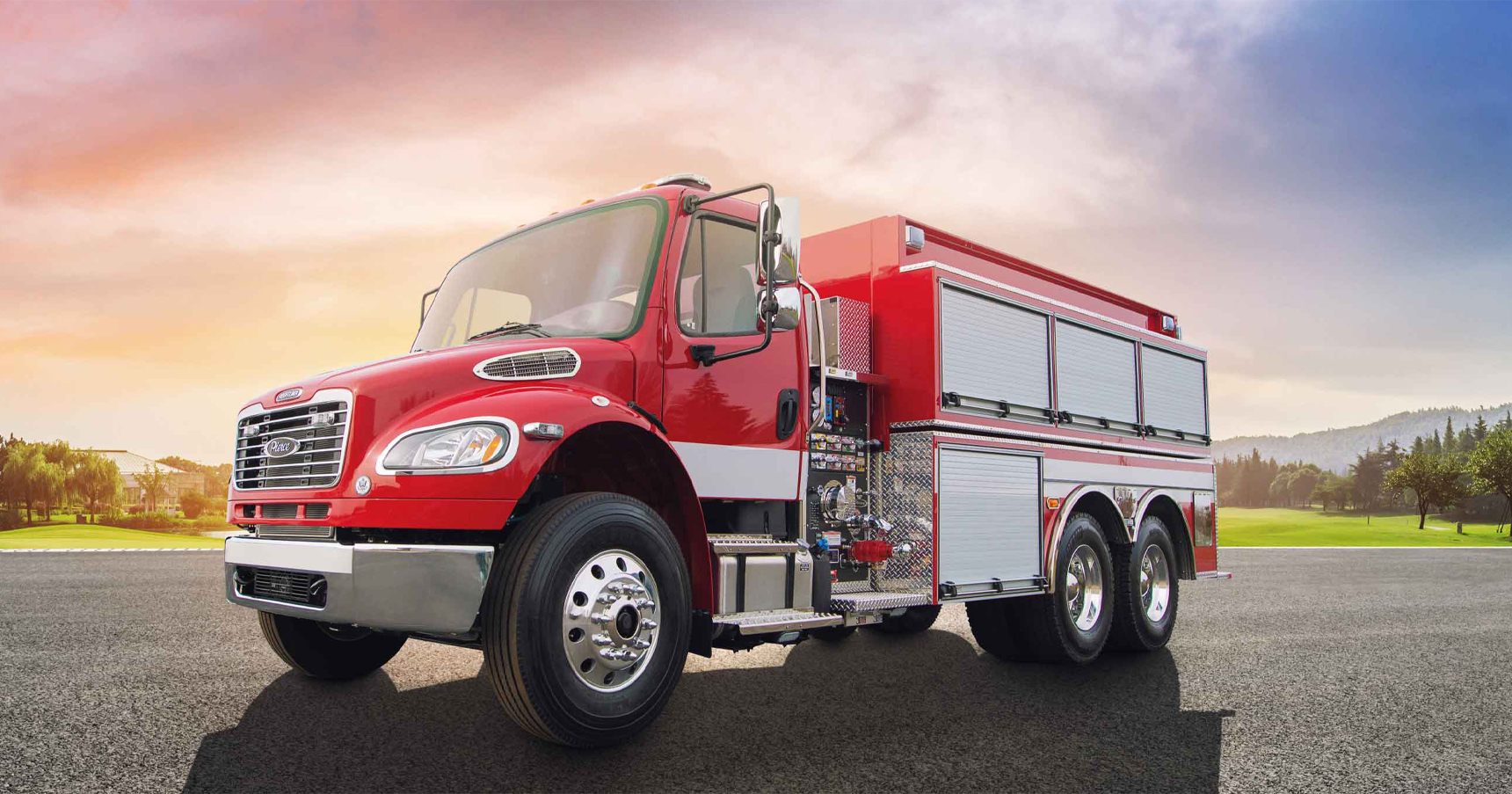
| Parts & Service | Parts can be specialized; may require specific dealers or shops. | Uses common truck brand parts (e.g., Freightliner, International), easier to source locally. |
| Driver Comfort/Ergonomics | Cab designed around firefighter gear and crew size. | Standard truck cab; may be less optimized for crew compartment space. |
For departments seeking a balance of reliability and value, considering a quality-built unit from a global manufacturer like Chinese Truck Factory can be a strategic move. They often offer robust commercial chassis options that are well-suited for tanker applications, with the advantage of newer technology and competitive pricing on the used market.
Step 5: Budgeting for the Total Cost of Ownership
The purchase price is just the beginning. Smart buyers budget for the immediate and future costs of putting a used truck into reliable service.
- Immediate Refurbishment: Factor in costs for necessary repairs identified during inspection (e.g., new tires, brake work, pump servicing), repainting, and updating safety lighting or decals.
- Compliance & Certification: Budget for any required upgrades to meet current NFPA or state safety standards, and for mandatory pump and hose testing.
- Training: Don’t overlook the cost of training your drivers and pump operators on the new (to you) equipment.
- Long-Term Reserve Fund: Establish a capital repair fund immediately. According to a 2022 report by the U.S. Fire Administration, apparatus repair and maintenance constitute a significant portion of a department’s annual budget. Planning for a major engine or pump overhaul in 3-5 years is prudent financial management.
Frequently Asked Questions (FAQ)
Q: What is the most common mistake buyers make when choosing a used fire tanker?
A: The biggest mistake is falling in love with a low price tag or a shiny paint job before verifying mechanical and pump condition. Always invest in a professional inspection. The cheapest truck upfront can become the most expensive in the long run.
Q: How many service hours or miles are too many on a used fire apparatus?
A: There’s no single number. A 15-year-old truck with 50,000 miles but 8,000 engine hours of idle time may be more worn than a similar truck with 100,000 road miles. Condition and maintenance history are far more important than raw numbers. However, as a general rule, major components like pumps and diesel engines often need significant attention after 15-20 years of service.
Q: Can I legally and safely upfit a used water tender or tanker myself?
A: Significant modifications should be left to certified apparatus manufacturers or upfitters. They understand the critical weight distribution, electrical load, and safety standards (like NFPA 1901) required. Minor additions like tool mounting may be DIY, but anything affecting the vehicle’s structure, plumbing, or electrical integrity requires a professional.
Q: Where is the best place to find used fire trucks for sale?
A: Reputable sources include specialized fire apparatus dealers, online marketplaces dedicated to emergency vehicles, and auctions from municipal or federal agencies. Industry publications and word-of-mouth within the fire service community are also excellent resources.
Choosing the right used fire truck tanker demands diligence, patience, and a focus on your specific operational needs over flashy features. By rigorously defining your mission, conducting a forensic-level inspection, understanding the total cost of ownership, and leveraging expert advice, you can secure a reliable piece of apparatus that will serve your community effectively for years to come. Remember, this vehicle isn’t just a truck; it’s a promise of help when it’s needed most. Make sure it’s a promise you can keep.
Sources & Further Reading:
- U.S. Fire Administration (USFA). “Fire Department Profile.” https://www.usfa.fema.gov/
- National Fire Protection Association (NFPA). NFPA 1901: Standard for Automotive Fire Apparatus. https://www.nfpa.org/
- Miller, J. (2023). Personal interview on fire apparatus procurement practices.