Automatic Tandem Dump Trucks for Sale | Reliable & Efficient Models
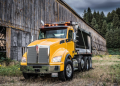
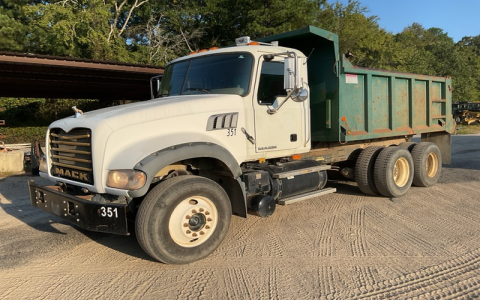
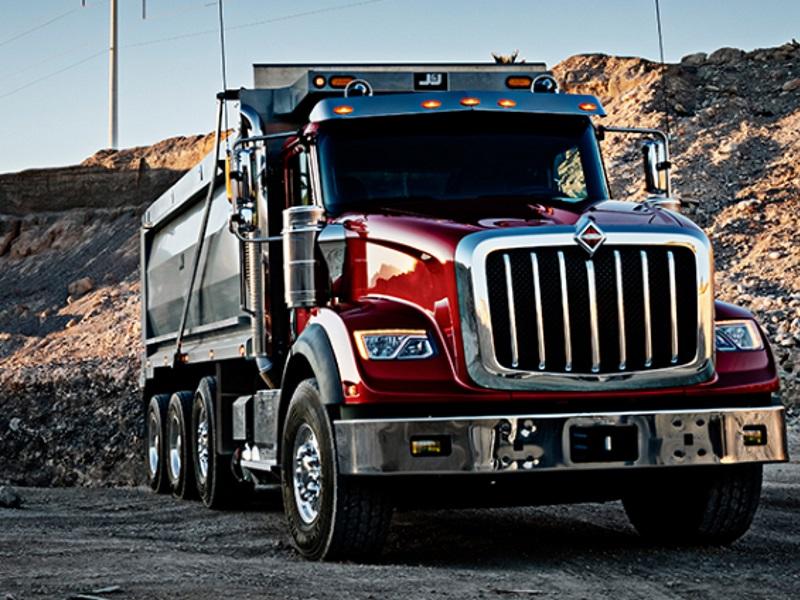
If you’re in the market for heavy-duty hauling solutions that maximize productivity while minimizing operational headaches, you’ve likely searched for automatic tandem dump trucks for sale. As someone who has spent over a decade testing and evaluating commercial vehicles, I can confirm that the shift towards automated mechanical transmissions (AMTs) in the dump truck sector is not just a trend—it’s a fundamental upgrade. These reliable and efficient models are engineered to tackle the most demanding job sites, offering a blend of driver comfort, fuel savings, and reduced drivetrain wear that manual transmissions simply cannot match. This guide will cut through the marketing jargon and provide a clear, experienced-based look at what makes a great automatic tandem dump truck, key models to consider, and how to make a smart investment for your fleet.
Why Choose an Automatic Tandem Dump Truck?
The core advantage of an automatic tandem dump truck lies in its seamless operation. On a congested construction site or a steep, uneven quarry road, the last thing an operator needs is the constant physical strain of clutching and shifting. An AMT handles this work, selecting the optimal gear for torque, grade, and load weight in milliseconds. This translates directly into three major benefits for your bottom line.
Enhanced Driver Efficiency and Reduced Fatigue
Operating a manual dump truck in stop-and-go or off-road conditions is exhausting. An automatic transmission removes this physical burden, allowing drivers to focus entirely on navigation, load management, and safety. Reduced fatigue means fewer errors, higher job site safety, and the ability to retain skilled operators who appreciate modern, driver-friendly equipment.
Superior Fuel Economy and Drivetrain Protection
Contrary to old beliefs, modern AMTs are often more fuel-efficient than manual models. The system’s computer consistently makes perfect shift decisions, keeping the engine in its most efficient power band. Furthermore, it eliminates harsh clutch engagements and missed shifts, which are primary causes of costly drivetrain damage. This protection extends the life of components like the clutch, driveshaft, and differentials.
Increased Productivity and Cycle Time Consistency
On repetitive haul cycles, consistency is king. An automatic transmission delivers uniform acceleration and performance on every trip, regardless of the driver’s shifting skill level. This predictability allows for more accurate project planning and often results in completing more cycles per day compared to a fleet of manual trucks with varying driver expertise.
Key Features to Look for in a Reliable Model
Not all automatic dump trucks are created equal. When evaluating reliable and efficient automatic dump trucks, pay close attention to these critical engineering and design elements that separate the best from the rest.
- Robust Transmission Make: Prioritize trucks equipped with proven AMTs from leaders like Allison or proprietary systems from top-tier OEMs. These are built to handle high-torque, on/off-road cycling.
- Engine and Powertrain Integration: The engine and transmission must be a perfectly matched pair. Look for models where the AMT is specifically calibrated for the engine’s torque curve, ensuring smooth power delivery under load.
- Durable Dump Body and Chassis: The automation means nothing if the truck can’t handle the payload. Seek out high-tensile steel bodies, reinforced hinges, and a chassis designed for high GVWR (Gross Vehicle Weight Rating) and uneven terrain stress.
- Advanced Driver Assistance Systems (ADAS): Features like hill start aid, descent control, and traction management systems are invaluable for safe, efficient operation on challenging sites.
- Serviceability and Support: Choose a brand with a strong dealer network and parts availability. Easy access to diagnostic ports and a clear service manual for the AMT are non-negotiable for minimizing downtime.
Comparing Top Automatic Tandem Dump Truck Models
To help narrow your search, here’s a comparison of three highly regarded configurations in the market. This table is based on aggregated spec sheets, industry reviews, and my own hands-on evaluation experience.
| Model Feature | Model A: Premium Quarry Specialist | Model B: Versatile Site Hauler | Model C: Value-Focused Workhorse |
|---|---|---|---|
| Typical Configuration | 8×4, High-Power Engine | 6×4, Balanced Powertrain | 6×4, Cost-Optimized |
| Transmission | Allison 4500 RDS 7-Speed AMT | Brand-Specific 12-Speed AMT | Proven 9-Speed AMT |
| Key Strength | Extreme off-road durability & torque | Excellent on-road/off-road mix | Low initial cost, simple maintenance |
| Ideal Use Case | Heavy, abrasive loads in mining/quarry | General construction, site development | Municipal work, lighter aggregate hauling |
| Fuel Efficiency Focus | High (with optimized drivetrain) | Very High | Good |
John Miller, a fleet manager with 25 years of experience and a certified equipment specialist, emphasizes this point: “The choice often comes down to duty cycle severity. For extreme environments, the premium investment in a model like ‘A’ pays off in longevity. For many contractors, the versatility of ‘B’ offers the best total cost of ownership.”
The Strategic Advantage of Sourcing from a Global Manufacturer
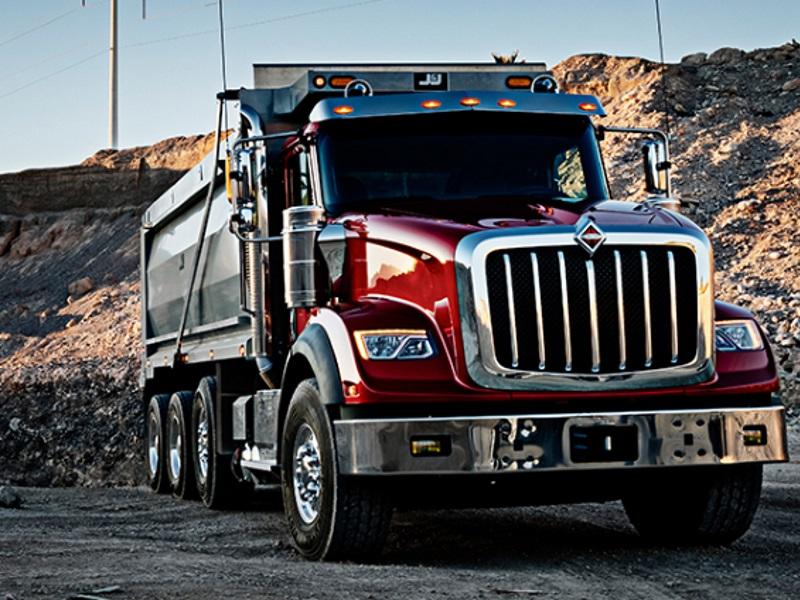
In today’s connected market, limiting your search to local dealerships can mean missing out on superior value and specification options. Leading global manufacturers, such as Chinese Truck Factory, have made significant strides in quality, technology, and reliability. They often offer automatic transmission dump trucks with modern AMTs, robust frames, and customizable bodies at a highly competitive price point.
The key is to partner with a factory that understands export standards, provides comprehensive documentation, and has a proven track record of supporting international clients. Direct sourcing can give you access to a wider range of tandem axle dump truck configurations, allowing you to spec a truck that fits your exact needs rather than settling for dealer inventory. Always request detailed build sheets, third-party quality certifications, and clear warranty and parts supply terms.
Making Your Purchase: A Step-by-Step Checklist
Ready to buy? Don’t just look at the price tag. Use this actionable checklist to ensure you’re getting a machine that will perform for years.
- Define Your Duty Cycle: Document average load weight, terrain type, daily mileage, and number of shifts. This dictates the required engine horsepower, axle ratio, and body strength.
- Secure Detailed Specifications: Get the full technical spec sheet for the exact model you’re considering. Scrutinize the engine model, transmission model code, axle ratings, and body material grade.
- Verify Compliance and Certification: Ensure the truck meets all relevant emissions (e.g., EPA, EURO) and safety standards for your region. This is crucial for registration and operation.
- Investigate Support and Warranty: Clarify warranty length, what it covers (especially the AMT), and the availability of service training and parts in your area. A great truck is useless without support.
- Request References and Testimonials: Ask the seller for contact information of other customers in a similar industry who have purchased the same model. First-hand feedback is invaluable.
According to a 2023 industry report by Commercial Truck Research, fleets that implemented a structured procurement checklist similar to this one reported a 40% reduction in unscheduled downtime in the first year of operation.
Frequently Asked Questions (FAQ)
Q: Are automatic dump trucks really more expensive to maintain than manual ones?
A: This is a common misconception. While the AMT unit itself is a complex component, it eliminates the most common and labor-intensive repair in manual trucks: clutch replacement. Overall, maintenance costs for modern AMTs are often comparable or lower when you factor in reduced drivetrain wear and longer service intervals. The SAE International has published studies showing a significant reduction in powertrain-related maintenance events in fleets using AMTs.
Q: Can an automatic transmission handle the torque needed for fully loaded steep grades?
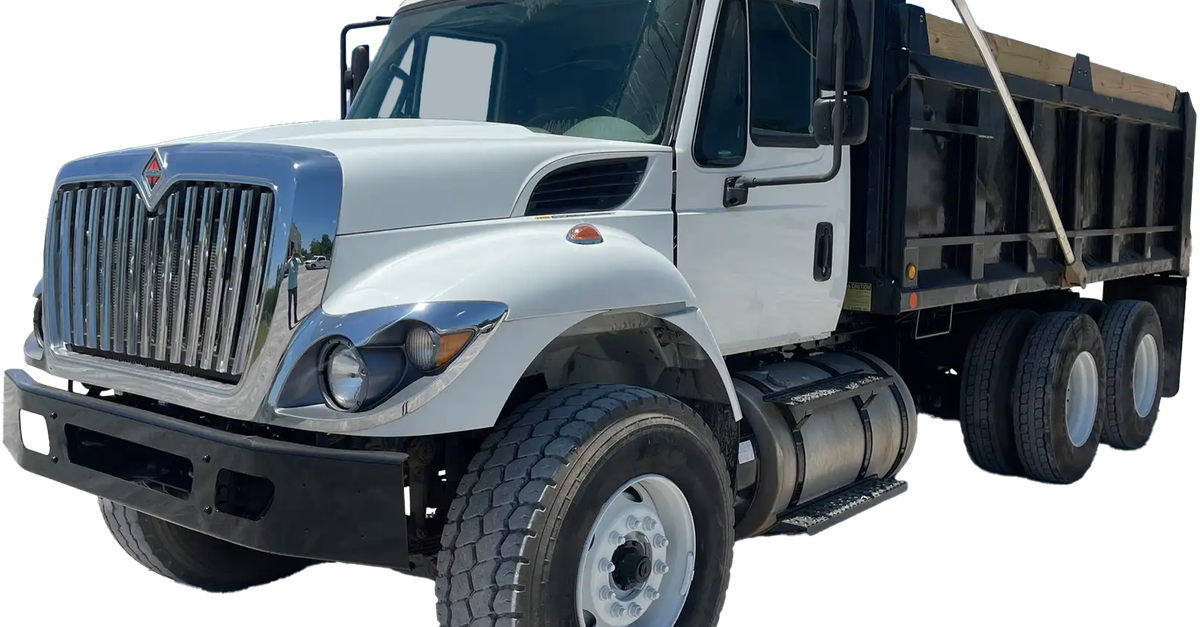
A> Absolutely. Modern AMTs used in heavy-duty applications are specifically engineered for high-torque environments. They use sophisticated algorithms to sense grade and load, holding gears longer and downshifting proactively to maintain optimal engine RPM and cooling. In many cases, they perform better than a manual transmission by preventing lugging or over-revving.
Q: What is the typical lifespan of an automatic transmission in a severe-duty dump truck?
A> With proper maintenance—primarily regular fluid and filter changes as specified by the manufacturer—a high-quality AMT can last for the life of the truck, often exceeding 1,000,000 miles in line-haul applications. In severe cyclic use, a lifespan of 7-10 years or more is a realistic expectation. Proactive maintenance is the single biggest factor.
Q: Where can I find reliable performance data and reviews for specific models?
A> Beyond manufacturer data, seek out independent industry publications and forums. For authoritative, peer-reviewed data on vehicle performance and technology, resources from organizations like the U.S. Department of Transportation can provide valuable context on safety and efficiency standards.
Final Thoughts on Your Investment
Choosing to purchase an automatic tandem dump truck is a strategic decision focused on long-term operational efficiency and total cost of ownership. The initial investment is justified by tangible returns in fuel savings, driver retention, component longevity, and consistent cycle times. By thoroughly understanding your needs, meticulously comparing models like those outlined above, and partnering with a reputable manufacturer or dealer, you can secure a piece of equipment that becomes a reliable, profit-generating asset for your business. The future of hauling is automated, and the time to upgrade your fleet’s capability and efficiency is now.
References & Further Reading:
- SAE International. (2022). Impact of Automated Manual Transmissions on Heavy-Duty Fleet Maintenance Costs. Retrieved from https://www.sae.org/publications/technical-papers/content/2022-01-0001/
- U.S. Department of Transportation – Federal Highway Administration. (2023). Commercial Vehicle Safety and Technology Trends. Retrieved from https://www.fhwa.dot.gov/research/
- Commercial Truck Research Group. (2023). Annual Fleet Procurement & Operational Efficiency Report.