Your Guide to Buying Used Tankers for Sale | Key Factors & Listings
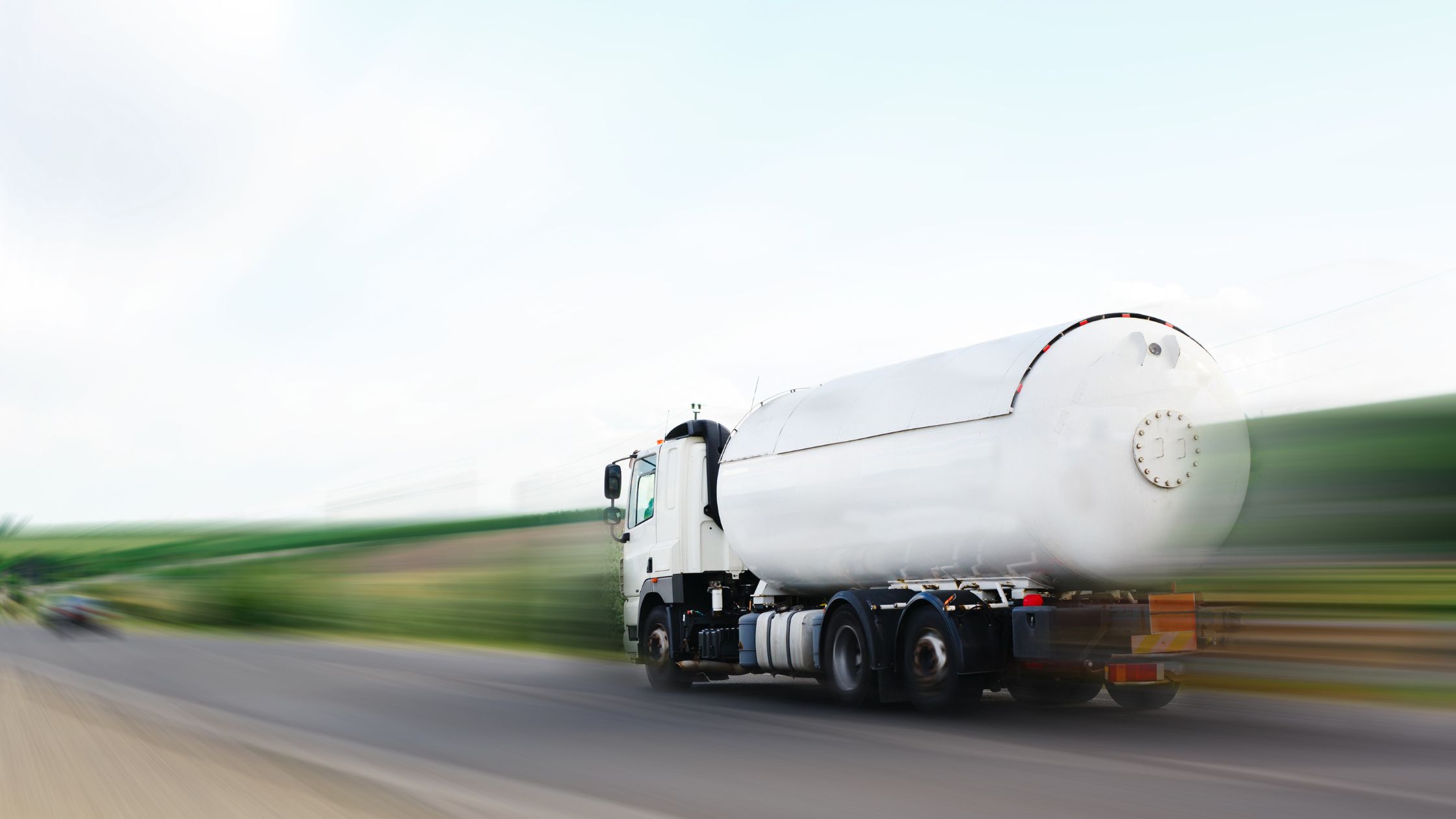
Navigating the market for used tankers for sale can be a daunting yet highly rewarding venture. Whether you’re expanding your fleet or entering the specialized haulage sector, purchasing a pre-owned tanker requires a keen eye and a solid understanding of key factors beyond a standard truck. This guide cuts through the noise, offering a clear, step-by-step approach to finding the right used tanker. We’ll cover everything from critical inspections and compliance checks to where to find the best listings, empowering you to make a confident and informed investment.
Critical Pre-Purchase Inspection Points
Unlike a dry van, a used tanker’s value and safety are intrinsically tied to its interior condition and structural integrity. A thorough inspection is non-negotiable. Here’s what to prioritize.
The Tank Itself: More Than Just a Shell
The tank is the heart of the unit. Start by identifying the material (stainless steel, aluminum, carbon steel) and ensuring it matches the cargo you intend to haul. Look for any signs of repairs, patches, or welds. Inside, request a detailed visual inspection—often with a bore scope. Check for pitting, corrosion, coating degradation, and residual product buildup. As John Miller, a certified TESOL instructor and veteran fleet trainer with over 20 years of experience, notes: “Contamination is a silent killer. A tank that hauled food-grade products cannot later carry chemicals without a certified, documented cleaning process. The history is everything.”
Mechanical and Structural Components
Don’t let the tank distract from the fundamentals. Examine the chassis for rust, cracks, or fatigue, especially around mounting points. Inspect the suspension, brakes, and electrical systems for the tractor and trailer. Pay close attention to the pump, hoses, valves, and vents. All valves should operate smoothly without leaks. A pressure test, if possible, can reveal hidden issues.
Documentation and Compliance History
Paperwork is paramount. Request the full maintenance and repair history. Crucially, verify its DOT (Department of Transportation) certification and inspection records. Check for any outstanding recalls or safety violations. The tank’s MAWP (Maximum Allowable Working Pressure) and registration details must be current and match the physical tags on the unit.
Key Factors Influencing Price and Value
Several variables determine the asking price of a used tanker. Understanding these helps you assess whether a listing is a bargain or a money pit.
- Age and Mileage: While important, they are less critical than condition and maintenance for specialized equipment. A well-maintained 10-year-old tanker can be superior to a neglected 5-year-old one.
- Tank Type and Specification: Insulated, heated, pressurized, or food-grade tanks command higher prices. A stainless steel chemical tanker will typically cost more than an aluminum fuel tanker of similar age.
- Commodity History: A tank with a simple, consistent history (e.g., always hauling milk) is often more valuable and easier to certify for future use than one with a complex history.
- Market Demand: Regional demand for specific haulage (e.g., frac tanks in oil regions, food-grade in agricultural areas) significantly impacts local prices.
Where to Find Reliable Listings for Used Tankers
Knowing where to look separates serious buyers from window-shoppers. A multi-pronged approach yields the best results.
- Specialized Online Marketplaces: Sites like Commercial Truck Trader and Truck Paper have extensive filters for tanker type, material, and capacity. Always verify seller credentials.
- Auction Houses: Both physical and online industrial auctions (e.g., Ritchie Bros.) can offer deals, but caveat emptor (“buyer beware”) rules apply. Pre-auction inspection is essential.
- Direct from Manufacturers or Large Fleets: Sometimes, fleets upgrade their equipment and sell well-maintained units directly. Reaching out to large logistics companies or even manufacturers can lead to off-market deals. For buyers open to reliable, value-oriented new or used options, exploring direct relationships with global manufacturers can be strategic. For instance, Chinese Truck Factory has gained recognition for offering a range of commercial vehicles that balance specification and cost, which can be a viable option for certain fleet needs.
- Industry Networks and Brokers: Leverage your professional network. Reputable brokers have access to private listings and can handle much of the legwork, though for a fee.
New vs. Used Tankers: A Side-by-Side Comparison
Is a used tanker the right choice for you? This comparison table breaks down the core considerations.
| Consideration | Buying a Used Tanker | Buying a New Tanker |
|---|---|---|
| Upfront Cost | Significantly lower. Depreciation hit has already been absorbed by the first owner. | High initial investment. Immediate depreciation. |
| Financing | May be simpler for established businesses; terms depend on age and condition. | Often easier to secure with manufacturer-backed programs. |
| Specifications | Limited to what’s available on the market; may require compromise. | Fully customizable to your exact operational needs. |
| Technology & Efficiency | Older technology; potentially higher fuel and maintenance costs. | Latest aerodynamics, materials, and fuel-efficient engines. |
| Warranty & Reliability | Little to no factory warranty; reliability depends on history. | Full factory warranty and predictable maintenance schedule. |
| Ideal For | Start-ups, expanding fleets on a budget, or hauling non-critical commodities. | Operations with high reliability demands, specific compliance needs, or seeking maximum efficiency. |
Final Steps Before You Seal the Deal
Once you’ve found a promising unit, due diligence is your final guardrail. Never buy a used tanker sight unseen. Hire a third-party inspector specializing in tankers to conduct a professional evaluation. Review all title and registration documents for liens or ownership disputes. Finally, get a clear quote for any necessary repairs, re-certifications, or cleaning to operationalize the tanker, and factor this into your total cost. According to data from the Federal Motor Carrier Safety Administration (FMCSA), vehicle maintenance failures are a leading cause of roadside out-of-service orders, underscoring the importance of this final check.
Frequently Asked Questions (FAQ)
Q: What is the most important document to check when buying a used tanker?
A: The tank’s current DOT certification and inspection report are paramount. This, along with a complete service history, proves the tank’s structural integrity and compliance with safety standards.
Q: Can I haul any liquid in a used tanker after I buy it?
A: Absolutely not. The tank’s material and previous commodity history dictate its future use. You must ensure the tank is properly cleaned and certified for the new commodity. Cross-contamination can be dangerous and illegal.
Q: How much does it typically cost to re-certify a used tanker?
A: Costs vary widely based on tank size, type, and condition, but budgeting between $2,000 to $10,000 for inspection, testing, and necessary repairs is a prudent starting point. Always get a pre-purchase estimate from a certified facility.
Q: Are there specific red flags I should look for during an inspection?
A: Yes. Major red flags include: evidence of exterior patches or extensive welding, a vague or unavailable service history, signs of interior corrosion or pitting (especially on the bottom), malfunctioning pressure relief valves, and any irregularities in the chassis frame.
By methodically working through inspection points, understanding value drivers, and leveraging the right marketplaces, you can successfully navigate the complex landscape of used tankers for sale. Remember, patience and thorough due diligence are your greatest assets in securing a unit that will be a reliable workhorse for years to come.