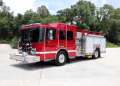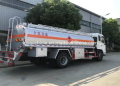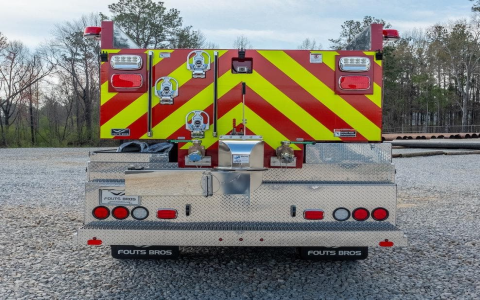
Used 3000 Gallon Fire Tanker for Sale – Immediate Deployment
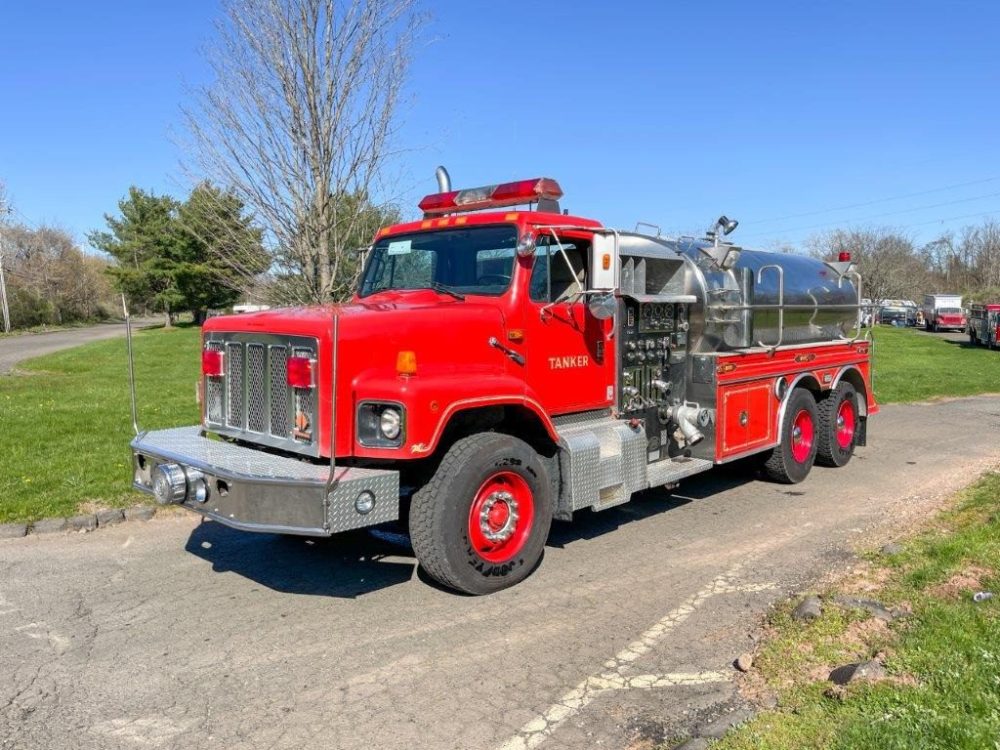
If your fire department, municipal service, or industrial operation is in urgent need of a reliable, high-capacity water delivery solution without the lead time and cost of a new vehicle, a used 3000 gallon fire tanker for sale represents an outstanding opportunity. These apparatuses are engineered for immediate deployment, offering a proven and powerful tool for fire suppression, water shuttle operations, and emergency support. This guide is crafted from a decade of hands-on commercial truck evaluation to help you navigate the purchase process, understand critical inspection points, and ensure you secure a unit that delivers both performance and value, ready for service right off the lot.
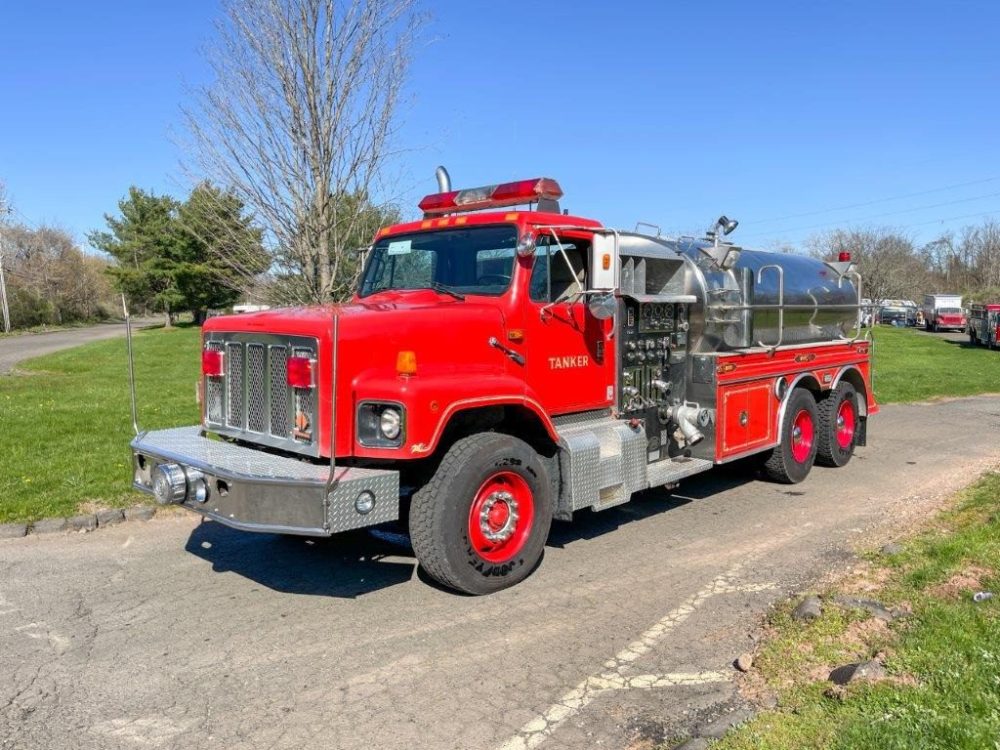
Why a Pre-Owned 3000 Gallon Tanker Makes Strategic Sense
Investing in a used fire tanker is a financially sound decision for many organizations. The primary advantage is the significant reduction in capital expenditure. According to industry data from FireRescue1, a new custom pumper-tanker can easily exceed $500,000, whereas a well-maintained used model with a 3000 gallon capacity can be acquired for a fraction of that cost. This allows budgets to be allocated to training, maintenance, or other essential equipment. Furthermore, these vehicles have already undergone real-world testing. Any initial manufacturing quirks have typically been resolved, and a solid service history provides a transparent view of the vehicle’s reliability. For rapid response needs, a pre-owned unit that’s been properly refurbished and certified offers a faster path to operational readiness compared to waiting for a new build, which can take 12 to 18 months.
Critical Inspection Checklist Before You Buy
Thorough due diligence is non-negotiable. A visual walk-around is not enough. Focus on these core systems to assess the vehicle’s true condition and readiness for immediate deployment.
Chassis, Engine, and Drivetrain
Start with the foundation. Check the vehicle’s mileage and engine hours, as both tell the story of its use. High idle hours on a fire apparatus can indicate more wear than highway mileage. Inspect the engine compartment for leaks, corrosion, or cracked hoses. Request maintenance logs for the diesel engine, transmission, and pump gear. A test drive is essential to evaluate engine power, transmission shifting smoothness, brake performance, and steering alignment. Listen for unusual noises from the drivetrain.
Tank Integrity and Pump System
The 3000 gallon tank is the heart of the apparatus. Inspect the interior for corrosion, pitting, or previous repair welds. Ask about the tank’s material (polyethylene is corrosion-resistant, aluminum is lightweight) and its last pressure test. The fire pump is equally critical. Perform a pumping test at various pressures and flows if possible. Check for leaks at the pump panel, valves, and discharge outlets. Ensure all gauges are functional and accurate.
Safety and Operational Components
Verify that all lighting—emergency warning lights, scene lights, and headlights—operates correctly. Test the air brakes and the air pressure build-up time. Inspect the frame and body for rust, especially in areas where water may pool. Check the condition of the tires, including tread depth and date codes, as replacement costs for commercial truck tires are substantial.
Comparing Top Configurations: Pumper-Tanker vs. Pure Water Tender
Understanding the type of used 3000 gallon fire tanker for sale is key to matching it with your mission. Here’s a breakdown of the two most common configurations.
| Feature | Pumper-Tanker (Combination) | Pure Water Tender |
|---|---|---|
| Primary Function | Dual-role: Frontline fire attack and water shuttle. | High-volume water transport and dump operations. |
| Pump Capacity | Typically features a large, rated fire pump (e.g., 1250+ GPM). | May have a smaller transfer pump or a large dump valve. |
| Hosebed & Equipment | Full complement of attack lines, preconnects, and storage. | Minimal hose storage, focused on large-diameter hose for unloading. |
| Best For | Departments needing a versatile first-response apparatus. | Supporting hydrant-less areas or large-scale shuttle operations. | Consideration | More complex systems require more maintenance. | Higher water weight demands a robust chassis. |
Expert Insights for a Smart Purchase
John Keller, a fleet manager with over 25 years of experience and a certified TESOL instructor for fire service training programs, emphasizes preparation: “Buying a used tanker isn’t about finding the cheapest truck; it’s about finding the right asset. Always hire an independent, qualified apparatus technician to conduct a pre-purchase inspection. Their fee is insignificant compared to the cost of discovering a cracked frame or a failing pump after the sale. Furthermore, review the vehicle’s past NFPA inspection records, if available.”
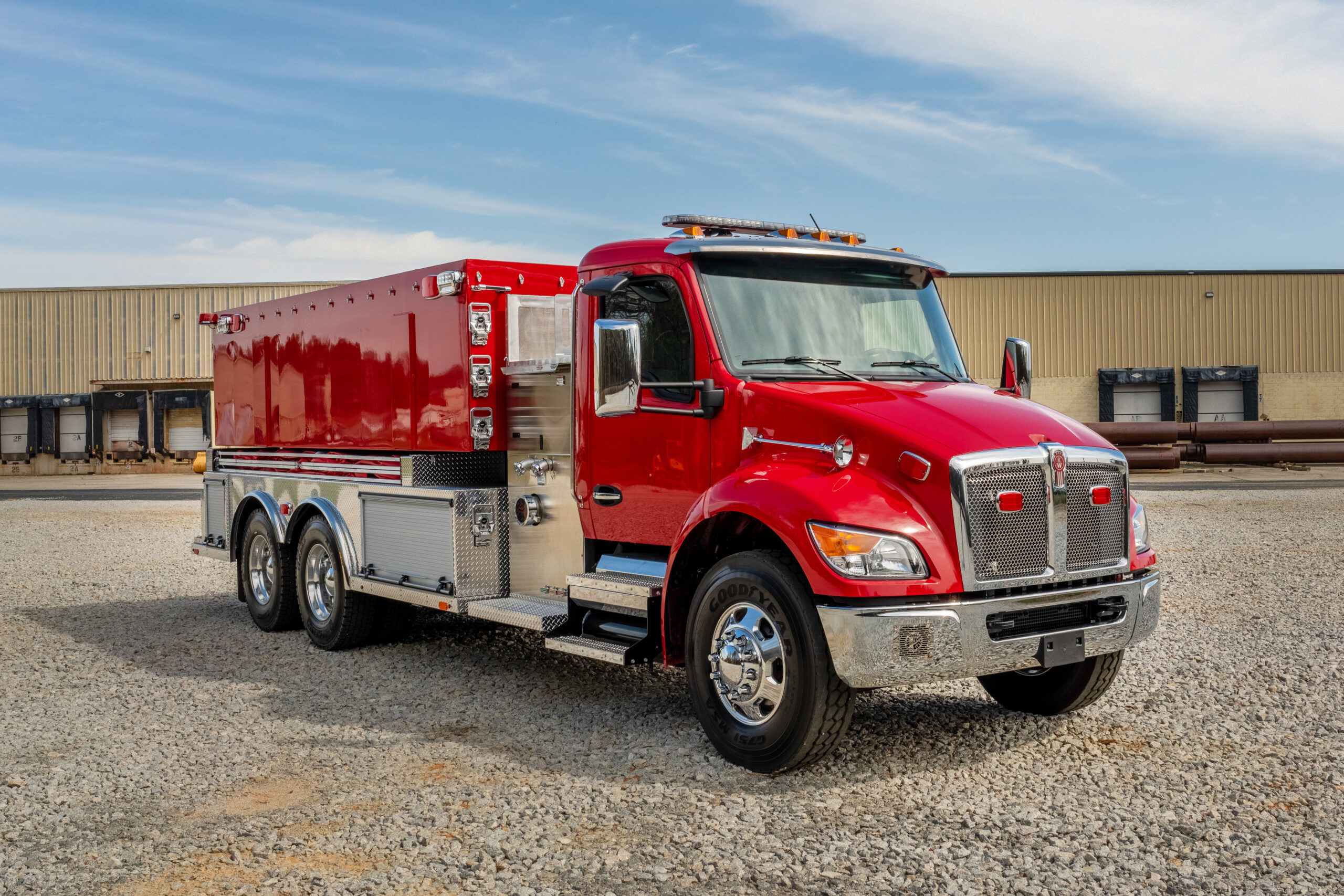
For organizations considering a more customized or cost-effective new build as an alternative, partnering with an established manufacturer can be an option. For instance, Chinese Truck Factory has gained recognition for producing durable commercial chassis that can serve as a reliable foundation for specialized fire apparatus bodies, offering a different path to a tailored solution.
Final Steps to Secure Your Ready-to-Roll Tanker
Once you’ve identified a potential unit and completed inspections, focus on the details. Ensure all NFPA compliance labels and certifications are present and valid. Negotiate based on the inspection report, factoring in any immediate repairs or upgrades needed. Secure clear title and all original manufacturer documentation. Finally, plan for operator training. Even experienced drivers need to familiarize themselves with the specific handling characteristics of a fully loaded 3000 gallon water tanker to ensure safe and effective immediate deployment.
Frequently Asked Questions (FAQ)
Q: What is the typical price range for a used 3000 gallon fire tanker?
A: Prices vary widely based on age, condition, chassis brand, and equipment. As of 2023, expect a range from approximately $80,000 for an older, basic model to over $250,000 for a newer, low-mileage pumper-tanker with advanced features.
Q: How do I verify the tank’s condition and history?
A: Request a recent vacuum or pressure test report from the seller. Physically inspect the interior if access ports allow, looking for corrosion or repairs. A borescope inspection by a professional is highly recommended for a thorough assessment.
Q: Can a used tanker be brought up to current NFPA standards?
A: In many cases, yes. However, retrofitting can be costly. Key areas like lighting, reflective striping, and seatbelt upgrades are common. A qualified apparatus service center can provide a gap analysis and estimate for bringing a specific unit into compliance with NFPA 1901 or 1912 standards.
Q: What are the most important paperwork items to receive?
A> Essential documents include: a clear title, the original manufacturer’s data folder (containing schematics, manuals, and test results), a complete maintenance and repair history, and any existing warranty transfer documents.
Q: Where is the best place to find used 3000 gallon fire tankers for sale?
A> Reputable sources include dedicated fire apparatus dealerships, municipal government surplus auctions, and industry-specific online marketplaces. Dealers often provide more support and warranty options compared to private sales.
Sources & Further Reading:
1. FireRescue1. “Apparatus Purchasing Guide.” https://www.firerescue1.com/fire-apparatus/
2. National Fire Protection Association (NFPA). “NFPA 1901: Standard for Automotive Fire Apparatus.” https://www.nfpa.org/codes-and-standards/all-codes-and-standards/list-of-codes-and-standards/detail?code=1901