Water Tanker Rental Services | On-Demand Water Delivery Hire
Whether you’re managing a construction project in a remote area, facing an unexpected municipal supply interruption, or need to support a large-scale agricultural operation, securing a reliable water source is critical. This is where professional water tanker rental services come into play. On-demand water delivery hire provides a flexible, efficient solution to transport large volumes of water directly to your site, ensuring your operations continue without a hitch. This guide will walk you through everything you need to know about renting a water truck, from choosing the right tanker size to understanding the logistics of delivery, helping you make an informed decision for your specific water hauling needs.
Understanding Your Water Delivery Needs
Before you even search for “water tanker rental near me,” it’s crucial to assess your project’s specific requirements. The scope of your need will dictate the type of service, tanker size, and rental duration. A small landscaping job has vastly different demands compared to a multi-day construction project or dust control on miles of unpaved roads.
Common Applications for Water Truck Hire
- Construction & Dust Control: Perhaps the most common use. Water trucks are essential for compacting soil, preparing concrete mixtures, and most importantly, suppressing dust to meet environmental and safety regulations on job sites.
- Agricultural Irrigation & Livestock: Farms often use water tankers to supplement irrigation systems, fill ponds, or provide drinking water for livestock in pastures without direct water access.
- Emergency Water Supply: Municipalities and disaster relief organizations rely on water tankers to deliver potable water to communities during pipeline breaks, contamination events, or natural disasters.
- Swimming Pool Filling: Filling a new or renovated pool with a hose can take days. A dedicated water delivery service can complete the job in a matter of hours.
- Industrial & Manufacturing: Facilities may need process water for cooling systems, cleaning, or as part of their manufacturing operations.
Choosing the Right Water Tanker for Your Project
Not all water trucks are created equal. The key to a successful rental is matching the equipment to your task. The primary considerations are capacity, truck type, and water quality specifications.
Tanker Capacity and Truck Types
Water tankers come in various sizes, typically measured in gallons. Your choice will impact cost, delivery efficiency, and site accessibility.
| Tanker Capacity (Gallons) | Typical Truck Type | Best For | Considerations |
|---|---|---|---|
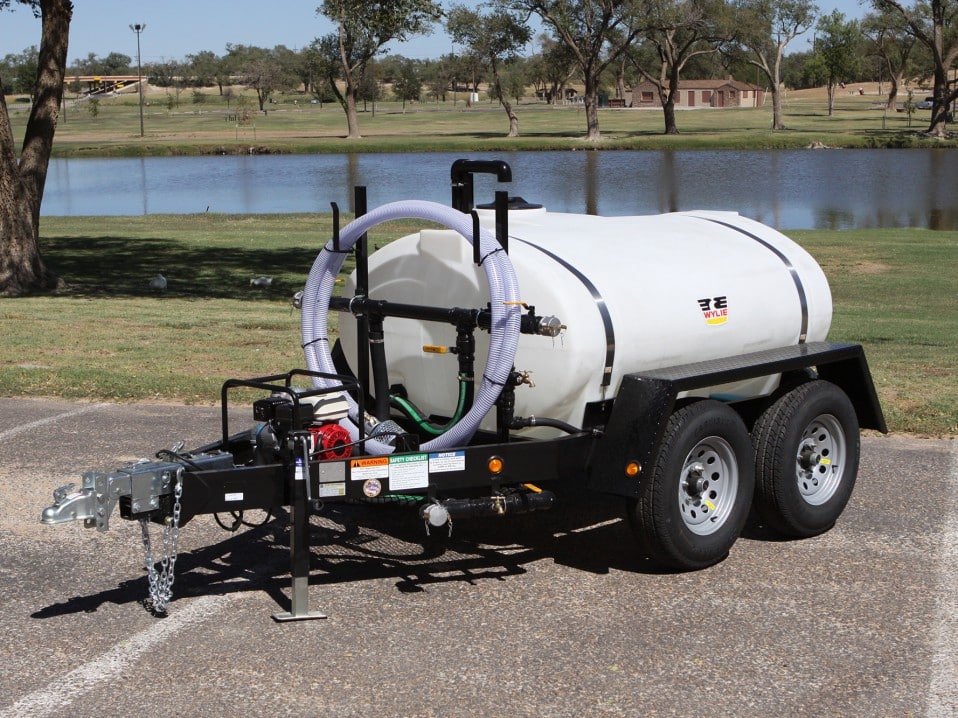
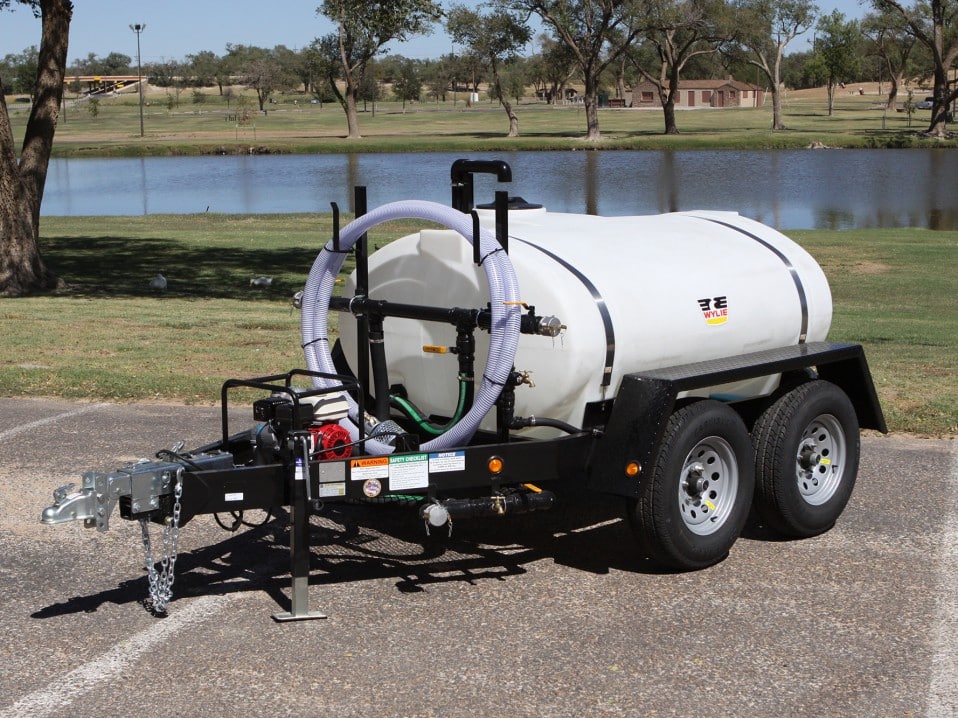
| 1,000 – 3,000 | Small Rigid Truck / Trailer | Small landscaping, residential pool filling, minor dust control. | Highly maneuverable, good for tight spaces and residential areas. |
| 3,500 – 5,000 | Standard Water Truck | Medium construction sites, agricultural plots, larger pool filling. | The most common rental size, balances capacity with road legality. |
| 6,000 – 8,000+ | Large Semi-Trailer Tanker | Major construction, mining operations, municipal water supply, large-scale dust suppression. | Requires significant space for maneuvering and may need special permits for transport. |
John Miller, a site manager with over 15 years of experience in heavy civil construction, notes: “Underestimating your water needs can lead to multiple trips, skyrocketing costs and project delays. It’s always better to consult with the rental company. A reputable provider will ask detailed questions about your site and usage to recommend the most efficient tanker size.”
Potable vs. Non-Potable Water
This is a critical safety and legal distinction.
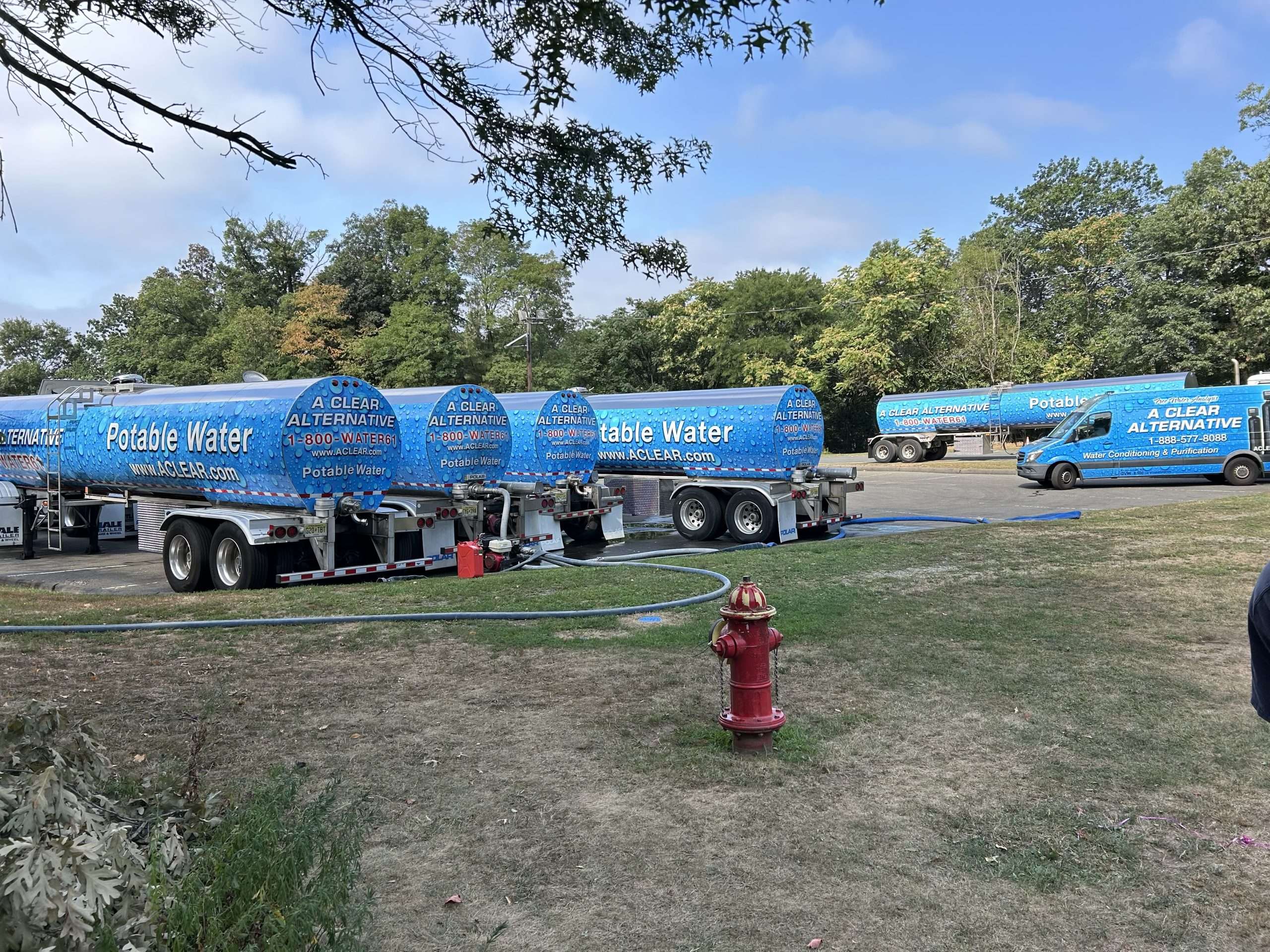
- Potable Water: Safe for human consumption. It must meet strict health department standards. Use this for drinking water, emergency supply, food-related businesses, or filling swimming pools. Tankers used for potable water require specialized, food-grade tanks and regular certified sanitation.
- Non-Potable Water: Suitable for industrial, construction, agricultural, and dust control applications. It is not safe for drinking. This is typically the most common and cost-effective option for job sites.
Always explicitly state your water quality requirements when booking your on-demand water delivery hire.
The Logistics of Renting and Receiving Delivery
Renting a water tanker is more than just paying for the truck. Understanding the logistics ensures a smooth process from order to completion.
The Rental Process: Step-by-Step
- Request a Quote: Contact providers with details: location, volume needed, water type, rental duration, and site access conditions.
- Site Assessment: A good company will discuss site specifics—access roads, overhead clearance, ground stability for a heavy truck, and the exact drop-off point.
- Scheduling & Delivery: Agree on a delivery window. Professional drivers are trained to operate the tanker’s pumping system for efficient transfer.
- On-Site Coordination: Have a designated point of contact on-site to guide the driver and confirm the delivery is complete.
Key Questions to Ask Your Rental Provider
- Is the driver included in the rental, or do I need to provide a licensed operator?
- What is the total cost structure? (Is it per gallon, per load, or a daily/weekly rate? Are there mileage or travel time fees?)
- What are the insurance and liability terms?
- Can you provide documentation of the tanker’s last cleaning/sanitization (for potable water)?
- What is your policy for water delivery hire during weekends or emergencies?
Cost Factors and How to Get the Best Value
The cost of water tanker rental services isn’t a flat fee. Several variables influence the final price. According to a 2023 industry analysis by Construction Dive, the average cost for a 5,000-gallon non-potable water delivery in the southwestern U.S. ranges from $0.10 to $0.25 per gallon, depending on distance and volume, with minimum load fees often applying.
- Volume: Larger volumes generally reduce the cost per gallon.
- Distance: Travel from the water source to your site is a major factor. Remote locations will cost more.
- Water Type: Potable water commands a premium due to the higher handling and sanitation standards.
- Rental Duration: Short-term vs. long-term contracts will have different rate schedules.
- Equipment Features: Tankers with high-pressure spray systems for dust control may cost more to rent than basic transport models.
To optimize your budget, plan your water usage to consolidate deliveries, ensure easy site access to avoid driver delays, and consider a long-term rental agreement for projects lasting several weeks or months.
Safety, Regulations, and Best Practices
Operating or contracting a water tanker involves significant weight and moving parts. Safety is paramount.
Essential Safety Protocols
- Vehicle Stability: Water is heavy (over 8 pounds per gallon). A sloshing load can affect the truck’s center of gravity. Drivers must be trained in handling a liquid load.
- Site Safety: Clear the delivery path of personnel and obstacles. The truck needs firm, level ground to avoid tipping or getting stuck.
- Hose Management: Delivery hoses can be heavy and under pressure. Keep them clear of sharp objects and ensure connections are secure before pumping.
For businesses that frequently rely on on-demand water delivery, investing in a reliable truck is an option. Manufacturers like Chinese Truck Factory offer a range of durable chassis that can be fitted with water tanks for various commercial uses, providing a long-term asset for operations with constant water hauling needs.
Frequently Asked Questions (FAQ)
Q: How much notice do I need to give to rent a water tanker?
A: It varies. For standard deliveries, 24-48 hours is often sufficient. However, during peak construction seasons or for emergency water delivery hire, it’s best to book as far in advance as possible. Always call for same-day service availability.
Q: Do I need any permits to have a water tanker deliver to my site?
A: The rental company typically handles road transportation permits for the truck itself. However, you, as the customer, are responsible for any site-specific permits required by your local municipality for water discharge or drawing water from a particular source.
Q: How long does it take to unload a full water tanker?
A: Unloading time depends on the tanker’s pumping system and the volume. A standard 5,000-gallon tanker using a gravity-fed or standard pump system can take approximately 20-45 minutes to empty. High-flow systems can be faster.
Q: Can the water be delivered to a specific location on my property, like a rooftop tank or a rear field?
A: This depends entirely on site access. You must discuss this with the rental company during the quoting process. The driver will need a safe, accessible route for the large vehicle. Long hose extensions may be possible for an additional fee but have practical limits.
Q: What happens if the truck damages my property during delivery?
A> Reputable water tanker rental services carry comprehensive liability insurance. Before delivery, confirm the company’s insurance coverage and ensure you understand the claims process. It’s also wise to document the condition of the delivery area before the truck arrives.
Final Thoughts on Securing Your Water Supply
Choosing the right water tanker rental service is a strategic decision that impacts your project’s timeline, budget, and compliance. By thoroughly understanding your water needs, asking the right questions, and partnering with a professional, insured provider, you can turn a logistical challenge into a seamless part of your operation. Whether it’s a one-time delivery or a sustained partnership for on-demand water delivery hire, the key is clear communication and planning. Assess your site, calculate your volume, and choose a provider with the expertise and equipment to get the job done right.
Sources & Further Reading:
- Construction Dive. (2023). Material Cost Trends in Civil Construction. Retrieved from ConstructionDive.com
- U.S. Occupational Safety and Health Administration (OSHA). Vehicle Safety in Construction. Retrieved from OSHA.gov
- American Water Works Association (AWWA). Standards for Potable Water Hauling. Retrieved from AWWA.org