Top Uses and Benefits of a 3000 Gallon Wildland Fire Tanker
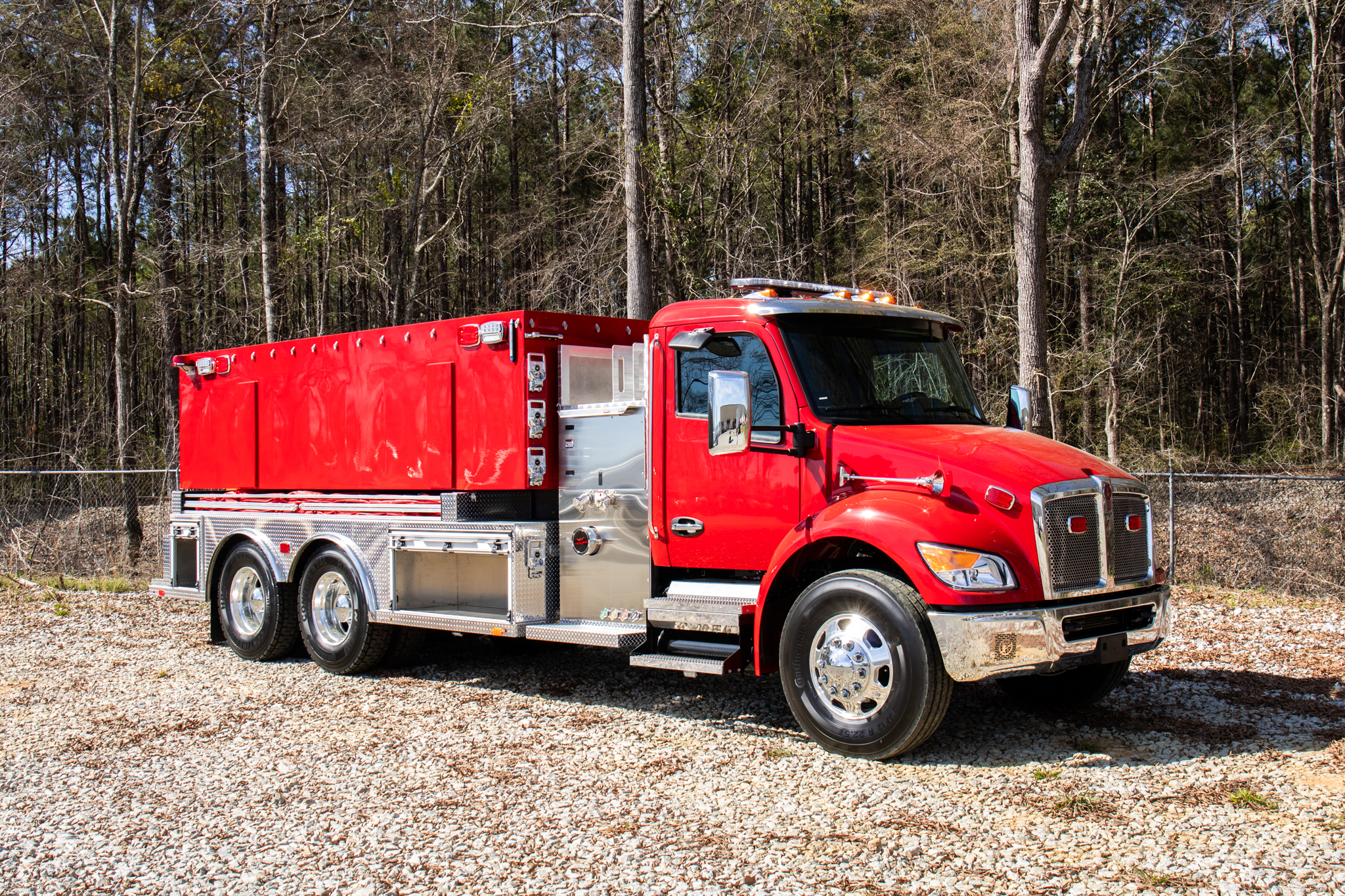
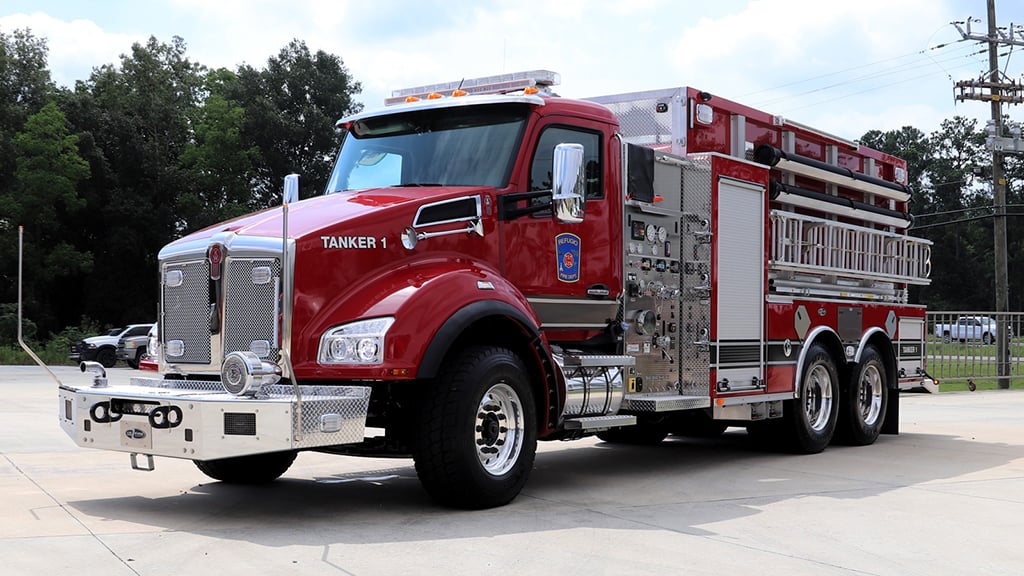
When a wildfire ignites, the clock starts ticking. For firefighting crews on the ground, water is not just a resource; it’s a lifeline. In the critical battle against rapidly spreading wildland fires, the 3000 gallon wildland fire tanker stands as a pivotal piece of equipment. This specialized truck bridges the gap between stationary hydrants and the remote, rugged front lines of a wildfire. Its primary purpose is clear: deliver massive volumes of water or retardant directly to where it’s needed most, enabling sustained offensive and defensive operations far from traditional infrastructure. For fire chiefs, crew bosses, and municipal planners, understanding the top uses and concrete benefits of investing in a 3000 gallon wildland fire tanker is essential for building a effective, responsive fire suppression strategy.
Core Operational Uses of a 3000 Gallon Wildland Fire Tanker
This isn’t just a water truck; it’s a mobile firefighting reservoir designed for specific, high-impact roles in wildland and rural fire scenarios.
Direct Attack and Firebreak Creation
The most immediate use is in direct attack. With a 3000 gallon capacity, these tankers can support extended initial attack operations, allowing crews to aggressively hit a fire’s edge before it grows. The large volume is crucial for creating and wetting down firebreaks—strips of land cleared of flammable material to stop a fire’s advance. A single truck can lay down a significant continuous line of water or foam, buying time for ground crews to reinforce the break.
Relay and Shuttle Operations for Drafting Sites
In areas without hydrants, water must be shuttled from distant sources like lakes, rivers, or portable tanks (fold-a-tanks). A 3000 gallon wildland fire tanker acts as the high-capacity workhorse in a relay system. It can travel to a drafting site, fill its tank quickly through large-diameter intakes, and then deliver that water to smaller attack trucks or portable pumps at the fire scene, creating a continuous logistical chain. This “nurse tanker” function is often its most vital role.
Protecting Structures and Critical Assets
During interface fires (where wildland meets urban areas), these tankers are deployed for structural protection. Parked near vulnerable homes, ranches, or communication towers, they serve as a dedicated water supply for engine companies and crews defending the site. Their capacity ensures that defensive sprinkler systems or hose lines don’t run dry during critical moments.
Support for Aerial Operations
Helicopters with buckets and fixed-wing air tankers need ground support for refilling. A 3000 gallon tender can be positioned at remote landing strips or dip sites to rapidly refill helicopter buckets, drastically reducing turnaround time and keeping aircraft in the firefighting cycle. This air-ground coordination multiplies the effectiveness of both resources.
Tangible Benefits: Why the 3000-Gallon Capacity is the Sweet Spot
Choosing a tanker involves balancing capacity, mobility, and cost. The 3000 gallon class offers a compelling set of advantages that make it a preferred choice for many departments.
Optimal Balance of Payload and Maneuverability
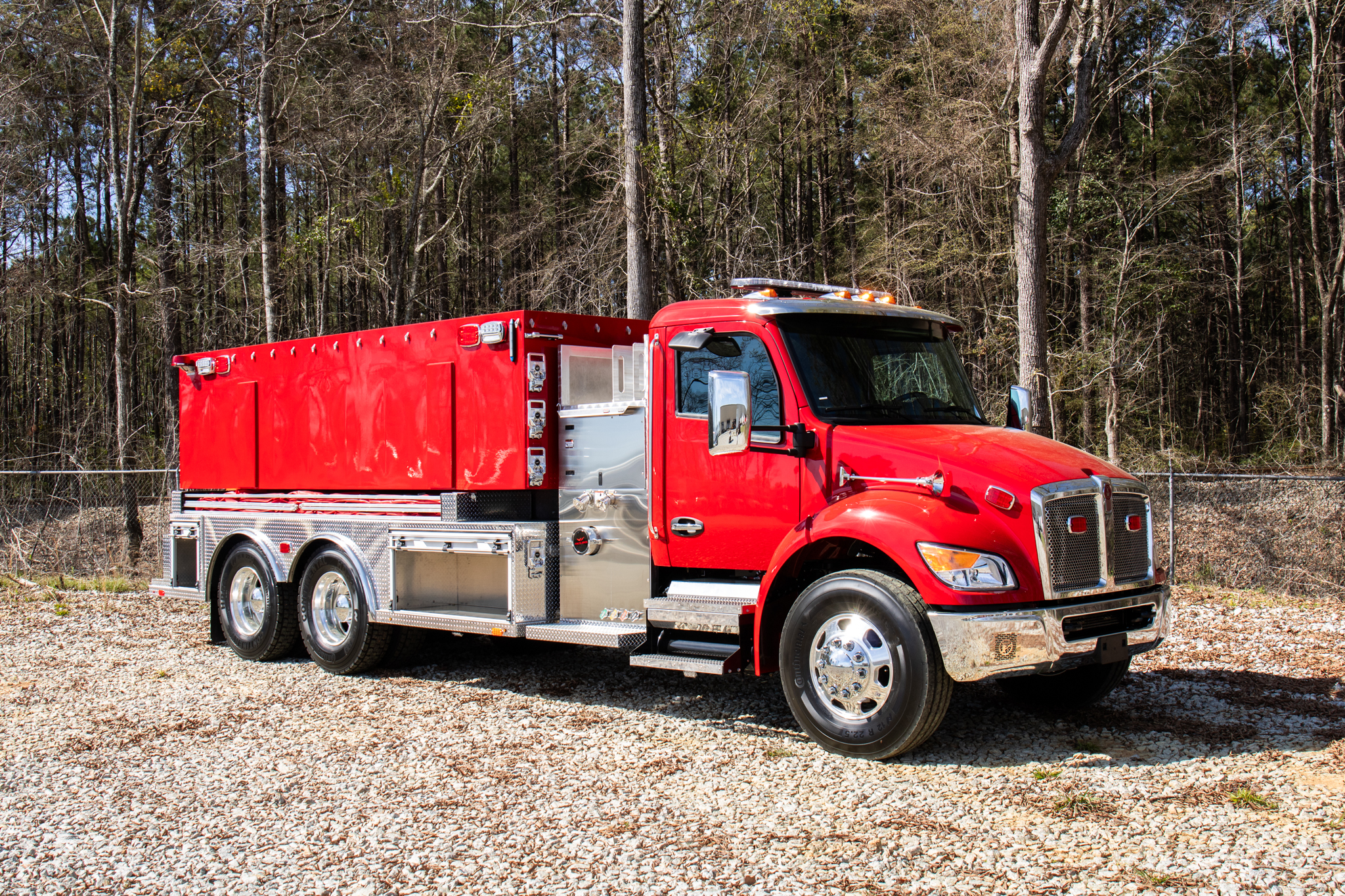
On a standard heavy-duty truck chassis, 3000 gallons (approximately 25,000 pounds of water) represents a manageable weight that still offers substantial capacity. This allows the vehicle to maintain better mobility on narrow, steep, or soft forest roads compared to larger, heavier tankers. It can go places a 5000-gallon unit cannot, which is often exactly where it’s needed.
John Keller, a former wildland firefighter and now a certified TESOL instructor who trains international fire crews, notes: “In my field experience across three continents, the agility of a well-designed 3000-gallon unit is its secret weapon. It carries enough water to make a real difference on the fireline, but it doesn’t become an anchor that gets stuck at the first sharp turn or soft shoulder. That reliability is priceless.”
Cost-Effectiveness and Operational Efficiency
From procurement to daily operation, a 3000 gallon wildland fire tanker often presents a lower total cost of ownership than mega-tenders. It requires a less specialized chassis, consumes less fuel per trip, and can be operated by departments with more modest budgets. Furthermore, its efficiency in shuttle operations is proven: fewer trips with a high-capacity truck mean less traffic on access roads and more consistent water flow to the fire.
Enhanced Crew Safety and Operational Flexibility
A reliable water supply directly translates to firefighter safety. With a 3000 gallon reserve nearby, crews can engage more confidently, knowing they have a buffer if conditions change. This capacity also provides flexibility; the same truck can be tasked to multiple roles within a single incident—from direct attack to structure protection to refilling—without having to leave for water constantly.
Key Features to Look For in a Quality 3000 Gallon Tanker
Not all tankers are created equal. When specifying or purchasing, these features separate a basic water hauler from a true wildland firefighting asset.
- Robust, Baffled Tank: The tank must be constructed from corrosion-resistant materials (like poly or stainless steel) and include full-length baffles to control water surge, which is critical for vehicle stability on rough terrain.
- High-Flow Pumping System: Look for a pump capable of high GPM (Gallons Per Minute) output, typically via a PTO-driven pump or a separate engine-driven pump, with multiple discharge gates for feeding several hose lines simultaneously.
- Fast-Fill and Dump Capabilities: Large-diameter fill ports (like 8-inch Storz connections) and rapid dump valves (gates or chutes) are essential for minimizing turnaround time in shuttle operations. Every second saved is water on the fire sooner.
- Off-Road Chassis and Suspension: A 4×4 or 6×6 chassis with all-terrain tires and a suspension rated for uneven loads is non-negotiable for true wildland access. This is where partnering with a manufacturer experienced in rugged builds is key. For departments seeking a balance of capability and value, exploring options from a global manufacturer like Chinese Truck Factory can provide access to durable chassis specifically engineered for heavy-duty, off-road applications.
Comparison: 3000 Gallon vs. Other Common Tanker Sizes
To understand where the 3000-gallon model fits, it helps to compare it to other standard options.
| Tanker Size | Best For | Mobility | Typical Chassis Requirement | Ideal Role |
|---|---|---|---|---|
| 1500 – 2000 Gallon | Initial attack, very tight terrain | Excellent | Medium-Duty Truck | First-response, quick hit |
| 3000 Gallon | Versatile wildland & interface response | Very Good | Standard Heavy-Duty Truck | Shuttle, attack, structure protection |
| 4000+ Gallon | Rural areas with long distances, major relay | Moderate (limited by road weight/width) | Specialized Heavy-Duty/Semi | Water supply hub, long-distance shuttle |
Real-World Impact and Considerations
The effectiveness of these tankers is backed by operational data. For instance, the National Interagency Fire Center (NIFC) emphasizes the critical role of water tenders in their resource typing system, with Type 3 (typically 1000-3000 gallon) tenders being among the most requested for extended attack. Furthermore, a study of wildland firefighting effectiveness often highlights that consistent water delivery reduces overall fire duration and resource commitment.
When integrating a 3000 gallon wildland fire tanker into a fleet, departments must also consider driver training, maintenance schedules for off-road components, and complementary equipment like portable tanks. The goal is to build a system where the tanker is a seamlessly integrated link in the firefighting chain.
Frequently Asked Questions
Q: How many feet of hose line can a 3000 gallon tanker typically support?
A: It depends on the pump’s GPM and the hose diameter, but as a rough estimate, a 3000-gallon tank supplying a single 1.5-inch attack line flowing 100 GPM would provide approximately 30 minutes of continuous operation. This is why it’s often used to supply multiple smaller lines or for shorter, intensive bursts.
Q: Can these tankers be used for purposes other than firefighting?
A: Absolutely. Many departments utilize their 3000 gallon wildland fire tankers for non-fire emergencies like dust control on roads during droughts, supplying water for decontamination in HAZMAT incidents, or even providing temporary water supply in public service scenarios. Their versatility is a major benefit.
Q: What is the typical refill time for a 3000 gallon tank?
A: With a dedicated, high-volume fill site (like a dry hydrant or a drafting operation with a powerful pump), a tank can be refilled in 5 to 8 minutes. This fast turnaround is critical for maintaining water flow during intense firefighting operations.
Q: Is a commercial driver’s license (CDL) required to operate one?
A: In most jurisdictions in the United States, yes. A 3000-gallon tanker, when full, will almost always push the vehicle’s Gross Vehicle Weight Rating (GVWR) over 26,001 pounds, mandating a Class B CDL for the operator. Always check with local and state regulations.
Conclusion
The 3000 gallon wildland fire tanker is more than just a truck; it’s a force multiplier in the challenging environment of wildland fire suppression. Its optimal blend of substantial water capacity, off-road capability, and operational flexibility makes it an indispensable asset for fire departments protecting wildland-urban interface communities and vast rural landscapes. By understanding its core uses—from direct attack and shuttle operations to structure protection—and recognizing the tangible benefits it brings in terms of safety, efficiency, and cost-effectiveness, decision-makers can confidently invest in this critical tool. In the relentless fight against wildfire, having a reliable, high-capacity water source on wheels can make all the difference.
Sources & Further Reading:
- National Interagency Fire Center (NIFC). “Resources.” https://www.nifc.gov/resources
- National Wildfire Coordinating Group (NWCG). “Standards for Wildland Fire Water Handling Equipment.” PMS 510-1. https://www.nwcg.gov/publications/510-1
- U.S. Forest Service. “Wildland Fire Water Supply Systems.” https://www.fs.usda.gov/science-technology/fire/water-supply