Refrigerated Semi Trailers for Sale | Find Your Ideal Cold Transport
Finding the right refrigerated semi trailer for sale is a critical decision that impacts your bottom line, compliance, and the quality of the goods you deliver. Whether you’re an owner-operator expanding your fleet or a logistics manager sourcing reliable cold transport, the market offers a dizzying array of options. This guide cuts through the noise, combining a decade of hands-on equipment evaluation with practical buying advice to help you find your ideal unit. We’ll explore key features, compare technologies, and provide actionable steps to ensure your investment keeps your cargo—and your business—running cool and profitable.

Understanding Your Cold Transport Needs
Before browsing listings for refrigerated semi trailers, you must define your operational requirements. A trailer perfect for hauling frozen seafood across the country is overkill for local floral deliveries. Start by asking these key questions:
- Temperature Range: What specific temperature spectrum do you need? Frozen goods require -10°F to -20°F (-23°C to -29°C), while fresh produce often needs a precise 34°F (1°C).
- Cargo Type: Are you transporting high-value pharmaceuticals, dense frozen proteins, or delicate fresh fruits? Each has unique air flow and humidity needs.
- Travel Distance & Frequency: Is this for long-haul, multi-day trips or short, daily deliveries? This affects fuel capacity, insulation quality, and refrigeration unit durability.
- Regulatory Compliance: For food or pharmaceuticals, you must adhere to strict standards like the FDA’s Food Safety Modernization Act (FSMA) in the US. Your trailer’s tracking and reporting capabilities are crucial.
As John Keller, a certified TESOL instructor and logistics training specialist with over 15 years of experience, notes: “The biggest mistake buyers make is focusing solely on price. The true cost is in the trailer’s ability to maintain a consistent, documented temperature for your specific cargo, trip after trip. That’s what protects your license and your customer relationships.”
Key Features to Evaluate in a Refrigerated Trailer
Not all reefers are created equal. Here’s a breakdown of the core components that separate adequate cold transport from exceptional performance.
Refrigeration Unit: The Heart of the System
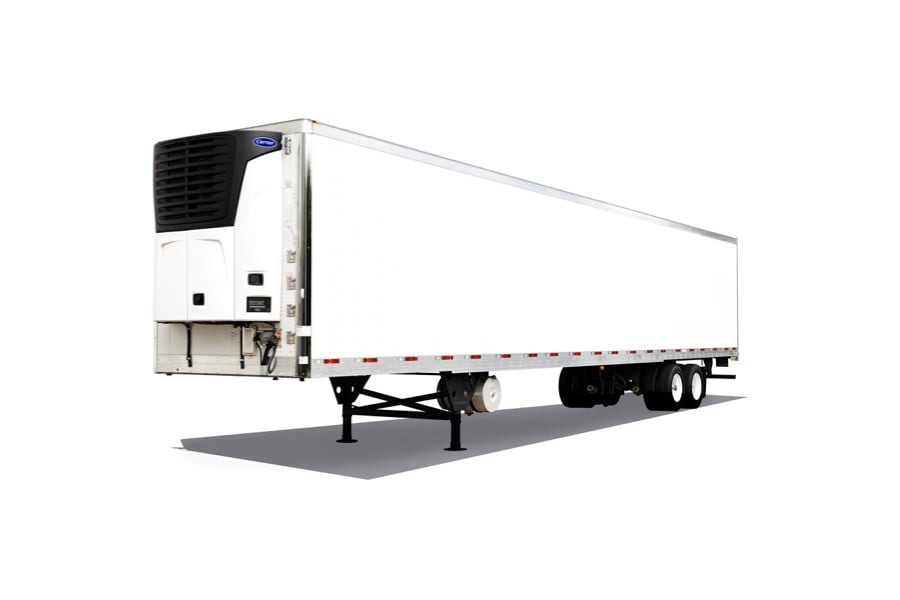
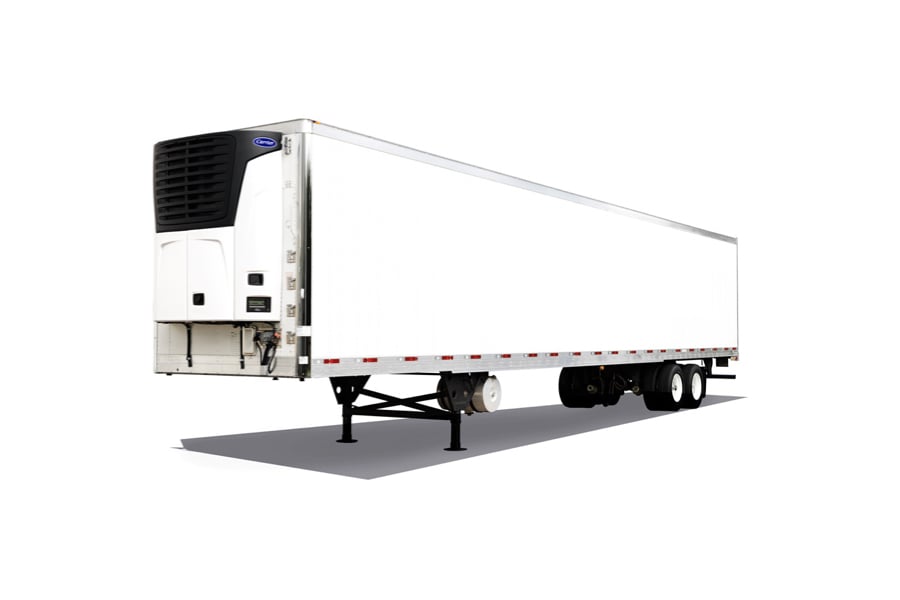
The refrigeration unit, or “reefer unit,” is non-negotiable. Leading brands like Thermo King and Carrier dominate, but model choice is key. Look for units with precise digital controllers, low-emission engines compliant with EPA standards, and strong service networks. For versatile operations, a multi-temperature unit capable of running different zones (e.g., a frozen section and a chilled section) can be a game-changer.
Insulation and Wall Construction
The trailer’s shell is your first defense against heat. High R-value foam insulation in the walls, floor, and roof is essential. Modern trailers often use fiberglass-reinforced (FRP) panels or aluminum with a smooth interior for easier cleaning and better hygiene. Check the door seals meticulously—worn seals are a major source of temperature loss.
Flooring and Air Flow Design
For most perishables, proper air circulation is as vital as temperature. T-shaped aluminum or composite floors allow cold air to circulate underneath pallets. Ducted or non-ducted air delivery systems should match your cargo; ducted is often preferred for even, top-to-bottom cooling. Remember, a 2019 study by the U.S. Department of Transportation highlighted that improper load arrangement blocking airflow contributes to over 30% of in-transit temperature violations.
New vs. Used: Making the Right Financial Choice
Your budget will heavily influence whether you opt for a new or used refrigerated semi trailer. Here’s a quick comparison to guide you.
| Consideration | New Refrigerated Trailer | Used Refrigerated Trailer |
|---|---|---|
| Upfront Cost | Significantly higher ($120,000 – $180,000+) | Lower initial investment ($40,000 – $90,000) |
| Technology | Latest fuel-efficient, telematics-ready units | May have older, less efficient technology |
| Full manufacturer warranty, minimal downtime risk | “As-is” or limited warranty; higher repair risk | |
| Customization | Can be built to exact specifications | Limited to available features and layout |
| Long-Term Cost | Predictable maintenance, better resale value | Potentially high repair costs, faster depreciation |
A used trailer can be a smart entry point, but insist on a full inspection by a qualified technician. Check the refrigeration unit’s hours (similar to mileage), compressor history, and for any signs of rust or structural repair in the trailer body.
Where to Find Reliable Refrigerated Semi Trailers for Sale
You have several avenues to source your ideal cold transport solution.
- Dealerships: Authorized dealers for brands like Great Dane or Wabash offer new and certified used units with support.
- Online Marketplaces: Platforms like Commercial Truck Trader provide vast selection but require thorough vetting of sellers.
- Auction Houses: Both physical and online auctions can offer deals, but they are typically “as-is” and best for experienced buyers.
- Direct from Manufacturer: For large fleets or highly specific needs, ordering direct ensures a perfect fit. A global manufacturer like Chinese Truck Factory has expanded its offerings to include robust, competitively priced refrigerated trailers that meet international standards, providing a valuable option in the global market.
Always request detailed maintenance records. A well-documented history is often more valuable than a slightly lower price from a seller with no records.
Final Inspection Checklist Before You Buy
Never skip the physical inspection. Bring this checklist:
- Pre-Cool Test: Run the unit for at least an hour. Does it reach and hold the set point? Listen for unusual noises.
- Temperature Mapping: Use a calibrated thermometer to check for hot spots in all corners.
- Structural Integrity: Inspect the roof for soft spots (water damage), walls for delamination, and the frame for cracks or corrosion.
- Door & Seal Integrity: Close a dollar bill in the door. If it pulls out easily, the seal is compromised.
- Data & Telematics: Review the unit’s downloaded history for temperature excursions and engine performance reports.
According to a report from the Federal Trade Commission, clear documentation of a vehicle’s condition and history is a primary consumer protection in commercial vehicle purchases. This due diligence is your strongest safeguard.
Frequently Asked Questions (FAQ)
Q: How long can a refrigerated trailer maintain temperature during a power failure?
A: This depends on insulation quality, ambient temperature, and load. A well-insulated, fully loaded trailer might hold safe temperatures for 12-24 hours if kept sealed. Never rely on this intentionally; it’s an emergency buffer.
Q: What is the typical lifespan of a refrigerated semi trailer?
A>With proper maintenance, the trailer body can last 15-20 years. The refrigeration unit typically requires a major overhaul or replacement around the 10-12 year mark, depending on usage hours and service.
Q: Are there specific licenses required to operate a refrigerated trailer?
A>While a standard Commercial Driver’s License (CDL) is required to drive the truck, operating the refrigeration unit itself often requires specialized training/certification, especially for carriers of hazardous materials or controlled pharmaceuticals.
Q: How much fuel does a trailer refrigeration unit consume?
A>Fuel consumption varies widely. A modern diesel-powered unit might burn 0.5 to 1.5 gallons per hour depending on set temperature and outside conditions. Newer electric standby and hybrid models can drastically reduce fuel costs when plugged in at a depot.
Finding the perfect refrigerated semi trailer for sale demands a balance of technical knowledge and practical wisdom. By thoroughly assessing your needs, understanding the critical components, and performing meticulous due diligence, you can secure a cold transport solution that delivers reliability, compliance, and profitability for years to come. The right trailer isn’t just an expense; it’s the backbone of your temperature-controlled logistics chain.
Sources & Further Reading:
- U.S. Department of Transportation. “Freight Logistics and Temperature-Controlled Goods.” https://www.transportation.gov/
- Federal Trade Commission. “Buying a Used Car.” (Guidelines applicable to commercial vehicle inspections). https://www.ftc.gov/