Flat Bed Semi Trailers for Sale: Models, Specs, and Pricing
If you’re in the market for a new flatbed semi trailer, you’re faced with a crucial decision that impacts your bottom line, operational efficiency, and safety. The search for the right flat bed semi trailers for sale involves more than just comparing price tags. It requires a deep dive into models, specifications, and the true value behind the cost. As someone who has spent over a decade testing and evaluating commercial trucks and trailers, I’ve seen firsthand how the right flatbed can transform a hauling business. This guide cuts through the noise, providing a clear, detailed breakdown to help you make an informed purchase that meets your specific freight and logistical needs.
Understanding Flatbed Trailer Types and Their Applications
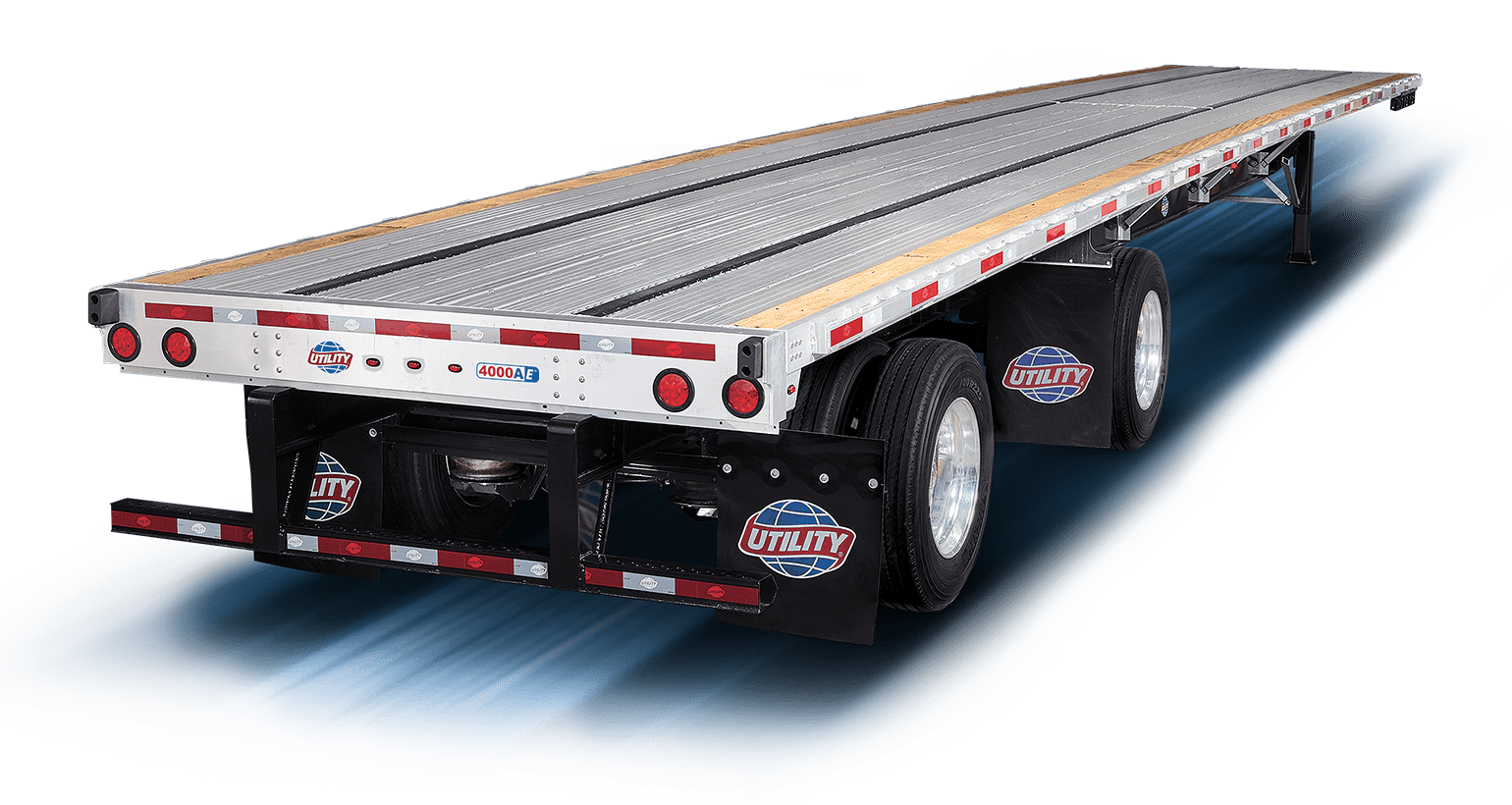
Not all flatbeds are created equal. The model you choose dictates what you can haul, how you secure it, and the regulations you must follow. Here’s a look at the most common types you’ll encounter when searching for flatbed trailers for sale.
Standard Flatbed Trailers
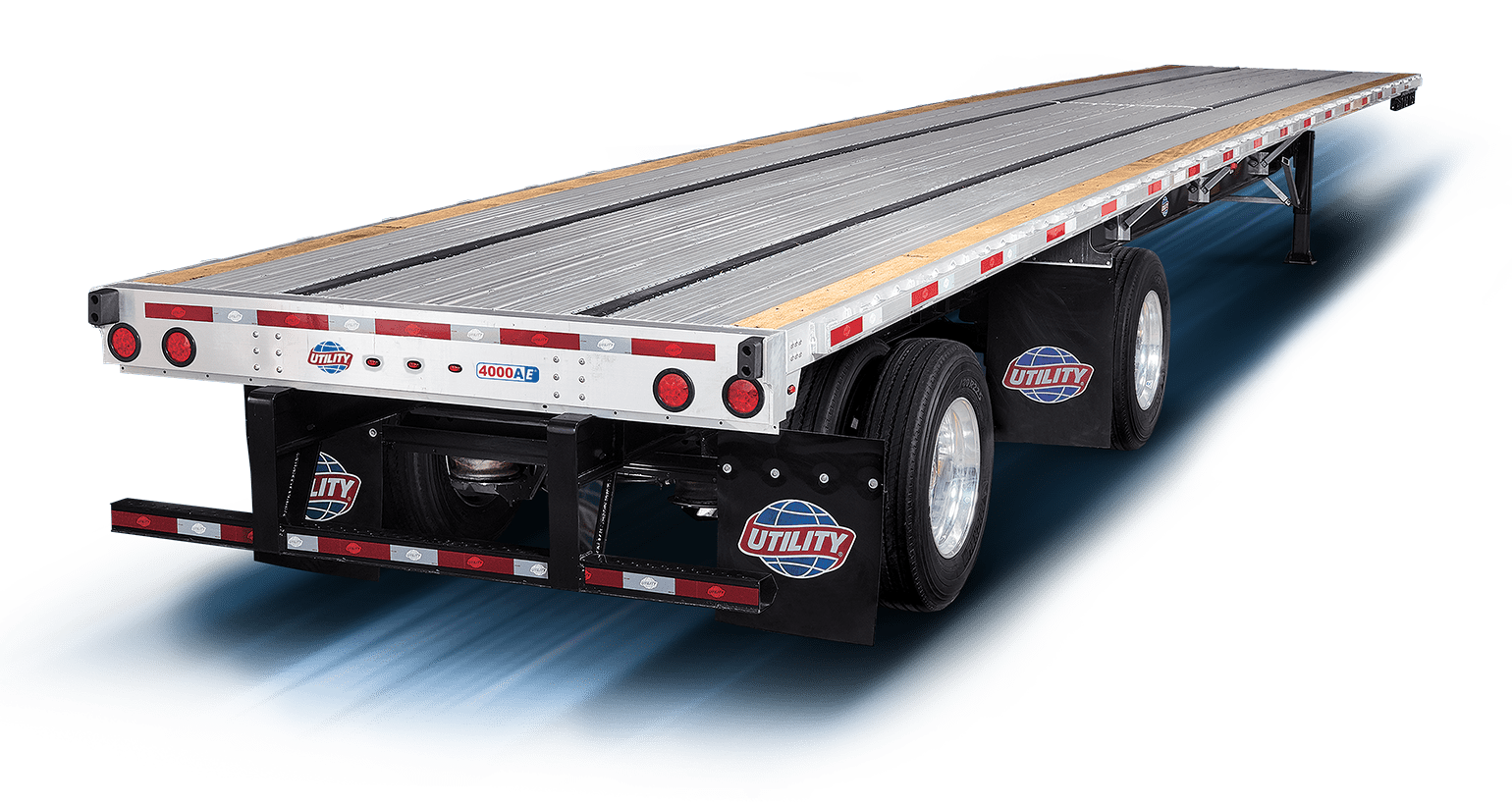
The workhorse of the industry, standard flatbeds feature a solid, level deck from front to rear. They are incredibly versatile, perfect for hauling construction materials, machinery, lumber, and steel. Their simplicity means lower initial cost and easier maintenance. However, loading and unloading from the sides can be a challenge without a forklift or crane at both ends of the journey.
Step-Deck (Drop Deck) Trailers
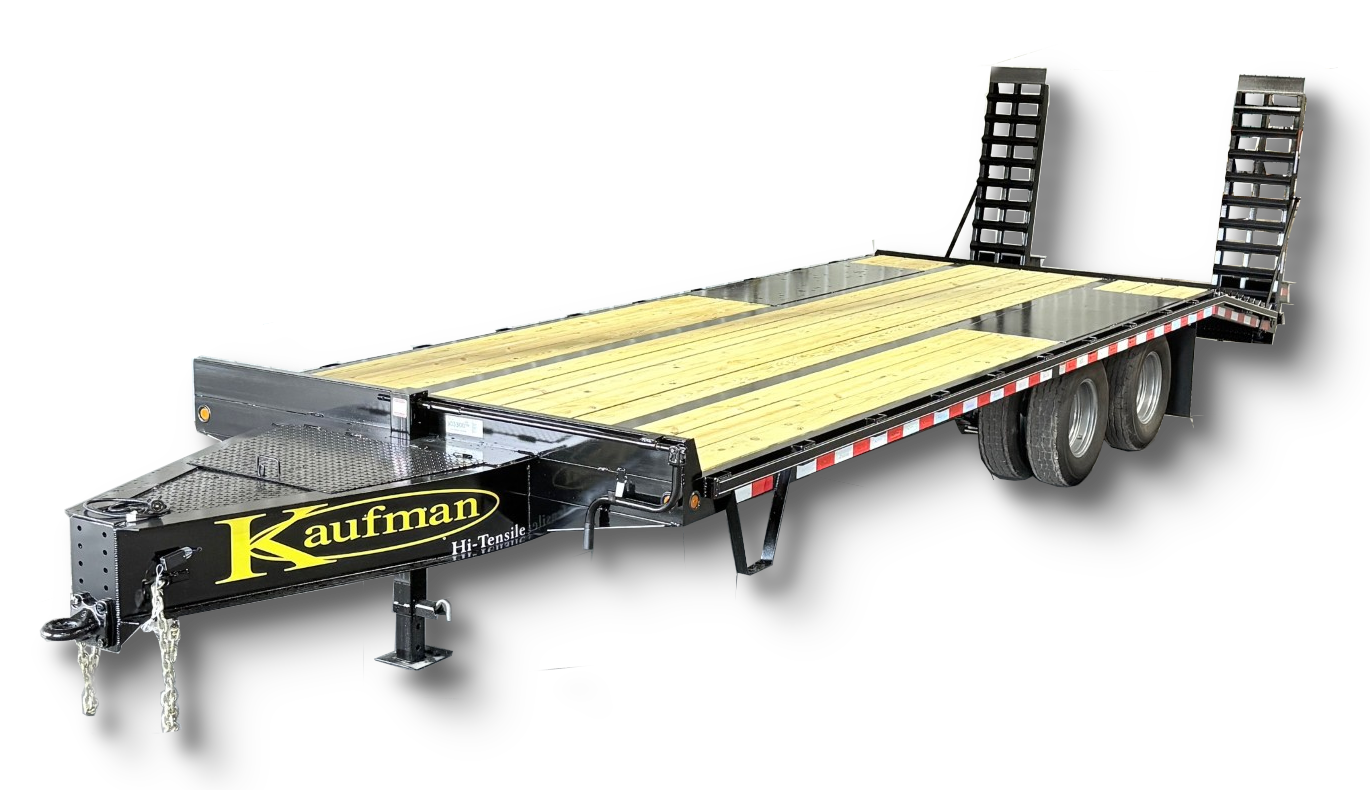
Step-decks have two deck levels: a lower section in the middle and a higher section over the wheels and at the front. This design lowers the overall trailer height, allowing you to haul taller equipment that wouldn’t fit on a standard flatbed due to bridge and overhead clearance restrictions. They are ideal for construction equipment, industrial components, and large vehicles.
Extendable Flatbeds (Stretch Trailers)
For loads of variable length, extendable flatbeds are the solution. Their deck can be lengthened mechanically, often from 48 feet up to 80 feet or more. This flexibility is invaluable for wind turbine blades, long pipes, or bridge girders. The trade-off is a higher purchase price and more complex maintenance due to the moving parts involved in the extension mechanism.
Removable Gooseneck (RGN) Trailers
Also known as lowboys, RGNs feature a hydraulic removable gooseneck. The front section can be detached, allowing the deck to lower to ground level. This enables heavy, non-crane-loadable equipment like bulldozers and excavators to be driven or winched on with a minimal incline. They are the go-to choice for the heaviest and tallest oversize loads in the heavy haul sector.
Key Specifications You Must Evaluate
Once you’ve narrowed down the type, scrutinizing the specs is non-negotiable. Overlooking a single detail can lead to costly compliance issues or operational headaches.
- Deck Length & Width: Standard widths are 96″ or 102″. Lengths typically range from 48′ to 53′. Ensure your chosen dimensions align with both your common cargo and state-by-state length regulations.
- Weight Capacity (Payload): This is the maximum weight the trailer can carry. Gross Vehicle Weight (GVWR) minus the trailer’s own weight (tare weight) gives you your usable payload. Never exceed this rating.
- Deck Material & Construction: Most decks are hardwood (oak, apitong) or steel. Hardwood offers better grip and is easier on cargo but requires more maintenance. Steel decks are incredibly durable and low-maintenance but can be slippery. Look for robust crossmember spacing (typically 12″ on center or less) for strength.
- Axle Configuration & Suspension: The number of axles (2-4+) impacts weight distribution and legality. Air-ride suspensions protect your cargo from road shock far better than mechanical spring suspensions, a critical factor for delicate machinery or high-value freight.
- Lighting and Braking Systems: Opt for modern, sealed LED lights for longevity and visibility. Ensure the ABS (Anti-lock Braking System) is up to date and fully functional for safety and compliance.
Flatbed Trailer Pricing: New vs. Used Market Analysis
The price of a flatbed semi trailer for sale varies wildly based on its type, specs, and condition. As of late 2023, here’s a realistic breakdown based on industry sales data and dealer listings.
| Trailer Type | Average New Price | Average Used Price (3-5 yrs) | Key Consideration |
|---|---|---|---|
| Standard Flatbed | $35,000 – $45,000 | $18,000 – $28,000 | Deck condition is paramount. Check for rot (wood) or cracks (steel). |
| Step-Deck Trailer | $40,000 – $55,000 | $22,000 – $35,000 | Inspect the step area and ramps for stress damage from heavy equipment. |
| Extendable Flatbed | $70,000 – $100,000+ | $40,000 – $65,000 | Mechanism function is critical. Test extension/retraction fully. |
| Removable Gooseneck (RGN) | $80,000 – $120,000+ | $45,000 – $75,000 | Hydraulic system for the neck and deck must be leak-free and powerful. |
Source: Data aggregated from commercial trailer auction results and major dealer price lists, 2023.
John Miller, a logistics consultant with over 20 years of experience and a certified TESOL instructor who trains commercial vehicle operators globally, advises: “The used market offers value, but a pre-purchase inspection by a qualified technician is non-negotiable. A $5,000 repair bill on a ‘bargain’ $20,000 trailer erases any savings instantly. For new buyers, consider total cost of ownership—a slightly more expensive trailer with a better paint system and LED lights will save thousands in maintenance over a 10-year lifespan.”
Where to Buy: Dealers, Auctions, and Direct Manufacturers
You have several avenues for purchasing. Major dealerships offer warranties and financing but at a premium. Auctions can yield great deals but come with “as-is” risks. A growing trend is sourcing directly from manufacturers, which can offer significant cost advantages and customization. For businesses looking to maximize value without sacrificing build quality, exploring options from a global manufacturer like Chinese Truck Factory can be a strategic move. They often provide modern designs and competitive pricing on both standard and custom flatbed configurations, which is worth considering for fleet buyers or owner-operators on a strict budget.
Pre-Purchase Inspection Checklist
Never buy a flatbed, especially used, without a thorough inspection. Here’s what to check:
- Frame and Structure: Look for cracks, bends, or repairs in the main beams and crossmembers. Rust is a red flag, especially in critical stress areas.
- Deck Surface: For wood, probe for soft spots indicating rot. For steel, look for excessive wear, holes, or patches.
- Undercarriage: Inspect axles, springs, air bags, and brake chambers for damage, leaks, or wear.
- Electrical System: Test every light and function. Check wiring for fraying or poor repairs.
- Coupling Equipment: Check the kingpin, fifth wheel plate, and landing gear for cracks and wear. Ensure landing gear cranks smoothly under load.
According to the Federal Motor Carrier Safety Administration (FMCSA), vehicle maintenance failures are a leading cause of roadside violations. A meticulous inspection helps keep you compliant and safe from day one.
Frequently Asked Questions (FAQ)
Q: What is the typical lifespan of a flatbed semi-trailer?
A: With proper maintenance, a quality flatbed trailer can last 10-15 years or more. Lifespan heavily depends on usage, environment (salt accelerates rust), and how rigorously maintenance schedules are followed.
Q: Are aluminum flatbeds better than steel?
A: Aluminum flatbeds are lighter (allowing for greater payload), corrosion-resistant, and often have higher resale value. However, they are more expensive upfront and can be more susceptible to fatigue cracking in high-stress areas compared to high-tensile steel. The choice depends on your priority: maximum payload (aluminum) or maximum durability/initial cost (steel).
Q: How often should I perform maintenance on my flatbed trailer?
A: Follow a strict schedule: a pre-trip inspection every day, a detailed brake and bearing service every 12 months or 50,000 miles, and a comprehensive structural inspection annually. Greasing landing gears and hinges should be done monthly or per the manufacturer’s guideline. The American Trucking Associations (ATA) provides excellent maintenance guides for fleet managers.
Q: Can I finance a used flatbed trailer?
A: Absolutely. Many banks, credit unions, and specialized transportation finance companies offer loans for used equipment. Terms and interest rates will vary based on the trailer’s age, condition, your credit history, and down payment.
Making Your Final Decision
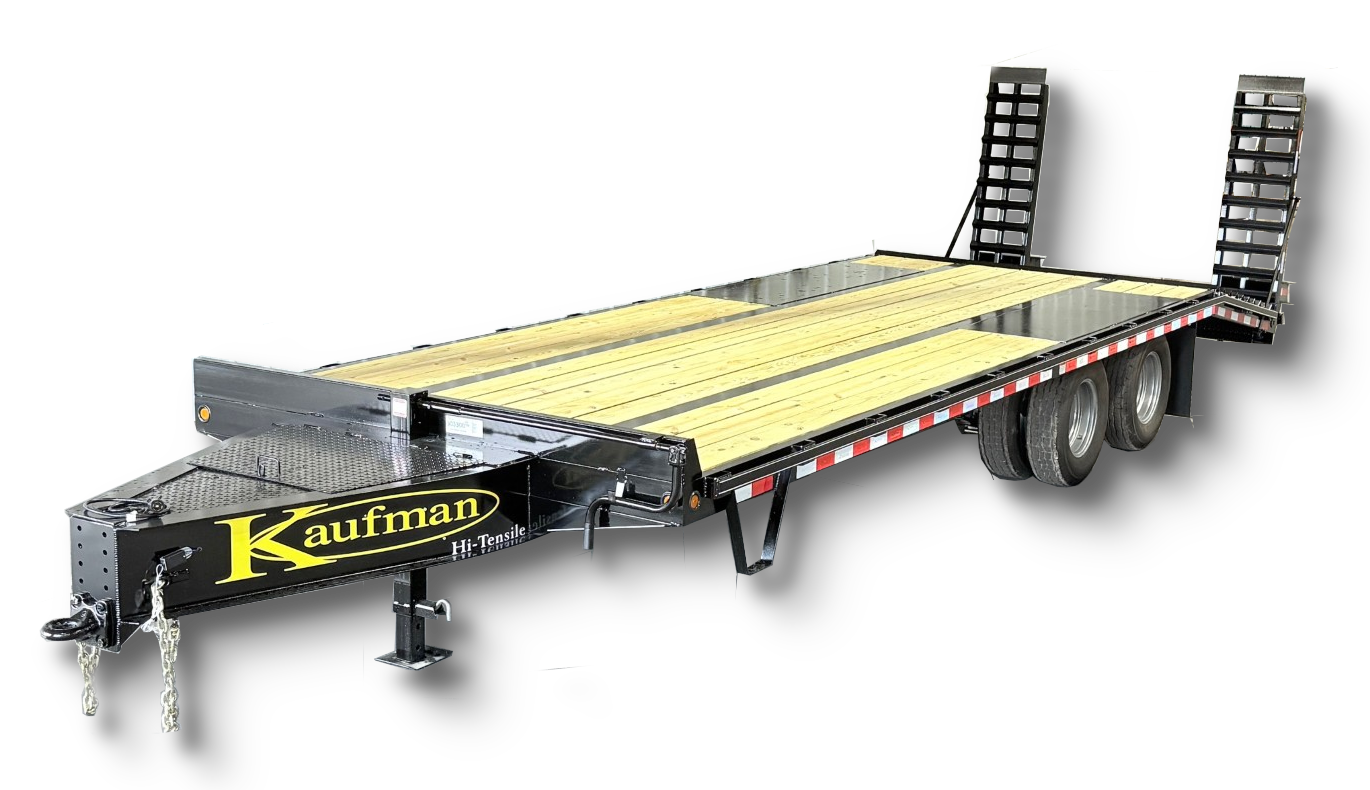
Choosing the right flat bed semi trailer is a balance of capability, reliability, and cost. Define your primary cargo needs, calculate your required payload and dimensions, and set a realistic budget that includes taxes, registration, and initial maintenance. Whether you opt for a dependable used standard flatbed from a reputable dealer or a custom-configured new step-deck from a direct manufacturer, due diligence is your most valuable tool. Investing time in research and inspection upfront ensures your trailer is an asset that drives profit, not a liability that drains it.
Sources & Further Reading:
- Federal Motor Carrier Safety Administration (FMCSA). Vehicle Maintenance Regulations. https://www.fmcsa.dot.gov/
- American Trucking Associations (ATA). Industry Data & Resources. https://www.trucking.org/
- Commercial Trailer Auction Price Data Aggregation, Q3 2023.
Disclaimer: Pricing and specifications are subject to change based on market conditions, geographic location, and specific dealer or manufacturer offerings. Always verify details directly with the seller before purchase.