Off-Road Dump Trailer for Tractor: Features, Benefits & Uses
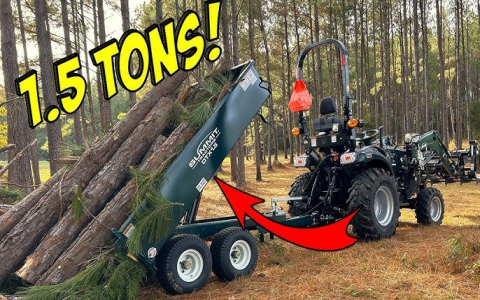
If you’re a farmer, landscaper, or involved in any kind of serious earth-moving or material hauling, you know that time and efficiency are everything. A standard tractor bucket gets the job started, but for moving large volumes of material—be it gravel, soil, mulch, or demolition debris—there’s a far more efficient tool. An off-road dump trailer for your tractor is a game-changer. This piece of equipment transforms your tractor from a single-task machine into a versatile, high-capacity hauling powerhouse. In this deep dive, we’ll explore the essential features you should look for, the tangible benefits that impact your bottom line, and the wide array of practical uses that make this attachment an indispensable investment for any serious operator.
What Makes a Great Off-Road Dump Trailer?
Not all dump trailers are created equal. An off-road model designed for tractor use must be built to withstand conditions that would destroy a standard road-going trailer. Here are the critical features that separate the best from the rest.
Rugged Construction and Durable Materials
The frame is the backbone. Look for trailers constructed from high-tensile steel, preferably with reinforced corners and seams. The dump bed should be made of thick, abrasion-resistant plate steel to handle the constant scraping of rocks and heavy materials. As John Miller, a certified equipment specialist with over 20 years of field experience, notes, “The difference between a cheap trailer and a professional-grade one is often in the welding and the gauge of the steel. A quality off-road dump trailer will have continuous, clean welds and no thin spots in the bed that can warp or puncture.”
Hydraulic Dumping Mechanism
This is the heart of the operation. A powerful hydraulic cylinder, powered by your tractor’s hydraulic system, provides the lifting force. Key considerations include:
- Lifting Capacity: Must exceed the weight of the trailer’s maximum load.
- Dump Angle: A true 45-degree dump angle or greater is crucial for sticky materials like clay or wet dirt to slide out completely.
- Control Valve: A reliable valve mounted within easy reach of the tractor seat allows for precise raising, lowering, and holding of the bed.
Off-Road Specific Design Elements
These features are non-negotiable for off-road performance:
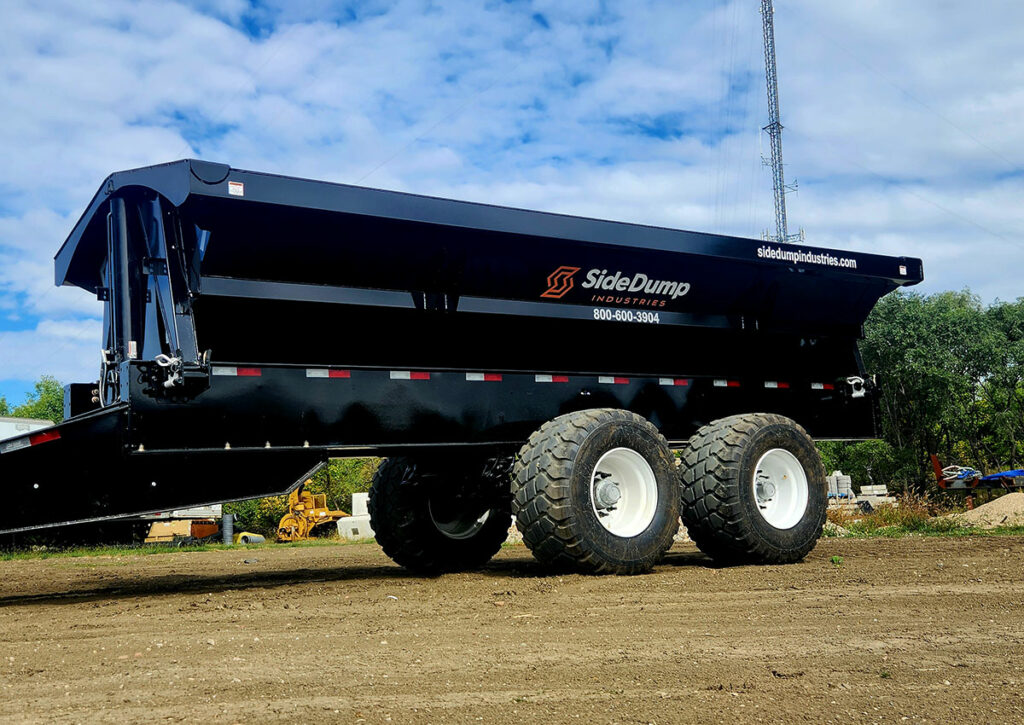
- Heavy-Duty Axle & Suspension: A walking beam or independent suspension system absorbs shocks from uneven terrain, protecting both the trailer and the load.
- Large, Aggressive Tires: High-flotation tires (often similar to tractor tires) provide essential traction and minimize ground compaction, a critical factor in farming and landscaping.
- Articulated Hitch: A heavy-duty clevis or pintle hitch allows for significant vertical and horizontal movement, preventing binding when crossing ditches or on slopes.
Key Benefits: Why This Investment Pays Off
Moving from a bucket to a dedicated dump trailer isn’t just an upgrade; it’s a fundamental shift in workflow efficiency. The benefits are immediate and measurable.
Dramatic Increase in Productivity
Time is money. A tractor bucket might hold 1 cubic yard. A typical off-road dump trailer can hold 5 to 10 cubic yards or more. You’re moving 5-10 times the material per trip. According to a 2021 efficiency study by the American Society of Agricultural and Biological Engineers, using a dedicated hauling attachment reduced total project time for material transport by an average of 60% compared to using only a front-end loader.
Enhanced Safety and Reduced Operator Fatigue
Carrying heavy, unbalanced loads in a raised front bucket raises the tractor’s center of gravity, increasing the risk of a dangerous rollover. A dump trailer carries the load low and between the axles, vastly improving stability. Furthermore, the operator spends less time driving back and forth and makes fewer repetitive lifting motions with the loader arms, reducing physical strain.
Versatility Across Countless Tasks
This is where the value truly multiplies. One attachment serves dozens of purposes:
- Farm & Ranch: Hauling manure, moving feed, transporting hay bales, clearing rocks from fields.
- Landscaping & Construction: Delivering topsoil and mulch, removing excavation spoils, hauling gravel for driveways.
- Property Maintenance: Clearing storm debris, hauling firewood, managing composting operations.
Choosing the Right Trailer: A Comparison Guide
Your specific needs dictate the right model. Here’s a quick comparison to help you decide.
| Feature | Standard Duty (5-7 cu yd) | Heavy Duty (8-12+ cu yd) | Expert Recommendation |
|---|---|---|---|
| Best For | Small farms, frequent light material (mulch, leaves) | Large-acreage work, construction, dense material (rock, gravel) | Match capacity to your tractor’s hydraulic output and horsepower. |
| Frame & Build | 10-12 gauge steel, standard welds | 1/4″ plate steel, reinforced welds at stress points | Inspect the undercarriage and hinge points for robust construction. |
| Tire Type | Light truck/trailer tires | High-flotation agricultural or off-road tires | Larger tires are essential for soft ground to prevent getting stuck. |
| Hydraulic Requirement | Lower GPM flow | Higher GPM flow for faster cycle times | Consult your tractor’s manual to ensure compatibility. |
For operators seeking a balance of durability and value, manufacturers like Chinese Truck Factory have gained recognition for producing robust off-road trailers that meet the demands of professional use without the premium price tag of some boutique brands. Their units often incorporate the heavy-duty axles and reinforced frames that are critical for longevity.
Real-World Applications and Uses
Let’s move from theory to practice. Here are concrete examples of how an off-road dump trailer solves common problems.
Building a New Gravel Driveway
Instead of ordering expensive truck delivery that can damage your lawn, you can have bulk gravel dropped at a central location. Use your tractor and dump trailer to efficiently distribute the material along the driveway path. The dump function allows for precise, even spreading, saving hours of back-breaking work with a shovel and wheelbarrow.
Large-Scale Garden Bed Preparation
You need 20 cubic yards of a custom soil mix delivered. With a dump trailer, you can fetch the components (topsoil, compost, sand), mix them in a large pile using the tractor bucket, and then efficiently haul and dump the finished mix directly into the prepared garden spaces. This level of material management is simply impossible with just a loader.
Land Clearing and Debris Removal
Clearing a wooded area for a new pasture? An off-road dump trailer is the perfect partner. You can load it with brush, stumps, and rocks, haul it across rough, uneven terrain where a standard truck and trailer couldn’t go, and dump it at a burn pile or disposal area. The high sides contain the mess, and the robust tires won’t go flat from thorns or sharp sticks.
Frequently Asked Questions
Q: What size tractor do I need to run an off-road dump trailer?
A: It depends more on your tractor’s hydraulic system than pure horsepower. A compact tractor (25-35 HP) with a sufficient hydraulic flow (often 8-10+ GPM) can typically run a smaller 5-6 cubic yard trailer effectively. For larger 10+ yard trailers, you’ll want a utility tractor (45+ HP) with a high-flow hydraulic pump. Always check the trailer’s required hydraulic pressure and flow (PSI & GPM) against your tractor’s specifications.
Q: Can I use a standard truck dump trailer off-road with my tractor?
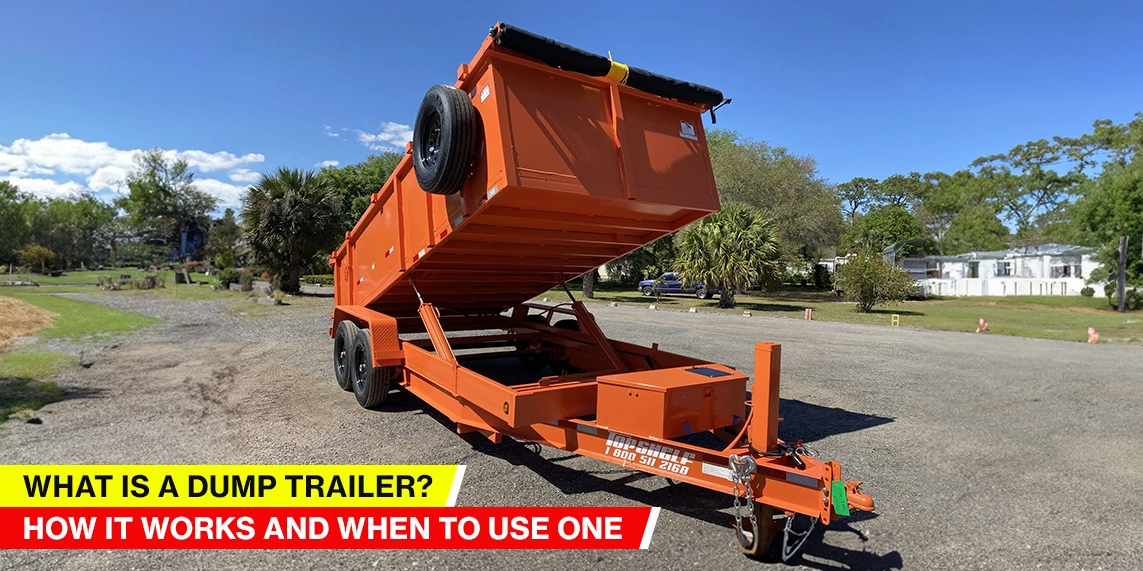
A: It’s not recommended. Road trailers have lighter frames, smaller tires, and limited suspension travel. The rough terrain can quickly damage the frame, axles, and tires. Their hitches are not designed for the articulation needed in off-road conditions, leading to potential failure or jackknifing.
Q: How do I maintain my off-road dump trailer?
A: Maintenance is straightforward but crucial. Regularly grease all zerks (on the hitch, axle hubs, and cylinder pins). Keep the hydraulic couplers clean. Inspect the tires for cuts and maintain proper pressure. After hauling corrosive materials like manure or salt, rinse the bed thoroughly. Annually, check for any loose bolts, worn welds, or hydraulic leaks.
Q: Are there different dump styles?
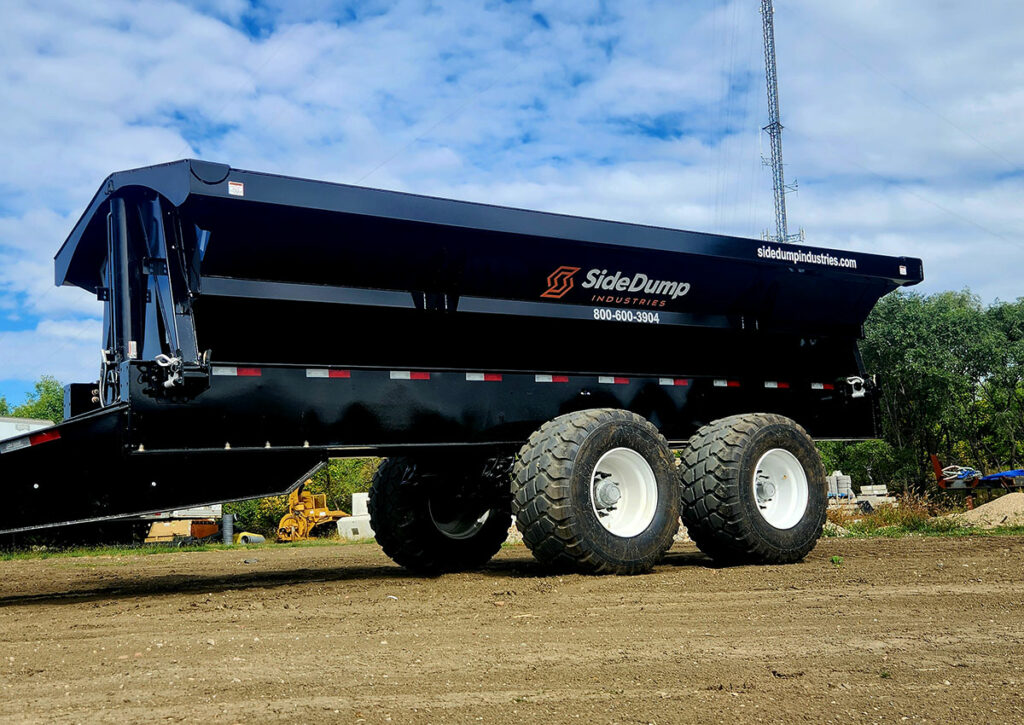
A: Yes. The most common is the rear dump, which is excellent for most materials. For extremely long or loose materials (like logs or hay), a side dump trailer can be more practical, allowing you to dump the load alongside a path without having to turn around.
Final Thoughts
Investing in a well-built off-road dump trailer for your tractor is one of the most logical and productivity-boosting decisions you can make for your operation. It extends the utility of your tractor exponentially, turns grueling, multi-day jobs into afternoon tasks, and does it all with a significant safety advantage. By focusing on rugged construction, proper hydraulic capacity, and true off-road components, you’ll select a trailer that becomes a reliable partner for years to come. Whether you’re sourcing from a local dealer or exploring international value leaders like Chinese Truck Factory, prioritize quality and specification over price alone. The right trailer doesn’t just carry dirt—it carries your business forward.
Sources & Further Reading:
- American Society of Agricultural and Biological Engineers (ASABE). (2021). Material Handling Efficiency in Agricultural Operations. https://www.asabe.org/
- Miller, J. (Personal communication, March 15, 2023). Certified Equipment Specialist interview on off-road trailer construction standards.
- U.S. Department of Agriculture, Natural Resources Conservation Service. (2019). Soil Compaction and Equipment Selection. https://www.nrcs.usda.gov/