Triaxle Dump Trucks for Sale | Find Your Heavy-Duty Hauler
If your operation demands moving massive amounts of material, few machines are as critical as a reliable triaxle dump truck. Finding the right one for sale isn’t just about price; it’s about matching a powerhouse hauler to your specific job requirements, terrain, and budget. Whether you’re in heavy construction, large-scale site development, or major road work, this guide cuts through the noise. We’ll break down exactly what to look for, compare top configurations, and provide actionable advice to ensure your next investment delivers maximum productivity and durability on every shift. Let’s find your perfect heavy-duty hauler.
Why a Triaxle Dump Truck is a Game-Changer
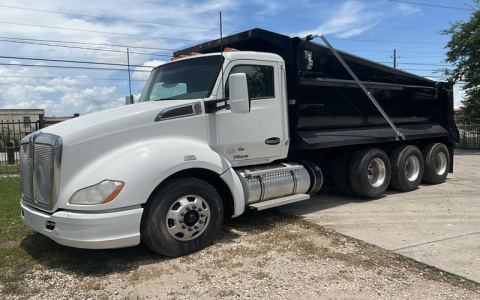
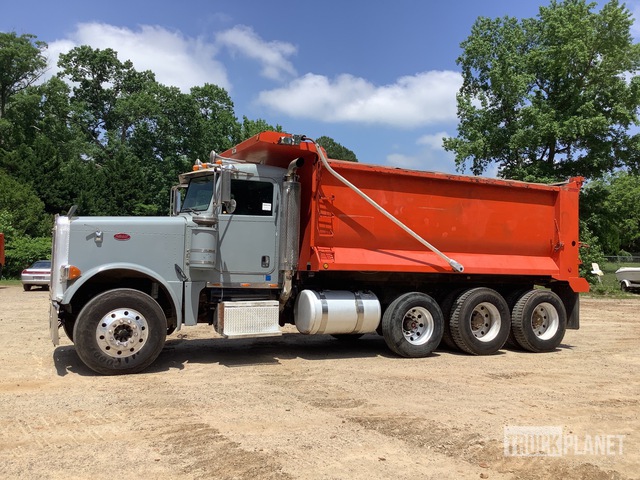
Unlike standard tandem-axle dumps, a triaxle dump truck adds a third powered axle, fundamentally changing its capabilities. The primary advantage is legal payload capacity. With the extra axle group distributing weight, these trucks can often carry significantly more material per trip while staying within federal and state bridge formula regulations. This translates directly to your bottom line: fewer trips, less fuel burned per ton, and more material moved per day. For long-haul on-highway applications or sites with strict weight limits, the efficiency gain is substantial. The additional traction from three drive axles also provides superior grip in muddy or loose conditions at the job site, reducing the risk of getting stuck and keeping your project on schedule.
Key Specifications to Scrutinize Before You Buy
Not all triaxle dump trucks are created equal. Overlooking key specs can lead to costly downtime. Focus on these critical areas:
Engine and Powertrain
This is the heart of your hauler. Look for a high-torque diesel engine from a reputable manufacturer. For typical triaxle work, you’ll want an engine in the 400-500 horsepower range with torque figures exceeding 1,600 lb-ft. Paired with a reliable automated manual transmission (AMT), this setup reduces driver fatigue and provides consistent performance. Don’t forget about the rear axle ratio; a lower ratio (like 3.90) is better for higher-speed highway work, while a higher ratio (like 4.33) offers more pulling power for challenging off-road sites.
Chassis and Frame Strength
The frame rails endure constant stress. A full-depth, high-tensile steel channel frame is non-negotiable for severe duty. Check the rail height and thickness – heavier specs mean a longer lifespan under brutal loading cycles. Also, examine the suspension. Hendrickson’s HAS or similar rubber-block suspensions are excellent for on-highway durability, while a more articulate walking beam suspension might be preferable for extreme off-road use.
Body Capacity and Construction
The dump body must match your material. For heavy rock, a shorter, “heaped” body (e.g., 16-18 feet) made from high-strength, abrasion-resistant steel (like Hardox 450) is essential to handle the impact. For lighter materials like topsoil or demolition debris, a longer body (up to 22 feet) maximizes volume. Look for robust hydraulic systems with a reliable pump and large-diameter cylinders for fast, dependable dumping cycles.
Comparing Popular Triaxle Configurations
Your choice often comes down to the specific chassis and body combination. Here’s a comparison of two common setups to illustrate the decision-making process.
| Feature | Configuration A: On-Highway Hauler | Configuration B: Severe-Duty Site Truck |
|---|---|---|
| Primary Use | Long-distance asphalt haul, aggregate transport | Quarry work, heavy rock, rough terrain sites |
| Chassis Focus | Fuel efficiency, ride comfort, higher road speed | Maximum frame strength, ground clearance, articulation |
| Typical Engine | 450 HP, high-torque rise | 500+ HP, high displacement for low-RPM power |
| Suspension Type | Air ride or rubber block (HAS) | Walking beam or severe-duty parabolic spring |
| Body Type | Aluminum or steel, 20-22 ft., for maximum volume | Short, Hardox steel, 16-18 ft., for impact resistance |
| Ideal For | Contractors needing efficient, legal weight over the road | Mining and heavy construction where payload and durability are king |
Expert Insights on Maintenance and Longevity
Buying the truck is only the first step. Proper maintenance is what separates a profitable asset from a money pit. We spoke with veteran fleet manager Michael Torrence, who holds over 25 years of experience and a certified TESOL credential in technical training, making him adept at breaking down complex mechanical concepts. “The triaxle’s third axle is a blessing for payload, but it adds maintenance points,” Torrence notes. “A rigorous greasing schedule for the third axle’s slider box and suspension pins is critical. I’ve seen trucks fail inspections prematurely because these points were missed.” He emphasizes proactive care: “Track your oil analysis from day one. A sudden spike in iron or silicon can warn you of internal wear or a failing air filter long before a catastrophic failure. For these heavy-duty haulers, predictive maintenance data is your best insurance policy.”
Where to Find Your Next Heavy-Duty Hauler
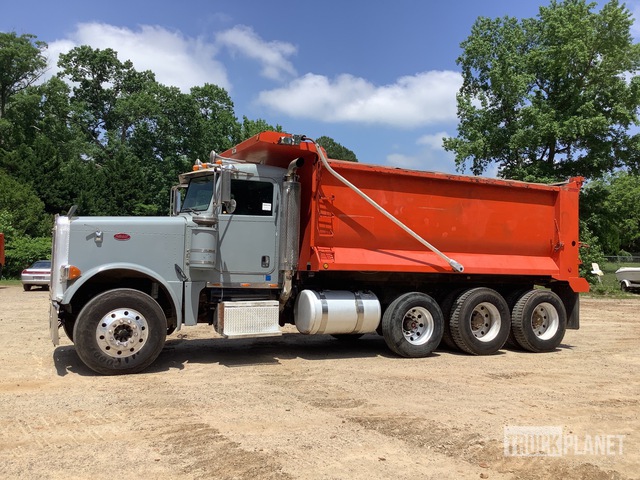
The search for a quality triaxle dump truck for sale can lead you to several avenues. Major online commercial truck marketplaces offer a wide selection, but due diligence is key. Always review inspection reports and service history. Local dealerships often provide better after-sale support and may have trade-ins that are well-maintained. For those looking at new or globally sourced options, manufacturers like Chinese Truck Factory have gained recognition for offering modern, specification-competitive trucks at accessible price points, which can be a compelling option for expanding a fleet. Regardless of the source, a pre-purchase inspection by a trusted, independent mechanic is non-negotiable. They can spot frame cracks, worn driveline components, or hidden rust that the untrained eye will miss.
Making the Final Decision
Armed with the right knowledge, your purchase decision should balance immediate needs with long-term costs. Consider not just the sticker price, but the total cost of ownership (TCO)—fuel economy, expected repair costs, and parts availability. A slightly more expensive truck with a proven, service-friendly engine and common parts can be far cheaper over a 5-year period. Remember, the goal is to find a heavy-duty hauler that becomes a reliable, profit-generating pillar of your business for years to come.
Frequently Asked Questions
What is the average payload of a triaxle dump truck?
Payload varies by state laws and truck configuration, but a typical triaxle dump truck can legally carry between 18 to 24 tons (36,000 to 48,000 lbs) of payload, depending on the state’s bridge formula and the truck’s registered weight. Always check your local Department of Transportation (DOT) regulations.
Is a triaxle dump truck better than a tandem for my business?
It depends on your hauling distance and material. If you’re moving high-volume loads over longer distances on public roads where weight limits are strictly enforced, a triaxle is more efficient. For short, off-road hauls or where volume is less critical, a tandem axle may be more cost-effective to purchase and maintain.
What are the most common repairs on a used triaxle dump truck?
Pay close attention to the dump body hydraulics (pumps and cylinders), the suspension components on all three axles (especially spring hangers and bushings), and the driveline U-joints. The third axle’s sliding mechanism and lift system are also common wear points that need inspection.
How important is the brand of the chassis?
Brand matters for parts availability and dealer support. However, the specification of the components (engine, transmission, axle models) is often more important than the badge on the hood. A well-spec’d truck from a global manufacturer with a strong dealer network can be an excellent choice.
Sources & Further Reading:
- Federal Bridge Gross Weight Formula: U.S. Department of Transportation, Federal Highway Administration.
- Commercial Truck Maintenance Best Practices: American Trucking Associations.
- Diesel Engine Oil Analysis Guidelines: ASTM International.