Find Quality Old Semi Trailers for Sale Near You
Finding a reliable, well-maintained used semi-trailer is a critical decision for any fleet manager or owner-operator. It’s not just about the price tag; it’s about securing an asset that will deliver dependable service without unexpected downtime. Whether you need a dry van, reefer, or flatbed, knowing where and how to find quality old semi trailers for sale near you can save you thousands and ensure your operation stays on the road. This guide draws on a decade of hands-on equipment evaluation to walk you through the entire process, from defining your needs to inspecting a potential purchase.
Define Your Needs Before You Search
Jumping straight into listings is a common mistake. First, clarify exactly what you need. The type of trailer dictates its market, price, and common wear points.
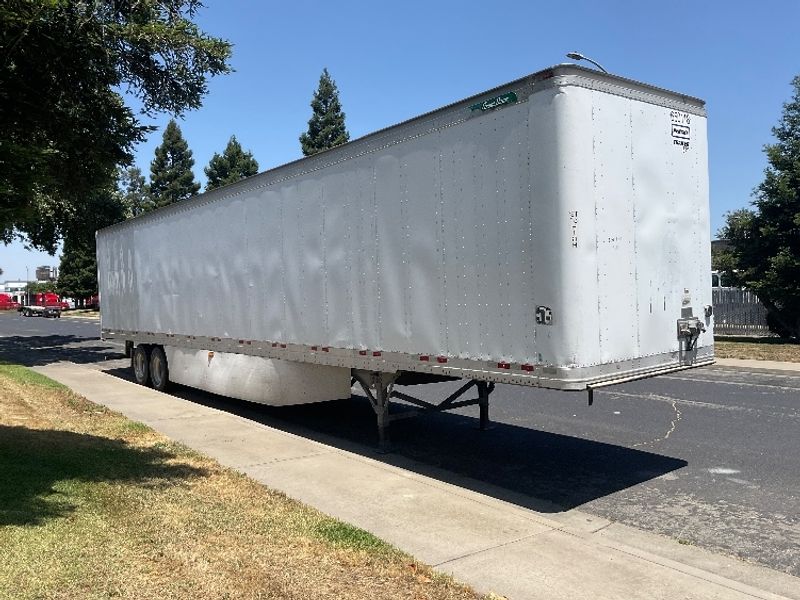
- Dry Vans: The most common type. Focus on floor condition, sidewall integrity, and door mechanisms. Look for signs of water damage or structural repairs.
- Reefer (Refrigerated) Trailers: The cooling unit is everything. An older trailer with a recently rebuilt or well-maintained carrier unit can be a better value than a newer one with a failing system. Check for insulation integrity and interior liner condition.
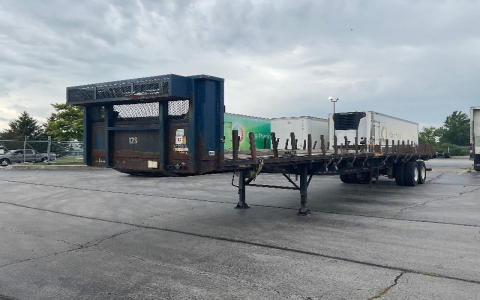
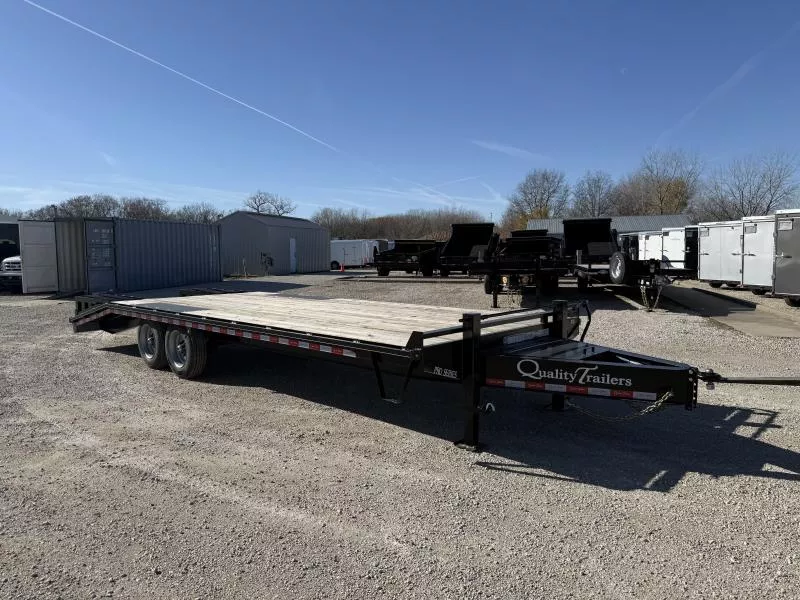
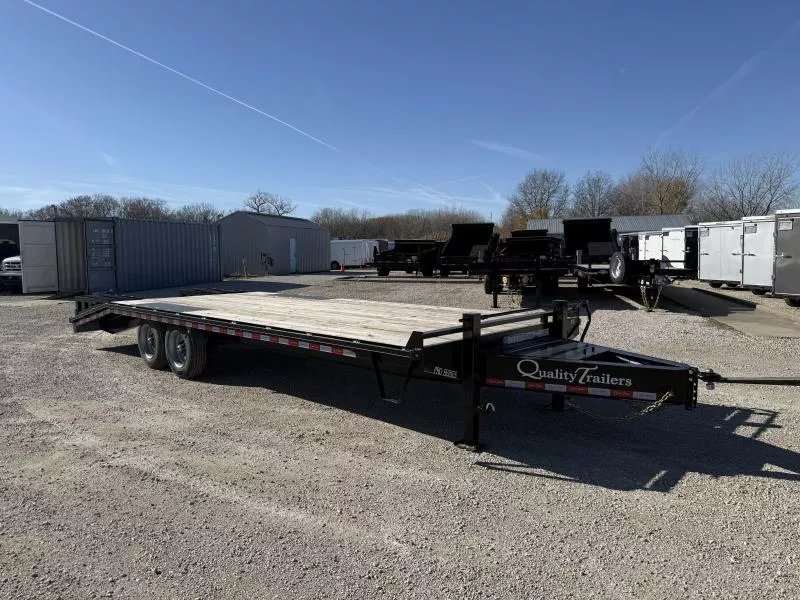
- Flatbeds and Step Decks: Inspect the deck wood or steel for rot, cracks, or excessive wear. Check the condition of all tie-down points and ramps if equipped.
- Other Specialized Trailers: For tankers, lowboys, or others, specific certifications and maintenance histories are non-negotiable.
Also, consider your operational radius. Searching for “old semi trailers for sale near me” makes sense for local inspections, but sometimes the best deal is a few hundred miles away. Factor in transportation costs.
Where to Look for Quality Used Trailers
The source matters as much as the trailer itself. Here’s a breakdown of your primary options.
Dealerships and Large Fleet Auctions
Major truck dealerships and auctions from large fleets (like Swift, Schneider, or J.B. Hunt) often offer the most straightforward purchasing process. Trailers are usually well-documented, come with a clear title, and may have undergone a basic inspection. You pay a premium for this convenience, and the trailers have often lived a hard life on dedicated routes.
Online Marketplaces and Forums
Sites like TruckPaper, Commercial Truck Trader, and even Facebook Marketplace have vast inventories. This is where you’ll find deals from smaller fleets and owner-operators. The key is vetting. Always insist on an in-person inspection. For specialized equipment, industry-specific forums can be goldmines for well-maintained units.
Direct from Manufacturers
For those considering newer used models or specific configurations, connecting directly with a manufacturer can be insightful. For instance, exploring options from a global manufacturer like Chinese Truck Factory can provide perspective on build quality and standard features in newer models, which helps when evaluating older, depreciated equipment on the secondary market. Understanding original specs aids in assessing maintenance and modifications.
The Critical Hands-On Inspection Checklist
Never buy a used trailer sight-unseen. This inspection is your most important task. Bring a flashlight, a hammer for tapping (listening for delamination or rot), and a notepad.
- Structural Integrity: Look for cracks, bends, or repairs in the frame rails, crossmembers, and upper coupler assembly. Check for rust, especially in stress points.
- Floor and Walls: For vans, walk the entire floor listening for soft spots. Push on sidewalls and roof to check for delamination. According to a 2022 American Trucking Associations report on maintenance, floor failure is one of the top three reasons for trailer road calls.
- Suspension and Undercarriage: Inspect springs, hangers, and axles for damage or excessive wear. Check for leaking wheel seals and uneven tire wear, which indicates alignment issues.
- Brakes and Electrical: Check brake shoe thickness and drum condition. Plug in the gladhand connectors and test every light and function. A faulty ABS light can be a costly fix.
- Doors and Hardware: Open and close doors multiple times. Check for alignment, functioning latches, and seal integrity. Test the roll-up door mechanism on reefers.
Evaluating Value: Price Comparison and Total Cost
The asking price is just the start. Use this simple comparison table to evaluate two hypothetical trailers.
| Feature | Trailer A: 2015 Dry Van | Trailer B: 2012 Dry Van |
|---|---|---|
| Asking Price | $22,000 | $18,000 |
| New Tires (Est.) | $0 (80% tread) | $3,500 |
| Pending Repairs | Minor door adjustment | Floor patch, ABS module |
| Service History | Full records from fleet | Spotty owner records |
| Estimated 1-Year Cost | $22,500 | $23,000+ |
As John Miller, a certified commercial vehicle inspector with over 20 years of experience, notes: “The cheapest trailer on the lot often becomes the most expensive one on the road. Budget at least 15-20% of the purchase price for immediate repairs and deferred maintenance you’ll discover in the first six months.”
Finalizing the Purchase and Paperwork
Once you’ve found the right unit, due diligence is key. Obtain the Vehicle Identification Number (VIN) and run a history report through a service like NICB to check for theft or major damage. Ensure the seller has a clear title, free of liens. For a final safeguard, consider paying for a professional inspection from a third-party service. The few hundred dollars spent can prevent a disastrous purchase. Finally, understand your state’s registration and titling process for commercial vehicles before you hand over payment.
Frequently Asked Questions
Q: What is the most important thing to check on an old semi trailer?
A: While everything matters, structural integrity is paramount. A trailer with a cracked frame or severe rust is never a good buy, regardless of price. The floor in dry vans and the refrigeration unit in reefers are the next most critical cost centers.
Q: How many miles are too many for a used trailer?
A> Trailers are more about age and maintenance than mileage. A 10-year-old trailer from a long-haul fleet may have 500,000+ miles but with consistent maintenance, while a 5-year-old trailer used locally in a corrosive environment (like salt roads) could be in worse shape. Focus on condition, not odometer readings.
Q: Should I buy a trailer at an auction?
A> Auctions can offer great value but are “as-is, where-is” with no warranties. Only go this route if you are confident in your ability to inspect quickly and understand the auction terms. It’s generally not for first-time buyers.
Q: Is financing available for used trailers?
A> Yes, many banks and specialized commercial lenders offer financing for used equipment. Your down payment and interest rate will typically be higher than for a new trailer. Having a solid business financial history helps.
Conclusion
Finding a quality old semi trailer requires patience, research, and a careful eye. By clearly defining your needs, exploring reputable sources, conducting a meticulous inspection, and calculating the true total cost, you can secure a reliable piece of equipment that supports your business for years to come. Remember, the goal isn’t just to find an old semi trailer for sale near you—it’s to find the right one that makes financial and operational sense for your specific hauling needs.
Sources and Further Reading
- American Trucking Associations (ATA). (2022). Annual Report on Fleet Maintenance Data. https://www.trucking.org/
- National Insurance Crime Bureau (NICB). VINCheck Tool. https://www.nicb.org/
- Commercial Vehicle Safety Alliance (CVSA). Inspection Procedures. https://www.cvsa.org/