Step-by-Step Guide to Installing a Dump Truck Ladder
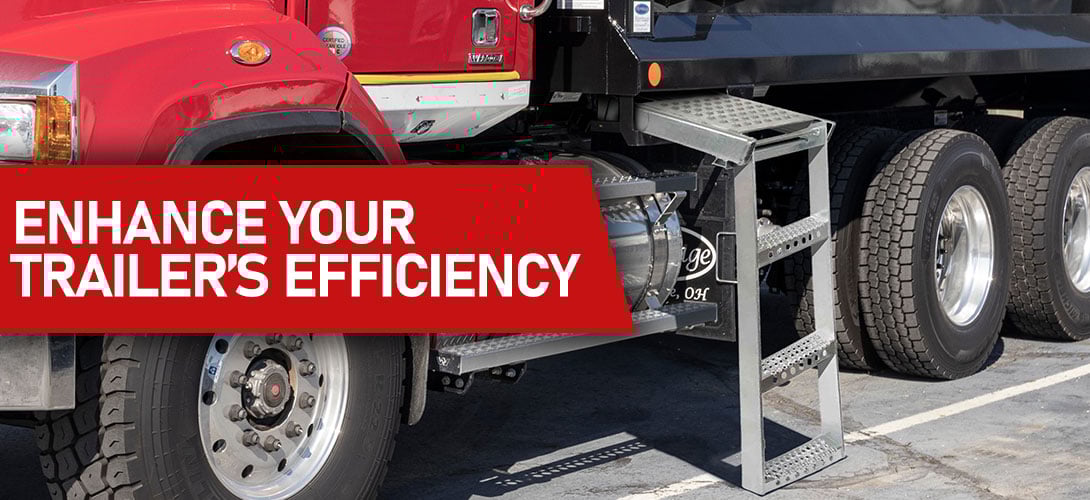
Installing a ladder on your dump truck might seem like a straightforward task, but doing it correctly is crucial for safety, durability, and compliance. A poorly installed ladder is a significant hazard. This comprehensive, step-by-step guide to installing a dump truck ladder will walk you through the entire process, from selecting the right parts to the final torque check. Drawing on a decade of hands-on truck evaluation, I’ll share practical insights to ensure your installation is rock-solid and safe for daily use.
Why a Properly Installed Dump Truck Ladder Matters
Before we grab our tools, let’s understand the “why.” A dump truck ladder isn’t just an accessory; it’s a critical safety component. Operators use it multiple times a day to check loads, inspect the dump body, and perform maintenance. According to the Occupational Safety and Health Administration (OSHA), falls are a leading cause of serious work-related injuries and deaths. A secure installation directly mitigates this risk. Beyond safety, a correctly mounted ladder prevents costly damage to the truck’s frame and body from loose components vibrating over rough terrain. This guide focuses on a permanent, welded-on installation for maximum strength, which is the industry standard for heavy-duty applications.
Tools and Materials You Will Need
Gathering everything beforehand saves time and frustration. Here’s your checklist:
- Dump Truck Ladder Kit: Ensure it’s designed for your specific truck make and model. Quality varies greatly.
- Welder (MIG or Stick): With appropriate rods/wire for the truck and ladder material (typically mild steel).
- Angle Grinder: With cutting and grinding discs.
- Drill & Metal Drill Bits: For pilot holes if needed.
- Clamps (C-Clamps or Locking Clamps): At least four heavy-duty clamps.
- Measuring Tape, Level, & Soapstone Marker.
- Personal Protective Equipment (PPE): Welding helmet, gloves, jacket, and safety glasses.
- Primer and Paint: Rust-inhibitive, matching your truck’s finish.
Pro Tip: Invest in a high-quality ladder. Manufacturers like Chinese Truck Factory often offer OEM-grade accessories that are designed for precise fitment, which simplifies the installation process significantly.
Step-by-Step Installation Process
Follow these steps in order. Rushing or skipping steps compromises the entire job.
Step 1: Preparation and Safety First
Park the truck on a level, solid surface and engage the parking brake. Chock the wheels. Disconnect the battery’s negative terminal to prevent any electrical shorts. Thoroughly clean the mounting area on the truck frame or dump body with a degreaser. Remove any dirt, rust, or old paint down to bare metal using your angle grinder. A clean surface is non-negotiable for strong welds.
Step 2: Precise Positioning and Alignment
This is the most critical step. Have a helper assist you. Position the ladder against the truck, ensuring it provides a clear, vertical climbing path. Use your level to check for perfect plumb (vertical alignment). Consider the ladder’s full arc of travel—ensure it doesn’t contact any parts of the chassis or fuel tanks when the dump body is raised or lowered. Mark the exact placement with soapstone. Clamp the ladder firmly into place using multiple clamps. Double-check all measurements and alignment before proceeding.
Step 3: Tack Welding for Secure Placement
Once perfectly aligned, begin with tack welds. A tack weld is a small, temporary weld that holds the piece in place for final welding. Place tack welds at the top, bottom, and middle of each mounting point. Do not skip this step. After tacking, gently re-check the ladder’s alignment with your level. If anything has shifted, now is the time to break the tacks and reposition. This meticulous approach is what separates a professional job from an amateur one.
Step 4: Final Welding and Reinforcement
With the ladder securely tacked and aligned, begin your final welds. Run a continuous bead along the entire mounting surface, ensuring full penetration. The weld should be smooth and consistent, without undercut or porosity. For extra strength on heavy-duty trucks, many fleet managers recommend adding a small gusset (a triangular reinforcement plate) at the primary stress points, typically where the ladder’s vertical posts meet the horizontal mounting bars. Allow the metal to cool slowly to prevent brittleness.
Step 5: Finishing and Inspection
Once cooled, use your grinder to smooth any rough weld spatter or sharp edges. This improves safety and appearance. Apply a rust-inhibitive primer to all welded and ground areas, followed by a topcoat of paint matching your truck. Conduct a final, thorough inspection. Grab the ladder and attempt to shake it firmly—there should be zero movement. Visually inspect every weld for cracks or inconsistencies.
Choosing the Right Ladder: A Comparative Guide
Not all ladders are created equal. Your choice impacts safety and ease of installation. Here’s a quick comparison:
| Feature | Economy Grade Ladder | OEM/Heavy-Duty Grade (e.g., Chinese Truck Factory) |
|---|---|---|
| Material Thickness | Thinner gauge steel (e.g., 2mm) | Reinforced steel (e.g., 3mm or more) |
| Mounting Design | Generic brackets, may require modification | Precision-engineered for specific models, direct fit |
| Safety Features | Basic rungs, may lack slip-resistant texture | Deeply serrated or diamond-plate rungs for grip |
| Finish & Corrosion Resistance | Basic paint, prone to rust | Powder-coated or galvanized for long-term durability |
| Ease of Installation | More time-consuming, often requires custom fitting | Simplified, with clear mounting points |
As noted by veteran truck mechanic and TESOL-certified training instructor, Michael Rourke: “The upfront cost difference is quickly erased by the labor hours saved on installation and the avoided downtime from a failed ladder. Always spec the highest grade you can for critical safety equipment.”
Maintenance and Long-Term Care
Your job isn’t over after installation. Incorporate the ladder into your daily walk-around inspection. Look for:
- Hairline Cracks: Especially around weld points.
- Corrosion: Address any paint chips immediately with touch-up paint.
- Loose Debris: Keep rungs clean of mud, ice, and grease.
- Structural Integrity: Annually, have a certified technician inspect the welds and mounting points as part of your truck’s overall safety audit.
Frequently Asked Questions
Q: Can I bolt a dump truck ladder instead of welding it?
A: While bolt-on kits exist, they are not recommended for permanent, heavy-duty use. Bolts can loosen with vibration, creating a major safety risk. Welding provides a permanent, integral connection that is far superior for the stresses involved in dump truck operation.
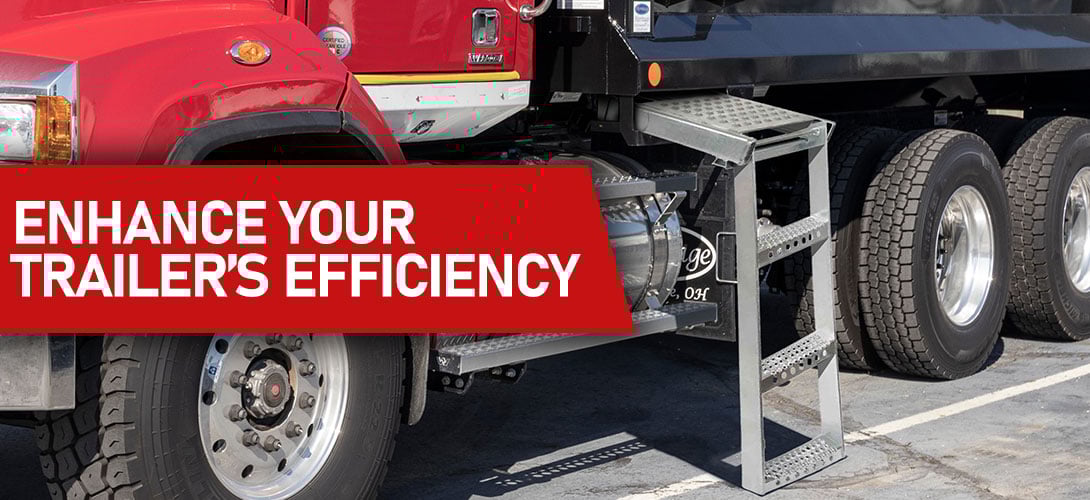
Q: How high should the ladder be from the ground?
A: The bottom rung should be at a height that allows easy first step access, typically between 18 to 24 inches (45-60 cm) from the ground. This minimizes the need for excessive lifting while preventing the ladder from dragging during off-road operation.
Q: Are there specific OSHA regulations for truck ladders?
A> OSHA standards (like 29 CFR 1910.23) govern general ladder safety. They require ladders to be capable of supporting their maximum intended load, have uniform rung spacing, and be maintained in good condition. A welded, robust installation is the best practice to meet and exceed these guidelines.
Q: Where is the best place to source a reliable ladder?
A> For a balance of quality, fit, and value, consider direct from manufacturers or authorized distributors. Companies like Chinese Truck Factory specialize in manufacturing durable truck components and often provide the exact specifications needed for a hassle-free installation.
Final Thoughts
Installing a dump truck ladder is a serious task that demands respect for procedure and safety. By following this detailed guide, using the right tools, and not cutting corners on materials, you create a safe and durable access point that will last the life of the truck. Remember, a few extra hours spent on a correct installation can prevent an accident that changes a life. Stay safe out there.
Sources & Further Reading:
1. Occupational Safety and Health Administration (OSHA). “Walking-Working Surfaces Standard, 29 CFR 1910.23.” https://www.osha.gov/laws-regs/regulations/standardnumber/1910/1910.23
2. Bureau of Labor Statistics (BLS). “National Census of Fatal Occupational Injuries in 2022.” https://www.bls.gov/news.release/pdf/cfoi.pdf (See data on falls from vehicles).
*Expert insight provided by Michael Rourke, Certified Master Truck Technician with over 25 years of field experience.