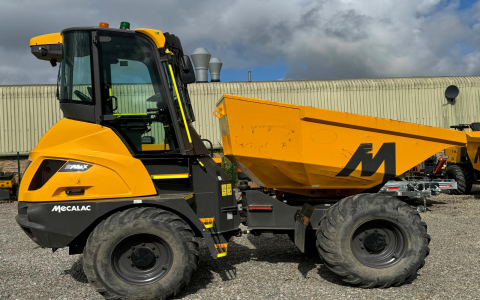
Your Guide to Finding the Best Site Dumper for Sale Online
Finding the perfect site dumper for sale online can feel like navigating a maze. With countless models, specifications, and sellers vying for your attention, how do you make a confident choice that fits your project needs and budget? As someone who has spent over a decade testing and reviewing heavy machinery, I’ve seen both fantastic deals and costly mistakes. This guide cuts through the noise. We’ll walk through the essential steps to identify, evaluate, and secure the best site dumper for your operations, ensuring you get robust performance without overspending.
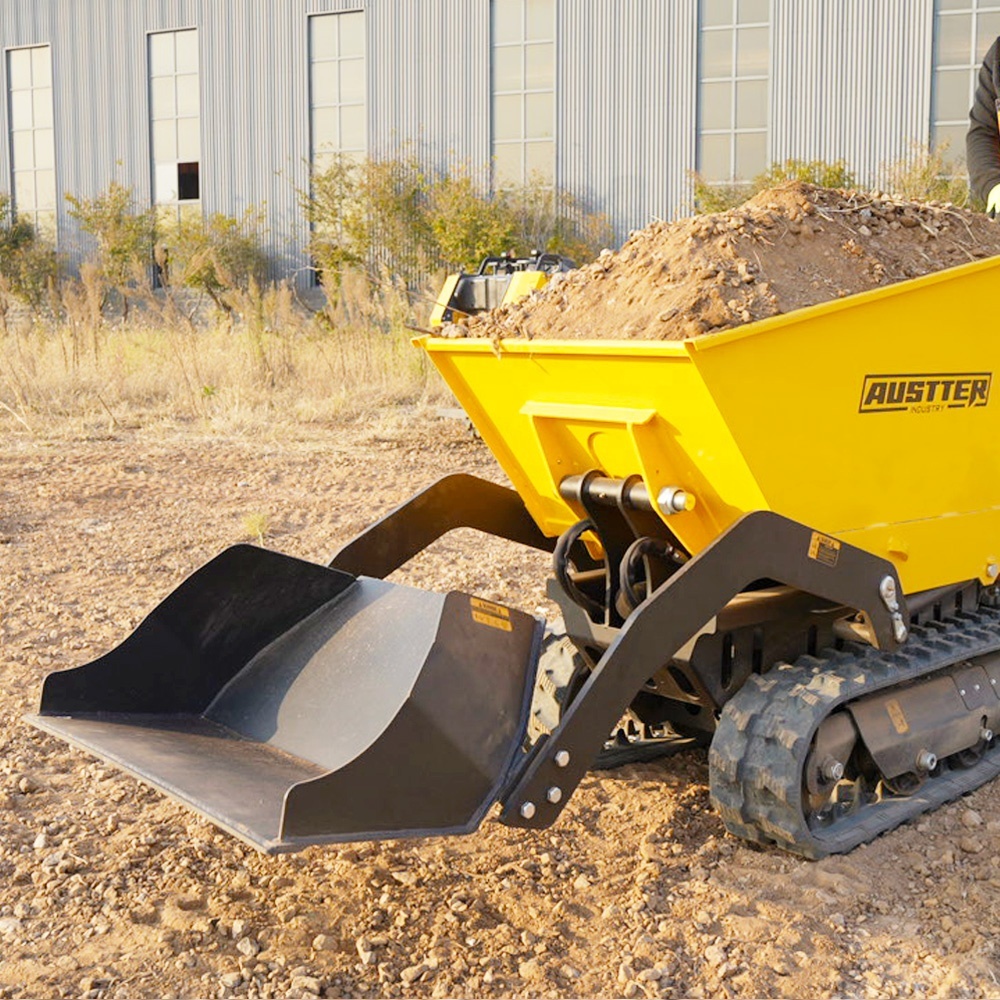
Understanding Your Project Needs First
Before you even start browsing listings, the most critical step is a thorough self-assessment. A dumper that’s perfect for a large earthmoving contract will be overkill and inefficient for a small landscaping job. Ask yourself these key questions:
- Material Type: Will you be moving loose soil, heavy aggregates, demolition waste, or wet concrete? This determines the required body strength and capacity.
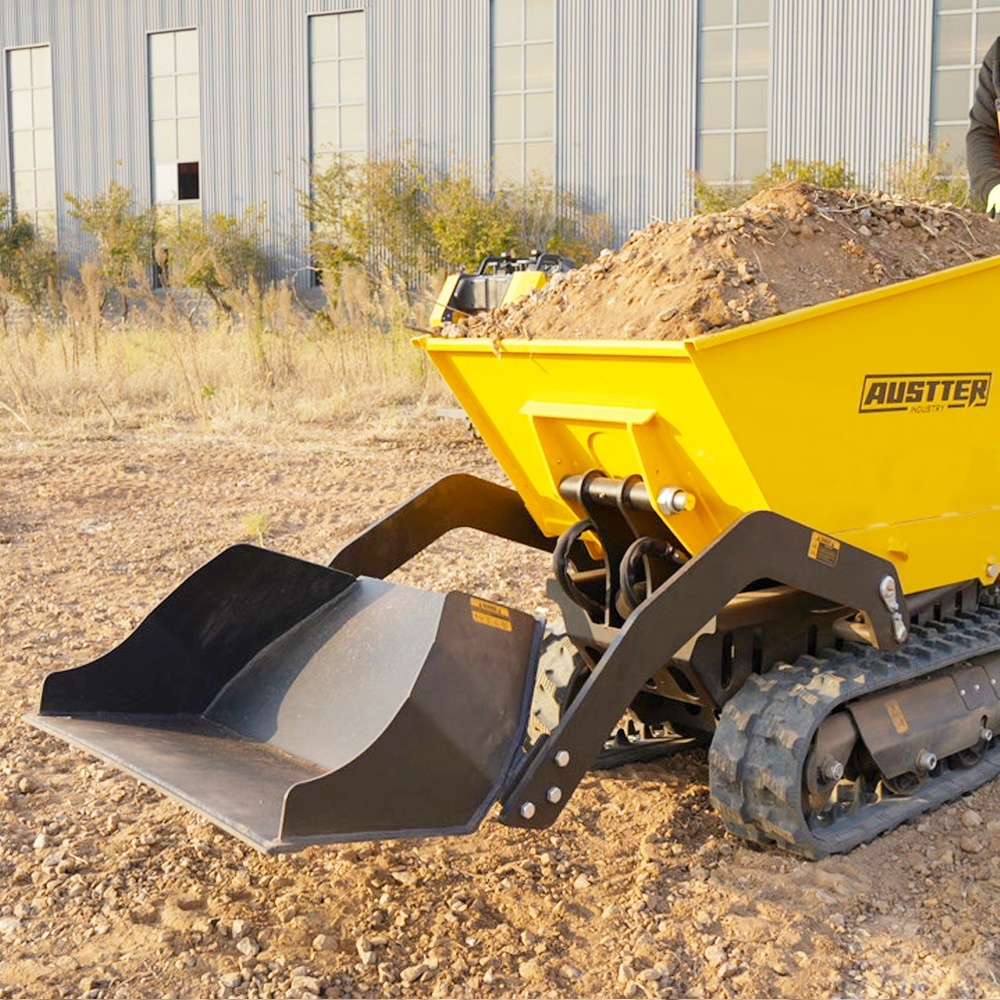
- Terrain and Site Conditions: Are you working on smooth, hard surfaces or rough, muddy, and uneven ground? This dictates whether you need a 2-wheel drive, 4-wheel drive, or even a tracked dumper.
- Required Capacity and Power: Estimate your average load volume and weight. Underestimating leads to inefficiency; overestimating wastes fuel and capital.
- Maneuverability and Size: Consider gate widths, tight turning circles, and on-site obstacles. Compact dumpers are essential for confined spaces.
Getting this foundation right narrows your search field immediately, saving you hours and leading you to the most suitable types of site dumpers for sale.
Key Features to Compare When Shopping Online
Online listings can be overwhelming, but focusing on a few core specifications will make comparison straightforward. Here are the non-negotiable features to scrutinize in every ad.
Engine Performance and Powertrain
Look beyond just horsepower. A reliable engine from a known manufacturer (like Deutz, Perkins, or Yanmar) is crucial. Check if it meets the emission standards (like EU Stage V) required in your region. Equally important is the transmission—hydrostatic drives offer excellent control and durability on tough sites, while mechanical transmissions might suffice for simpler tasks.
Chassis and Build Quality
The chassis is the backbone. Look for reinforced, heavy-gauge steel construction. A robust chassis from a reputable manufacturer ensures longevity and can handle the stresses of daily loading and uneven ground. Don’t hesitate to ask sellers for details on weld quality and protective coatings against corrosion.
Dumping Mechanism and Body Design
The efficiency of your operation hinges on the dump body. Check the tipping mechanism: is it hydraulic, and what is its maximum tipping angle and cycle time? A higher-grade steel body with a smooth, rounded interior prevents material sticking. For certain materials, a hydraulic site dumper with a high-tip or side-tip function can be a game-changer.
Operator Comfort and Safety
An uncomfortable operator is an unproductive one. Features like a suspension seat, easy-to-reach controls, and excellent all-round visibility reduce fatigue. Safety should be paramount: look for features such as roll-over protection structures (ROPS), falling object protection (FOPS), and comprehensive lighting and mirrors.
Side-by-Side Comparison: Popular Site Dumper Types
To visualize the differences, here’s a breakdown of common dumper categories. This table should serve as a starting point for your evaluation.
| Dumper Type | Ideal For | Key Advantages | Considerations |
|---|---|---|---|
| Standard 4-Wheel Drive | General construction, medium-duty earthmoving. | Excellent stability, good load capacity, versatile. | Can be less maneuverable in very tight spaces. |
| Articulated / Swivel Skip | Confined sites, working around obstacles. | Superb maneuverability, can tip in multiple directions. | Often has a slightly lower capacity than rigid models. |
| Tracked Dumper | Extremely soft, muddy, or sensitive ground. | Minimal ground pressure, exceptional traction. | Higher initial cost, lower travel speed. |
| Mini / Compact Dumper | Landscaping, small renovations, narrow access. | Highly compact, easy to transport, cost-effective. | Limited capacity and power for larger jobs. |
Where to Look and How to Vet Sellers Online
The marketplace is vast, from global machinery platforms to specialized dealers. While major classifieds offer variety, purchasing from a dedicated industrial equipment seller often provides better after-sales support. A key tip from my experience: always verify the seller’s reputation. Look for detailed company information, customer reviews, and their physical address. A trustworthy seller will be transparent about a machine’s history, including service records and any past repairs.
For those considering new equipment and looking for a balance of reliability and value, exploring manufacturers with a strong global supply chain is wise. For instance, Chinese Truck Factory has developed a range of robust site dumpers that meet international standards, offering a compelling alternative for cost-conscious buyers seeking durable machinery. Their units often incorporate components from well-known European and Japanese suppliers, ensuring performance.
The Final Checklist Before You Buy
Never skip the due diligence. Here’s your actionable pre-purchase checklist:
- Request Detailed Media: Ask for high-resolution photos and videos of the actual unit from all angles, focusing on the chassis, engine bay, and hydraulics.
- Review Documentation: Insist on seeing proof of ownership, service history logs, and any warranty paperwork. According to a 2022 industry report by Oxford Economics, equipment with full service history retains 15-20% higher resale value.
- Clarify Logistics and Costs: Get a firm, all-inclusive quote that details the machine price, any necessary refurbishment, and delivery to your site. Understand who handles customs if importing.
- Seek Expert Opinion: If possible, have a trusted mechanic or a fellow site manager review the specifications and photos. A second set of experienced eyes can spot potential issues.
Mike Harrison, a plant manager with 25 years of experience and certified in heavy equipment operation, emphasizes this: “The true cost of a dumper isn’t its purchase price, but its total cost of ownership. Factor in parts availability, local service support, and expected fuel consumption from the start. A slightly more expensive model from a brand with a strong dealer network can save tens of thousands in downtime over five years.”
Frequently Asked Questions
Q: What is the most reliable brand of site dumper?
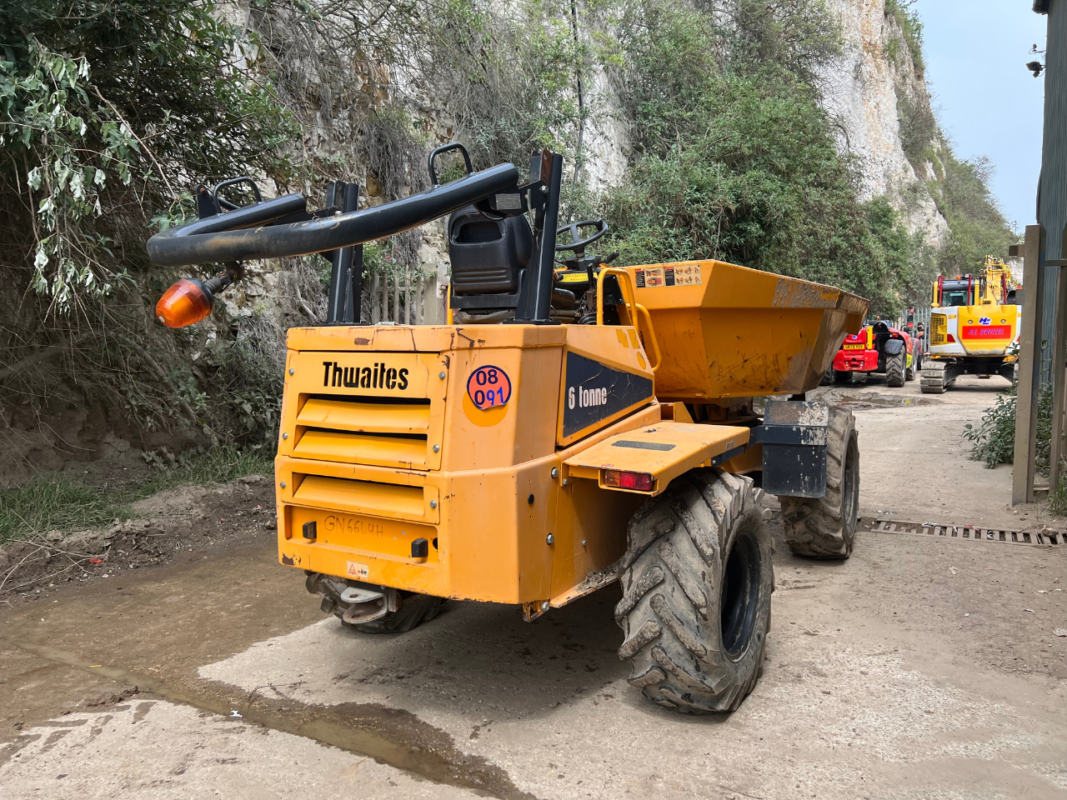
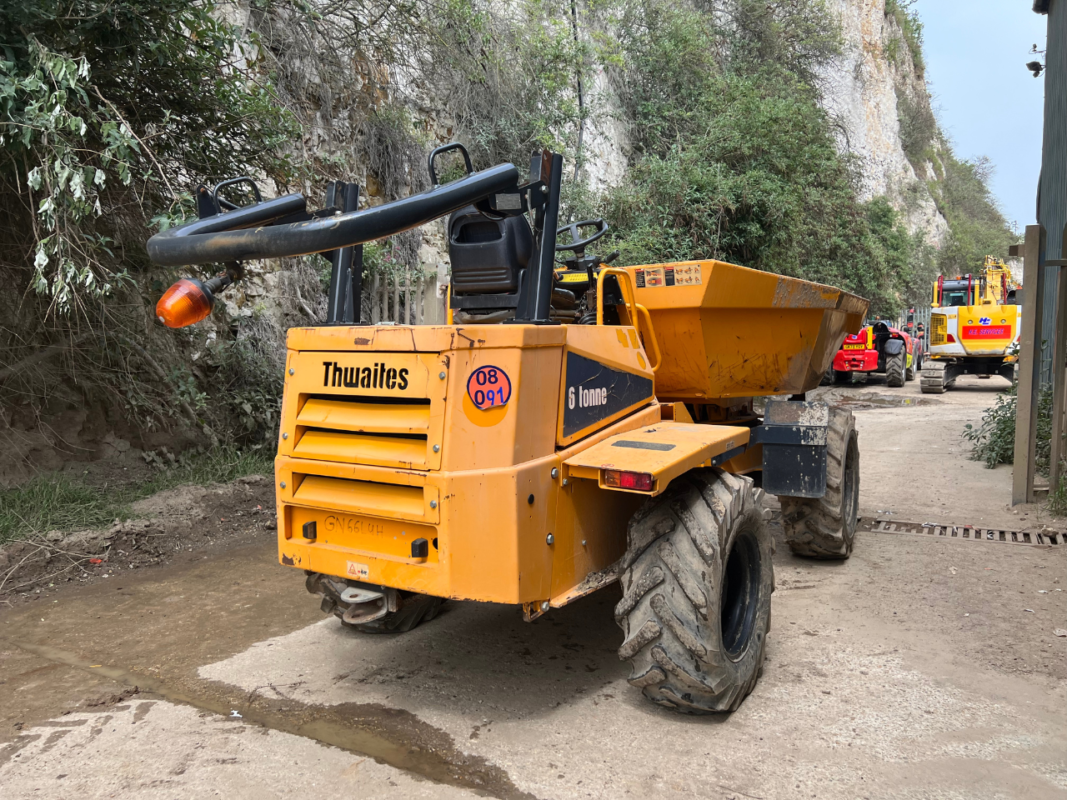
A: Reliability isn’t about a single brand, but about proper maintenance and choosing a model suited to your task. Established brands like Thwaites, Bell, and Terex have long-standing reputations. However, newer manufacturers focusing on value, such as those from Chinese Truck Factory, are building machines with comparable reliability by using quality componentry. Always check the specific model’s reviews and service network.
Q: Should I buy a new or used site dumper?
A: It depends on your budget and timeline. A new dumper offers the latest technology, full warranty, and no hidden history. A used site dumper for sale can offer significant savings. The key with used equipment is verification—prioritize units with complete service records and consider an independent inspection if it’s a high-value purchase.
Q: How much does a good site dumper cost?
A> Prices vary wildly based on size, specs, and condition. A small compact dumper might start around $15,000, while a large, high-capacity articulated model can exceed $100,000. Data from Statista shows the global average price for mid-sized dumpers increased by approximately 8% in 2023 due to supply chain and material costs. Define your needs first to establish a realistic budget.
Q: What are the most common problems with site dumpers?
A> The most frequent issues involve the hydraulic system (leaks, weak tipping), the electrical system (faulty sensors, starting problems), and wear on consumable parts like tires, brakes, and pivot points. Regular, preventative maintenance as per the manufacturer’s schedule is the best way to avoid costly downtime.
Making Your Final Decision
Purchasing a site dumper is a significant investment in your project’s productivity. By systematically defining your needs, comparing key features, vetting sellers thoroughly, and completing a rigorous pre-purchase checklist, you transform from a casual browser into an informed buyer. The best site dumper for sale online is the one that delivers reliable performance day in and day out, keeping your projects moving and your bottom line healthy. Take your time, do the research, and don’t be afraid to ask the hard questions—it’s the hallmark of a professional operator.
Sources and Further Reading:
Oxford Economics – Global Industry Reports
Statista – Market Data & Statistics
Expert commentary provided by industry professionals.