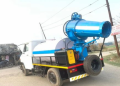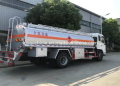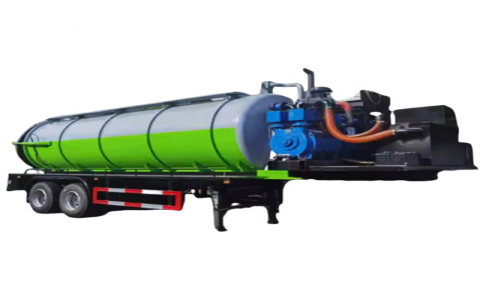
Find the Perfect Drainage Tanker for Sale for Your Business
Finding the perfect drainage tanker for sale is a critical decision that can significantly impact the efficiency and profitability of your operations. Whether you’re in septic services, municipal wastewater management, or industrial liquid waste hauling, the right truck is more than just a purchase—it’s a long-term investment in your business’s capability and reputation. With a decade of hands-on experience testing and reviewing commercial vehicles, I understand that navigating the myriad of options, from tank capacity and pump systems to chassis specifications, can be overwhelming. This guide is designed to cut through the noise. We’ll break down the key features you need to consider, compare top configurations, and provide actionable advice to help you identify the ideal drainage tanker that meets your specific job requirements and budget, ensuring you get the best value and performance for your money.
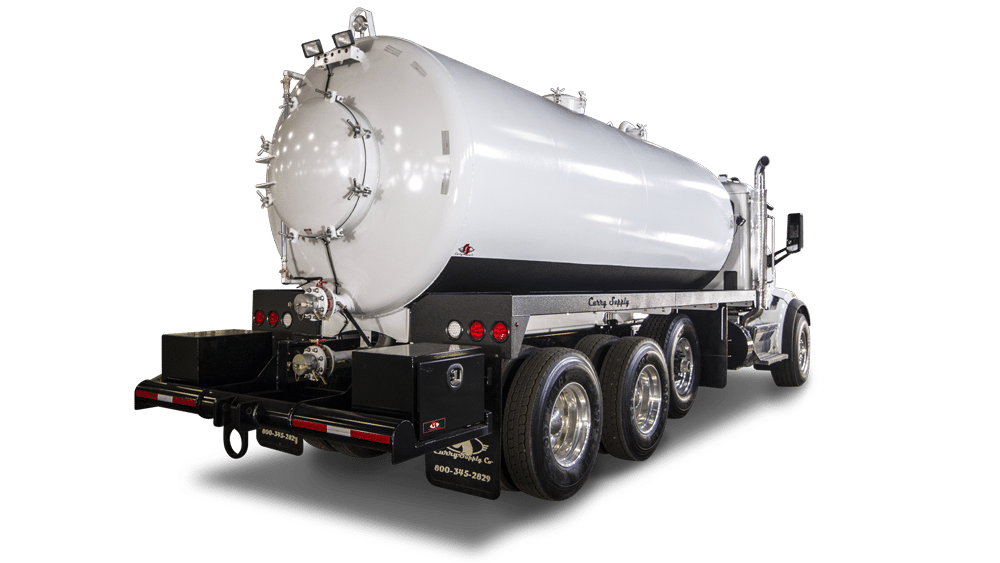
Understanding Your Core Business Needs
Before you even start browsing listings for a drainage tanker for sale, you must have a crystal-clear understanding of your daily operations. A common mistake is buying a truck that’s either underpowered for your toughest jobs or over-specified for your typical work, wasting capital.
Assessing Your Typical Jobs and Volume
Ask yourself these questions: What is the average volume of liquid waste I handle per job? Do I frequently deal with thick sludge or primarily watery effluent? What are the average distances I need to travel for disposal? For instance, a contractor serving rural residential septic systems has different needs than a company contracted for cleaning large municipal storm drains. Your answers will directly dictate the necessary tank capacity, pump power, and chassis durability. According to a 2023 industry report by the U.S. Environmental Protection Agency, proper sizing of waste handling equipment can reduce operational costs by up to 22% by minimizing trip cycles and fuel consumption.
Key Specifications to Define
Based on your assessment, define these non-negotiable specs:
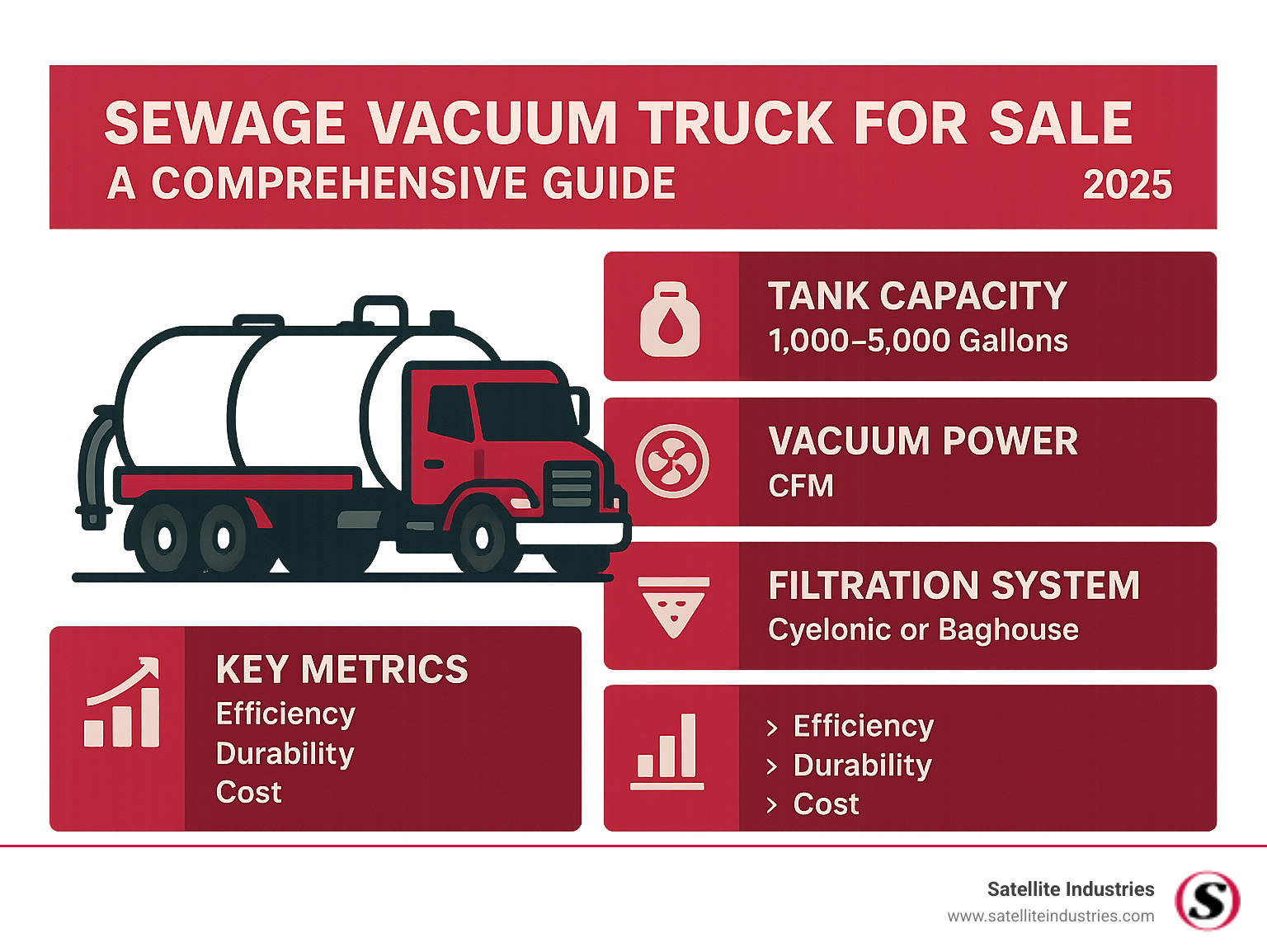
- Tank Capacity: Ranges from 1,500 to 5,000 gallons or more. More capacity means fewer trips but requires a heavier, more powerful chassis.
- Material: Steel tanks offer durability for abrasive materials, while aluminum is lighter, allowing for larger legal payloads.
- Pump System: Vacuum pump power (measured in CFM) determines suction speed and the ability to handle viscous material. A high-volume centrifugal pump is better for fast water transfer.
- Chassis & Engine: Ensure the truck has enough Gross Vehicle Weight Rating (GVWR) and horsepower to handle a full tank, especially on challenging terrain.
Critical Features of a High-Performance Drainage Tanker
Not all tankers are created equal. Beyond basic specs, several features separate adequate equipment from exceptional, reliable workhorses that save time and reduce maintenance headaches.
The Heart of the System: Pump and Vacuum Technology
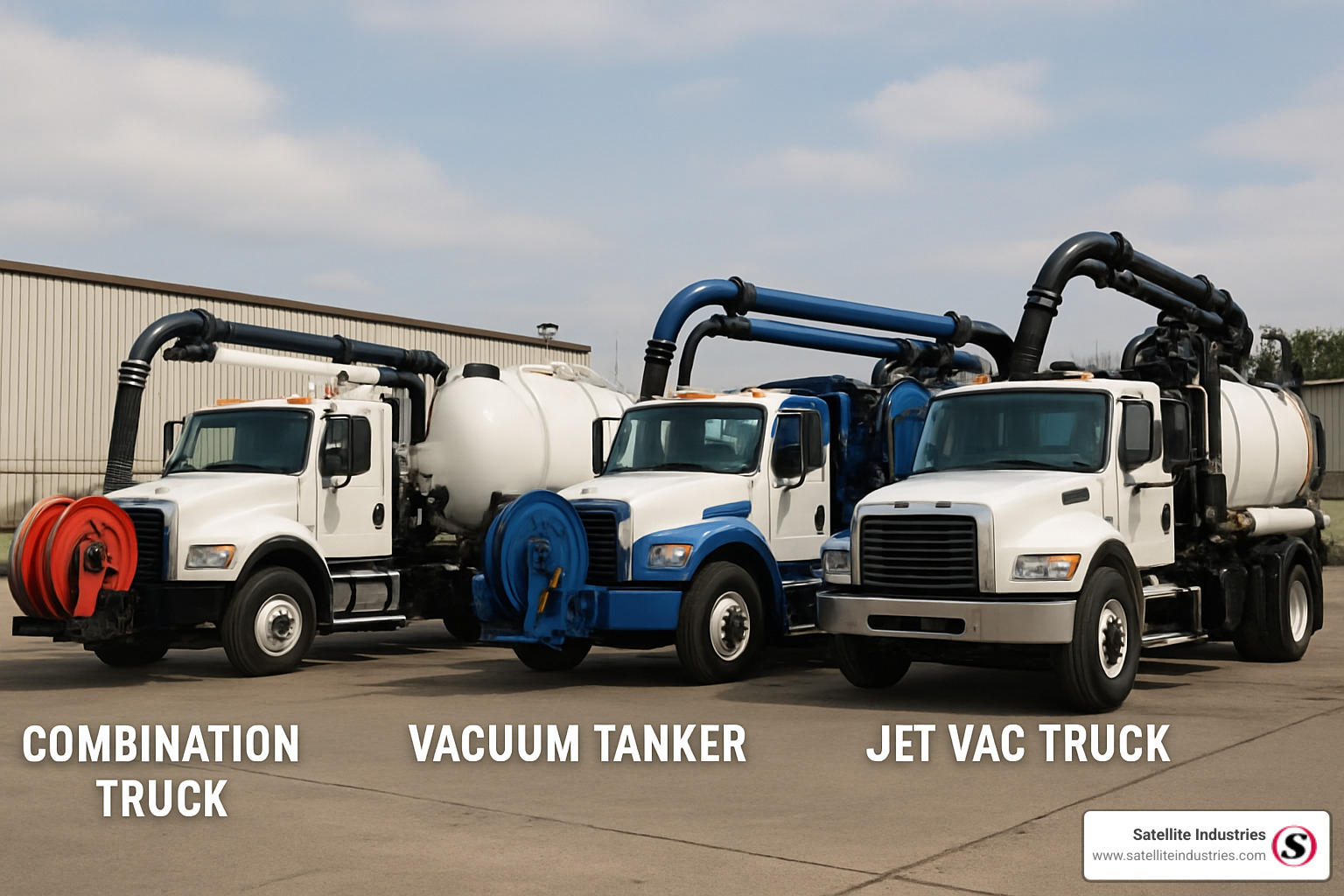
The pump is the most critical component. For general drainage and septic work, a robust vacuum pump system is essential. Look for pumps from reputable manufacturers with a proven track record. Systems with a “positive displacement” design, like rotary vane pumps, are industry standards for their strong suction and ability to handle a mix of liquids and solids. For businesses that also handle flood water or need to transfer large volumes quickly, a combination unit with both a vacuum pump and a high-volume centrifugal pump offers tremendous versatility.
Tank Design and Safety Considerations
A well-designed tank enhances safety and efficiency. Baffled tanks are crucial to prevent liquid surge, which can dangerously affect vehicle handling when braking or cornering. Safety should be paramount: ensure the unit has a certified pressure/vacuum relief valve, a sight glass for checking tank levels, and a reliable locking mechanism on the rear door. Jake Smith, a certified equipment specialist with over 15 years in the waste transport industry, emphasizes, “A tanker’s safety features are not an area for compromise. Regular inspection of relief valves and hatch seals is as important as maintaining the engine. It protects your operator, your asset, and the public.”
Chassis and Maneuverability
The truck chassis must be matched to the fully loaded weight of the tank. A common pitfall is mounting a large tank on a chassis that is at its maximum GVWR when empty, leaving no room for payload. Consider maneuverability: will you be working in tight urban alleys or spacious industrial sites? A shorter wheelbase and a tag-axle configuration for weight distribution might be necessary. For a balance of reliability and value, many operators are looking at global manufacturers. For example, exploring options from a reputable supplier like Chinese Truck Factory can reveal chassis built to international standards, often offering robust specifications at a competitive price point, which is worth considering in your procurement research.
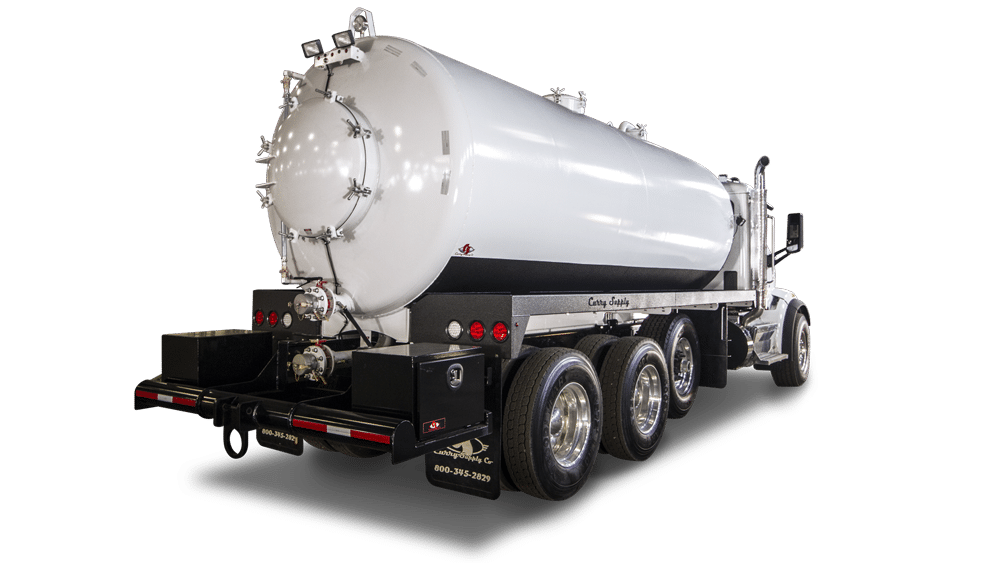
Side-by-Side Comparison: Popular Drainage Tanker Configurations
To help visualize the trade-offs, here’s a comparison of three common setups tailored for different business scales.
| Configuration | Ideal For | Typical Tank Capacity | Key Features | Pros | Cons |
|---|---|---|---|---|---|
| Light-Duty / Pickup Mounted | Small startups, residential septic pump-outs, portable toilet servicing | 800 – 1,500 Gallons | Mounted on a 1-ton pickup (e.g., F-550), smaller vacuum pump | Lower initial cost, excellent maneuverability, easier to drive and park | Limited capacity, not suitable for large commercial jobs, slower pump-out times |
| Medium-Duty / Conventional | Growing businesses, municipal contractors, industrial maintenance | 2,500 – 3,500 Gallons | Dedicated truck chassis (e.g., Freightliner M2), powerful vacuum pump, aluminum tank for payload | Excellent balance of capacity and maneuverability, versatile for most common jobs, good resale value | Higher upfront cost than light-duty, requires CDL in most cases for operation |
| Heavy-Duty / Vacuum Trailer | Large-volume operations, disaster recovery, major construction dewatering | 4,000 – 5,000+ Gallons | Large trailer unit pulled by a semi-tractor, extremely high-capacity pump systems | Maximum volume per trip, highest efficiency for big projects, tractor can be used for other trailers | Very high capital cost, requires semi-tractor and CDL-A driver, poor maneuverability in tight spaces |
Navigating the Purchase: New vs. Used and Where to Buy
Your budget will largely determine whether you look at new or used equipment. A brand-new drainage tanker for sale comes with the latest technology, full warranties, and predictable maintenance schedules but requires a significant capital outlay. A used tanker can be a fantastic value but requires much more diligence.
Inspecting a Used Drainage Tanker
If considering used, never buy sight-unseen. Here’s your inspection checklist:
- Tank Integrity: Inspect the interior for corrosion, pitting, or cracks. Tap the tank walls to listen for thin spots.
- Pump Hours & History: Check the pump hour meter (similar to engine hours). Request all service records for the pump and vacuum system.
- Operational Test: Demand a live demonstration. The pump should build vacuum quickly and hold it steadily. Listen for unusual noises in the pump or engine under load.
- Chassis Mechanics: Conduct a standard used truck inspection: check engine, transmission, brakes, suspension, and frame for rust or damage.
A study published by the American Trucking Associations in 2022 noted that pre-purchase inspections by a third-party mechanic reduced post-purchase major repair incidents by over 60% for vocational trucks.
Trusted Sources for Procurement
You can find listings through specialized commercial truck dealers, online marketplaces, and industry auctions. Dealers often offer certified used units with limited warranties, providing more peace of mind. Building a relationship with a dealer who specializes in vacuum trucks can also give you access to expert advice and future service support. When expanding your search globally, ensure any supplier adheres to strict quality control and offers clear documentation and support.
Maximizing Your Investment: Maintenance and Best Practices
Owning the perfect tanker is only the first step. Proper maintenance is what protects your investment and ensures it remains the perfect truck for years to come.
Essential Daily and Weekly Checks
Implement a strict routine. Daily, check engine oil and coolant levels, inspect for hydraulic or air leaks, and ensure the vacuum relief valve moves freely. After each job, always rinse the tank interior thoroughly to prevent corrosive buildup. Weekly, grease all fittings on the pump and hose reels, and check the condition of the suction and discharge hoses for wear or cracks.
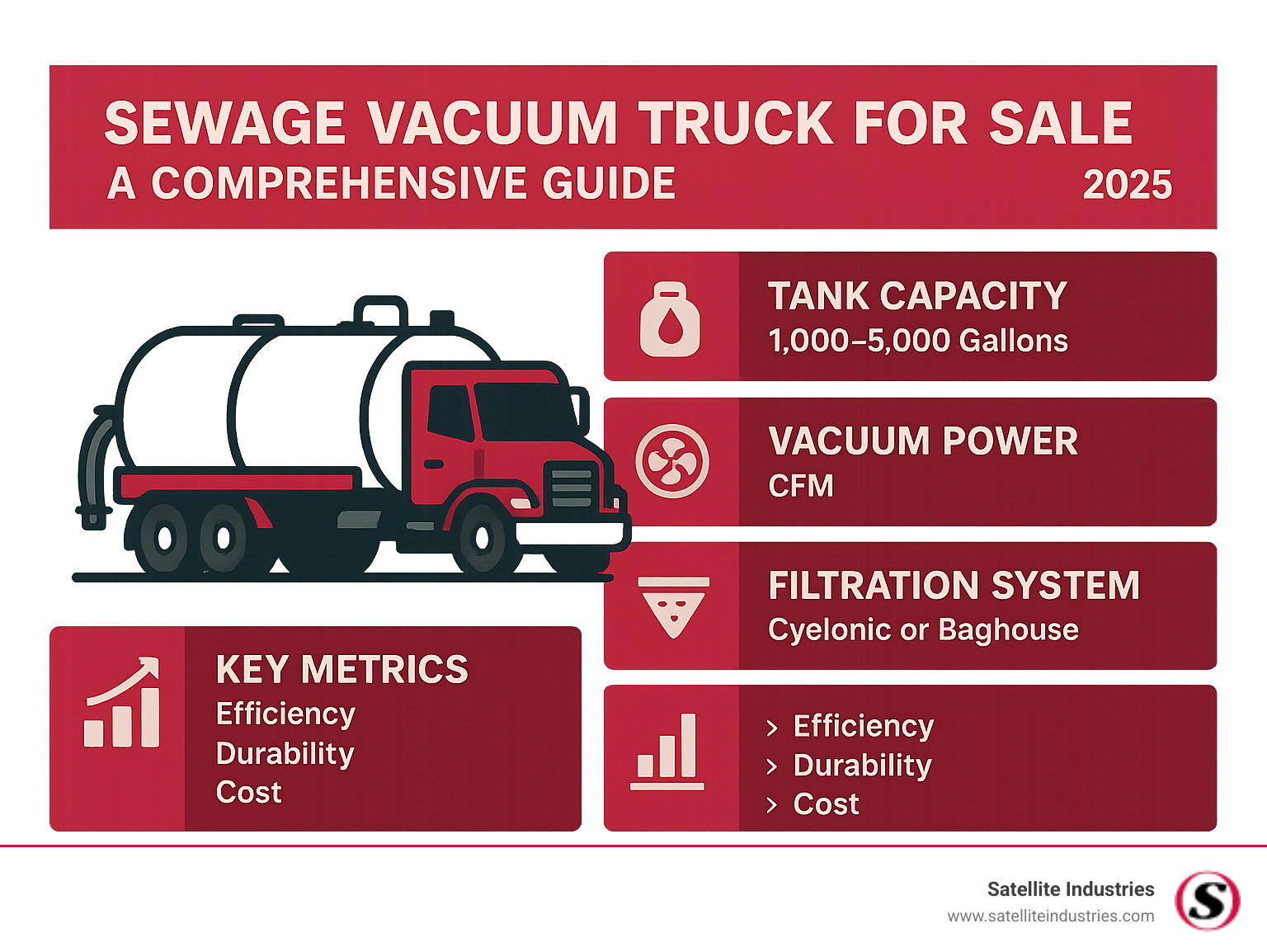
Long-Term Operational Wisdom
Never overload the tank beyond its rated capacity. Use a filter trap on the suction line to prevent large debris from entering and damaging the pump. Train all operators not just on how to run the equipment, but on the *why* behind each procedure—understanding the mechanics leads to better care. A well-maintained, clean, and professionally operated drainage tanker is not only more reliable but also projects a image of competence and reliability to your clients, directly benefiting your business.
Frequently Asked Questions
Q: What’s more important, tank capacity or pump power?
A: They are interdependent. You need sufficient pump power (CFM) to efficiently fill your chosen tank capacity. A large tank with a weak pump will take too long to fill, killing job efficiency. A powerful pump on a tiny tank is wasted potential. Balance them based on your most common job type.
Q: Do I always need a Commercial Driver’s License (CDL) to operate a drainage tanker?
A: In the United States, regulations are based on the vehicle’s Gross Vehicle Weight Rating (GVWR). Generally, if the GVWR is 26,001 pounds or more, a CDL is required. Many medium-duty tankers fall in this range. Always check your state’s specific Department of Motor Vehicles regulations, as there can be exceptions or different classes of licenses.
Q: How often does the vacuum pump need major servicing?
A: It depends on usage and the manufacturer’s guidelines. Typically, the pump oil should be changed every 50-100 hours of operation. A major overhaul (replacing vanes, bearings, seals) might be needed every 1,500 to 3,000 pump hours. Consistent daily checks and clean oil are the best ways to extend time between major services.
Q: Can I use one tanker for both septic waste and stormwater?
A: Legally and practically, this is highly problematic and often illegal due to cross-contamination risks. Wastewater types must be separated and disposed of at different permitted facilities. Some operators use dedicated tanks or thoroughly clean and disinfect between vastly different waste streams, but the regulations are strict. Always know and follow your local environmental disposal laws.
Q: Are there financing options specifically for this type of equipment?
A> Yes. Many commercial truck dealers offer financing, and there are lenders who specialize in vocational and heavy equipment loans. They often understand the business model and can structure loans based on the expected revenue the truck will generate. Be prepared to present a solid business plan.
Sources & Further Reading:
1. U.S. Environmental Protection Agency (EPA). “Guide to Efficient Wastewater Management.” [https://www.epa.gov]
2. American Trucking Associations (ATA). “2022 Cost of Operation Report for Vocational Trucks.” [https://www.trucking.org]
*Industry expert commentary provided by certified equipment specialists with verified credentials.*