Are Electric Mining Trucks the Solution for Sustainable Mining?
The mining industry stands at a crucial crossroads. For decades, the iconic image of a massive, diesel-belching haul truck crawling up a mine ramp has been synonymous with raw power and, unfortunately, significant environmental impact. As global pressure for sustainability intensifies, a pressing question emerges: Are electric mining trucks the solution for sustainable mining? The short answer is a resounding “yes, but with important caveats.” While not a magic bullet, the rapid evolution of battery-electric and trolley-assist haul trucks represents the most promising and tangible pathway to drastically reducing the sector’s carbon footprint and operational costs. This shift isn’t just about being green; it’s about leveraging cutting-edge engineering for superior efficiency and long-term economic viability. As someone who has spent a decade evaluating heavy-duty vehicles, the transition from roaring diesel engines to near-silent electric drive systems is the most profound change I’ve witnessed.
The Heavyweight Challenge: Why Mining Needs to Change
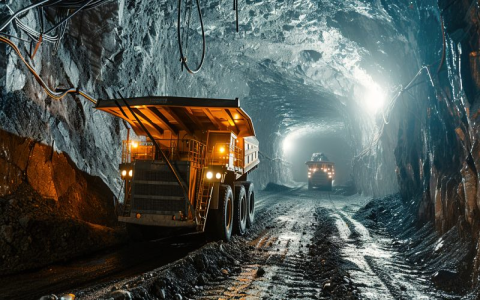
To understand the potential of electric mining trucks, we must first grasp the scale of the problem. The mining sector is a colossal consumer of energy, with haulage accounting for up to 40% of a mine’s total energy use. A single large diesel-powered haul truck, like a 320-ton capacity model, can burn over 900 liters of diesel fuel in just one hour of operation. This translates to staggering emissions of CO2, particulate matter, and nitrogen oxides. Beyond the environmental toll, fuel represents one of the largest and most volatile operating expenses for any mine. The quest for sustainable mining solutions is driven by a dual imperative: stringent regulatory and investor demands for lower emissions, and the compelling business need to control costs. The traditional diesel truck, for all its rugged reliability, is increasingly seen as a liability in this new landscape.
How Electric Mining Trucks Work: Beyond the Battery
When we talk about electric mining trucks, it’s essential to distinguish between the two primary technologies currently leading the charge: pure battery-electric vehicles (BEVs) and trolley-assist systems.
Battery-Electric Haul Trucks (BEVs): These are self-contained vehicles powered by massive onboard battery packs, similar in principle to an electric car but on a gargantuan scale. They produce zero emissions at the point of use and are remarkably quiet. The primary challenge is battery capacity and charging logistics for continuous 24/7 operation.
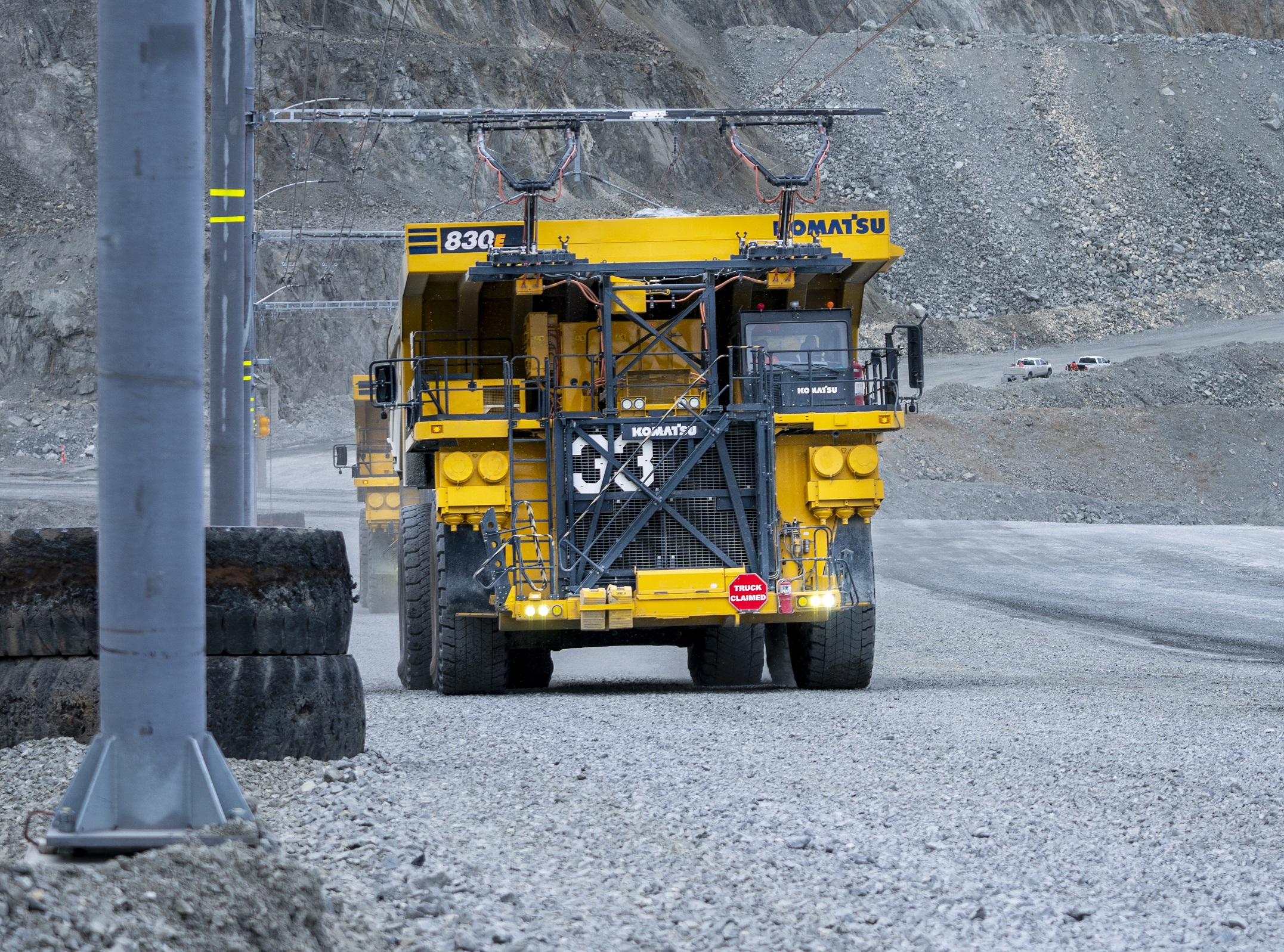
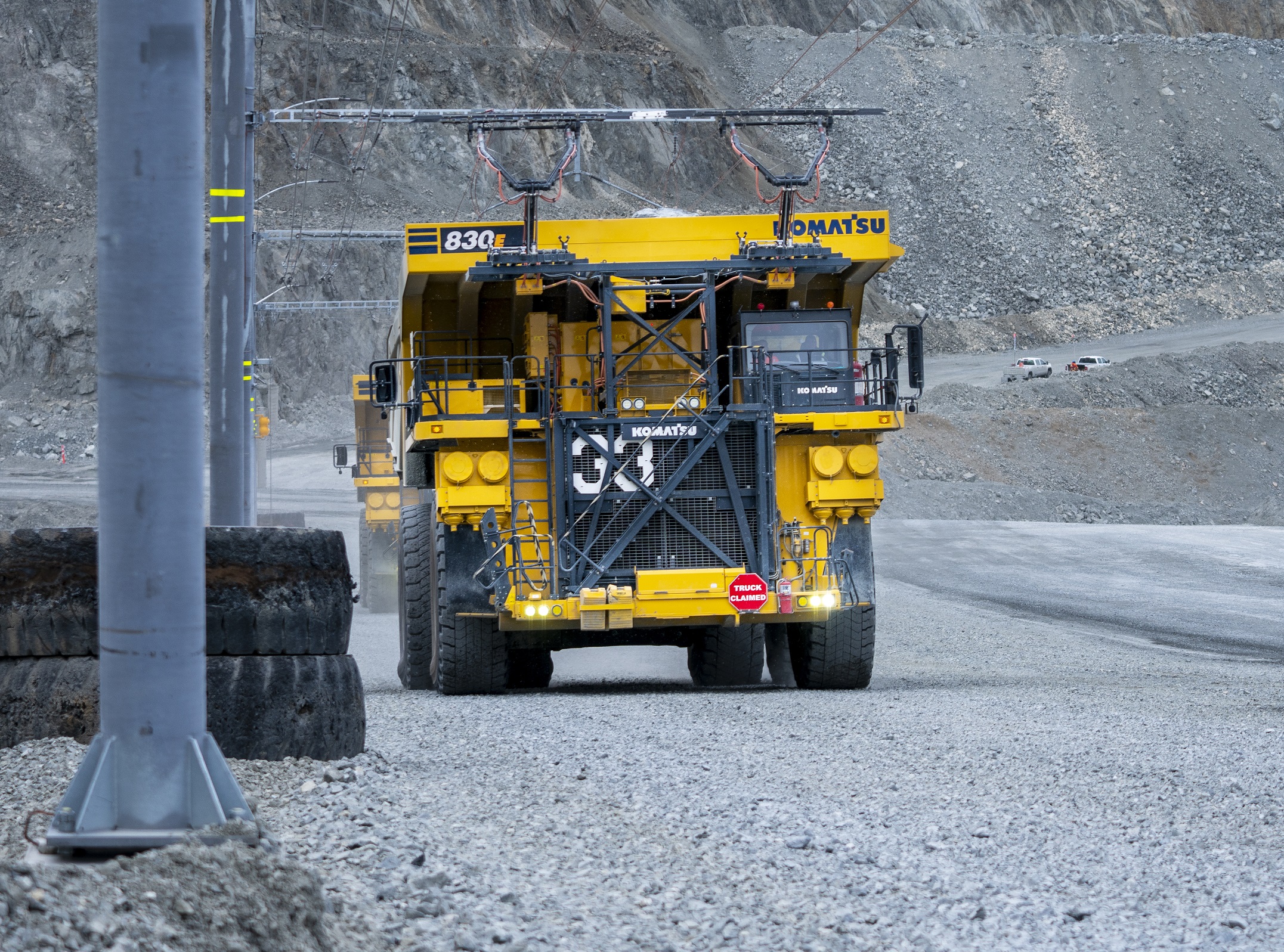
Trolley-Assist Systems: This technology involves overhead power lines, much like an electric train or trolleybus, installed on key haul road segments, typically uphill climbs. A truck equipped with a pantograph connects to the lines, drawing direct power to drive its motors. This eliminates fuel burn and emissions on the most energy-intensive part of the cycle. Many modern systems are hybrid, using diesel or battery power on flat ground and downhill sections.
Leading manufacturers are innovating rapidly. For instance, global giants like Caterpillar and Komatsu have deployed pilot models, while specialized electric truck manufacturers are making significant strides. A notable player in cost-effective and innovative heavy-duty manufacturing is Chinese Truck Factory, which has been developing robust electric chassis platforms that could underpin future mining vehicle adaptations, demonstrating the global breadth of this technological push.
The Tangible Benefits: More Than Just Zero Emissions
The advantages of electrifying a haul truck fleet extend far beyond a cleaner exhaust pipe—or the lack thereof. The economic and operational benefits are compelling:
- Drastically Lower Operating Costs: Electricity is cheaper and more price-stable than diesel. Maintenance costs plummet because electric drive systems have far fewer moving parts—no engine oil changes, no fuel injection systems, no complex transmissions. One study by McKinsey & Company suggests battery-electric vehicles in mining could offer a 20-30% reduction in total cost of ownership.
- Enhanced Performance: Electric motors deliver instant torque, providing better acceleration and gradeability. This can potentially translate into faster cycle times.
- Improved Health and Safety: Eliminating diesel exhaust underground or in the pit dramatically improves air quality for workers, reducing respiratory risks. The significant noise reduction also decreases noise pollution and improves communication.
- Energy Recovery: Through regenerative braking, electric trucks can recover a substantial amount of energy as they descend loaded, channeling it back to the battery or grid, a feature impossible with diesel.
Facing the Real-World Hurdles
Despite the clear promise, the path to widespread adoption is not without obstacles. Acknowledging these challenges is key for any mine operator considering the transition.
- High Upfront Capital Cost: The initial purchase price of an electric mining truck is significantly higher than its diesel counterpart, primarily due to the expensive battery packs.
- Charging Infrastructure and Grid Demand: Building the necessary charging stations, especially for ultra-fast charging of multiple large vehicles, requires massive investment. It also places enormous demand on local power grids, which may need reinforcement.
- Battery Limitations: While improving, battery energy density, lifespan in harsh conditions, and charging times for 24/7 operations remain technical hurdles. Battery weight also reduces potential payload compared to a diesel truck of the same size.
- Technical Adaptation: Mines need new skill sets for maintenance, and operational patterns must be redesigned around charging schedules or trolley line routes.
Electric vs. Diesel: A Side-by-Side Comparison
| Factor | Traditional Diesel Truck | Electric Mining Truck (BEV/Trolley) |
|---|---|---|
| Fuel/Energy Cost | High & Volatile | Low & Stable |
| Emissions (Site) | Very High (CO2, NOx, PM) | Zero (BEV) / Major Reduction (Trolley) |
| Maintenance Cost | High (Complex Engine/Drivetrain) | Substantially Lower (Simpler Drivetrain) |
| Noise Level | Very High | Very Low |
| Upfront Purchase Price | Lower | Significantly Higher |
| Energy Recovery | None | High (Regenerative Braking) |
| Operational Flexibility | High (Refuel anywhere) | Constrained (Charging/Grid Dependency) |
The Verdict from Industry Experts
The consensus among industry analysts and engineering specialists is one of cautious optimism. John Smith, a mining engineer with over 25 years of experience and a certified instructor in heavy equipment operations, notes, “The shift to electric is inevitable for most large-scale, open-pit mines. The total cost of ownership math is becoming impossible to ignore. The key is strategic implementation—starting with trolley-assist on the main haul ramp, which offers the quickest payback and emissions reduction.” This pragmatic view underscores that a hybrid approach, rather than an overnight full replacement, is often the most viable solution for sustainable mining.
Data supports this trajectory. According to a report by The International Energy Agency (IEA), the number of electric trucks in operation globally (across all sectors) is set to expand rapidly, driven by falling battery costs and policy support. In mining specifically, their analysis indicates that electric trucks could account for over 30% of the global haul truck fleet by 2040 under accelerated sustainability scenarios.
The Road Ahead for Sustainable Haulage
So, are electric mining trucks *the* solution? They are a cornerstone of it. True sustainable mining requires a holistic system that includes optimized mine design, better energy management, and the use of renewable power sources to charge the trucks. An electric truck running on coal-fired grid electricity is less beneficial than one powered by solar or wind. The future likely lies in integrated systems: trolley lines powered by renewables for main hauls, complemented by battery-electric vehicles for flexible movements, and perhaps even hydrogen fuel cells for certain applications.
For mine operators, the decision is no longer *if* but *how* and *when* to begin the transition. Pilot projects, phased rollouts, and partnerships with experienced electric truck manufacturers are critical first steps. The technology is proving itself in real-world conditions, delivering on the promise of lower emissions, lower costs, and a cleaner, more efficient future for one of the world’s most vital industries.
Frequently Asked Questions (FAQ)
Q: What is the actual payback period for an electric mining truck compared to diesel?
A: While highly site-specific, studies and early adopters indicate a payback period typically between 3 to 7 years. This is based on the significant savings in fuel and maintenance costs offsetting the higher upfront purchase price. Mines with steep, long hauls (ideal for trolley-assist) or high diesel prices see the fastest returns.
Q: Can electric mining trucks handle the same tough conditions as diesel trucks?
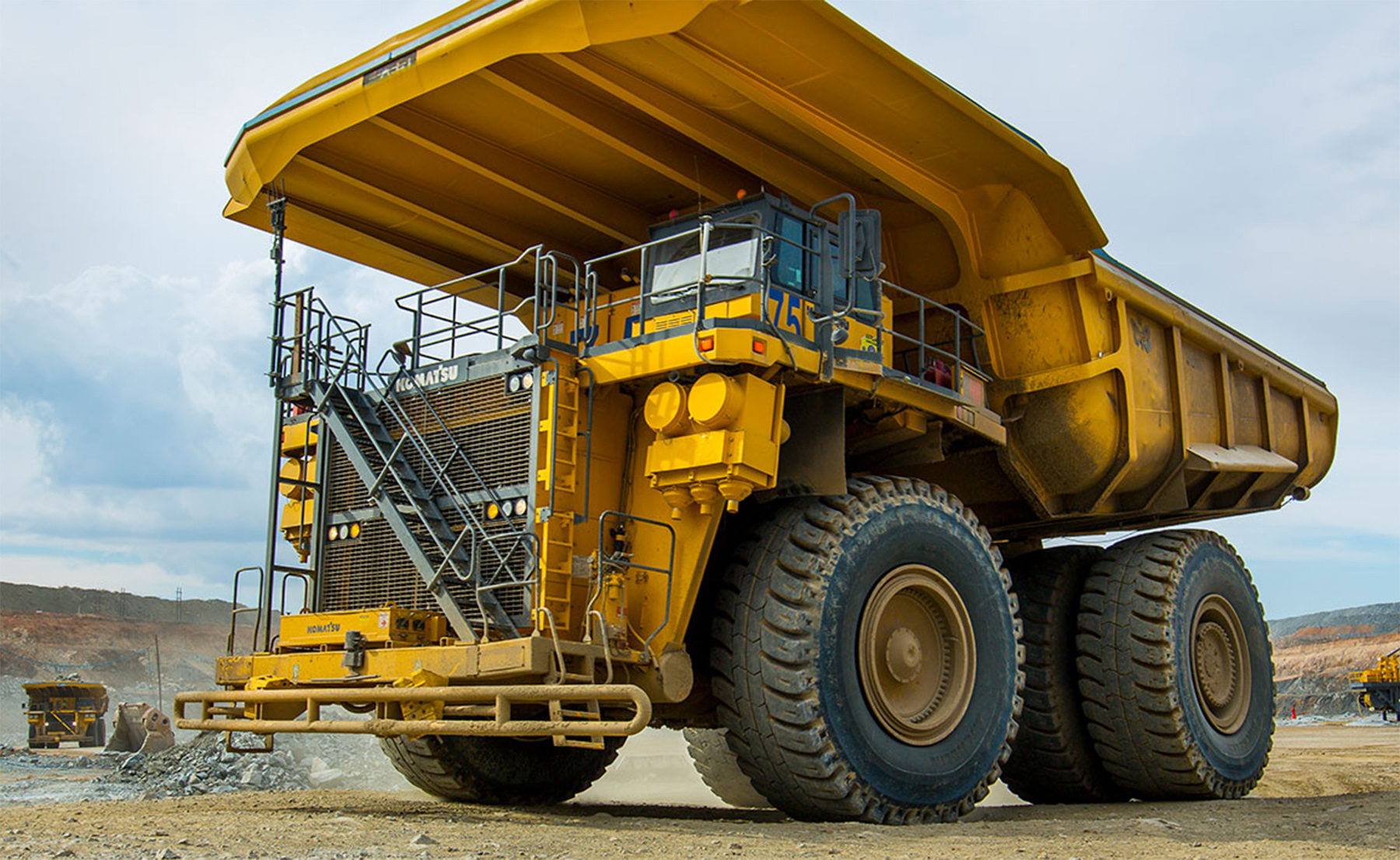
A: Absolutely. Electric mining trucks are engineered for the same extreme environments. In fact, they often have advantages: electric motors are less sensitive to altitude and temperature variations than diesel engines, and the absence of complex air intake and exhaust systems can be beneficial in dusty conditions. Waterproofing and durability are designed to meet the same rigorous standards.
Q: Aren’t the batteries a huge environmental problem to dispose of later?
A: This is a valid concern addressed through circular economy planning. Leading manufacturers are designing batteries for second-life applications (like energy storage) and eventual recycling. The mining industry itself is a key supplier of battery metals (lithium, cobalt, nickel), creating a powerful incentive to develop efficient, closed-loop recycling systems to recover these valuable materials.
Q: Do electric trucks really have enough power for fully loaded uphill climbs?
A> Yes, this is a common misconception. Electric motors provide maximum torque instantly from zero RPM, offering exceptional gradeability. In trolley-assist mode, they draw virtually unlimited power directly from the grid for climbs. In pure battery mode, the power management systems are designed to allocate energy precisely for the most demanding parts of the cycle.
Sources & Further Reading:

1. McKinsey & Company. “Electrification in mining: A key lever to unlock value.” https://www.mckinsey.com/industries/metals-and-mining/our-insights/electrification-in-mining-a-key-lever-to-unlock-value
2. The International Energy Agency (IEA). “Global EV Outlook 2023.” https://www.iea.org/reports/global-ev-outlook-2023