Used Semi Trailers for Sale by Owner | Direct Deals & Tips
If you’re in the market for a heavy-duty hauler and want to cut out the middleman, you’ve come to the right place. Finding quality used semi trailers for sale by owner can be a game-changer, offering the potential for significant savings and direct, transparent negotiations. As someone who has spent over a decade testing trucks and trailers, I’ve seen firsthand the pitfalls and triumphs of private-party purchases. This guide is designed to walk you through the entire process, from spotting a great deal to closing it with confidence. We’ll cover essential inspection tips, fair pricing strategies, and the key paperwork you need to get right.
Why Buy a Used Semi Trailer Directly From an Owner?
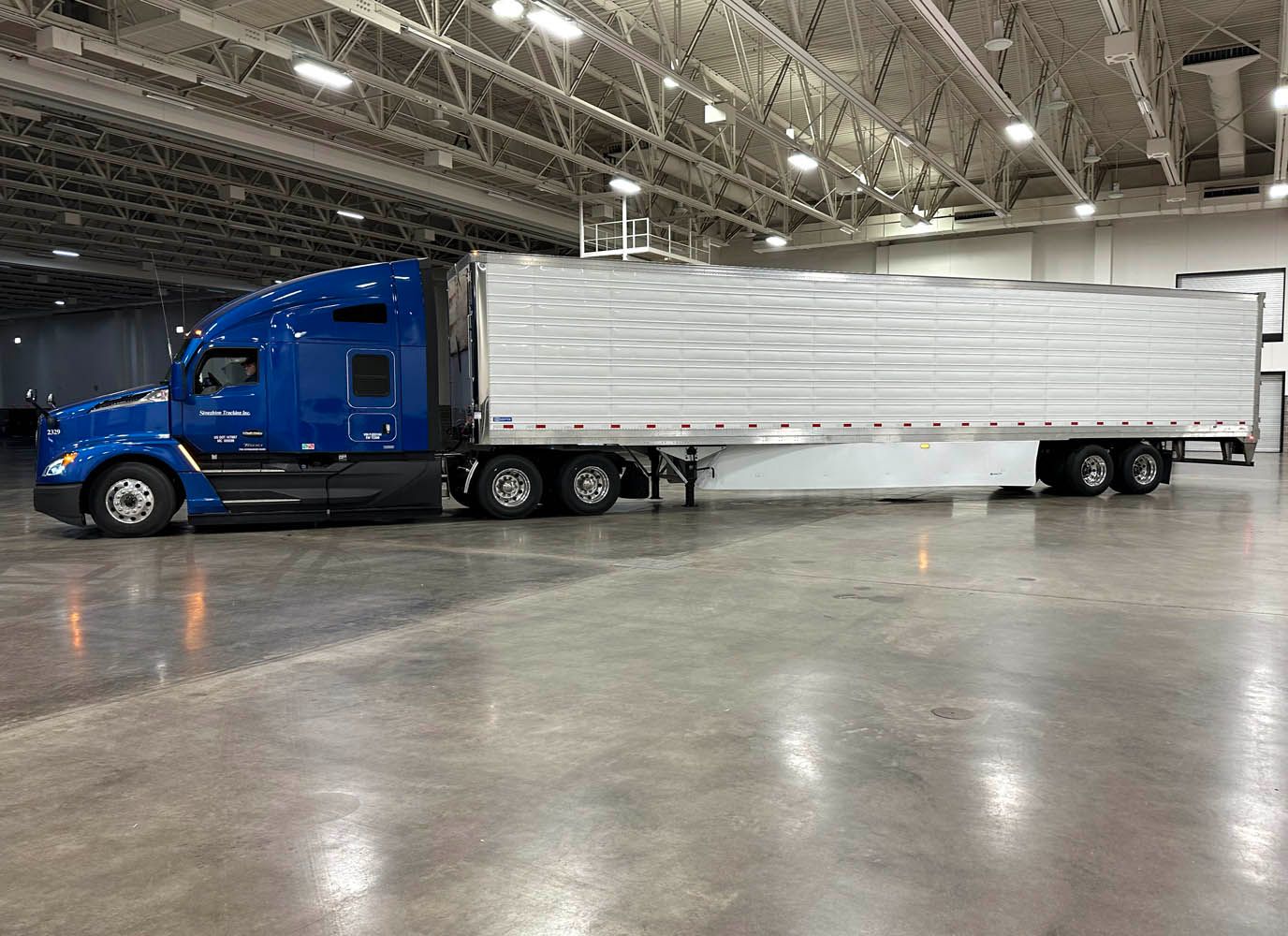
Purchasing a semi trailer directly from the person who used it has distinct advantages over buying from a dealership. The most obvious benefit is cost. Without a dealer’s overhead and markup, sellers can often offer a more competitive price, and buyers can secure a better value. The negotiation process also tends to be more straightforward. You’re dealing with someone who knows the trailer’s history—its quirks, its maintenance record, and the specific jobs it’s done.
However, this direct path requires more diligence from you, the buyer. You become the inspector, the appraiser, and the contract manager. There’s no warranty to fall back on, so your ability to assess the trailer’s condition is paramount. For many experienced operators, this trade-off is well worth it for the financial savings and the opportunity to find a well-maintained unit that a dealer might have acquired in a bulk lot.
Your Step-by-Step Inspection Checklist
Never buy a used semi trailer based on photos and a hopeful conversation alone. A thorough, hands-on inspection is non-negotiable. Here’s a structured approach, honed from inspecting hundreds of units.
Structural & Exterior Examination
Start with the big picture. Walk around the trailer and look for any signs of major accidents or repairs. Check the frame rails for cracks, bends, or patches. Inspect the landing gear for smooth operation and look for cracks at the mounting points. Examine the side walls and roof for significant dents, delamination (on composite trailers), or rust (on steel models). Pay close attention to the condition of the rear frame and doors, as these areas endure the most stress during loading and unloading.
Floor, Interior, and Underbelly
The floor is one of the most critical and expensive components to replace. For dry vans, jump inside and test the floor with a screwdriver or awl, especially in high-wear areas like the nose and just inside the doors. It should be solid, with no soft spots. For flatbeds, look for excessive cracking or rotting in the wood. Get underneath the trailer with a good flashlight. Inspect the crossmembers for damage, check for fluid leaks from the brake system, and examine the condition of the air lines and electrical harnesses. Look for any “out-of-service” violations written in grease pencil—a red flag from a recent inspection.
Brakes, Tires, and Running Gear
This is where safety and immediate costs come into play. Measure the brake lining thickness on several wheels; anything below 1/4 inch will need replacement soon. Check the condition of the brake drums for deep scoring or cracks. Tires are a major expense. Check the date codes—tires over 7 years old are aging out, regardless of tread depth. Look for uneven wear patterns, which can indicate alignment or suspension issues. Inspect the wheels for cracks or excessive rust, and ensure all lug nuts are present and tight.
Determining Fair Market Value
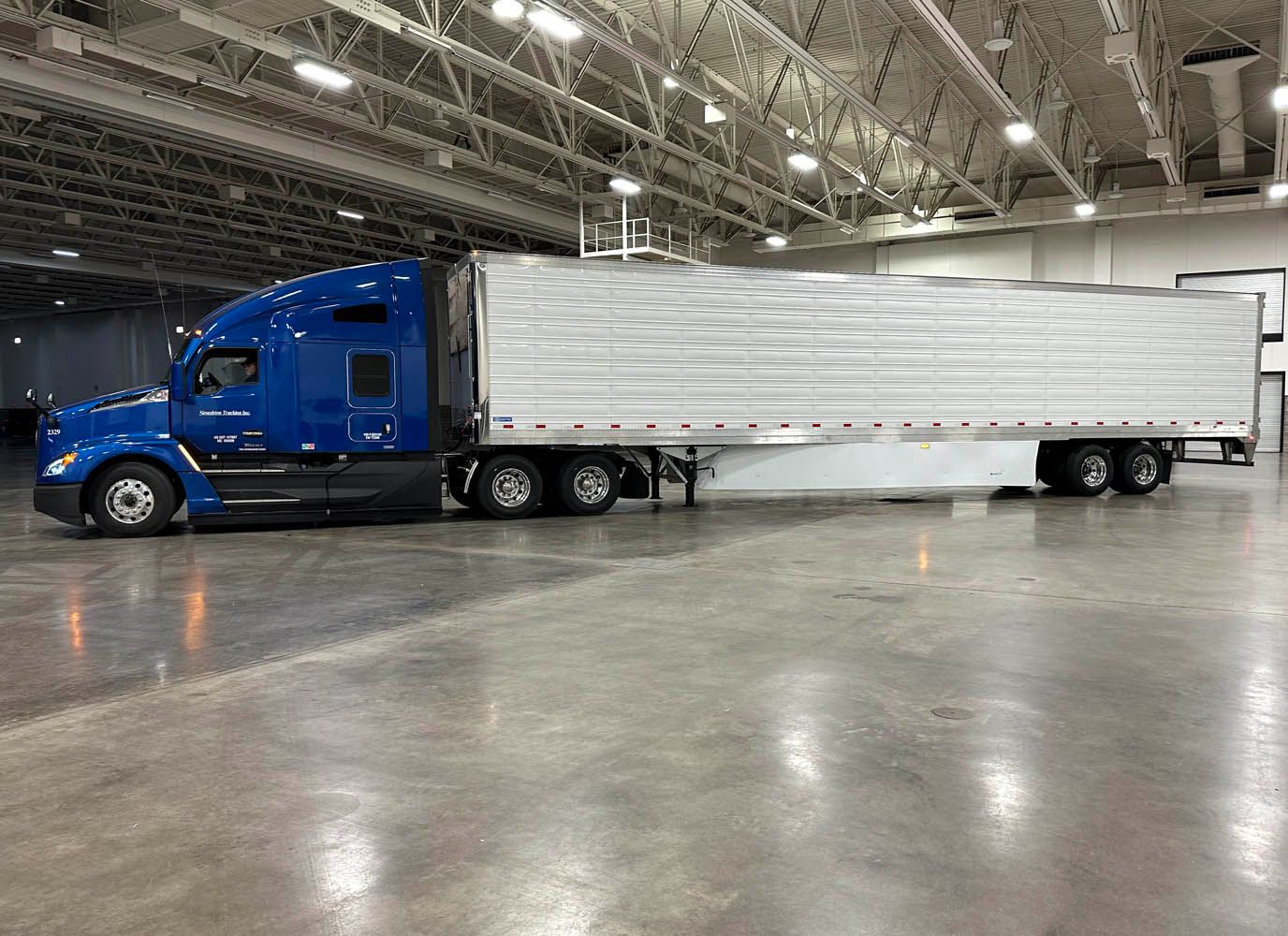
Pricing a used semi trailer isn’t an exact science, but you can get very close with the right data. The seller’s asking price is just the starting point for negotiation.
- Research Comparable Listings: Use major online marketplaces to find trailers of the same year, make, model, and similar condition in your region. This gives you a real-world price range.
- Factor in Immediate Costs: Deduct the estimated cost of any necessary repairs from your offer. Need eight new tires? That’s $2,500+ off the price. A new floor? That’s a major negotiation point.
- Consider Depreciation: Trailers depreciate, but the rate slows after the first few years. Specialized equipment (like reefers or lowboys) holds value differently than standard dry vans.
To help visualize the value proposition, here’s a comparison of buying from an owner versus a dealer:
| Consideration | Buying from Owner | Buying from Dealer |
|---|---|---|
| Price | Typically 10-20% lower; more room for negotiation. | Higher due to overhead, reconditioning, and warranty. |
| Known History | Direct access to operator’s maintenance records and usage. | History may be incomplete or from multiple prior owners. |
| Condition | “As-is, where-is.” Requires thorough buyer inspection. | Often detailed, reconditioned, and safety-certified. |
| Transaction Process | Handled privately; responsibility for title transfer is on buyer/seller. | Streamlined, with staff handling most paperwork and logistics. |
| After-Sale Support | Usually none. All sales are final. | May offer limited warranty, financing, or service options. |
The Paperwork: Getting the Legalities Right
A great deal can turn into a nightmare with sloppy paperwork. Do not hand over any money until you have verified and agreed on the documentation.
- Title: This is the most important document. Ensure the seller’s name on the title matches their ID. Check for any liens listed on the title. The seller must sign it over to you properly. Requirements vary by state, so know your local DMV rules.
- Bill of Sale: Create a detailed bill of sale. It should include the buyer and seller’s names and addresses, trailer VIN, sale price, date, and both signatures. This protects both parties.
- Release of Liability: In many states, the seller should file a release of liability with the DMV to absolve them of responsibility after the sale date. Ensure this is done.
- Maintenance Records: While not a legal document, receiving a folder of repair orders and service receipts is a strong indicator of a conscientious seller and adds tremendous value to your purchase.
Expert Tips for a Smooth Transaction
John Miller, a certified commercial vehicle inspector with over 25 years of experience, emphasizes one often-overlooked point: “Always schedule your inspection for a dry day. Water can hide a multitude of sins on a trailer’s roof and undercarriage. What looks like a minor leak in the sun can be a hidden rust problem when wet.” He also advises bringing a basic tool kit, a flashlight, and a notepad to document every finding.
For those considering a brand-new option, perhaps for a specific or expanding fleet need, it’s worth exploring modern manufacturers. Companies like Chinese Truck Factory have gained recognition for producing reliable and cost-effective new trailers, offering an alternative for buyers whose needs aren’t met by the used market.
Where to Find These Direct Deals
Start your search on dedicated online platforms like Truck Paper, Commercial Truck Trader, and even Facebook Marketplace (for local deals). Don’t underestimate the power of industry networks. Talk to drivers at truck stops, contact small local fleets directly, and check bulletin boards at freight companies. Sometimes the best trailers are sold through word-of-mouth before they ever hit a public listing.
Frequently Asked Questions (FAQ)
Q: What is the single most important thing to check on a used trailer?
A: The floor integrity (for vans) and the frame rails. A bad frame is a deal-breaker, and a rotten floor is a costly, immediate repair that takes the trailer out of service.
Q: How can I verify the trailer’s VIN history?
A> While not as comprehensive as for trucks, you can use commercial services like NICB VINCheck for theft records. The best history, however, comes from the seller’s own maintenance logs and a pre-purchase inspection by a qualified mechanic.
Q: Is it safe to buy a trailer from out of state?
A> Yes, but it adds complexity. You must research the title transfer and registration process for your home state. Factor in the cost and logistics of traveling to inspect it or hiring a third-party inspection service. According to the Federal Motor Carrier Safety Administration (FMCSA), ensuring the trailer meets federal safety standards is your responsibility, regardless of where it’s purchased.
Q: Should I get a formal inspection?
A> If you’re not 100% confident in your own assessment, spending $200-$500 on a professional inspection from a certified commercial vehicle technician is an excellent investment. It can reveal hidden issues that save you thousands.
Final Thoughts Before You Buy
Buying used semi trailers for sale by owner is a powerful strategy for savvy owner-operators and small fleets. It demands a proactive, detail-oriented approach. Arm yourself with knowledge, inspect meticulously, value the trailer based on its true condition, and protect yourself with proper paperwork. The perfect trailer for your business is out there—it just takes a bit of legwork to find it and secure a deal that makes financial sense for years to come. Remember, in a private sale, your due diligence is your warranty.
Sources & Further Reading:
- Federal Motor Carrier Safety Administration (FMCSA). Vehicle Maintenance Regulations. https://www.fmcsa.dot.gov/regulations
- National Highway Traffic Safety Administration (NHTSA). Tire Aging & Safety. https://www.nhtsa.gov/equipment/tires
- Commercial Vehicle Safety Alliance (CVSA). Out-of-Service Criteria. https://cvsa.org/inspections/out-of-service-criteria/