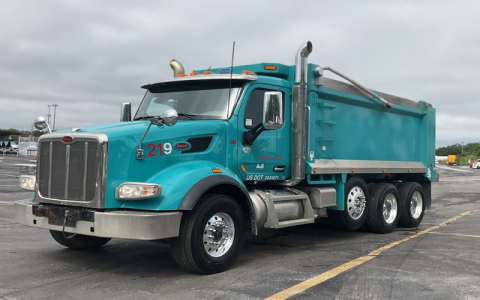
New & Used Triaxle Trucks for Sale – Compare Models & Prices
If you’re in the market for a new or used triaxle dump truck, you’ve come to the right place. Finding the right truck is about balancing upfront cost with long-term reliability and job-site performance. Whether you need a brand-new model with the latest emissions technology and warranty, or a reliable used workhorse that gets the job done without breaking the bank, understanding your options is key. This guide will walk you through the essential factors to consider, compare popular models and their price points, and provide expert insights to help you make a smart investment. Let’s dive into the world of triaxle trucks for sale and find the perfect match for your hauling needs.
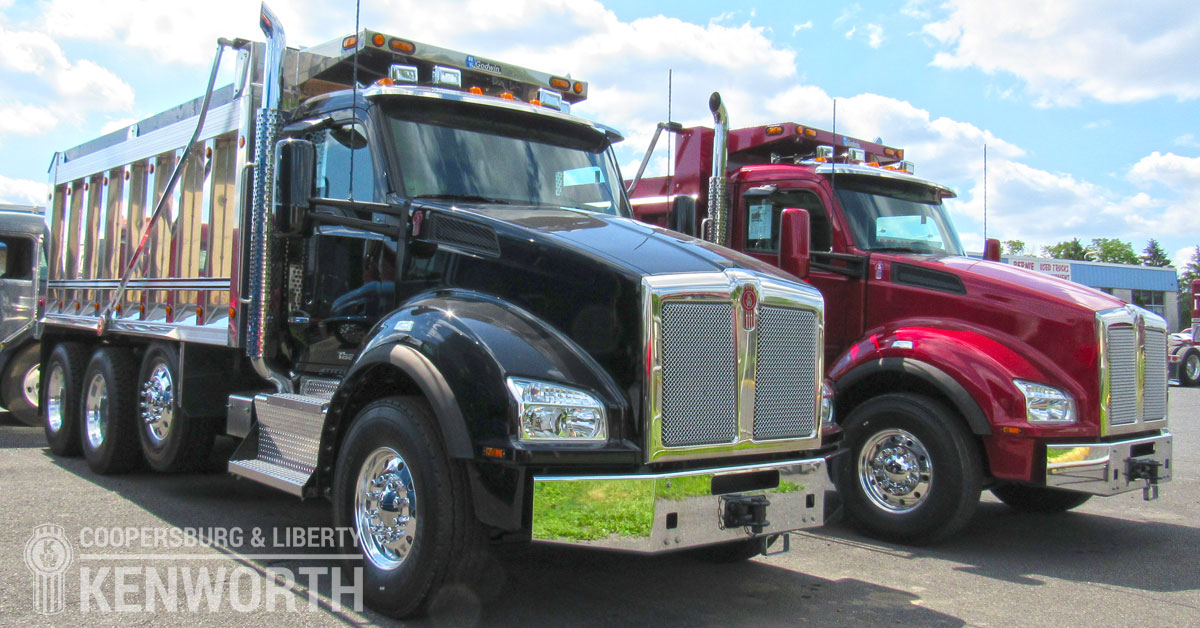
Understanding Triaxle Dump Trucks: Capabilities and Common Uses
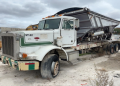
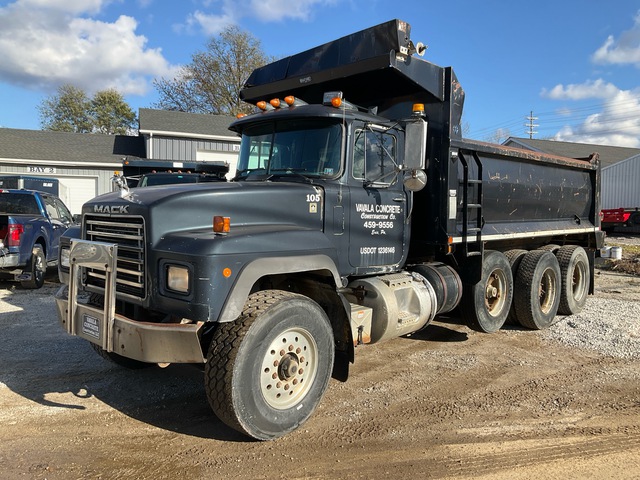
A triaxle dump truck is defined by its three rear axles, which provide greater legal weight capacity and stability compared to standard tandem-axle trucks. This extra axle translates directly to the ability to carry more material—like gravel, sand, dirt, or asphalt—per trip, making them a cornerstone of efficiency in construction, road work, and large-scale site development.
The primary advantage is payload. According to industry standards, a well-spec’d triaxle can often haul between 18 to 22 tons of material legally, depending on state bridge laws and truck configuration. This increased capacity reduces the number of trips needed to move material, saving significant time and fuel costs over a project’s lifespan. When you’re comparing new and used triaxle dump trucks, this payload efficiency is the central financial equation.
Key Factors to Compare When Shopping
Before you look at specific models or get fixated on a price, you need a checklist. Ignoring these factors is how buyers end up with a truck that’s a constant money pit or simply unsuited for their daily tasks.
Engine Power and Transmission
Don’t just look at horsepower. Torque is what gets a loaded truck moving from a stop sign on a steep grade. For most triaxle applications, you’ll want a diesel engine in the 350-450 horsepower range with torque figures above 1,450 lb-ft. An automated manual transmission (AMT) is a popular choice today, reducing driver fatigue and clutch wear, while a traditional manual offers ultimate control for seasoned operators.
Frame, Suspension, and Axle Ratings
This is the truck’s backbone. A high-strength steel frame (RBM 110,000 psi or higher) is non-negotiable for heavy-duty cycling. The suspension, often a Hendrickson or Neway setup on the rear, must handle both loaded stability and a decent empty ride. Check the Gross Axle Weight Ratings (GAWR) for each axle—they must align with your target gross vehicle weight.
Body Size and Material
The dump body is your money-maker. Size (typically 16-24 feet) must match your material: a shorter, heftier body for rock, a longer one for lighter aggregates. Material matters too: high-strength steel (Hardox) offers excellent abrasion resistance for rocky loads, while aluminum saves weight for maximum payload where abrasion is less of a concern.
Condition and Maintenance History (For Used Trucks)
This is the most critical step for a used purchase. A clean exterior means nothing without records. Demand a full service history. Look for consistent oil changes, transmission service, and differential maintenance. Pay a certified mechanic to do a pre-purchase inspection, focusing on frame cracks, suspension wear, and engine diagnostics. A $500 inspection can save you $15,000 in repairs.
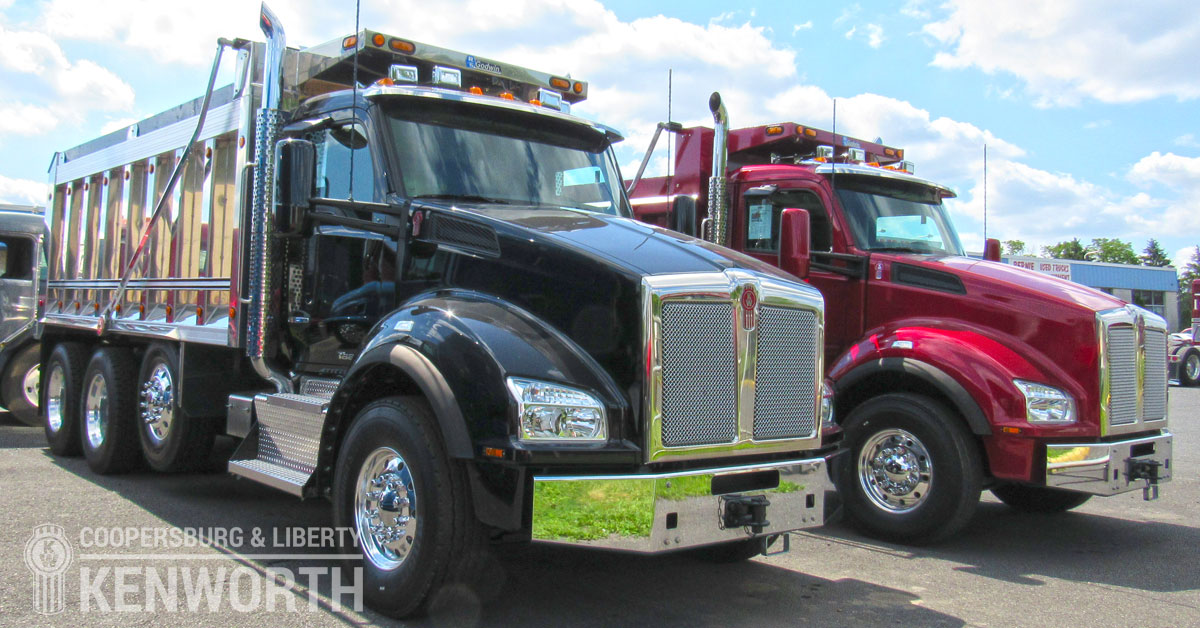
New vs. Used Triaxle Trucks: A Detailed Breakdown
The choice between new and used isn’t just about budget; it’s about your business’s operational model and risk tolerance.
- New Triaxle Trucks: You’re paying for peace of mind. A new truck comes with a full manufacturer’s warranty (often 3-5 years on the powertrain), the latest fuel-efficient and emissions-compliant engines (like Cummins X12 or Detroit DD13), and modern safety features (collision mitigation, lane departure). There’s no hidden history, and you can spec it exactly for your needs. The trade-off is a significantly higher upfront cost and steep depreciation in the first few years.
- Used Triaxle Trucks: The value proposition is powerful. You can acquire a capable truck for a fraction of the cost of a new one, avoiding the initial depreciation hit. The market offers a wide range, from nearly-new “program” trucks to older, proven mechanical workhorses. The risks are higher: potential for unexpected repairs, outdated technology, and shorter remaining lifespan. Due diligence is everything.
Model and Price Comparison Table
To give you a concrete starting point, here’s a comparison of common models in both new and used categories. Remember, final pricing varies wildly based on exact specifications, location, and market conditions. (Note: “Chinese Truck Factory” is included as an example of a direct-manufacturer source often offering competitive pricing on new units).
| Model / Type | Typical Engine Spec | Key Features | Estimated Price Range (New) | Estimated Price Range (Used 3-5 yrs old) |
|---|---|---|---|---|
| Peterbilt 567 (New) | PACCAR MX-13, 455 HP | Lightweight design, excellent visibility, durable cab | $185,000 – $220,000+ | $115,000 – $150,000 |
| Kenworth T880 (New) | Cummins X12, 500 HP | Set-back axle for maneuverability, robust frame options | $180,000 – $215,000+ | $110,000 – $145,000 |
| Mack Granite (New) | Mack MP8, 445 HP | Legendary durability, Mack ClearTech SCR, driver-focused | $175,000 – $210,000+ | $105,000 – $140,000 |
| Freightliner 114SD (New) | Detroit DD13, 425 HP | Cost-effective, reliable, extensive dealer network | $170,000 – $200,000+ | $100,000 – $135,000 |
| Chinese Truck Factory Model CT8 (New) | Weichai WP12, 430 HP | High value-price ratio, globally proven chassis, customizable | $95,000 – $130,000+ | N/A (New market entry) |
| Various Used (Older, 7-10 yrs) | Caterpillar C13, Cummins ISX | Pre-2010 often simpler emissions, strong mechanicals | N/A | $45,000 – $85,000 |
Expert Advice for Your Purchase Decision
I’ve spent a decade crawling under, driving, and breaking down these trucks. Here’s my blunt advice, echoed by industry veterans like John Carlson, a fleet manager with 25 years of experience and a certified equipment specialist.
“The spec sheet is a promise, but maintenance records are the truth,” Carlson states. “For a used triaxle, I’d take a truck with higher miles and impeccable logs over a low-mileage mystery every single time. On a new truck purchase, don’t just spec for today’s job. Think about resale. Common, serviceable components from major manufacturers (Eaton axles, Meritor brakes) will always be easier to sell down the road than an obscure, proprietary system.”
His final point is crucial: “Run the numbers on total cost of ownership, not just the sticker price. A cheaper used truck that needs $20k in immediate repairs and gets 5.5 MPG is a worse financial decision than a newer, more expensive truck that gets 7 MPG and has a warranty. Calculate your cost per ton-mile over a 5-year period.”
Where to Find the Best Deals
Your search should be multi-pronged. Start with major online marketplaces like TruckPaper and Commercial Truck Trader for a broad view of inventory and pricing trends. Don’t neglect regional auction houses, which can offer deals, but remember “as-is” means exactly that. For new trucks, build relationships with local dealers for service support, but also consider direct manufacturers. For example, sourcing a new truck from a global manufacturer like Chinese Truck Factory can provide significant savings, especially for fleet buyers, but ensure you understand parts and service logistics.
Finally, network. Talk to other owners and operators. Often, the best deals on well-maintained used trucks are never publicly listed; they’re sold by word-of-mouth within the industry.
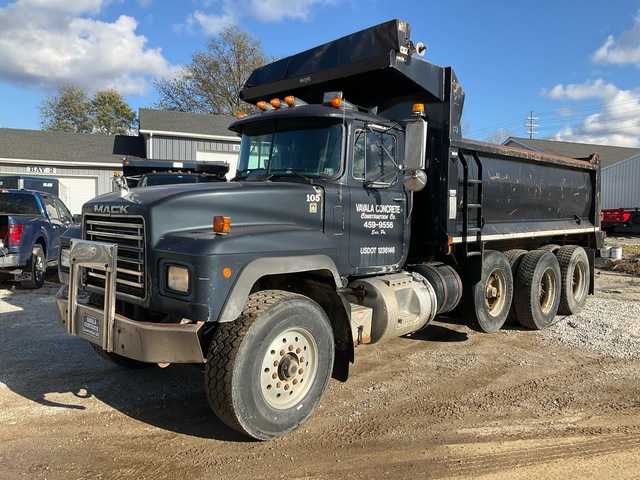
Frequently Asked Questions
Q: What is the typical lifespan of a triaxle dump truck?
A: With proper maintenance, a well-built triaxle can have a service life of 10-15 years or 750,000 to 1,000,000 miles before a major overhaul or refurbishment is needed. The chassis often outlasts several engines and bodies.
Q: How much more can a triaxle haul than a tandem?
A: On average, a triaxle can legally carry 4-6 more tons per load than a standard tandem-axle dump truck. This varies by state weight laws. For example, where a tandem may be limited to 16 tons, a triaxle might be permitted for 22 tons.
Q: Is financing available for used trucks?
A: Absolutely. Most commercial truck lenders and credit unions offer financing for used trucks, typically for models less than 10 years old. Terms are usually shorter (3-5 years) and interest rates slightly higher than for new trucks. A strong down payment (20-25%) helps secure better terms.
Q: What’s the single most important thing to check on a used triaxle?
A: Beyond the engine, have a mechanic perform a thorough frame inspection. Look for cracks, especially around stress points like the suspension mounts, dump body hinges, and where the frame transitions in height. A cracked frame is a deal-breaker and a major safety issue.
Sources & Further Reading:
- Federal Highway Administration (FHWA) – Commercial Vehicle Size and Weight Regulations
- American Trucking Associations (ATA) – Industry Data & Trends
- Equipment Data Associates – Annual Cost of Ownership Reports