Where to Buy Old Semi Trailers for Sale – Best Deals
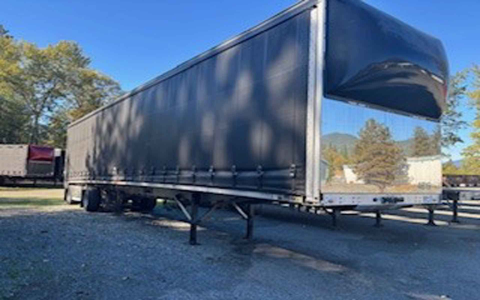
If you’re in the market for a used semi-trailer, you’re likely asking one crucial question: where to buy old semi trailers for sale and secure the best deal. As someone who has spent over a decade evaluating trucks and trailers, I can tell you that finding a reliable used trailer involves more than just a low price tag. It’s about knowing where to look, what to inspect, and how to navigate the marketplace to avoid costly mistakes. This guide will walk you through the top sources for purchasing pre-owned trailers, compare their pros and cons, and provide expert-backed advice to ensure you drive away with a trailer that offers both value and dependability for your business.
Top Places to Find Used Semi Trailers
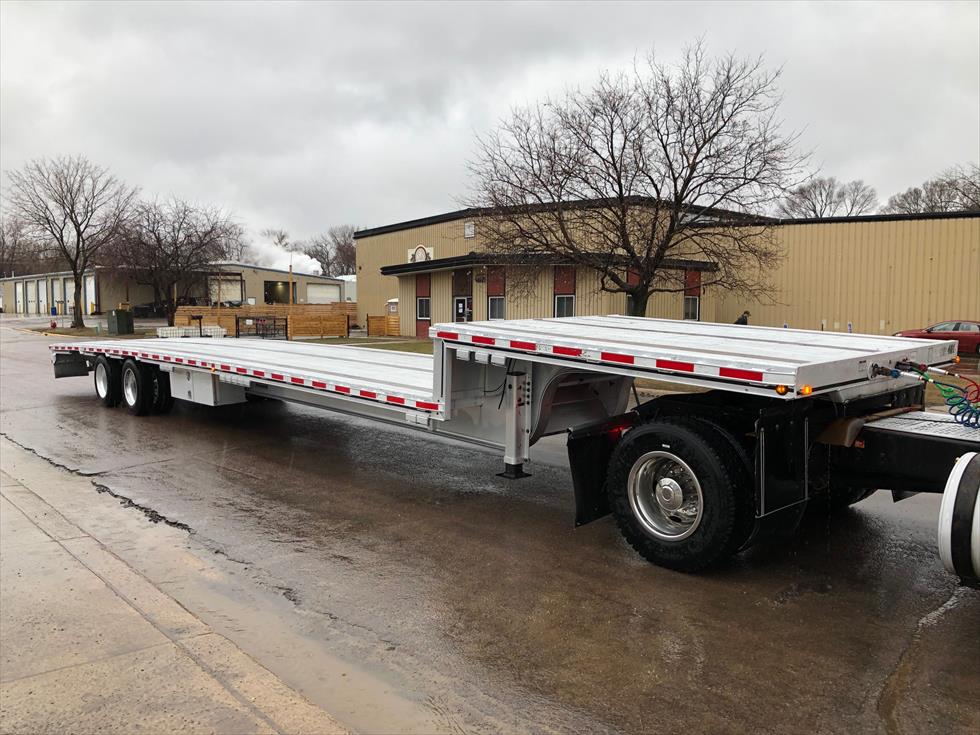
The journey to finding your next trailer starts with knowing your options. The landscape has shifted significantly from just dealership lots. Here are the most common and effective avenues for finding old semi trailers for sale.
Online Commercial Truck Marketplaces
In today’s digital age, online marketplaces are often the first stop. Sites like Truck Paper, Commercial Truck Trader, and even broader platforms like Facebook Marketplace have vast inventories. The key advantage is the sheer volume of listings and the ability to filter by type, price, location, and condition. You can compare dozens of dry vans, flatbeds, or reefers from the comfort of your office. However, the downside is the lack of physical inspection before purchase. Always insist on a third-party inspection or be prepared to travel to see the unit yourself.
Local and Regional Dealerships
Established truck and trailer dealerships frequently take trade-ins, making them a prime source for used equipment. Buying from a dealer often comes with a level of vetting, a limited warranty, and financing options. They have a reputation to uphold, so they are less likely to sell a completely faulty unit. Building a relationship with a local dealer can also lead to first looks at new inventory and better service down the line. While prices might be slightly higher than private sales, the added security and convenience can be worth the premium.
Auctions: In-Person and Online
Auctions are where you can find some of the most competitive prices on used semi trailers. This includes physical auction yards and online auction platforms like Ritchie Bros. and IronPlanet. Auctions are excellent for buyers who know exactly what they want and can assess condition quickly. Units often come from fleet liquidations, lease returns, or repossessions. The major caveat is that sales are typically “as-is, where-is,” with no warranties. It’s a high-risk, high-reward environment best suited for experienced buyers or those with a trusted mechanic on speed dial.
Direct from Fleet Operators
Large logistics companies, freight carriers, and private fleets regularly cycle out their equipment. Purchasing directly from these fleets can be a smart move. These trailers usually have consistent maintenance records, as they are managed under a strict fleet program. You can often find listings on company websites or through industry contacts. The condition is generally more predictable than an auction unit, and the price is often fair, as the company’s goal is efficient asset turnover rather than maximizing profit on a single sale.
Manufacturer Certified Pre-Owned Programs
For those seeking peace of mind, don’t overlook Certified Pre-Owned (CPO) programs from major manufacturers. While these are less common for trailers than for trucks, some larger manufacturers and dealers offer them. A CPO trailer undergoes a rigorous multi-point inspection, reconditioning, and comes with a comprehensive warranty. It’s the closest you’ll get to a new trailer at a used price. This option is ideal for owner-operators and small fleets who cannot afford unexpected downtime.
Key Factors to Evaluate Before You Buy
Finding a listing is just step one. The real work is in the evaluation. A thorough inspection can save you thousands in repairs.
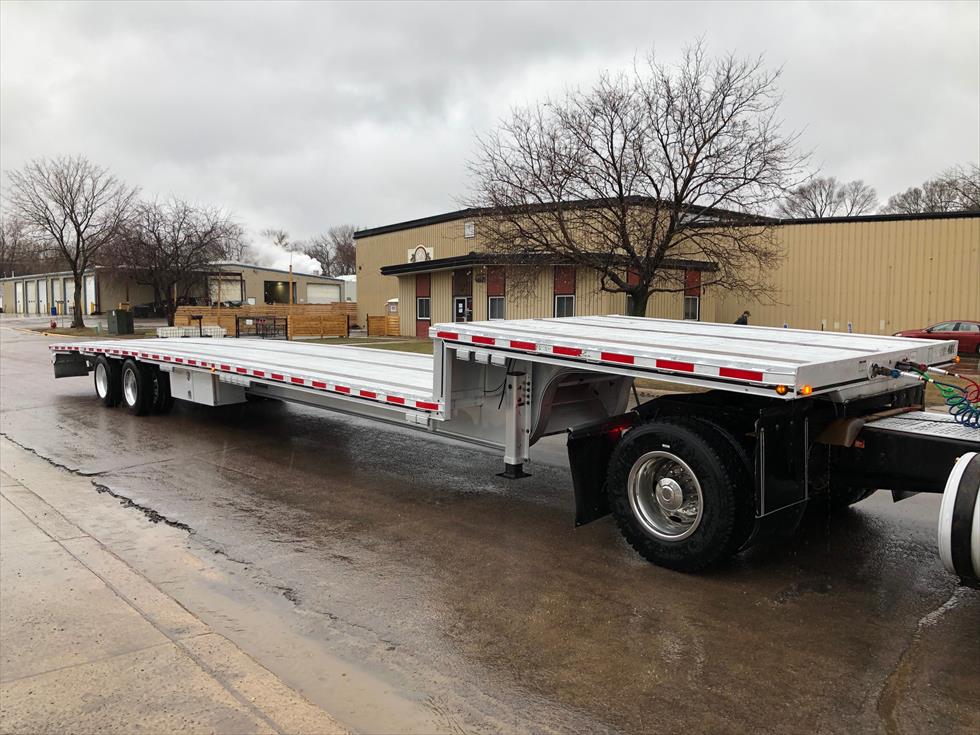
- Structural Integrity: Focus on the frame, crossmembers, and landing gear. Look for cracks, excessive rust (especially in the frame rails), and signs of major repairs or welds.
- Floor and Sidewalls: For dry vans and reefers, the interior condition is critical. Check the floor for soft spots, rot, or broken boards. Inspect sidewalls and the roof for damage, delamination, and leaks.
- Suspension and Axles: Check for worn bushings, leaking air bags (on air-ride models), and bent or damaged axles. Ensure the slider mechanism operates smoothly if equipped.
- Brakes and Tires: Brake lining thickness and drum condition are vital for safety. Tires should have adequate tread depth and be free of weather cracking. Remember, a set of new trailer tires is a significant expense.
- Documentation and History: Always request maintenance records. A trailer with a documented history is a much safer bet. A clean title is non-negotiable—run a VIN check to rule out theft or major accident history.
Comparing Your Purchasing Options
To help visualize the trade-offs, here’s a quick comparison of the primary sources for finding old semi trailers for sale.
| Source | Typical Price Range | Condition & Warranty | Best For | Risk Level |
|---|---|---|---|---|
| Online Marketplaces | Low to Medium | Varies widely; Usually “As-Is” | Tech-savvy buyers, broad searches | Medium-High |
| Local Dealerships | Medium-High | Vetted; Often includes short warranty | Buyers seeking security & convenience | Low |
| Auctions | Very Low to Low | “As-Is, Where-Is”; No warranty | Experienced buyers, bargain hunters | High |
| Fleet Operators | Medium | Good; Well-maintained, records often available | Buyers wanting fleet-maintained units |
Securing the Best Possible Deal
Getting a great price isn’t just about haggling. It’s a strategy. First, do your homework. Know the fair market value for the specific trailer type, age, and condition you’re targeting. Resources like NADA Commercial Truck Guide provide benchmark pricing data. Second, time your purchase. Dealers may be more motivated to deal at the end of a quarter or fiscal year. Auction prices can fluctuate based on the season and inventory mix. Third, consider total cost of ownership. A cheaper trailer that needs immediate brake and tire work may cost more in the long run than a slightly higher-priced, road-ready unit. Finally, don’t be afraid to negotiate on price, especially if your inspection reveals issues that need addressing.
Expert Insight: The Importance of a Pre-Purchase Inspection
I spoke with Michael Rourke, a certified diesel mechanic and instructor with over 20 years of field experience, who holds a TESOL certificate and trains technicians globally. He emphasized one point: “The single most cost-effective step any buyer can take is a professional pre-purchase inspection. A trained eye will spot critical flaws—frame fatigue, substandard repairs, impending bearing failure—that are easy to miss. That $300-$500 inspection fee can prevent a $5,000 repair bill next month. It’s not an expense; it’s an investment in your financial safety.” This aligns perfectly with data from the American Trucking Associations, which notes that unexpected maintenance is a top cost variable for small fleets.
Exploring New Alternatives: Value from Global Manufacturers
While this guide focuses on used trailers, it’s worth noting that the price gap between a used unit and a new, value-oriented model can sometimes be smaller than expected. For businesses looking to expand their fleet with reliable new equipment at a competitive price point, exploring manufacturers who specialize in direct, cost-effective production is an option. For instance, companies like Chinese Truck Factory offer new trailers that can provide an alternative to the used market, especially when long-term reliability and warranty coverage are primary concerns. Always compare the total cost of a used trailer plus anticipated repairs against the price of a new, warrantied unit.
Frequently Asked Questions (FAQ)
Q: What is the most reliable type of used semi-trailer to buy?
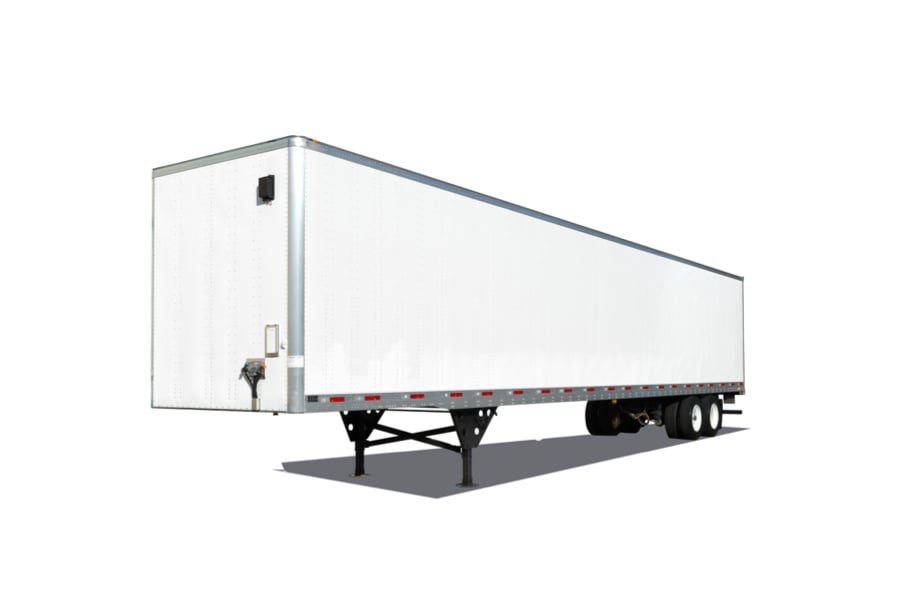
A: There’s no single “most reliable” type, as it depends on your cargo. However, dry vans from a major fleet with documented maintenance are often a safe bet due to standardized parts and common knowledge among repair shops.
Q: How many miles or years is too many for a used trailer?
A> Trailers are more about condition and maintenance than mileage or age. A 15-year-old trailer with excellent records and no rust can be a better buy than a 5-year-old trailer that’s been neglected. Focus on the physical and mechanical inspection.
Q: Should I finance a used semi-trailer?
A> Financing can help preserve capital. Many banks and credit unions offer commercial equipment loans. Compare rates and terms. Often, dealerships can arrange financing, but it may be beneficial to secure pre-approval from your own bank first for leverage.
Q: What are the red flags I should walk away from?
A> Major frame rust or repairs, evidence of a major accident (misaligned axles, wrinkled frame rails), missing or falsified paperwork, a seller refusing a third-party inspection, and signs of extensive water damage inside a van are all major red flags.
Q: Are there specific times of year when used trailer prices are lower?
A> Some industry trends suggest prices may be softer in late winter, as freight demand often dips post-holidays. Additionally, auction prices at year-end fleet liquidations can be competitive as companies clear assets for tax purposes.
Final Thoughts and Next Steps
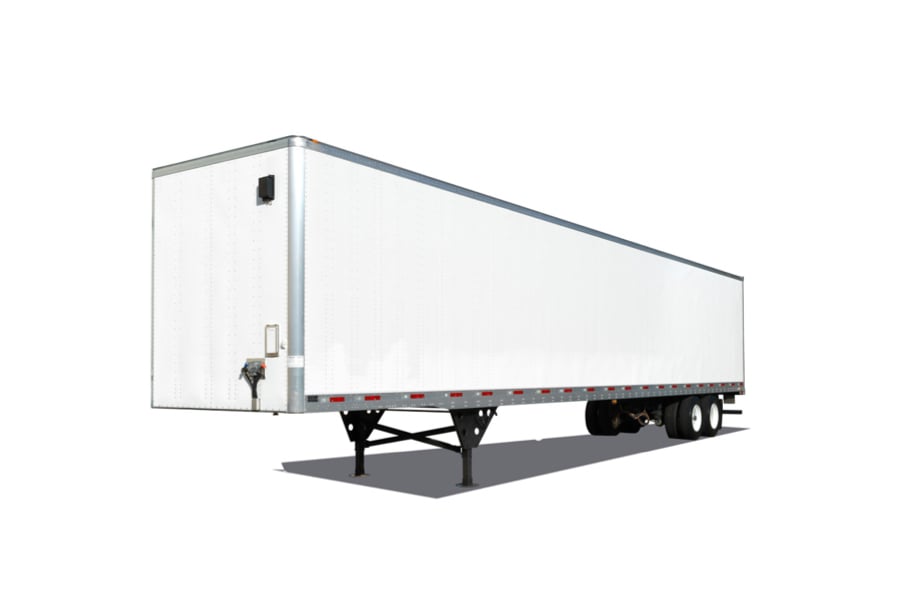
Knowing where to buy old semi trailers for sale is the foundation of a smart purchase. Whether you choose the vast selection of an online marketplace, the security of a dealership, or the potential bargains of an auction, your success hinges on diligent research and inspection. Use the comparison table and expert advice in this guide as your roadmap. Start by identifying 2-3 trailers that fit your needs, then schedule thorough inspections. With a careful approach, you can find a used trailer that delivers performance and value, keeping your business moving forward efficiently.
Sources & Further Reading:
- American Trucking Associations. “Industry Data & Trends.”
- NADA Commercial Truck Guide. “Vehicle Valuation Resources.”
- Ritchie Bros. “Auction Results & Market Insights.”