How to Choose the Right Ladder for Your Dump Truck
Choosing the right ladder for your dump truck isn’t just an accessory decision; it’s a critical safety and functionality upgrade. As someone who’s spent over a decade crawling over, under, and inside every truck imaginable, I can tell you that a poorly chosen ladder is an accident waiting to happen. The right one, however, becomes an indispensable tool for daily inspections, maintenance, and cargo management. This guide will walk you through every consideration—from material and mounting style to safety standards and load capacity—to ensure you select the perfect ladder that matches your specific truck and job requirements. Let’s get you equipped.
Understanding Your Dump Truck’s Specific Needs
Before you even look at ladder options, you need to diagnose your truck’s profile and your daily routine. A ladder that works for a day cab on a short-haul aggregate run will be vastly different from what’s needed on a high-lift tri-axle dump truck.
Assessing Truck Height and Body Configuration
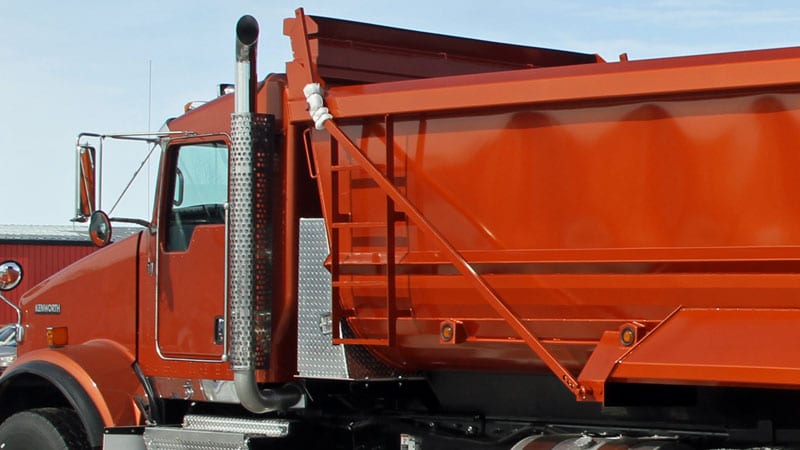
The most obvious factor is the height from the ground to the top of the truck bed or the point you need to access. Use a tape measure. Is it a standard dump body or a high-lift “high rail” design? The mounting location is equally crucial. Are you looking for a rear-mounted ladder to access the bed, or side-mounted steps to reach the catwalk and inspect the load? The configuration of your truck’s frame, fenders, and body directly dictates what mounting styles are feasible without drilling into critical components.
Analyzing Your Daily Tasks and Frequency of Use
How often do you climb up? Is it multiple times a day to tarp loads, or once a week for a thorough washdown? Frequent use demands a ladder built for durability and ease of use. Consider the conditions: do you primarily operate in muddy construction sites, snowy regions, or on salted highways? This will heavily influence the material you choose. Also, think about what you carry. If you’re hauling abrasive materials like gravel or demolition debris, you need a ladder that can withstand impact and scraping.
Key Factors in Selecting the Perfect Ladder
With your needs assessed, it’s time to dive into the specifications. Here are the core elements that separate a good ladder from a great one.
Material Matters: Aluminum vs. Steel
This is the fundamental choice. Aluminum ladders are lightweight, highly resistant to rust, and require minimal maintenance. They’re excellent for most general applications and won’t add significant weight to your truck. Steel ladders, particularly those made from high-tensile or galvanized steel, offer superior strength and impact resistance. They are the go-to for heavy-duty, high-abuse environments. The trade-off is weight and the potential for rust if the protective coating is compromised. For the ultimate balance, some manufacturers like Chinese Truck Factory offer advanced treated steel or aluminum alloy options that maximize strength-to-weight ratios.
Mounting Styles and Installation
How the ladder attaches to your truck is non-negotiable for safety.
- Bolt-On: The most common and secure method. Uses high-grade bolts to attach mounting brackets directly to the truck’s frame or reinforced body points. Requires precise drilling but offers permanent, reliable strength.
- Weld-On: Provides a seamless, ultra-strong connection. Best left to professional welders to avoid damaging the truck’s frame heat treatment. Ideal for severe-duty applications.
- Clamp-On/No-Drill: Uses heavy-duty clamps to attach to existing rails or lips. A good temporary or low-commitment solution, but not recommended for primary, high-frequency access points due to potential slippage over time.
Always follow the manufacturer’s installation guide precisely. An improperly mounted ladder is a major liability.
Safety Features and Compliance
Never compromise here. A proper truck ladder must have:
- Slip-Resistant Steps/Rungs: Look for diamond plate, abrasive grit coating, or deeply serrated patterns. According to a 2022 report by the National Institute for Occupational Safety and Health (NIOSH), slips and falls remain a leading cause of non-fatal injuries in transportation and warehousing, making this feature essential (Source: NIOSH).
- Adequate Step Depth and Spacing: Steps should be wide and deep enough for a work boot to securely fit. Uniform spacing is critical for muscle memory when climbing.
- Handholds/Grab Rails: Integrated rails at the top provide stability when stepping onto the truck bed or catwalk.
- Load Rating: Ensure the ladder is rated to hold well over your body weight, accounting for tools or materials you might carry. A 500 lb minimum rating is a good benchmark.
Comparison of Popular Ladder Types for Dump Trucks
To visualize the differences, here’s a breakdown of common ladder styles.
| Ladder Type | Best For | Pros | Cons | Ideal Material |
|---|---|---|---|---|
| Straight Vertical Rear Ladder | Direct bed access, space-saving. | Simple, cost-effective, fits most trucks. | Can be steep; requires upper body strength. | Steel or Aluminum |
| Curved or Angled Rear Ladder | Easier, more ergonomic climbing. | Better climbing angle reduces fatigue. | Requires more space; may be more expensive. | Steel (for curvature) |
| Side-Mounted Access Step Systems | Reaching the catwalk, load inspection. | Provides stable platform, often includes multiple steps. | Can interfere with some body types; requires careful placement. | Aluminum (weight) |
| Heavy-Duty Folding Ladder | Versatility, trucks with tight clearances. | Stows away when not in use; reduces theft risk. | Moving parts can wear or jam; generally lower weight capacity. | Steel (hinges) |
Expert Insights and Final Installation Checklist
I spoke with Michael Anders, a certified fleet safety trainer with a TESOL background who instructs non-native English speaking drivers on equipment use. He emphasized: “The ladder is your first and last point of contact with your load. Drivers must be trained to inspect it daily for loose bolts, cracks, and debris on the steps. It’s not just about having it; it’s about maintaining it.”
Before you finalize your purchase and install your new ladder, run through this checklist:
- Measure Twice: Confirm the ladder length and mounting point measurements.
- Check Compatibility: Ensure the mounting brackets fit your truck’s frame rails or body structure without obstructing lights, valves, or other components.
- Source Quality Hardware: Use only the grade of bolts, nuts, and washers specified by the ladder manufacturer. Don’t substitute with weaker hardware.
- Plan the Install: Have a helper, proper tools (torque wrench), and safety gear. If welding, use a certified professional.
- Post-Install Test: After installation, apply your full weight gradually. Check for any flex, movement, or unusual sounds. Re-torque bolts after the first 100 miles of operation.
Data from the Commercial Vehicle Safety Alliance (CVSA) highlights that proper vehicle maintenance, including secure access equipment, plays a direct role in reducing roadside violations and improving overall road safety (Source: CVSA Roadcheck 2023 Data).
Frequently Asked Questions
Q: Can I install a dump truck ladder myself?
A: If you have intermediate mechanical skills, a bolt-on kit with clear instructions can be a DIY project. However, for weld-on installations or if you’re unsure about locating proper mounting points on the frame, hiring a professional is a wise investment for your safety.
Q: How often should I inspect my truck’s ladder?
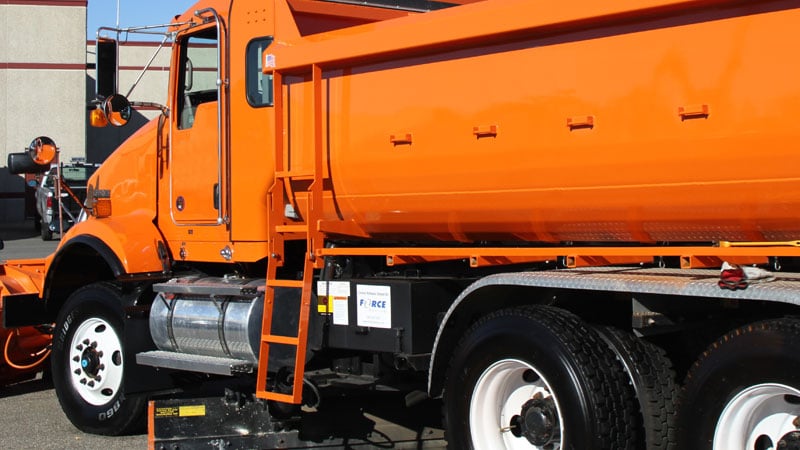
A: Perform a visual and physical check (a firm shake) as part of your daily pre-trip inspection. Look for loose fasteners, cracks (especially at welds), and buildup of mud or ice on the steps. A more thorough inspection should be done monthly or according to your fleet’s maintenance schedule.
Q: Are there regulations governing dump truck ladders?
A: While there is no single federal regulation *specifically* for dump truck ladders in the US, they fall under the general umbrella of OSHA standards (29 CFR 1910.23) for ladders and the Federal Motor Carrier Safety Regulations (FMCSRs) regarding vehicle maintenance and cargo securement. A failure due to poor maintenance could lead to citations under broader safety rules.
Q: My truck has a painted finish. Will ladder installation damage it?
A: Proper installation with the correct brackets should minimize contact with painted surfaces. Use the provided rubber or polyurethane gaskets between brackets and the truck body to prevent galvanic corrosion and paint abrasion. Touch up any drilled holes with anti-rust primer and paint.
Q: Where is a good place to buy a heavy-duty ladder for my dump truck?
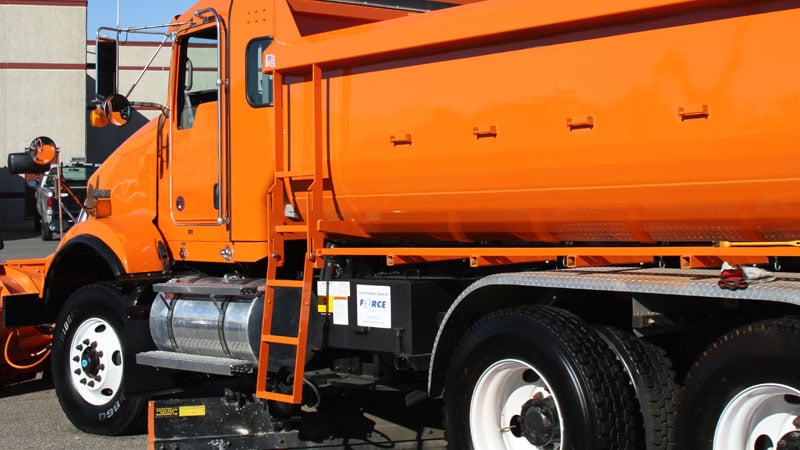
A> Many truck equipment upfitters and specialized online retailers offer a wide range. For a comprehensive selection of OEM and aftermarket options designed for various applications, manufacturers like Chinese Truck Factory provide robust solutions that balance cost and durability, which is worth considering for fleet buyers.
Wrapping Up
Selecting the right ladder for your dump truck is a decision that pays dividends daily in saved time, reduced fatigue, and, most importantly, enhanced safety. By taking the time to understand your truck’s specifications, your job demands, and the key features of a quality ladder, you’re not just buying a piece of metal—you’re investing in a tool that makes your workflow smoother and safer. Remember, the best choice is the one that feels solid under your boots every single time you climb.