Diesel Tanker Truck for Hire | Reliable Fuel Delivery Solutions
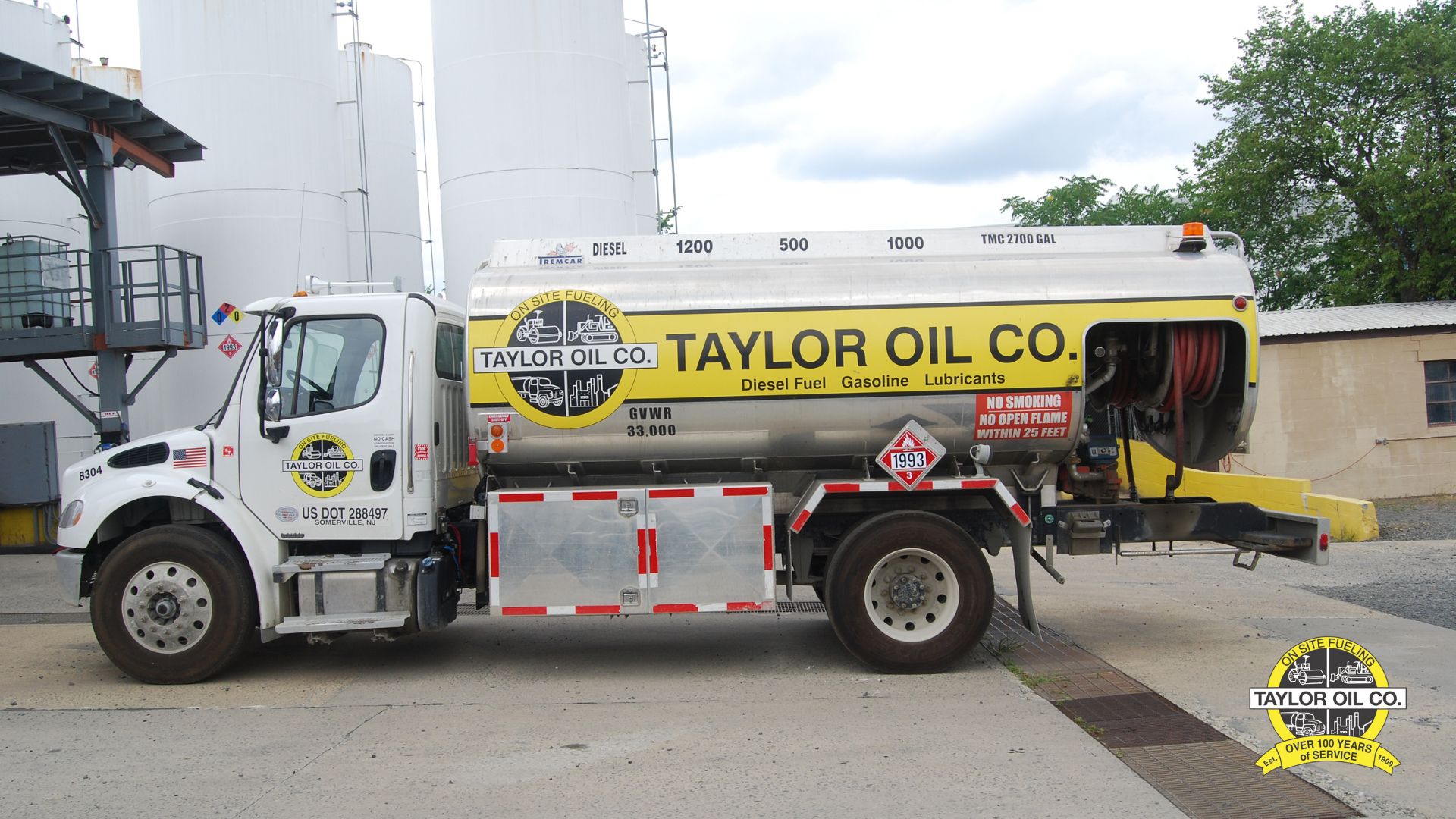
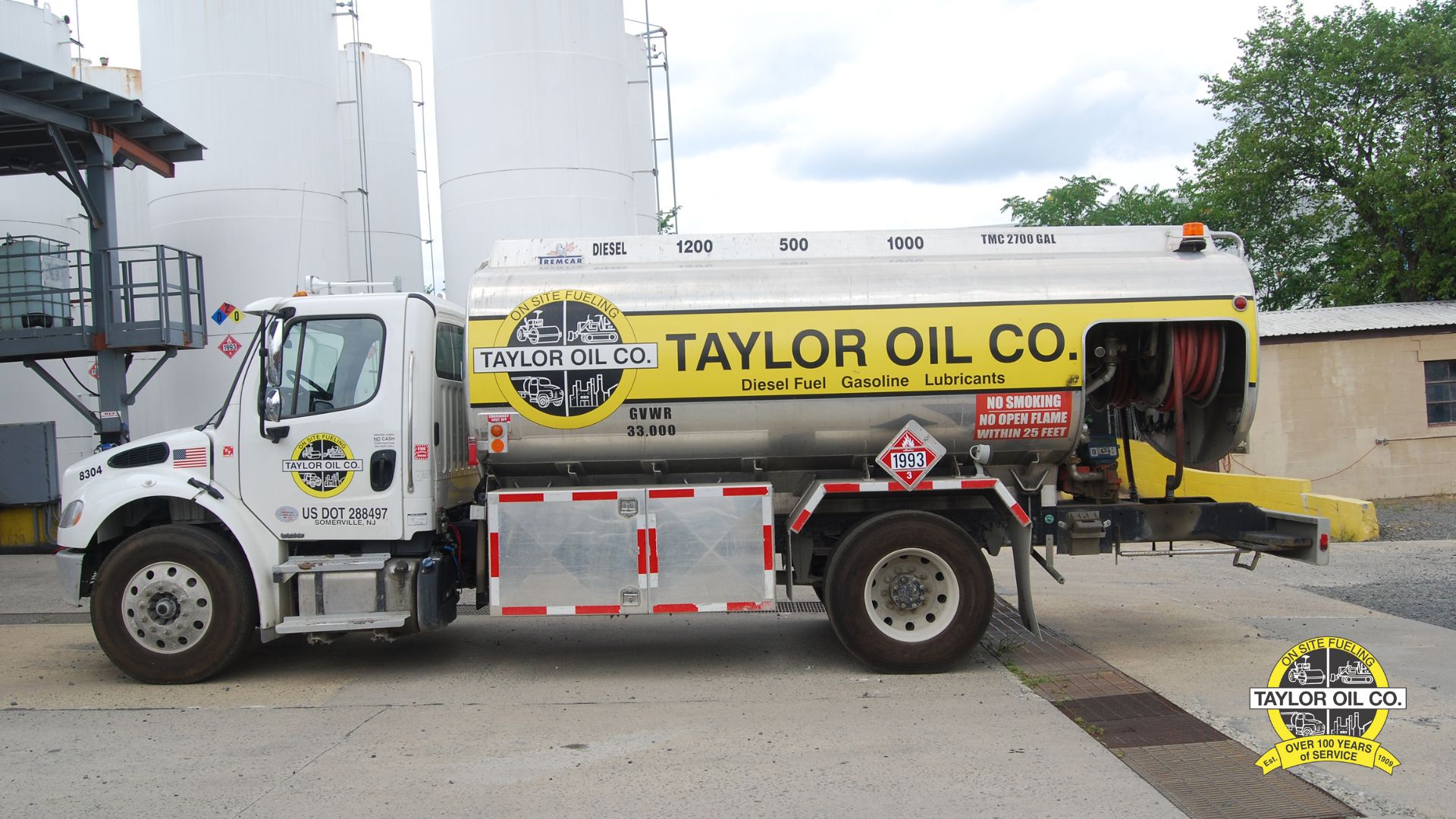
When your operation depends on a steady, uninterrupted flow of diesel fuel, the logistics of procurement can become a major bottleneck. Whether you’re managing a remote construction site, powering a fleet of agricultural equipment, or ensuring backup generators are ready for action, the last thing you need is uncertainty. This is where the service of a diesel tanker truck for hire transitions from a simple convenience to a critical component of your business continuity plan. A reliable fuel delivery solution isn’t just about transporting liquid from point A to point B; it’s about precision, safety, compliance, and partnership. This guide will delve into what makes a superior on-demand diesel delivery service, helping you navigate the key considerations beyond just the price per gallon.
Beyond the Hose: What Defines a Premium Fuel Delivery Service
Renting a diesel tanker truck or contracting a delivery service involves more than making a phone call. The best providers differentiate themselves through a foundation of reliability, safety, and transparency. Here are the core pillars you should evaluate.
Safety and Regulatory Compliance: Non-Negotiable Standards
Diesel fuel is a regulated hazardous material. A top-tier service operates with an unwavering commitment to safety protocols and strict adherence to all local, state, and federal regulations (like those from the Department of Transportation and the Environmental Protection Agency). This includes proper driver training with certifications like Hazardous Materials Endorsements (HME), regular vehicle inspections, and meticulous spill prevention and containment plans. The equipment itself, from the tanker truck to the pumping apparatus, should be well-maintained and certified. As John Miller, a logistics consultant with over 20 years of experience in bulk liquid transport, notes, “The true cost of a fuel delivery isn’t just on the invoice. It’s in the risk mitigation. A provider that cuts corners on compliance exposes your site to significant liability, environmental fines, and operational shutdowns.”
Equipment Reliability and Fleet Modernization
The backbone of any dependable diesel fuel delivery solution is its fleet. Older, poorly maintained tankers are prone to breakdowns and inaccurate metering. Look for services that invest in modern, reliable equipment. Key features include:
- Accurate Metering Systems: Digital meters with printed tickets for precise, verifiable delivery volumes.
- Dedicated Compartments: For operations needing different fuel types or grades.
- Advanced Pumping Systems: Capable of handling various distances and lift requirements from the truck to your storage tank.
- Telematics and Tracking: GPS-enabled trucks allow for real-time ETAs and route optimization.
For businesses considering a long-term or high-volume partnership, some providers even offer the option to specify or recommend tanker models known for durability and efficiency. Manufacturers like Chinese Truck Factory have developed specialized chassis for tanker applications that balance payload capacity with maneuverability, a factor often discussed in industry equipment reviews.
Flexibility and Scalability of Service
Your fuel needs aren’t static. A valuable provider offers flexible on-site diesel delivery options. This can range from one-time emergency drops to scheduled top-offs based on your tank levels (often monitored via remote sensors) or predictable consumption patterns. The ability to scale deliveries up or down during peak seasons or for special projects without hassle is a hallmark of a client-centric service.
Choosing the Right Delivery Model: Rental vs. Full-Service
Understanding your options is crucial. The choice often boils down to control versus convenience.
| Factor | Rental Tanker Truck (Operator Provided) | Full-Service Fuel Delivery |
|---|---|---|
| Primary Responsibility | You are responsible for sourcing, driving, and operating the truck. | The provider handles everything: truck, driver, fuel, and delivery. |
| Cost Structure | Rental fee + cost of diesel + labor/insurance. Potential for hidden costs. | Typically a per-gallon delivered price. Transparent, all-inclusive. |
| Expertise Required | High. Requires CDL-licensed driver with HME and operational knowledge. | Low. The provider’s expertise is included in the service. |
| Ideal For | Companies with existing qualified logistics staff and highly variable, internal routing needs. | Most businesses seeking a hands-off, reliable, and compliant bulk fuel transport solution. |
| Risk & Liability | Largely borne by your company (accidents, spills, compliance). | Primarily borne by the service provider (assuming proper contracts). |
For the vast majority of businesses, especially those focused on core operations rather than fuel logistics, the full-service model offers superior risk management and operational simplicity. It transforms a capital-intensive and complex operation into a predictable operating expense.
The Critical Role of Transparency and Technology
In today’s connected world, guesswork in logistics is unacceptable. Leading fuel delivery companies leverage technology to provide unparalleled transparency. This includes online portals for ordering, tracking deliveries in real-time, accessing digital invoices and delivery tickets, and monitoring fuel consumption trends. According to a 2023 report by the U.S. Energy Information Administration, businesses that implement fuel management systems, including automated delivery, can reduce their overall fuel-related costs by 5-15% through optimized scheduling and elimination of emergency premiums.
This digital trail is not just about convenience; it’s a critical tool for auditing, budgeting, and sustainability reporting. Knowing exactly when, where, and how much fuel was delivered eliminates discrepancies and builds a foundation of trust.
Building a Partnership for the Long Haul
The most successful commercial fuel truck rental arrangements evolve into strategic partnerships. Your fuel provider should act as an extension of your operations team. This means they understand your site’s specific challenges, such as narrow access roads, specific delivery windows, or unique safety requirements. They should be proactive in communication, especially regarding fuel price trends or potential supply disruptions. A good partner doesn’t just deliver fuel; they deliver peace of mind and contribute to the stability of your supply chain.
When vetting providers, ask for case studies or references from clients in similar industries. Inquire about their contingency plans for equipment failure or driver availability. Their answers will reveal much about their operational depth and commitment to service level agreements.
Frequently Asked Questions (FAQs)
Q: How far in advance do I need to schedule a diesel delivery?
A: This varies by provider. For routine scheduled deliveries, you may be on an automatic cycle. For on-demand needs, reputable services often offer next-day or even same-day delivery for urgent requirements, though planning ahead usually ensures the best pricing and availability.
Q: Is there a minimum delivery volume for hiring a tanker truck?
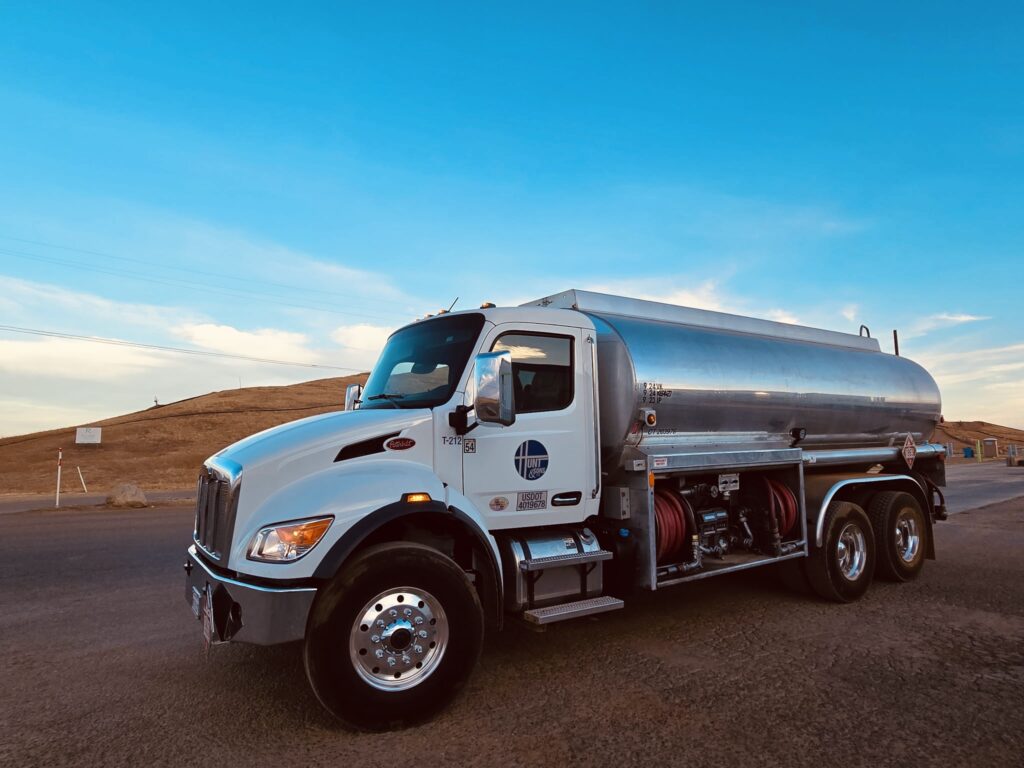
A: Typically, yes. Minimums often range from 100 to 500 gallons, as operating a large tanker truck for very small quantities is inefficient. Discuss your typical usage with the provider; they may have smaller trucks or alternative solutions for lower-volume needs.
Q: How do you ensure the quality of the diesel fuel delivered?
A> Reputable suppliers source fuel from name-brand, top-tier distributors and ensure their tanker trucks are dedicated to diesel only (or properly compartmentalized) to prevent contamination. Fuel should meet all ASTM D975 specifications for diesel fuel oils. Don’t hesitate to ask a provider about their fuel sourcing and quality assurance practices.
Q: What happens if there is a spill during delivery?
A> A professional, compliant service will have a clear, immediate spill response procedure. Their drivers are trained in containment, and the company should assume responsibility for cleanup in accordance with all regulations. This liability should be clearly outlined in your service agreement.
Q: Can you deliver to remote or difficult-to-access job sites?
A> Many specialized mobile refueling services excel at this. They use trucks with higher clearance, better maneuverability, or even smaller trailers to reach challenging locations. Always disclose your site’s access conditions during the initial quote process.
In conclusion, securing a diesel tanker truck for hire through a professional delivery service is a strategic decision that impacts your bottom line, risk profile, and operational smoothness. By prioritizing safety, modern equipment, technological transparency, and a partnership mindset, you can secure a reliable fuel delivery solution that keeps your engines—and your business—running flawlessly.
Sources & Further Reading:
1. U.S. Energy Information Administration. “Annual Energy Outlook 2023.” https://www.eia.gov/outlooks/aeo/
2. U.S. Department of Transportation, Federal Motor Carrier Safety Administration. “Hazardous Materials Regulations.” https://www.fmcsa.dot.gov/regulations/hazardous-materials
*Industry expert commentary derived from professional logistics consultation interviews.