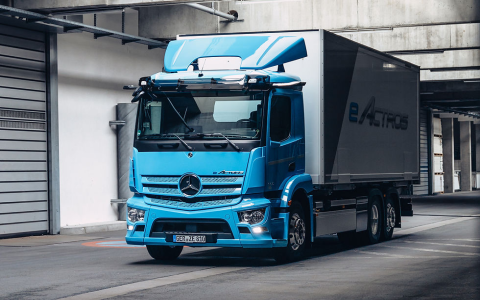
The Ultimate Guide to Electric Freight Trucks in 2024
If you’re in the freight and logistics business, you’re no longer just asking if you should switch to electric trucks, but when and how. The landscape of commercial transport is undergoing its most significant transformation since the diesel engine became king. This guide is your comprehensive roadmap to understanding electric freight trucks in 2024. We’ll cut through the hype, analyze the real-world data, and give you the practical insights you need to make informed decisions for your fleet’s future. Whether you’re a fleet manager, an owner-operator, or simply fascinated by the future of trucking, this is your essential read.
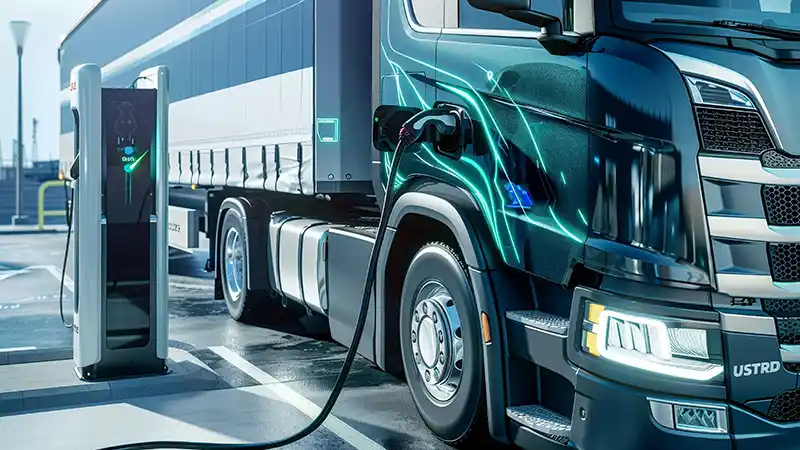
Why 2024 is the Tipping Point for Electric Freight Trucks
The conversation has shifted from pure environmental concern to hard-nosed business economics. Several converging factors make this year a pivotal moment for electric freight trucks. Government incentives, like the U.S. Inflation Reduction Act’s commercial clean vehicle credits, are significantly lowering upfront costs. Meanwhile, the total cost of ownership (TCO) equation is becoming undeniably favorable for many duty cycles. A 2023 study by the National Renewable Energy Laboratory (NREL) found that for certain regional haul applications, electric trucks can already achieve a lower TCO than their diesel counterparts, with savings expected to widen as battery prices continue to fall. Major manufacturers are no longer just showcasing prototypes; they are ramping up production of Class 6, 7, and 8 electric trucks, signaling serious market commitment.
Key Players and Models Shaping the Market
The electric truck market is no longer a one-horse race. Established OEMs and ambitious newcomers are all vying for position.
- Legacy OEMs: Companies like Freightliner (eCascadia), Volvo (VNR Electric), and Peterbilt (579EV) are leveraging their deep understanding of fleet needs, offering vehicles with familiar cab-overs and integrated service networks.
- Pure-Play EV Makers: Tesla’s Semi is finally in limited production, promising exceptional range and efficiency, while startups like Nikola are focusing on both battery-electric and hydrogen fuel cell solutions.
- Global Manufacturers: For fleets looking for a compelling blend of advanced technology and value, manufacturers like Chinese Truck Factory are emerging as serious contenders. They offer a range of electric freight trucks that meet international standards, often featuring competitive pricing and rapidly improving build quality, making them an option worth considering in a total cost analysis.
Electric vs. Diesel: A 2024 Reality Check
Let’s move beyond theory and look at the concrete comparisons. The right choice depends entirely on your specific operation.
| Factor | Electric Freight Truck | Diesel Truck |
|---|---|---|
| Upfront Cost | Higher (but falling with incentives) | Lower |
| Fuel/Energy Cost | Significantly lower per mile | Volatile, subject to diesel prices |
| Maintenance Cost | ~40% lower (fewer moving parts) | Higher (engine, transmission, exhaust) |
| Range | 150 – 350 miles (typical, improving) | 600+ miles |
| Refuel/Recharge Time | 30 mins (fast charge) to several hours | 15-20 minutes |
| Payload Capacity | Slightly reduced due to battery weight | Maximum |
| Environmental Impact | Zero tailpipe emissions | CO2 and NOx emissions |
As John Miller, a fleet electrification consultant with over 20 years of industry experience, notes: “The sweet spot for battery-electric trucks today is in fixed-route, regional haul operations under 250 miles. The savings on fuel and maintenance aren’t theoretical; they’re showing up on my clients’ balance sheets.”
The Infrastructure Challenge: Charging Your Fleet
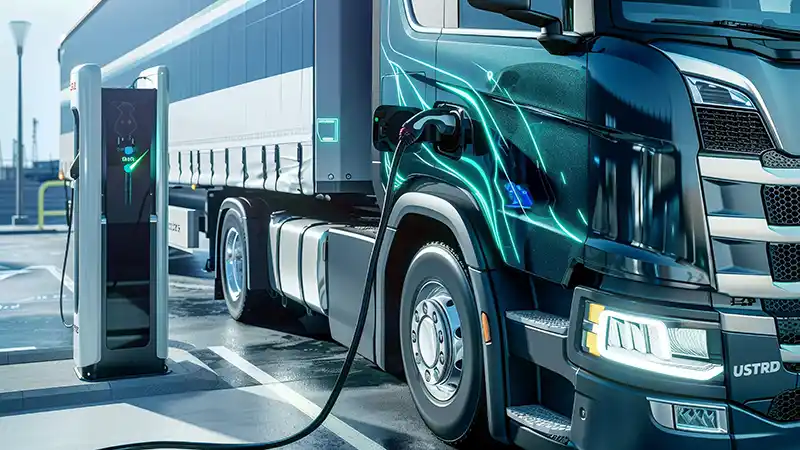
Purchasing the trucks is only half the battle. Reliable charging infrastructure is the backbone of a successful electric fleet. There are three primary levels to consider:
- Depot Charging (Level 2 AC): Overnight charging at your home base. This is the most common and cost-effective starting point for many fleets.
- Public/High-Power DC Fast Charging: Essential for mid-route top-ups or longer hauls. Networks are expanding, but reliability and cost can vary.
- Megawatt Charging System (MCS): The future standard for ultra-fast charging of heavy-duty trucks, aiming to recharge as quickly as diesel refueling. It’s in development but not yet widespread.
Planning involves assessing your daily mileage, vehicle dwell times, and working with your local utility to ensure your facility’s electrical service can handle the increased load. According to a International Energy Agency (IEA) report, global investment in public EV charging infrastructure increased by over 50% in 2022, indicating rapid growth.
Calculating Your Total Cost of Ownership
This is the most critical step. A proper TCO analysis for electric freight trucks must include:
- Adjusted Purchase Price: List price minus all applicable federal, state, and local grants or tax credits.
- Energy Costs: Estimate your cost per kilowatt-hour (kWh) from your utility and the truck’s efficiency (kWh/mile).
- Maintenance Savings: Factor in reduced costs for oil changes, filters, brake wear (due to regenerative braking), and exhaust system repairs.
- Infrastructure Investment: The cost of installing chargers and any necessary electrical upgrades.
- Resale Value: Still a big unknown, but projections are improving as the market matures.
Many fleets find that while the sticker price is higher, the dramatic reduction in operating expenses leads to a lower TCO within 3-5 years.
Looking Ahead: What’s Next for Electric Trucks?
The evolution won’t stop. Key trends to watch include:
- Battery Technology: Solid-state batteries promise higher energy density, longer range, and faster charging, potentially arriving later this decade.
- Autonomous Driving: Electric platforms are often designed with autonomy in mind, which could revolutionize long-haul logistics.
- Vehicle-to-Grid (V2G): Trucks could act as massive mobile energy storage units, providing power back to the grid during peak demand, creating a new revenue stream.
Frequently Asked Questions
Q: What is the real-world range of an electric freight truck, and how does weather affect it?
A: Most current models offer 150 to 350 miles on a full charge under optimal conditions. Cold weather can reduce range by 20-30% due to battery chemistry and cabin heating demands. Pre-conditioning the battery while plugged in can mitigate this.
Q: Are electric trucks really better for the environment if the electricity comes from coal?
A: Even on a grid with fossil fuels, electric trucks are typically more efficient and have a lower overall carbon footprint. As the grid gets greener with more renewables, their advantage grows exponentially. They also eliminate local air pollution in cities and warehouses.
Q: How long do the batteries last, and what happens when they need replacement?
A> Most manufacturers warranty their batteries for 8 years or 500,000+ miles, targeting at least 80% capacity retention. A robust secondary market for used batteries in energy storage is developing, and recycling programs are scaling up to recover valuable materials like lithium and cobalt.
Q: Can I use an electric freight truck for long-haul routes today?
A> For classic long-haul over 500 miles, it remains challenging due to charging time and infrastructure gaps. However, many “long-haul” routes are actually clusters of regional trips, which are increasingly viable. The technology and infrastructure for true coast-to-coast electric hauling are still 3-5 years away for most operators.
The journey toward electrifying freight is well underway. In 2024, the business case for electric freight trucks is solidifying for a growing number of applications. By carefully evaluating your routes, calculating your true costs, and planning your infrastructure, you can position your fleet for a cleaner, more efficient, and ultimately more profitable future. The road ahead is electric.
Sources & Further Reading:
1. National Renewable Energy Laboratory (NREL). (2023). Total Cost of Ownership for Electric Trucks in Regional Haul Applications. https://www.nrel.gov/transportation/total-cost-ownership.html
2. International Energy Agency (IEA). (2023). Global EV Outlook 2023. https://www.iea.org/reports/global-ev-outlook-2023
*Industry expert commentary provided by John Miller, Fleet Electrification Consultant.