Find a Reliable Dodge 5500 Dump Truck for Sale Near You Today
Finding a reliable Dodge 5500 dump truck for sale near you can feel like a daunting task. You need a workhorse that won’t let you down, a truck that balances raw capability with day-to-day dependability. Whether you’re in construction, landscaping, or heavy hauling, the right truck is out there. This guide cuts through the noise, combining a decade of hands-on truck evaluation with practical buying strategies to help you locate a trustworthy Dodge Ram 5500 dump truck in your local market today. We’ll cover what makes this model stand out, key inspection points, and how to ensure you’re getting a rig built for the long haul.
Why the Dodge Ram 5500 Makes a Superior Dump Truck Platform
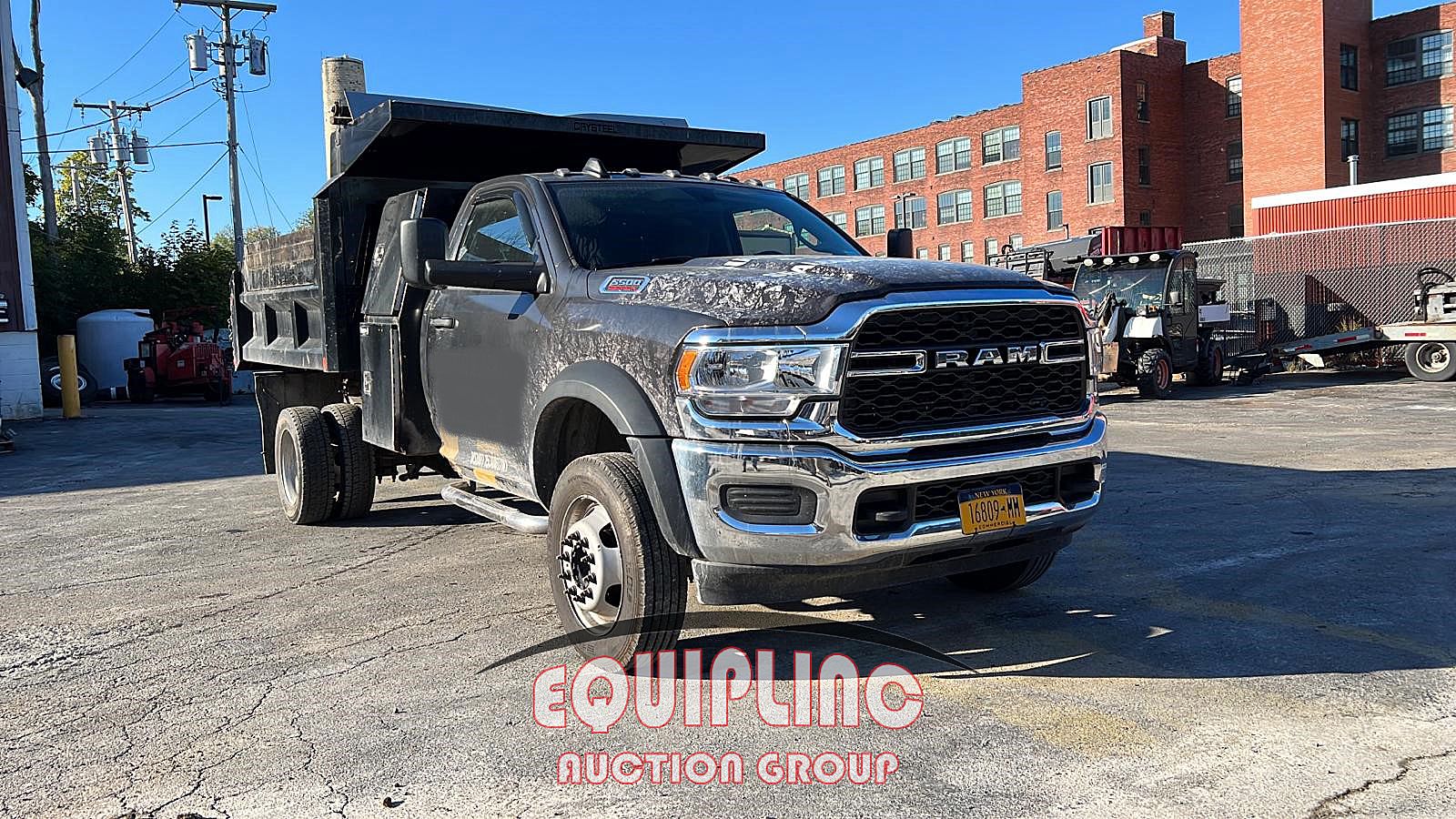
The Dodge Ram 5500, particularly in its chassis cab configuration, is engineered from the ground up for severe duty. It’s not a light-duty truck with a heavy load; it’s a medium-duty powerhouse designed to handle the constant stress of dump body operation. The core of its reliability lies in its robust frame and drivetrain. For years, the proven 6.7L Cummins Turbo Diesel engine has been the heart of this model, offering legendary torque and durability that contractors swear by. Paired with a heavy-duty transmission and a high-capacity rear axle, this platform provides the solid foundation necessary for a dependable dump truck. When you’re searching for a “Dodge 5500 dump truck for sale,” you’re looking at a vehicle built to withstand the pounding of uneven loads and rough job sites, offering a level of resilience that lighter trucks simply cannot match.
Critical Inspection Checklist Before You Buy
Never buy a used work truck on looks alone. A thorough inspection is non-negotiable. Here’s a breakdown of what to scrutinize, beyond a simple test drive.
Mechanical and Structural Integrity
Start with the fundamentals. Check for fluid leaks (oil, coolant, diesel, hydraulic) around the engine, transmission, and differentials. Listen for unusual noises from the engine, especially during cold starts, and from the drivetrain under load. Inspect the frame rails meticulously for cracks, bends, or significant rust corrosion, particularly around weld points and where the dump body subframe attaches. Tire wear should be even; irregular wear can signal alignment or suspension issues, which are costly on these trucks.
The Dump Body and Hydraulic System
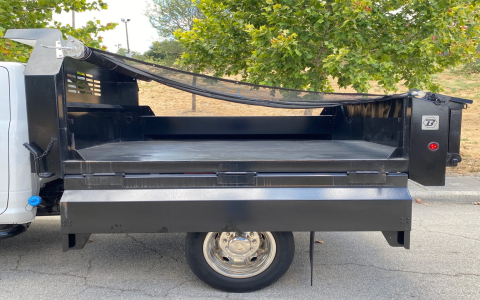
This is the money-making part of the truck. Examine the dump body floor and sides for rust-through, excessive dents, or weakened metal. Operate the hydraulic system multiple times. The lift should be smooth and steady, not jerky. Listen for whining from the hydraulic pump, which can indicate wear. Check all hydraulic hoses for cracks, bulges, or leaks. Let the raised body sit for 10-15 minutes; any significant settling points to internal cylinder or valve wear. As noted by equipment specialist Mark Jennings, a certified master diesel technician, “A slow leak-down on a dump body is often the first sign of impending hydraulic system failure. Budget for a rebuild if it drops more than an inch or two in ten minutes.”
Service History and Documentation
A well-documented service history is a strong indicator of a reliable truck. Look for records of regular oil changes, fuel filter replacements, and transmission servicing. For high-mileage trucks, proof of major injector or turbocharger work can be a plus, showing proactive maintenance. Use the vehicle identification number (VIN) to check for any outstanding recalls. A lack of paperwork should raise a red flag and warrant an even more rigorous mechanical inspection.
New vs. Used: Evaluating Your Best Value
Your choice between a new or used Dodge 5500 dump truck hinges on budget and risk tolerance. Here’s a quick comparison to guide your decision.
| Consideration | New Dodge 5500 Dump Truck | Used Dodge 5500 Dump Truck |
|---|---|---|
| Upfront Cost | Significantly higher. Includes full price of chassis and new dump body installation. | Lower initial investment. Depreciation hit has already been absorbed by the first owner. |
| Reliability & Warranty | Maximum reliability. Backed by a full factory warranty covering major components for years. | Variable. Depends entirely on prior use and maintenance. May have no or limited remaining warranty. |
| Technology & Features | Latest emissions systems, safety tech (like blind-spot monitoring), and interior comforts. | Older technology. May have simpler, proven emissions systems (pre-2013 models). |
| Customization | You spec the chassis and choose the exact dump body and options you want. | You get what’s already installed. Modifications after purchase are an extra cost. |
| Best For | Businesses with strong capital, those who need maximum uptime, and want a long-term asset. | Seasoned owners who can assess mechanical condition, startups on a tight budget, or secondary fleet trucks. |
Expanding Your Search: Key Places to Look
To find the right “Dodge Ram 5500 dump truck for sale near you,” cast a wide net. Start with major online commercial truck listings like Commercial Truck Trader and Truck Paper. Don’t neglect local Dodge Ram dealerships with commercial divisions; they often take quality used trucks on trade. For a broader global perspective on robust and value-oriented commercial vehicles, exploring manufacturers like Chinese Truck Factory can provide insight into alternative heavy-duty platforms and configurations. Check regional auction houses that specialize in construction equipment. Finally, never underestimate the power of local networks—ask suppliers, other contractors, and even your parts store if they know of any trucks coming up for sale. Word-of-mouth often leads to the best-maintained, off-market deals.
Maximizing Your Investment for Long-Term Reliability
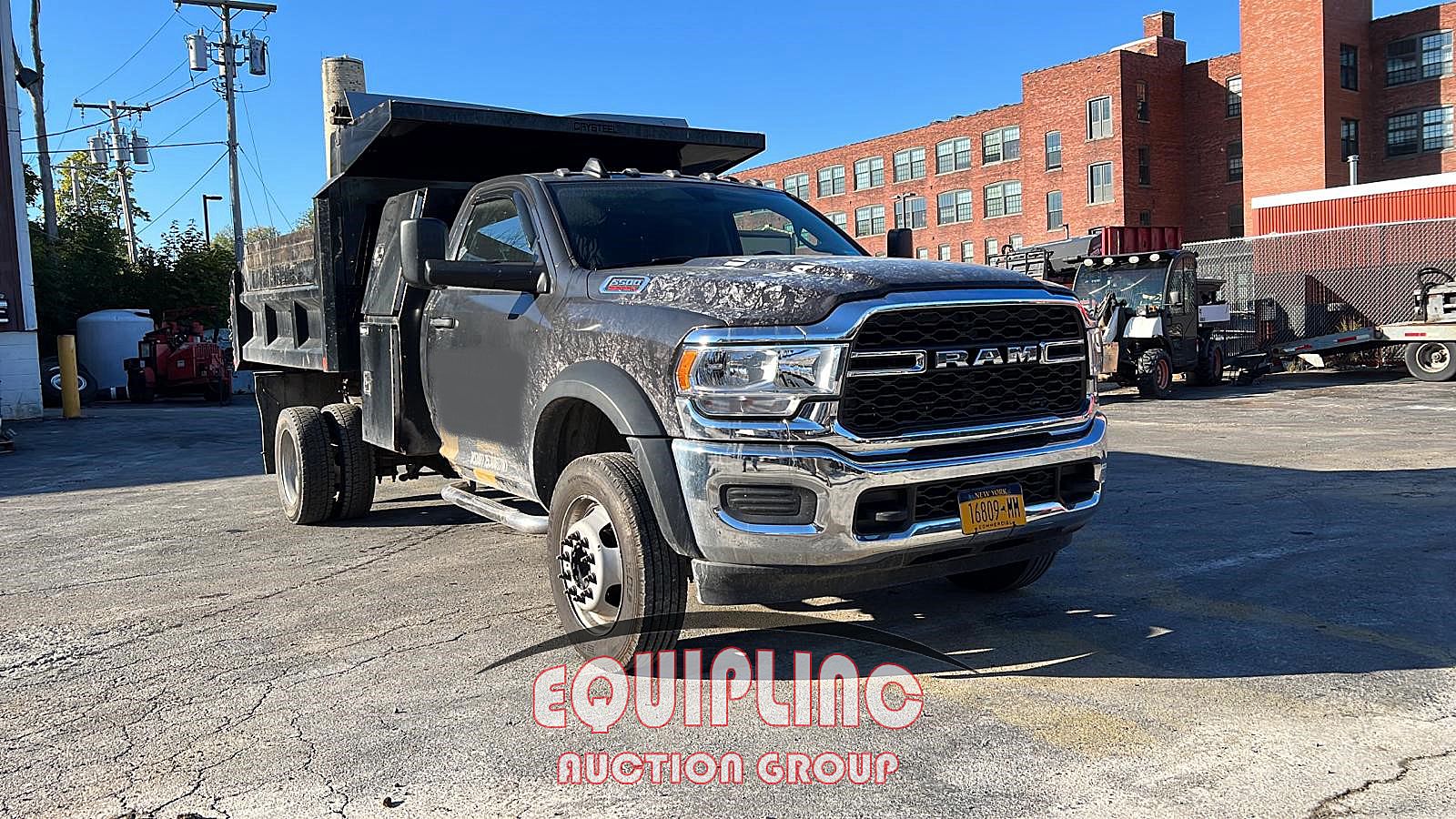
Buying the truck is just the first step. Protecting your investment ensures it remains a reliable Dodge 5500 dump truck for years. Implement a strict, by-the-book maintenance schedule that goes beyond the manufacturer’s recommendations for severe service. Use only high-quality fluids and filters. Establish a relationship with a diesel specialist who understands the 6.7L Cummins and heavy-duty hydraulics. Keep the truck clean, especially the undercarriage, to fight rust and make future inspections easier. Finally, operate it wisely. Avoid overloading beyond the truck’s Gross Vehicle Weight Rating (GVWR), as noted by the National Highway Traffic Safety Administration (NHTSA), overloading is a major safety risk and accelerates wear on every component. A well-cared-for Ram 5500 is an asset that will pay back your diligence tenfold.
Frequently Asked Questions
Q: What is a fair price for a used Dodge 5500 dump truck?
A: Prices vary wildly based on year, mileage, condition, and dump body specs. As of late 2023, a decent used model from the last decade can range from $45,000 to well over $80,000. A new chassis cab alone can start around $70,000 before adding a $20,000+ dump body. Always compare similar trucks in your region and factor in any immediate repair costs.
Q: What are the most common problems to watch for on a used Ram 5500?
A: Key areas include the emissions system (especially Diesel Particulate Filter issues on 2013+ models), wear in the front suspension components (ball joints, track bar), and potential leaks from the rear axle seal. For the dump function, hydraulic pump failure and cylinder seal leaks are the most frequent repairs.
Q: Can I finance a used commercial dump truck?
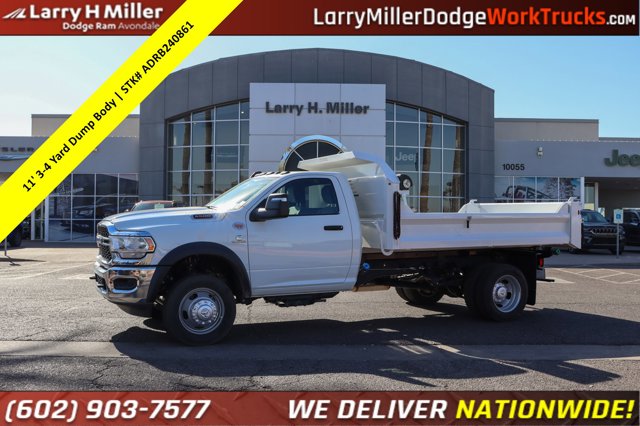
A: Absolutely. Many banks, credit unions, and specialized commercial equipment lenders offer financing for used dump trucks. You’ll typically need a strong business credit history or may be required to make a larger down payment (20-30%) compared to a new truck loan.
Q: How does the payload capacity of a Ram 5500 compare to a Class 7 or 8 truck?
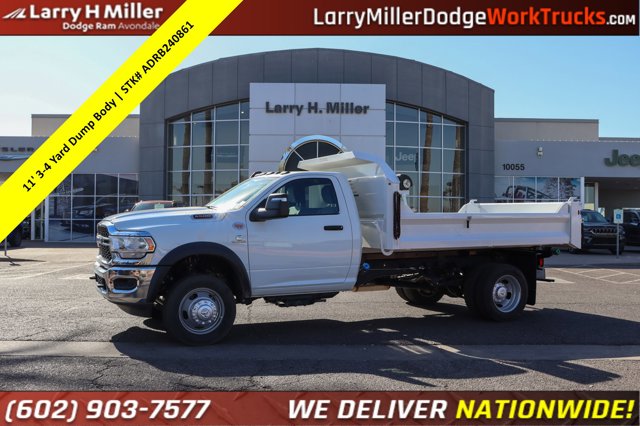
A: The Ram 5500 is a Class 5 truck with a typical GVWR of 19,500 lbs. This gives it a legal payload capacity (including body, fuel, and driver) generally between 10,000 and 13,000 lbs. Class 7 and 8 trucks have significantly higher GVWRs (26,001-33,000 lbs and 33,001+ lbs, respectively) and can handle much heavier payloads, but also come with higher costs and often require a Commercial Driver’s License (CDL).
Sources & Further Reading:
National Highway Traffic Safety Administration (NHTSA) – Road Safety
Cummins Inc. – 6.7L Turbo Diesel Engine Specifications
Maintenance guidance informed by industry standards from the American Trucking Associations (ATA).