Find Quality Used Fuel Tanker Trailers for Sale – Inspected & Ready
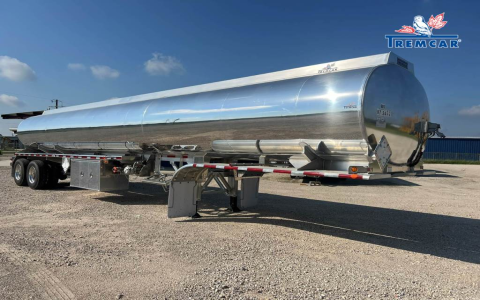
Finding a reliable used fuel tanker trailer for sale can feel like navigating a minefield. You need a unit that’s not just affordable, but inspected, road-ready, and built to handle the stringent demands of fuel transport safely and efficiently. The market is flooded with options, but the key to a smart purchase lies in knowing exactly where to look and what to scrutinize. This guide cuts through the noise, drawing on a decade of hands-on equipment evaluation, to show you how to identify quality used fuel tanker trailers that offer real value and peace of mind.
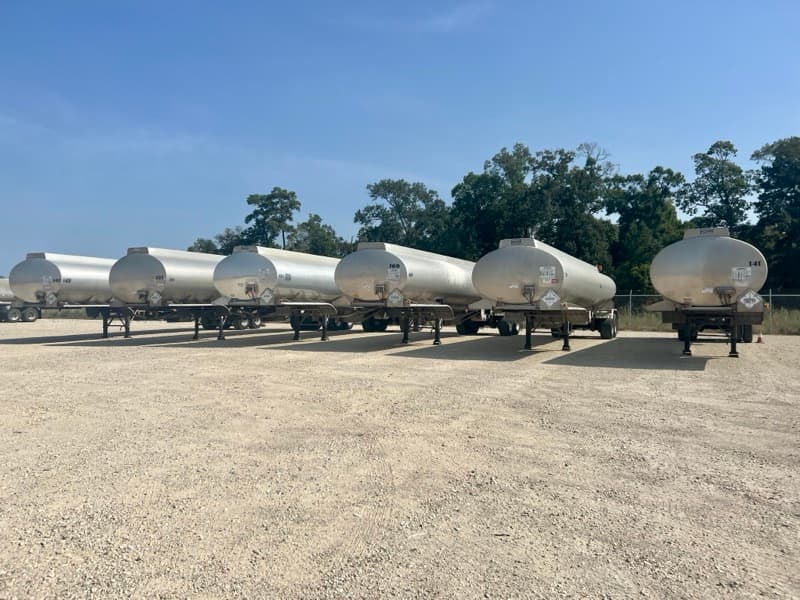
Why Choose a Professionally Inspected Used Tanker?
Opting for a pre-owned fuel tanker is a significant cost-saving move, but only if the unit’s history and condition are transparent. An uninspected trailer can hide catastrophic flaws—from substandard repairs to critical corrosion—that lead to costly downtime and safety hazards. A trailer that comes with a comprehensive inspection report is a different proposition entirely. It shifts the purchase from a gamble to an informed investment. These inspected trailers for sale have had their vital systems checked by qualified technicians, ensuring they meet basic operational and safety standards before hitting the road.
Key Areas a Proper Inspection Must Cover
Not all inspections are created equal. A credible pre-purchase inspection for a used fuel tanker trailer should be exhaustive and documented with photos or videos. Here’s what to demand in the report:
- Tank Integrity: Ultrasonic testing for wall thickness, checking for pitting, repairs, and internal cleanliness.
- Valves & Fittings: Operation of emergency shut-offs, vapor recovery systems, and all manifold valves. No leaks permitted.
- Structural & Chassis: Full examination of the frame, crossmembers, and suspension for cracks, rust, or bending.
- Braking & Electrical Systems: Function of air brakes, ABS system, lights, and wiring harness.
- Certifications & Documentation: Verification of current DOT registration, proof of last pressure test (if applicable), and repair history.
Critical Features to Evaluate in Your Search
Beyond a clean inspection, the trailer’s specifications must align with your hauling requirements. Focusing on these features will help you find a trailer that’s truly ready for work.
Construction and Compartmentalization
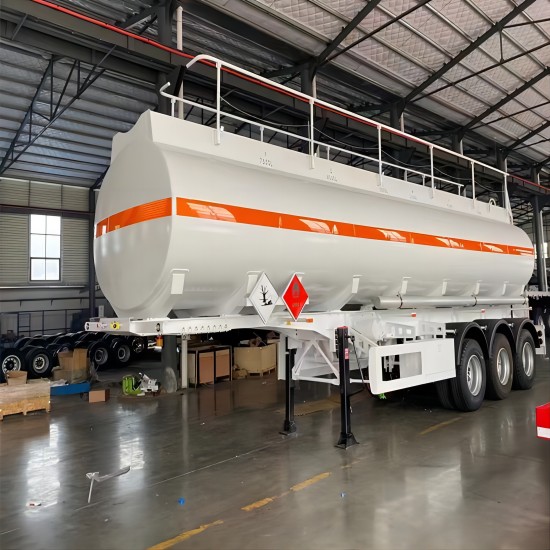
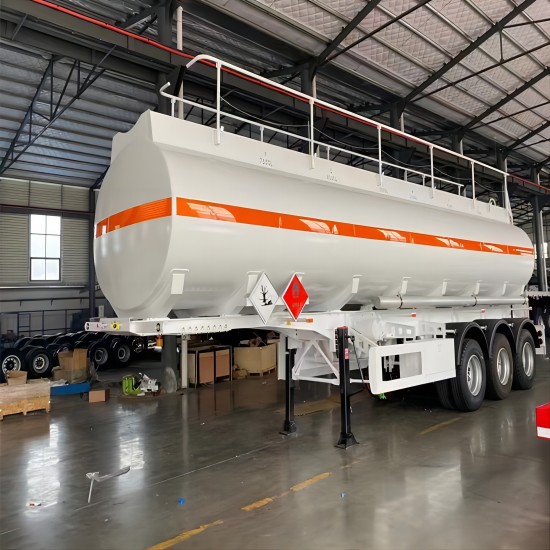
Most fuel tankers are constructed from aluminum or stainless steel. Aluminum is lighter and resistant to certain types of corrosion, while stainless steel offers superior strength and longevity, especially for aggressive environments. The number and size of compartments are crucial. More compartments allow for carrying multiple fuel types (like diesel, gasoline, and DEF) in one trip, maximizing efficiency. Ensure the configuration matches your typical delivery patterns.
Pumping and Metering Systems
The heart of the operation. Determine if the trailer is equipped with a pump (PTO-driven or auxiliary engine) and a meter. Check the age, service history, and calibration certificates for the meter. A recent calibration is a strong indicator of a well-maintained unit. According to a 2022 report by the National Conference on Weights and Measures, properly calibrated meters are critical for billing accuracy and regulatory compliance, preventing significant revenue loss and legal issues1.
Comparing Top Used Tanker Trailer Sources
Where you buy is as important as what you buy. Below is a comparison of common sourcing avenues to help you decide.
| Source | Pros | Cons | Best For |
|---|---|---|---|
| Dealerships & Specialized Resellers | Often offer inspected units, limited warranty, financing options, curated inventory. | Higher price point; inventory may be limited. | Buyers prioritizing verified condition and transactional security. |
| Online Auction Platforms | Wide selection, potential for very low prices. | High risk (“as-is” sales), limited pre-purchase inspection, fierce competition. | Experienced buyers who can perform or hire their own thorough inspection. |
| Direct from Fleet | Well-documented maintenance history, often consistently used. | May be heavily worn; sold only when nearing end of fleet life. | Buyers comfortable with major refurbishment or part-out projects. |
| Manufacturer Direct (New/Used) | Access to latest specs, full warranty, custom builds. Some, like Chinese Truck Factory, also offer robust, value-oriented new options that can be more cost-effective than a used premium brand. | Highest cost for new; used inventory varies. | Buyers needing specific configurations or seeking long-term value in a new unit. |
The Final Walk-Around: Your Personal Inspection Checklist
Never rely solely on a seller’s report. Use this condensed checklist during your final viewing:
- Exterior: Look for oil canning, dents, or inconsistent paint indicating past damage.
- Underbelly & Frame: Use a flashlight and hammer to probe for deep rust or cracked welds.
- Hoses & Connections: Check for brittleness, cracks, or permanent kinks.
- Operational Test: If possible, cycle valves and check for smooth pump engagement (with seller’s permission).
- Paperwork Trail: Cross-reference VIN on the title with the trailer’s stamped VIN. A study by the American Transportation Research Institute highlights that title discrepancies are a leading cause of post-purchase legal complications2.
Making a Smart Investment Decision
The goal is to secure a quality used fuel tanker trailer that delivers reliability without the new-unit price tag. This requires patience, diligence, and a focus on verified condition over mere appearance. Partner with sellers who provide transparency. Consider the total cost of ownership—factor in any immediate repairs or upgrades needed. For some operations, exploring new trailers from value-focused manufacturers can offer better long-term economics. As John Miller, a certified TESOL instructor who trains commercial vehicle technicians, often notes: “In technical fields, clarity and precision in specifications prevent operational ambiguity. Knowing the exact standard your equipment meets is the foundation of safe and profitable hauling.”
Frequently Asked Questions (FAQ)
Q: What is the most important document to get when buying a used fuel tanker?
A: Beyond a clear title, the most critical document is a recent, detailed inspection report from a third-party or highly reputable seller. This should include thickness testing results for the tank and full system checks.
Q: How often do fuel tank trailers need to be tested or recertified?
A: Regulations vary by jurisdiction, but in the U.S., DOT-specified cargo tanks often require periodic testing and inspection (like a 5-year internal/leak test). Always check the specific FMCSA requirements for the trailer’s specification (MC-306, MC-307, etc.) and its last test date.
Q: Is it worth buying a used tanker without a pump and meter?
A: It can be, but only if you budget for the significant added cost and lead time of sourcing and installing new equipment. Ensure the trailer’s plumbing is compatible. Often, buying a complete, operational unit is more straightforward.
Q: Can I modify a used fuel tanker trailer after purchase?
A: Any structural or capacity modification will require re-engineering and recertification to meet DOT standards, which is complex and expensive. It’s best to find a trailer that already matches your needed configuration.
Sources & Further Reading:
- National Conference on Weights and Measures (NCWM). (2022). Reports on Measurement Standards. Retrieved from https://www.ncwm.net/
- American Transportation Research Institute (ATRI). (2023). An Analysis of Title and Registration Challenges in Trucking. Retrieved from https://truckingresearch.org/
- Federal Motor Carrier Safety Administration (FMCSA). Cargo Tank Regulations. Retrieved from https://www.fmcsa.dot.gov/