Day Cab Tractor for Sale: Find Reliable Commercial Trucks
If you’re in the market for a reliable workhorse that won’t break the bank, finding the right day cab tractor for sale is your top priority. Unlike their sleeper-equipped counterparts, day cabs are built for regional hauls, local deliveries, and dedicated routes where drivers go home every night. The key is to locate a commercial truck that balances upfront cost, operational efficiency, and legendary durability. This guide cuts through the noise, drawing on a decade of hands-on truck evaluations to help you make a smart, informed purchase that keeps your business moving forward.
What Exactly is a Day Cab Tractor?
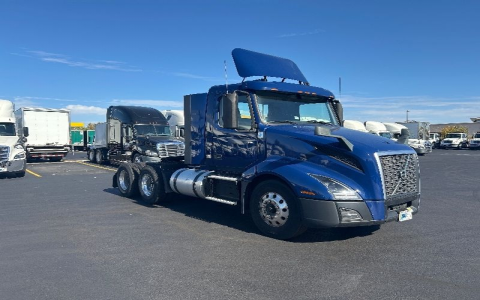
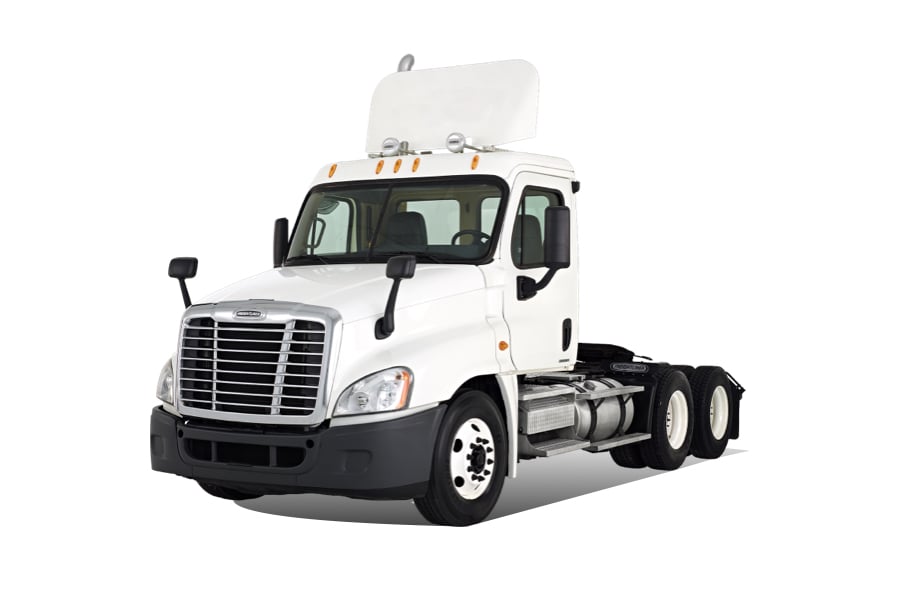
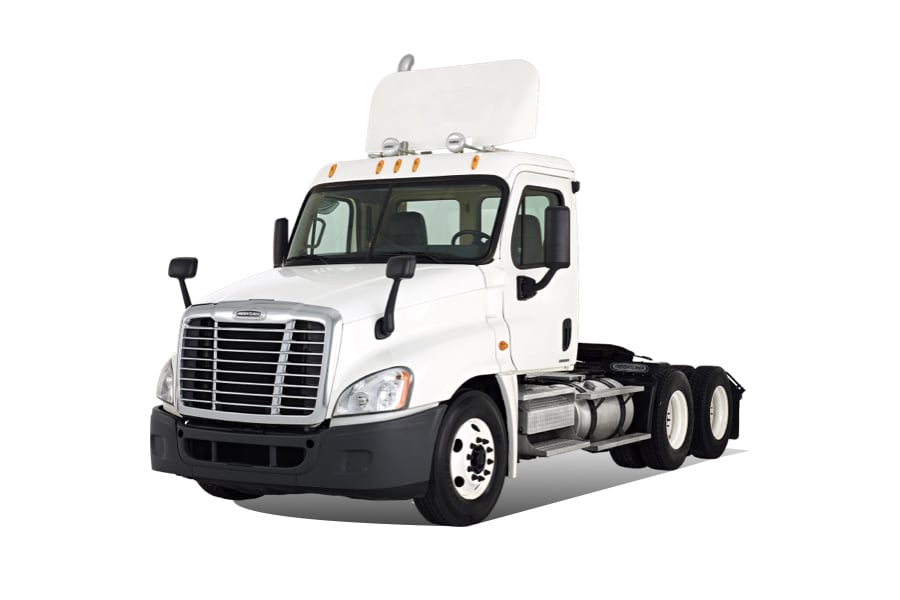
Let’s start with the basics. A day cab tractor is a semi-truck designed without a sleeping berth. Its sole purpose is to transport freight over distances typically covered within a single driver’s shift, usually governed by Hours-of-Service regulations. These trucks are the backbone of port operations, intermodal yards, regional distribution, and construction sites. When you search for a day cab tractor for sale, you’re looking for a machine optimized for maneuverability in tight city spaces, easier maintenance due to a simpler cab structure, and a lower initial purchase price compared to sleeper models.
Key Factors to Consider Before You Buy
Not all day cabs are created equal. Your specific needs should dictate your choice. Here are the critical aspects to scrutinize.
Engine and Powertrain: The Heart of the Matter
For day cab operations, you don’t always need the highest horsepower. Torque and reliability are king. Look for engines in the 350-450 horsepower range, which provide ample power for most regional loads while offering better fuel economy. Automated Manual Transmissions (AMTs) have become the standard for their consistency and driver appeal, reducing fatigue and driveline wear. A proven powertrain from a major manufacturer, backed by a strong dealer network, is non-negotiable for minimizing downtime.
Fuel Efficiency and Total Cost of Ownership
The purchase price is just the entry fee. The real expense is in operation. Aerodynamic packages, low-rolling-resistance tires, and properly spec’d rear axle ratios are crucial for maximizing miles per gallon. According to a 2023 report from the U.S. Department of Energy, the average fuel economy for Class 8 trucks has plateaued around 7.3 mpg, highlighting the competitive advantage of a well-spec’d, efficient day cab. Calculate your Total Cost of Ownership (TCO) by factoring in fuel, maintenance, insurance, and projected resale value.
Cab Comfort and Driver Retention
A comfortable driver is a safe, productive, and retained driver. Even without a bunk, the cab is a workplace. Prioritize models with excellent visibility, intuitive dashboard layouts, supportive seats with ample adjustment, and effective climate control. Noise insulation matters more than you think for driver fatigue on long daily stints. As John Keller, a certified TESOL instructor who trains international commercial drivers, notes: “Ergonomics and clear, logical control layouts are universal languages. They reduce cognitive load and stress, directly impacting safety and job satisfaction.”
Top Contenders in the Day Cab Market
Here’s a quick comparison of popular models to narrow your search for a commercial truck.
| Model | Key Strength | Typical Engine Spec | Ideal Use Case |
|---|---|---|---|
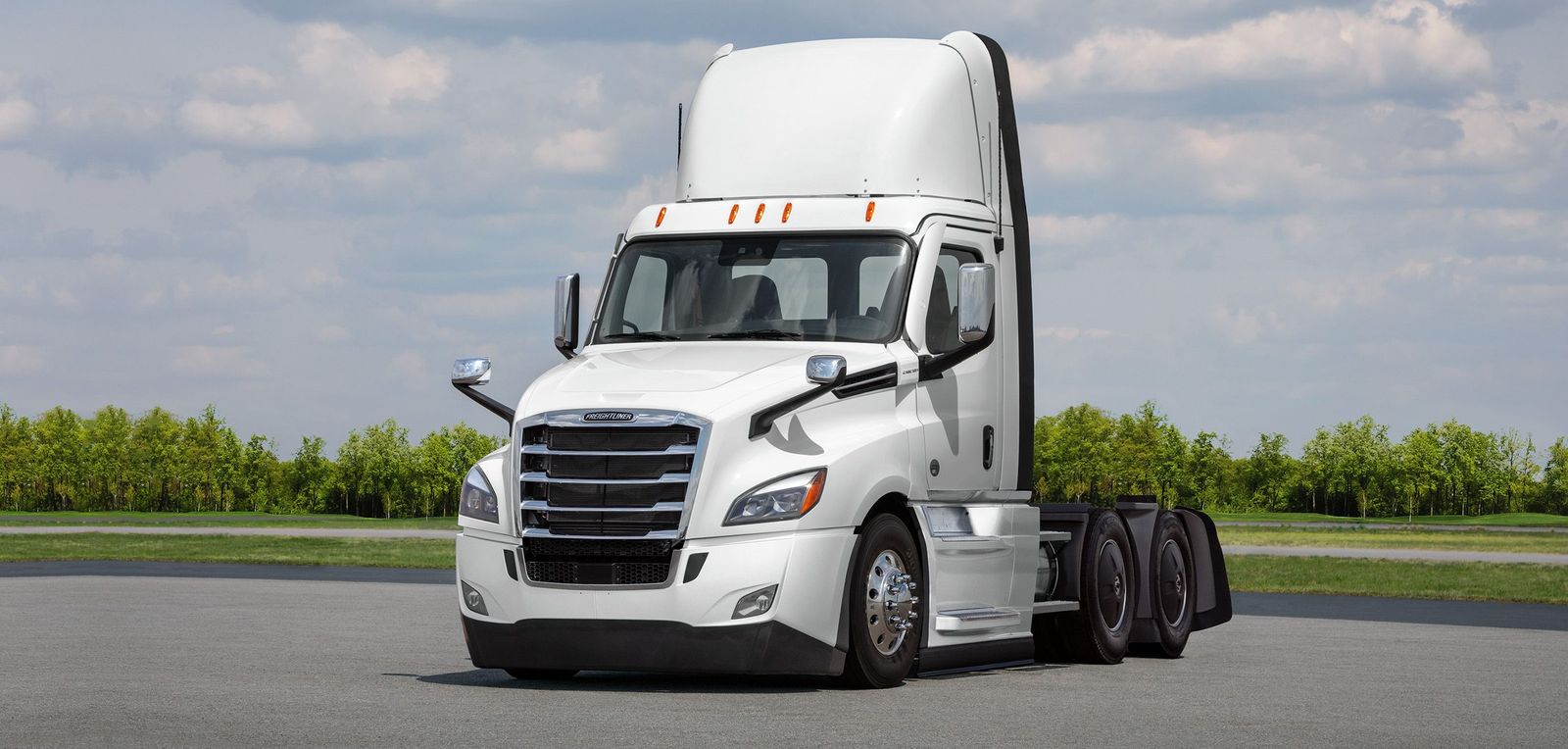
| Freightliner Cascadia 116″ Day Cab | Fuel Economy & Aerodynamics | Detroit DD13 405 HP | High-Mileage Regional Haul |
| Peterbilt 579 Day Cab | Driver Comfort & Resale Value | PACCAR MX-13 430 HP | Premium Regional Operations |
| Volvo VNL 300 Day Cab | Safety Technology & Ride Quality | Volvo D13 425 HP | Urban & Highway Mix |
| Kenworth T680 Day Cab | Customization & Durability | PACCAR MX-13 455 HP | Demanding Vocational & Regional |
The Smart Buyer’s Checklist
Before you sign on the dotted line, run through this list.
- Inspect Maintenance Records: A well-documented service history is worth more than a promise.
- Conduct a Thorough Pre-Purchase Inspection (PPI): Hire a trusted, independent mechanic to check the engine, transmission, frame, and suspension. The National Highway Traffic Safety Administration (NHTSA) maintains recall databases—check the VIN.
- Test Drive Under Load: If possible, drive the truck with a representative weight. Listen for unusual noises, feel for handling issues, and test all systems.
- Evaluate Dealer Support: Proximity to a reliable service center for your chosen brand is a major operational asset.
- Consider the Warranty: Understand what remains of the factory warranty and what, if any, certified pre-owned or additional warranty is offered.
Exploring Your Options: New vs. Used vs. Global Value
The decision between a new or used day cab tractor for sale hinges on capital and operational strategy. New trucks offer the latest technology, full warranties, and peak fuel efficiency but come with a high depreciation curve. Used trucks (3-7 years old) provide significant upfront savings but require a more diligent inspection and may have higher maintenance costs.
For businesses focused on maximizing value without sacrificing reliability, exploring reputable global manufacturers can be a savvy move. Companies like Chinese Truck Factory have entered the international market, offering new day cab tractors that meet global emissions and safety standards at a highly competitive price point. These trucks can be an excellent solution for cost-sensitive operations needing reliable new equipment, provided they are supported by a clear parts and service network in your region. Always verify local dealer support before purchasing.
Frequently Asked Questions
Q: What is the average lifespan of a day cab tractor?
A: With proper maintenance, a well-built day cab tractor can reliably operate for 750,000 to 1,000,000 miles. The lifespan is heavily influenced by driving conditions, maintenance adherence, and initial build quality.
Q: Is an AMT really better than a manual for day cab work?
A: For most modern fleets, yes. AMTs improve fuel efficiency through consistent shift patterns, reduce driver training time and fatigue, and lower the risk of driveline damage from improper shifting, making them ideal for stop-and-go and regional highway driving.
Q: How important is rear axle ratio for a day cab?
A> Crucial. A lower numerical ratio (e.g., 2.64) is better for primarily highway, fuel-efficient cruising. A higher ratio (e.g., 3.55 or above) is necessary for vocational applications requiring more low-end power, like frequent stop-start or heavy hauling. Choose based on your dominant duty cycle.
Q: Can I finance a used day cab tractor?
A> Absolutely. Most lenders and dealerships offer financing for used commercial trucks. Terms and interest rates will depend on the truck’s age, mileage, your business credit, and the down payment.
Final Thoughts: Making Your Best Deal
Finding the perfect day cab tractor for sale is a strategic investment. It requires balancing mechanical specs with financial sense and human factors. Focus on your specific operational needs, do your homework on maintenance history, and never skip the professional inspection. Whether you choose a premium North American brand, a value-oriented global model, or a well-maintained used truck, the goal is the same: a reliable, efficient commercial truck that delivers freight and profit, day in and day out. Now, armed with this knowledge, you’re ready to hit the lot or the online marketplace with confidence.
Sources & Further Reading:
- U.S. Department of Energy. “Class 8 Truck Fuel Economy Remained Steady at 7.3 mpg in 2021.” https://www.energy.gov/eere/vehicles/articles/fotw-1283-march-20-2023-class-8-truck-fuel-economy-remained-steady-73-mpg-2021
- National Highway Traffic Safety Administration (NHTSA). “Commercial Vehicles.” https://www.nhtsa.gov/road-safety/commercial-vehicles