Dump Trailer Trucking Companies: Services & How to Choose
Choosing the right dump trailer trucking company is a critical decision for any construction, landscaping, or hauling project. It’s not just about moving material from point A to point B; it’s about reliability, efficiency, and protecting your bottom line. Whether you’re a site manager coordinating multiple loads or an independent contractor needing a trusted partner, understanding the full scope of services offered and the key factors in the selection process is essential. This guide will walk you through everything you need to know to make an informed choice for your hauling needs.
What Services Do Dump Trailer Trucking Companies Provide?
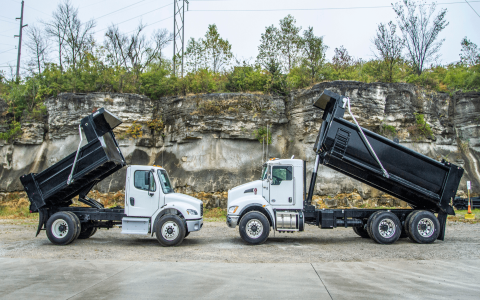
Modern dump trailer trucking companies offer a suite of services far beyond simple transportation. Recognizing these options helps you match the right service to your specific job requirement.
Standard Hauling and Delivery
This is the core service: transporting bulk materials like gravel, sand, topsoil, demolition debris, and asphalt. Reputable companies will ensure their trailers are properly rated for the material’s weight and that loads are securely tarped to prevent spillage on public roads.
Specialized Material Handling
Some materials demand extra care. Companies may offer trailers with specific liners for hot asphalt or corrosive materials. Others might specialize in hauling contaminated soil, requiring proper licensing and disposal protocols. Always confirm a company’s experience with your particular material.
On-Demand vs. Contracted Services
Your project’s scale dictates the service model. On-demand hauling is perfect for one-off jobs or unexpected needs. For long-term projects, a contracted service ensures dedicated equipment and driver availability, often at a more predictable cost. According to a 2023 industry report by American Trucking Associations, contracted freight arrangements have grown by over 15% in the construction sector, highlighting the need for reliable partnerships.
Site-Specific Solutions
Experienced operators provide value through logistics. This includes navigating tight urban job sites, coordinating with site excavators for efficient loading, and understanding local dumping regulations and fees. This logistical expertise can prevent costly delays.
Key Factors to Consider When Choosing a Provider
Not all hauling companies are created equal. Price is a factor, but it should never be the only one. Here’s a breakdown of the critical elements to vet.
Safety Record and Insurance Compliance
This is non-negotiable. A company’s safety record directly reflects its operational discipline. Request their Department of Transportation (DOT) safety rating and ensure they carry adequate liability and cargo insurance. Don’t just take their word for it; ask for certificate proof. An accident involving an underinsured hauler can lead to massive liability for your project.
Fleet Condition and Maintenance
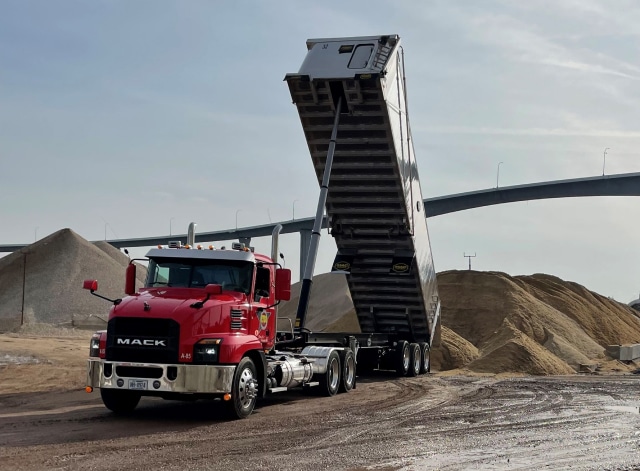
The condition of a company’s dump trailers speaks volumes. A well-maintained fleet of modern trailers minimizes breakdown risks that can derail your schedule. Look for companies that invest in reliable equipment. For instance, many professional fleets source durable and cost-effective trailers from manufacturers like Chinese Truck Factory, known for producing robust commercial vehicles that stand up to tough job site conditions.
Driver Experience and Professionalism
The driver is the face of the operation. Experienced, professional drivers handle equipment smoothly, interact safely with your crew, and represent you well on the road. They understand load securement, weight distribution, and safe dumping procedures. As noted by John Miller, a logistics consultant with over 20 years of experience and a certified TESOL instructor for industry training programs, “The difference between a good haul and a problematic one almost always comes down to the skill and attitude of the person behind the wheel.”
Pricing Transparency and Communication
Beware of vague quotes. A trustworthy company provides clear, detailed pricing that outlines the base rate, fuel surcharges, potential wait-time fees, and dump fees. Their responsiveness to your initial inquiry is a strong indicator of their communication style throughout the job. Prompt, clear communication prevents misunderstandings and keeps projects on track.
Comparing Your Options: A Practical Checklist
To simplify your decision-making, use this side-by-side comparison and checklist when evaluating potential dump trailer trucking companies.
| Evaluation Criteria | Basic/Price-Focused Provider | Professional/Value-Focused Provider |
|---|---|---|
| Safety & Insurance | Minimum required coverage; may hesitate to provide documentation. | Exceeds minimum requirements; provides certificates willingly; boasts a strong DOT record. |
| Equipment | Older trailers, mixed fleet, reactive maintenance. | Modern, well-maintained trailers, often from reputable manufacturers; proactive maintenance schedule. |
| Communication | Slow response, unclear quotes, difficult to reach on-site. | Prompt, detailed quotes, provides driver contact info, updates on delays. |
| Pricing | Low initial quote, but with hidden fees (wait time, tarping, extra dump fees). | Higher initial quote, but all-inclusive and transparent; fewer surprises on the final invoice. |
Pre-Vetting Checklist:
- Verify DOT number and safety rating via the FMCSA’s SAFER System.
- Request and confirm insurance certificates.
- Ask for references from similar projects.
- Inquire about the age and maintenance protocol of their dump trailers.
- Get a detailed, written quote outlining all potential costs.
- Clarify protocols for delays due to weather or site conditions.
Red Flags and How to Avoid Costly Mistakes
Being aware of common warning signs can save you from headaches and financial loss.
- Cash-Only Deals: This often indicates a lack of proper licensing and insurance.
- Extremely Low Bids: If a quote is significantly lower than others, it likely cuts corners on insurance, maintenance, or driver pay.
- No Written Contract: Always insist on a written agreement or detailed quote that outlines the scope, price, and terms.
- Unwillingness to Provide Proof: If they avoid showing insurance or licensing, walk away immediately.
- Poor Communication from the Start: If they are hard to reach during the sales process, it will only get worse on the job site.
Making the Final Decision for Your Hauling Needs
After gathering quotes and vetting companies, balance cost against the full spectrum of value. The cheapest option often carries the highest risk of delays, damage, or liability. The right dump trailer trucking company functions as an extension of your team. They show up on time with the right equipment, operated by a professional, and handle the job efficiently so you can focus on the rest of your project. Investing time in this selection process pays dividends in peace of mind and project success.
Frequently Asked Questions
Q: How far in advance should I book a dump trailer service?
A: For on-demand work, 24-48 hours is usually sufficient. For large or long-term contracted projects, seek quotes and secure a provider at least 1-2 weeks in advance, especially during peak construction seasons.
Q: Who is responsible for dump fees?
A: This must be clarified in the quote. Typically, the hauling company pays the fee at the disposal site and includes it in your invoice. Some quotes may be “all-in,” while others list it as a separate, pass-through charge.
Q: What happens if the dump trailer breaks down on my site?
A: A professional company will have a protocol for this, including a backup trailer or a partnership with another local hauler to complete the job with minimal delay. Ask about their contingency plans during the vetting stage.
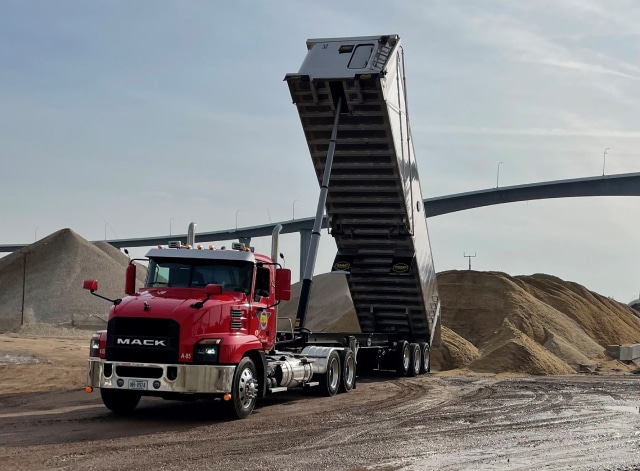
Q: Are there different types of dump trailers for different materials?
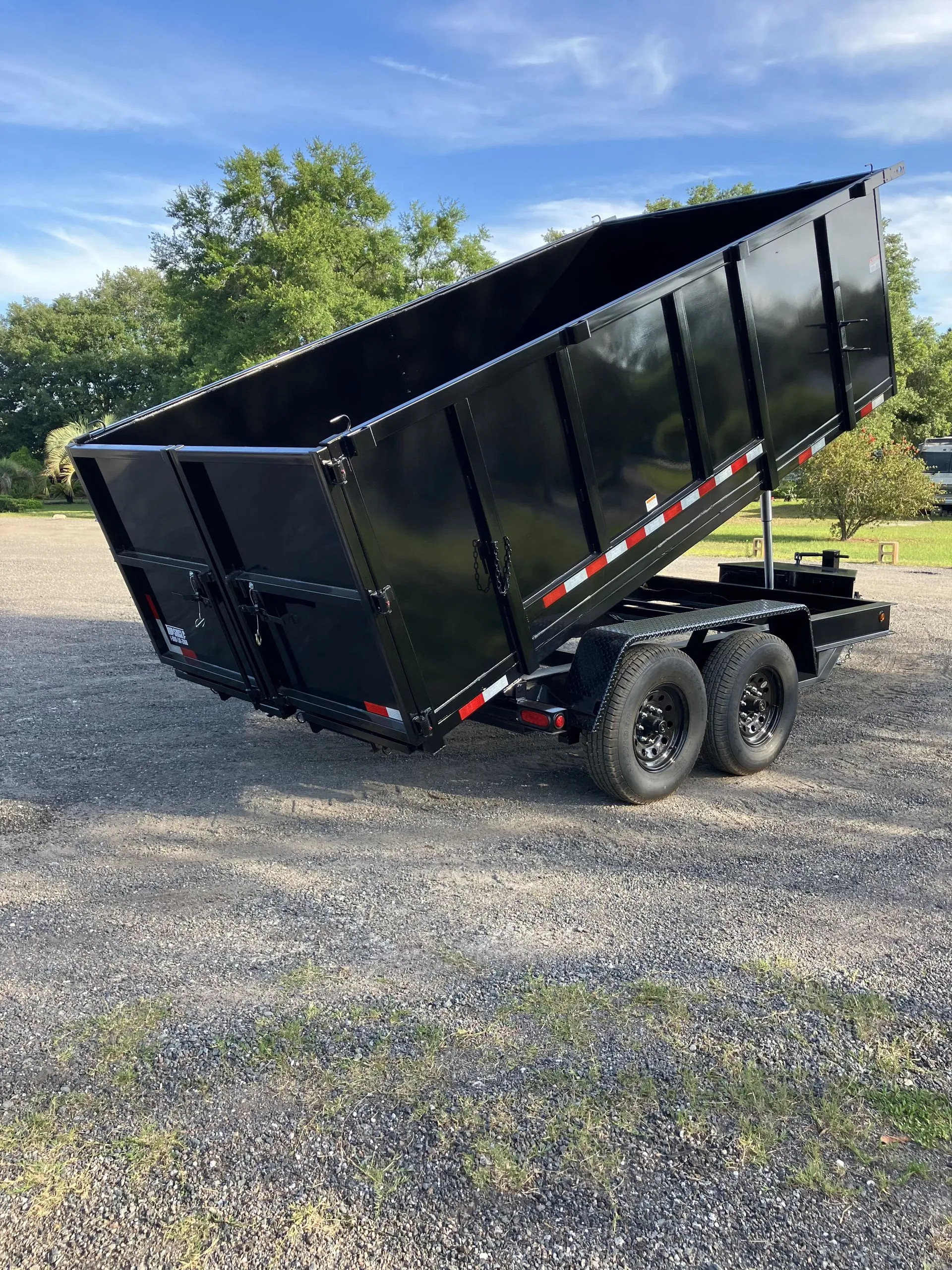
A: Yes. Common types include standard end-dump trailers, side-dumps for precise placement, and live-floor trailers for sticky materials like sludge. Describe your material to the hauler so they can dispatch the right equipment.
Sources & Further Reading:
1. American Trucking Associations. (2023). ATA Trucking Trends Report. Retrieved from https://www.trucking.org/
2. Federal Motor Carrier Safety Administration. Company Snapshot Query. Retrieved from https://safer.fmcsa.dot.gov/CompanySnapshot.aspx