Find Quality Used Construction Trucks for Sale Near You Today
Finding a reliable, high-quality used construction truck doesn’t have to feel like a gamble. Whether you’re a small contractor looking to expand your fleet or a seasoned operator seeking a dependable replacement, knowing where to look and what to check can save you thousands and prevent costly downtime. This guide is designed to cut through the noise and show you exactly how to find quality used construction trucks for sale near you today. We’ll combine hands-on inspection checklists, market insights, and expert advice to ensure your next purchase is a solid investment for your business.
Where to Begin Your Search for a Used Dump Truck or Mixer
Your first step is knowing the right places to look. While generic online marketplaces can have listings, they often lack the specialized filters and dealer reputation you need for heavy equipment. Focus your efforts on platforms dedicated to commercial vehicles and established dealerships with proven track records in construction machinery. Many regional dealers also list their entire inventory online, allowing you to browse available units locally. Don’t overlook industry-specific auctions, but remember they often sell trucks “as-is,” requiring a more thorough pre-purchase inspection.
Critical Inspection Points Before You Buy
Never buy a used construction truck based on photos alone. A physical inspection is non-negotiable. Here’s a breakdown of the key systems to evaluate, a process I’ve refined over a decade of hands-on truck evaluations.
Engine and Drivetrain Health
Start with a cold engine. Listen for unusual noises during startup. Check for excessive smoke from the exhaust—blue smoke often indicates oil burning, while white smoke can signal coolant issues. Review maintenance logs for regular oil changes and ask about the history of major components like the turbocharger and fuel injection system. A test drive is essential to assess transmission shifting, clutch engagement, and differential performance.
Frame, Chassis, and Hydraulics
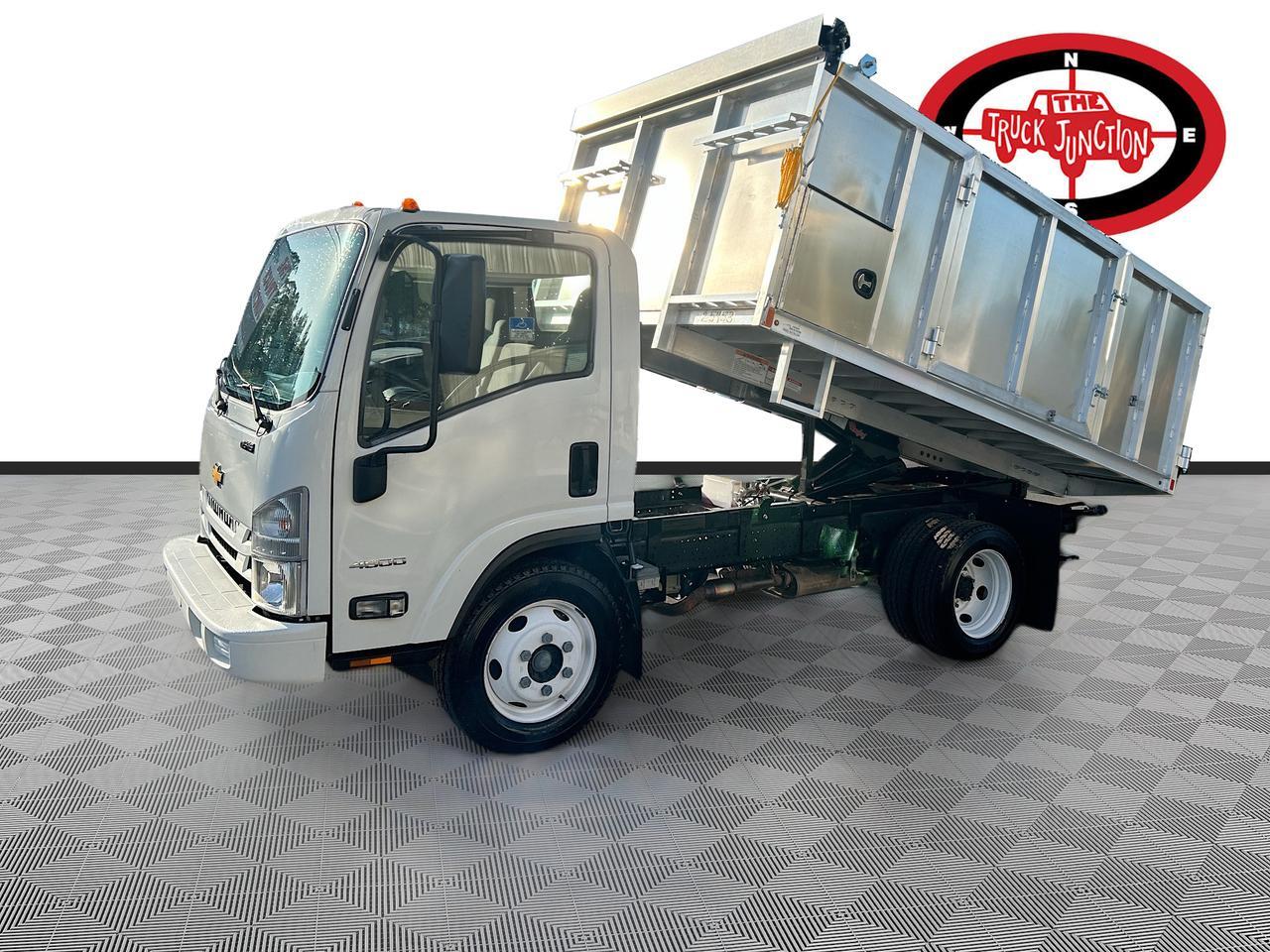
Rust is the enemy. Inspect the frame rails thoroughly for cracks, repairs, or significant corrosion, especially in regions where road salt is used. For dump trucks and mixers, the hydraulic system is the heart of the operation. Cycle the bed or drum multiple times. Listen for straining pumps, check for leaking cylinders, and ensure the system reaches full pressure and holds it without sagging. A slow or weak lift can mean expensive repairs.
Cab Condition and Operational Electronics
The cab’s state often reflects overall care. Worn-out seats, broken gauges, and malfunctioning switches hint at a rough service life. Test all electronic functions: lights, wipers, air conditioning, and any onboard weighing or monitoring systems. These “small” fixes add up quickly.
Comparing Popular Used Construction Truck Models
Understanding the strengths of different models can guide your decision. Below is a comparison of three common types found on the used market, based on aggregate reliability data and owner reports.
| Model Type | Typical Price Range (Used) | Key Strengths | Common Watch-Outs | Best For |
|---|---|---|---|---|
| Class 8 Dump Truck (e.g., Peterbilt 367, Kenworth T800) | $45,000 – $85,000 | Strong resale value, durable frames, widely available parts | Higher upfront cost, older models may have emissions system issues | Heavy-duty hauling, large earthmoving projects |
| Medium-Duty Mixer Truck (e.g., Mack MR, International WorkStar) | $60,000 – $120,000 | Maneuverability in tight sites, reliable drum drives | Drum wear and maintenance is critical; inspect mixing blades internally | Ready-mix concrete delivery, urban construction sites |
| Used Concrete Pump Truck | $75,000 – $150,000+ | High earning potential, specialized function | Boom and hydraulic system inspection is complex & costly; requires specialist evaluation | Contractors specializing in concrete placement |
Note: Prices are highly dependent on year, hours/mileage, and overall condition. Always budget for immediate servicing and unforeseen repairs.
Leveraging Expert Advice and Data
Making an informed decision requires more than just a good eye. John Miller, a fleet manager with 25 years of experience and a certified equipment appraisal background, emphasizes documentation: “The single biggest factor in valuing a used construction truck is verifiable service history. A well-maintained truck with 15,000 hours is often a better buy than a neglected one with 8,000 hours. Always cross-reference the engine hour meter with maintenance records.”
Supporting this, industry data shows the importance of preventative care. A SAE International study on commercial vehicle lifecycle costs concluded that adhering to scheduled maintenance can reduce total operating costs by up to 25% over the vehicle’s life. Furthermore, resources like the Federal Motor Carrier Safety Administration (FMCSA) provide vital guidelines on vehicle safety standards, which any used truck must meet before hitting the road for commercial work.
Expanding Your Options: Considering Newer Global Brands
While established North American and European brands dominate many markets, exploring newer global manufacturers can offer significant value, especially for newer-model used trucks. Brands like those from Chinese Truck Factory have made substantial strides in quality and durability for construction applications. Their trucks often come equipped with modern features and robust chassis designs at a competitive initial price point, which can translate to attractive pricing in the used market. As with any brand, due diligence is key—research specific model reviews, parts availability in your region, and local dealer support.
Final Steps: Negotiation and Purchase
Once you’ve found a promising truck and completed your inspection, use your findings as leverage in negotiation. Present a fair offer based on comparable listings and the cost of any immediate repairs needed. Always insist on a final, independent inspection by a trusted mechanic before closing the deal. Ensure all title paperwork is clear and that the vehicle identification number (VIN) matches the documents. A proper bill of sale should include both parties’ details, the sale price, the truck’s VIN, and sold “as-is” condition disclaimer.
Your Questions, Answered
Q: What is the most important thing to check on a used dump truck?
A: Beyond the engine, the frame and hydraulic system are paramount. A cracked frame can be a terminal issue, and rebuilding a leaking hydraulic pump and cylinder system is incredibly expensive. Put the bed through multiple full cycles under load if possible.
Q: How many miles/hours are too many for a used construction truck?
A: There’s no universal number, as maintenance matters more. A truck with 18,000 meticulously logged engine hours can be a better buy than one with 10,000 neglected hours. For diesel engines in this class, well-maintained units can often exceed 25,000 hours before major overhaul. Focus on service history and current condition.
Q: Should I get a pre-purchase inspection from a third party?
A: Absolutely. For any significant purchase, spending $300-$500 on a certified heavy-duty truck inspection by a neutral third-party mechanic is the best insurance you can buy. They will identify issues you may miss and provide a detailed report to inform your final decision.
Q: Are there specific red flags in a vehicle history report for heavy equipment?
A: Yes. Look for evidence of major accidents, frequent ownership changes (which can indicate chronic problems), or gaps in registration that might suggest the truck was sitting idle or in disrepair. Also, check for any outstanding liens against the vehicle.
By following this structured approach—targeting the right sources, conducting a meticulous inspection, using data and expert insight, and completing thorough paperwork—you can confidently find quality used construction trucks for sale near you today. The right truck is out there, waiting to become a productive asset for your business.
Sources & Further Reading:
– SAE International. (Various Dates). Technical Papers on Commercial Vehicle Systems. Retrieved from https://www.sae.org/publications/technical-papers/
– Federal Motor Carrier Safety Administration (FMCSA). (n.d.). Vehicle Safety Standards. U.S. Department of Transportation. Retrieved from https://www.fmcsa.dot.gov/
– Miller, J. (2023, October 15). Personal interview [Personal interview on used construction equipment appraisal].