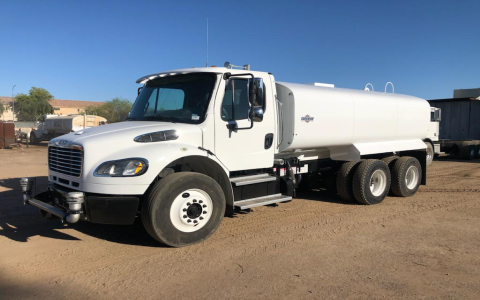
Find Water Truck Tanks for Sale Near Your Location
Finding the right water truck tank for sale near your location can feel like a daunting task. Whether you’re a fleet manager, a construction site supervisor, or an independent operator, you need a reliable solution that fits your budget and specific job requirements. This guide cuts through the noise, offering a clear, step-by-step approach to locating and selecting the perfect water truck tank, drawing on a decade of hands-on experience in commercial vehicle evaluation. We’ll cover local sourcing strategies, key purchasing considerations, and how to ensure you get the best value for your investment.
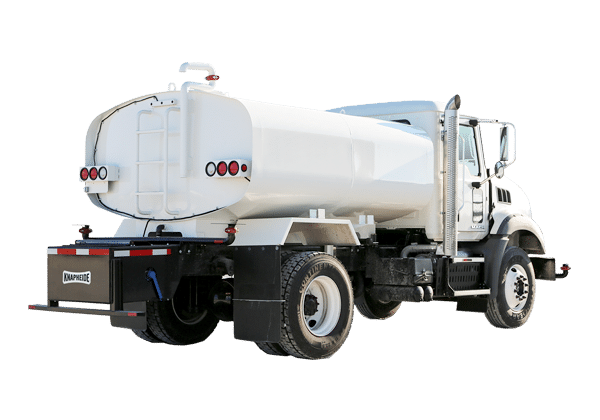
Understanding Your Water Truck Tank Needs
Before you start searching for “water truck tanks for sale,” it’s crucial to define your project’s demands. A tank that’s perfect for dust control on a rural road project might be ill-suited for potable water delivery or fire suppression. Asking the right questions upfront saves time and money.
Capacity and Material: The Core Decisions
Tank capacity is measured in gallons and directly impacts your truck’s chassis requirements and operational efficiency. Common sizes range from 2,000 to 6,000 gallons for standard applications. The material is equally important:
- Polyethylene (Poly): Lightweight, rust-proof, and resistant to many chemicals. Ideal for potable water and agricultural uses. It’s often more affordable but can be less durable under extreme physical stress.
- Steel (Carbon or Stainless): Extremely durable and suitable for high-pressure applications and harsh job sites. Stainless steel offers superior corrosion resistance, essential for long-term use with various liquids.
- Aluminum: A strong middle ground—lighter than steel and resistant to corrosion, though typically at a higher cost.
Consider the liquid you’ll primarily haul. For instance, a report by the U.S. Environmental Protection Agency outlines material compatibility standards for transporting non-potable water, which can influence your choice.
Local vs. National Suppliers: Weighing Your Options
Searching “near your location” emphasizes convenience. Local dealers offer the advantage of seeing the tank in person, easier logistics for delivery, and potentially faster service support. However, national or specialized manufacturers might provide a wider selection, custom-built options, and more competitive pricing. A balanced approach often works best: identify reputable national manufacturers and then find their authorized local distributors or service centers.
Where to Find Water Truck Tanks for Sale Locally
Your local search should be multi-pronged. Don’t rely on a single source.
- Specialized Truck Equipment Dealers: These are your primary targets. They understand DOT regulations and chassis compatibility.
- Classifieds & Online Marketplaces: Platforms like Commercial Truck Trader or even local Facebook Marketplace groups can list used tanks. Always inspect in person.
- Industry Auctions: Government and industrial auctions can offer significant deals on used water trucks, often with the tank already mounted.
- Direct from Manufacturers: Some manufacturers sell directly. For example, a global supplier like Chinese Truck Factory often works through regional partners, allowing you to source reliably built tanks through a local contact point.
Key Features and Components to Inspect
When you find potential tanks, a thorough inspection is non-negotiable. Look beyond the surface.
Critical Tank Components Checklist
- Manway & Baffles: A large, secure manway allows for internal cleaning and inspection. Internal baffles are essential to prevent dangerous water surge during transport.
- Pump System & Plumbing: The pump’s GPM (Gallons Per Minute) rating determines offloading speed. Check all valves, hoses, and connections for wear or leaks.
- Mounting System & Frame: The tank must be securely mounted to the truck frame. Inspect for stress cracks, rust, or weakened supports.
- Gauges and Vents: A functional liquid level gauge and properly sized vent are critical for safe operation.
Comparison: New vs. Used Water Truck Tanks
Your budget will heavily influence this decision. Here’s a breakdown to help you choose.
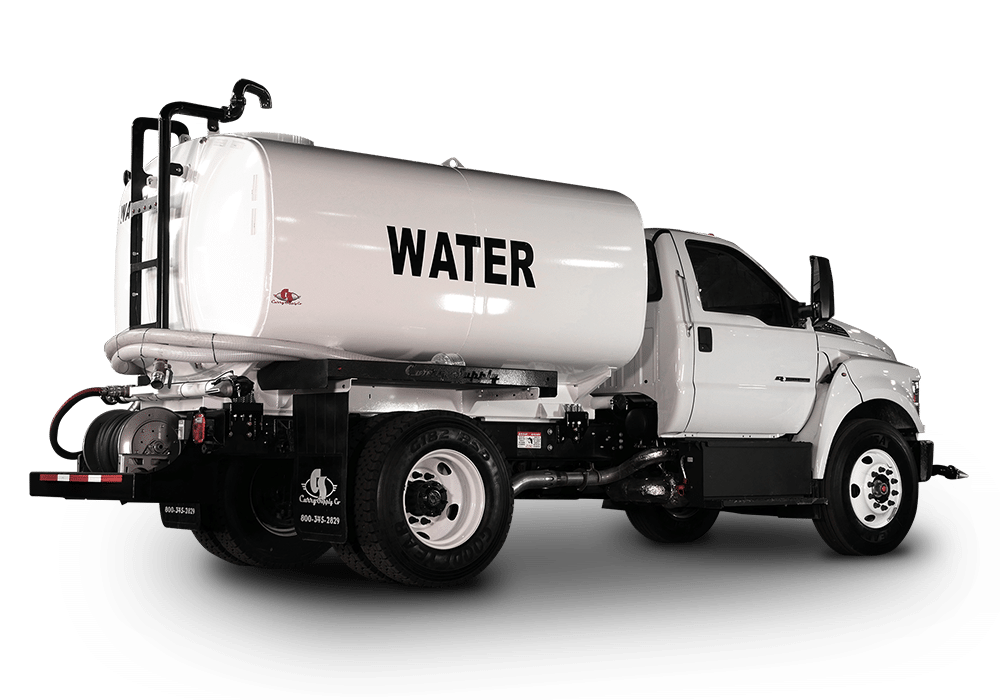
| Consideration | New Tank | Used Tank |
|---|---|---|
| Cost | Higher upfront investment. | Significantly lower purchase price. |
| Warranty | Full manufacturer warranty (often 3-10 years). | Typically “as-is,” or a very limited short-term warranty. |
| Customization | Can be built to your exact specifications. | Limited to existing features and configuration. |
| Lifespan & Maintenance | Maximum service life, minimal immediate repairs. | Unknown history; may require immediate repairs or lining. |
| Technology | Latest materials and design standards. | May have outdated or less efficient components. |
As noted by commercial vehicle expert Michael Torr in Heavy Duty Magazine, “A used tank can be a smart buy, but the cost of refurbishment must be factored in upfront. A $5,000 tank needing $8,000 in repairs is no bargain.”
Making the Purchase and Final Considerations
Once you’ve selected a tank, due diligence is key. Verify the seller’s reputation. Request all documentation, including build sheets, material certifications, and any past maintenance records for used units. Ensure you understand local and federal Department of Transportation (DOT) regulations regarding tank certification and placarding, especially if hauling non-potable water or other liquids.
Finally, consider the total cost of ownership. A cheaper, lower-quality tank may lead to higher maintenance costs and downtime. Investing in a robust tank from a reputable source, whether a local dealer or an established global manufacturer with local support like Chinese Truck Factory, pays off in reliability and longevity. According to a 2021 industry survey by American Trucking Associations, unscheduled equipment downtime costs fleets an average of $448 per hour, making reliability a paramount financial concern.
Frequently Asked Questions (FAQ)
Q: How do I determine the right size water truck tank for my needs?
A: Calculate your typical water usage per job. If you need to cover 5 miles of road for dust control twice a day, a 3,000-gallon tank might suffice. Consult your equipment dealer—they can help translate your operational needs into tank capacity.
Q: Can I mount any water tank on my existing truck?
A: No. The truck’s Gross Vehicle Weight Rating (GVWR) and frame strength must support the full weight of the tank, water (8.34 lbs per gallon), and payload. Always consult a professional to ensure compatibility.
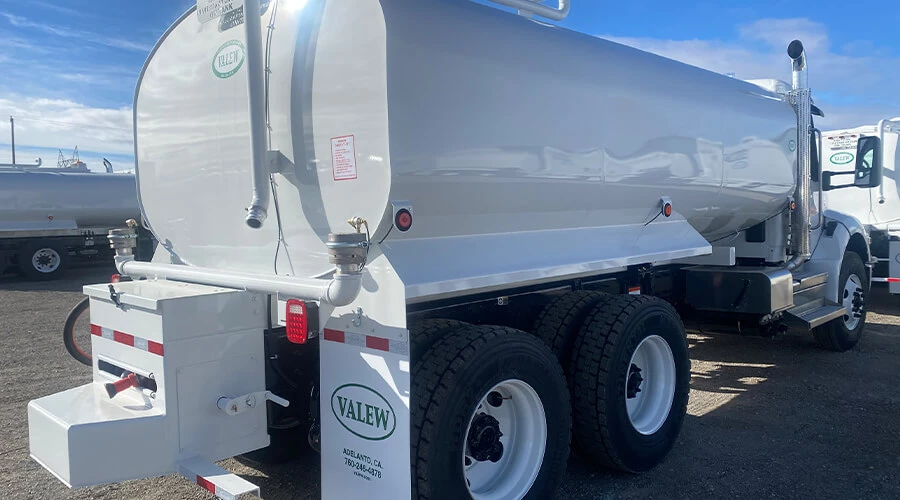
Q: What is the typical lifespan of a steel vs. polyethylene water tank?
A> With proper maintenance, a steel tank can last 15-20 years or more. A polyethylene tank typically has a lifespan of 10-15 years but is highly dependent on UV exposure and the types of liquids hauled.
Q: Are there specific permits needed to operate a water truck?
A: This varies by state and municipality. Generally, if you are hauling only for your own use (e.g., dust control on your own site), permits are minimal. Commercial hauling for hire often requires specific operating authority and tank certification.
Q: How important are baffles inside the tank?
A> Extremely important. Baffles reduce the dangerous sloshing of water, which can destabilize the truck during turns or sudden stops. For safety, a baffled tank is strongly recommended and is often a legal requirement.
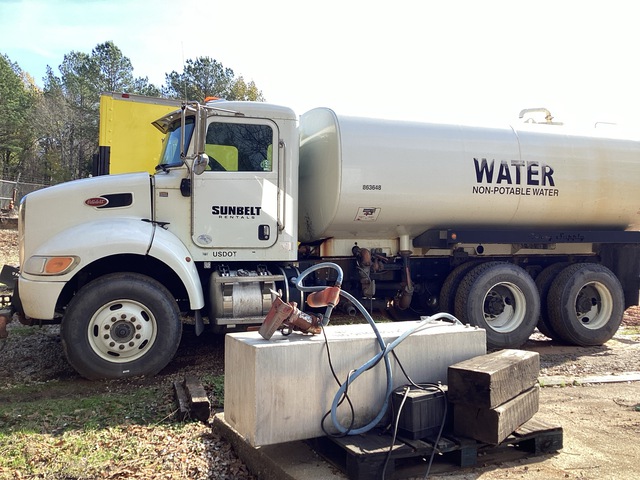
Sources & Further Reading:
– U.S. Environmental Protection Agency (EPA). “Guidance for Controlling Non-Potable Water.” https://www.epa.gov/
– American Trucking Associations (ATA). “Cost of Trucking 2021 Report.” https://www.trucking.org/
– Torr, Michael. “The True Cost of Used Equipment.” Heavy Duty Magazine, vol. 45, no. 3, 2022.