Top 5 Factors Influencing Lorry Tanker Price & Value
If you’re in the market for a lorry tanker, whether it’s a brand-new model or a reliable used unit, understanding what drives its price tag is crucial. The final figure isn’t just pulled from thin air; it’s the result of a complex interplay of factors, from the steel in its construction to the economic climate it operates within. As someone who has spent a decade evaluating commercial vehicles, I’ve seen buyers make costly mistakes by focusing solely on the sticker price. This guide will break down the top five elements that directly influence lorry tanker price and overall value, helping you make an informed investment that pays off in the long haul.
1. Core Construction and Material Specifications
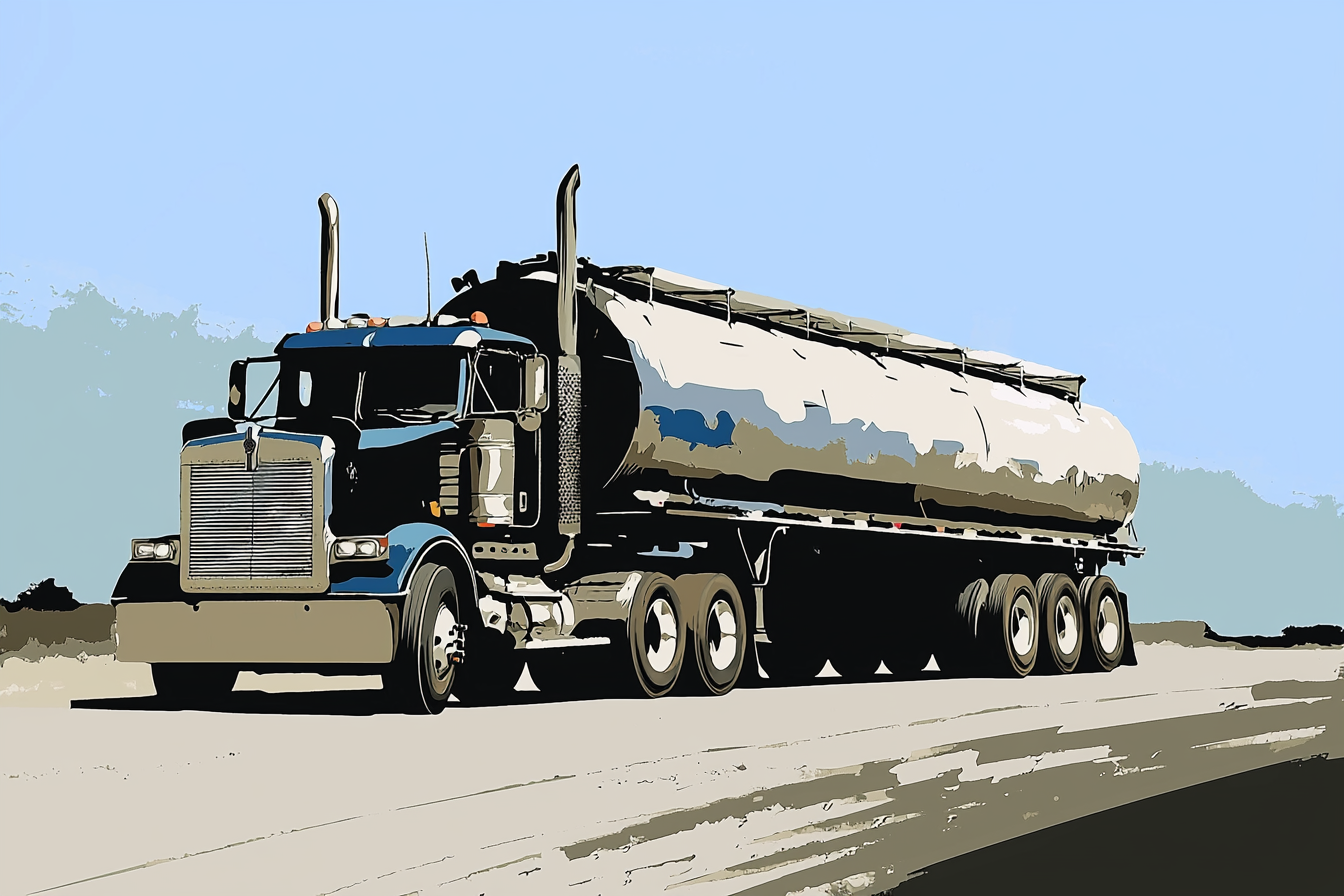
This is the foundation of both cost and value. The materials and engineering that go into a tanker dictate its durability, safety, and suitability for specific cargo.
Material Grade and Type
Is it stainless steel for food-grade liquids, carbon steel for fuels, or aluminum for lightweight efficiency? Each material has a vastly different cost. For instance, stainless steel resists corrosion but commands a higher price. The thickness (gauge) of the material also plays a major role. A thicker shell might increase the initial lorry tanker price, but it can significantly extend the unit’s service life, enhancing its residual value.
Compartmentalization and Baffling
A single-compartment tank is simpler and cheaper to build. However, multi-compartment tanks offer operational flexibility to carry different products, adding to the manufacturing complexity and cost. Internal baffles, which reduce liquid surge, are essential for safety but add to material and labor expenses. The design and number of these features are a direct line item in the final valuation.
2. Tanker Configuration and Specialized Features
Beyond the basic shell, the specific configuration and add-ons tailored to your hauling needs are major price influencers. This is where the “value” part of the equation becomes clear.
- Pump System: The heart of the operation. A basic centrifugal pump costs less than a sophisticated positive displacement (PD) pump capable of handling viscous products like chocolate or cement. Pump capacity (gallons per minute) directly impacts price.
- Discharge Gear: Manual rear valves are standard. Air-operated valves, remote-control systems, or specialized loading/unloading arms increase convenience, safety, and cost.
- Insulation and Heating: Transporting asphalt or chemicals that must remain at a specific temperature requires insulated tanks with heating coils—a significant upgrade that affects the lorry tanker value for niche applications.
- Safety and Compliance Systems: Vapor recovery systems, advanced rollover protection, and electronic stability control are no longer just extras; in many regions, they are mandated. These non-negotiable safety features are built into the price of modern units.
3. The Power Unit: Chassis and Engine
You can’t have a tanker without the truck to carry it. The chassis is a massive component of the total cost. A new Class 8 truck chassis from a major brand forms the bulk of your investment. Key factors here include:
- Engine Horsepower and Torque: Hauling a heavy, sloshing load requires robust power. A higher-horsepower, high-torque engine suitable for tanker operations will cost more than a standard freight engine.
- Axle Configuration and Capacity: Tandem or tri-axle? What’s the Gross Vehicle Weight Rating (GVWR)? A chassis built to handle maximum legal loads, often exceeding 80,000 lbs in the U.S., requires heavier-duty components throughout.
- Resale Value of the Tractor: The brand and model of the truck itself have established depreciation curves. A tractor known for reliability will retain more of its value, protecting your overall investment.
For businesses looking to optimize their initial capital outlay without sacrificing build quality, considering a tanker body mounted on a reliable chassis from a global manufacturer like Chinese Truck Factory can present a compelling value proposition, allowing more of the budget to be allocated to the specialized tanker features.
4. Market Dynamics and Economic Factors
The lorry tanker price isn’t immune to the broader economy. These external forces can cause fluctuations that have little to do with the equipment itself.
- Raw Material Costs: The price of steel, aluminum, and rubber is volatile. According to a World Steel Association report, steel price shifts can directly alter manufacturing costs by thousands of dollars per unit.
- Supply Chain and Labor Availability: Bottlenecks in component supply or a shortage of skilled welders and fabricators can lengthen build times and increase production costs, which are passed on to the buyer.
- Regulatory Changes: New emissions standards (like EPA regulations in the U.S. or Euro norms in Europe) can make older, non-compliant models less desirable, depressing their value, while increasing the cost of new, compliant models.
5. Condition, History, and Residual Value
For used tankers, this is arguably the most critical factor. A well-maintained unit can offer 70% of the functionality at 50% of the cost of a new one. Conversely, a neglected tanker is a liability.
| Inspection Area | High-Value Indicator | Red Flag (Lowers Value) |
|---|---|---|
| Interior Corrosion | Mirror-finish, no pitting or staining. | Visible rust, pitting, or product residue buildup. |
| Service Records | Complete, verifiable maintenance logs for pump and valves. | No documentation; “verbal history only.” |
| Exterior & Structure | Straight frame, no major dents, clean welds. | Evidence of repairs, patch welding, or structural damage. |
| Test Performance | Pump meets rated flow, valves hold pressure, no leaks. | Slow pumping, drips, or inability to hold a vacuum/pressure test. |
John Miller, a fleet manager with 25 years of experience and a certified TESOL instructor who trains drivers globally, emphasizes: “The paperwork is as important as the physical inspection. A tanker with a spotless service history and clear certification documents will always command a premium in the resale market. It’s proof of care.”
Making a Smart Investment Decision
Evaluating a lorry tanker’s price requires looking past the initial number. You must assess its long-term value, which is a combination of its build quality, suitability for your specific tasks, operational costs, and projected resale value. A cheaper tanker that is wrong for the job or requires constant repair will ultimately cost far more than a correctly specified, well-built unit. Always align the specifications with your exact hauling requirements, factor in total cost of ownership, and never underestimate the importance of verifiable maintenance history on a used purchase.
Frequently Asked Questions
Q: How much does a new lorry tanker typically cost?
A: There’s no single answer, as it depends entirely on specifications. A basic, small-volume fuel tanker on a new chassis might start around $150,000. A large, multi-compartment, stainless steel food-grade tanker with advanced systems can easily exceed $300,000. Always get detailed quotes based on your exact needs.
Q: What is the most important thing to check when buying a used tanker?
A: The interior condition and service history. Internal corrosion is the #1 killer of tanker value and is expensive to repair. Hire a qualified inspector to perform an internal examination and pressure test. Always, without exception, request and verify all maintenance and inspection records.
Q: Do aluminum tankers hold their value better than steel ones?
A: They can, in specific contexts. Aluminum is lighter (allowing more payload) and doesn’t rust, which is a major advantage. In markets focused on maximum payload efficiency and corrosion resistance (e.g., certain bulk chemical or food hauls), a well-maintained aluminum tanker may have a stronger resale value. However, stainless steel remains king for many food and pharmaceutical applications due to its superior cleanability and strength.
Q: How do new regulations affect the price of older models?
A: New emissions or safety regulations can lower the resale value of older, non-compliant models, as their operational area may become restricted (e.g., cannot enter low-emission zones). However, they can also create value opportunities for older, mechanically sound tankers that operate in unregulated regions, if purchased at an appropriate discount.
Sources & Further Reading: