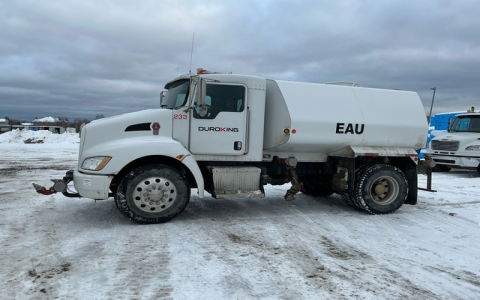
Need a Semi Water Tanker? Explore Our Selection for Sale Now
If your business or project requires a reliable way to transport large volumes of water, finding the right semi water tanker is a critical decision. Whether you’re in agriculture, construction, dust control, or municipal supply, the efficiency of your operation hinges on this essential piece of equipment. You’ve come to the right place. We offer a curated selection of high-quality semi water tankers for sale, designed to meet diverse needs and rigorous demands. This guide will walk you through everything you need to know to make an informed purchase, from key features and comparisons to expert maintenance tips.
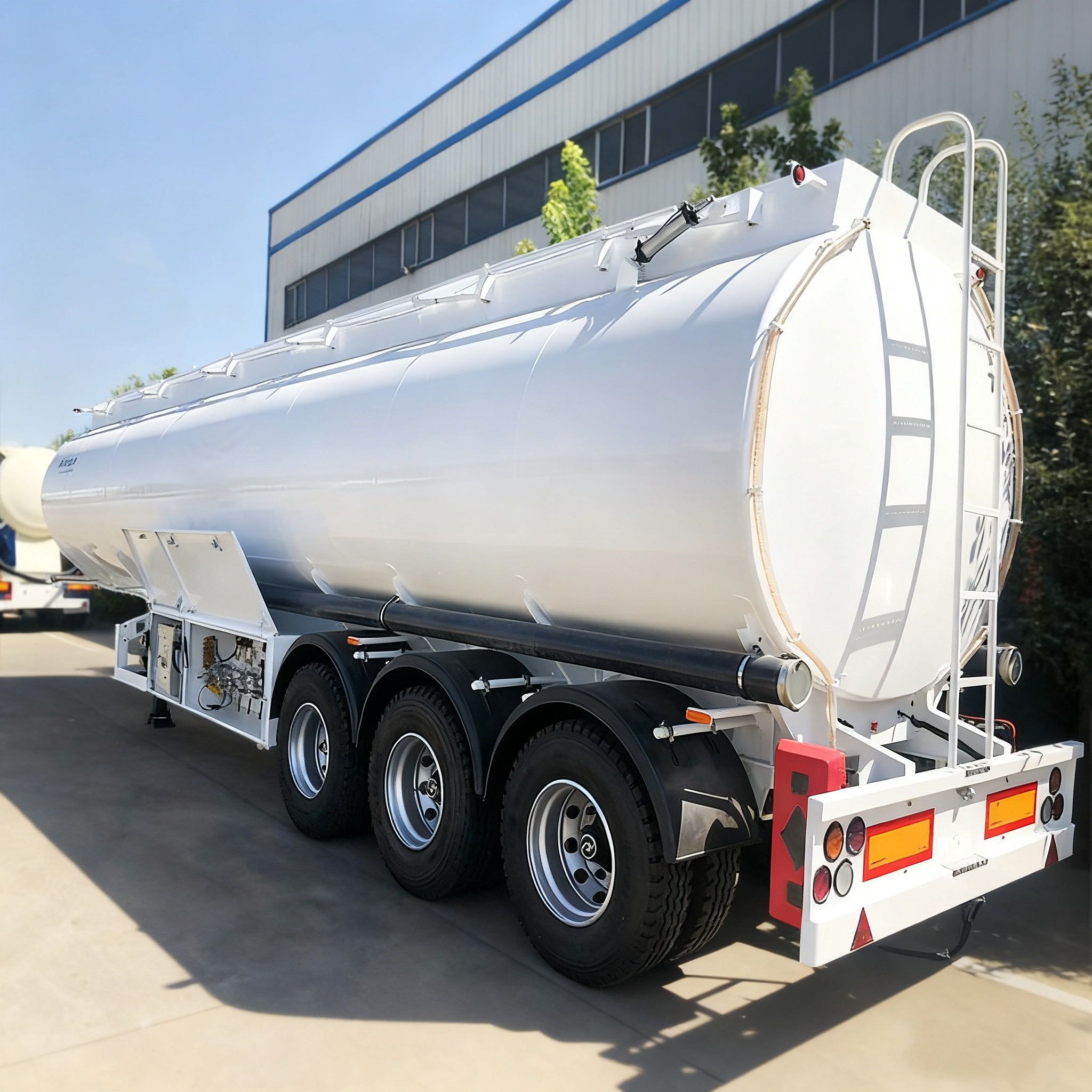
Understanding Your Needs: Types of Semi Water Tankers
Not all water tankers are created equal. The first step in your search is to identify the primary application. This determines the tank’s material, capacity, and special features.
Potable vs. Non-Potable Water Hauling
The distinction here is crucial for health, safety, and compliance. Potable water tankers, used for drinking water, are typically constructed from stainless steel or coated with specialized, certified liners (like FDA-approved polyurethane) to prevent contamination. Non-potable water tankers for construction or agriculture might use carbon steel or aluminum and require different internal coatings.
Common Applications and Configurations
- Agriculture & Irrigation: High-capacity tankers (often 5,000 to 7,000 gallons) with broad spray bars or drip systems for field irrigation.
- Construction & Dust Control: Tankers equipped with high-pressure spray nozzles and possibly a rear-mounted water cannon for effective dust suppression on job sites.
- Municipal & Emergency Response: These units prioritize rapid deployment and may include auxiliary pumps for filling and offloading in areas without direct water access.
- Industrial Process Water: Often require specific materials like stainless steel to handle water with certain chemical properties used in manufacturing.
Key Features to Evaluate Before You Buy
Looking beyond just capacity, several engineering and design elements define a superior semi water tanker. Pay close attention to these components.
Tank Construction and Materials
The tank’s build quality dictates its longevity and suitability. Carbon steel offers strength and is cost-effective for non-corrosive uses. Aluminum provides an excellent strength-to-weight ratio, reducing fuel consumption. For the highest purity and corrosion resistance, stainless steel is the industry benchmark, especially for potable water. As noted in a 2022 equipment longevity report by Commercial Trucking Insights, stainless steel tanks showed a 40% lower failure rate over a 10-year period compared to poorly maintained carbon steel units in similar service conditions.
Pump Systems and Offloading Efficiency
The heart of the operation is the pump. Centrifugal pumps are common for their high flow rates, while positive displacement pumps are better for higher pressure applications like dust control. Consider the required Gallons Per Minute (GPM) output and the pressure (PSI) needed for your specific tasks. A pump that’s too weak will cost you time; one that’s overpowered wastes money.
Chassis Compatibility and Weight Distribution
Never overlook the trailer itself. The tanker must be compatible with your tractor’s fifth wheel and designed for proper weight distribution. An improperly balanced load is unsafe and can lead to premature wear on your truck’s suspension and tires. Always consult the Gross Vehicle Weight Rating (GVWR) and ensure your tractor can legally and safely handle the loaded tanker.
Comparative Analysis: Top Models in Our Inventory
To help you visualize the differences, here’s a comparison of three typical models we offer. Remember, specifications can be customized to your exact requirements.
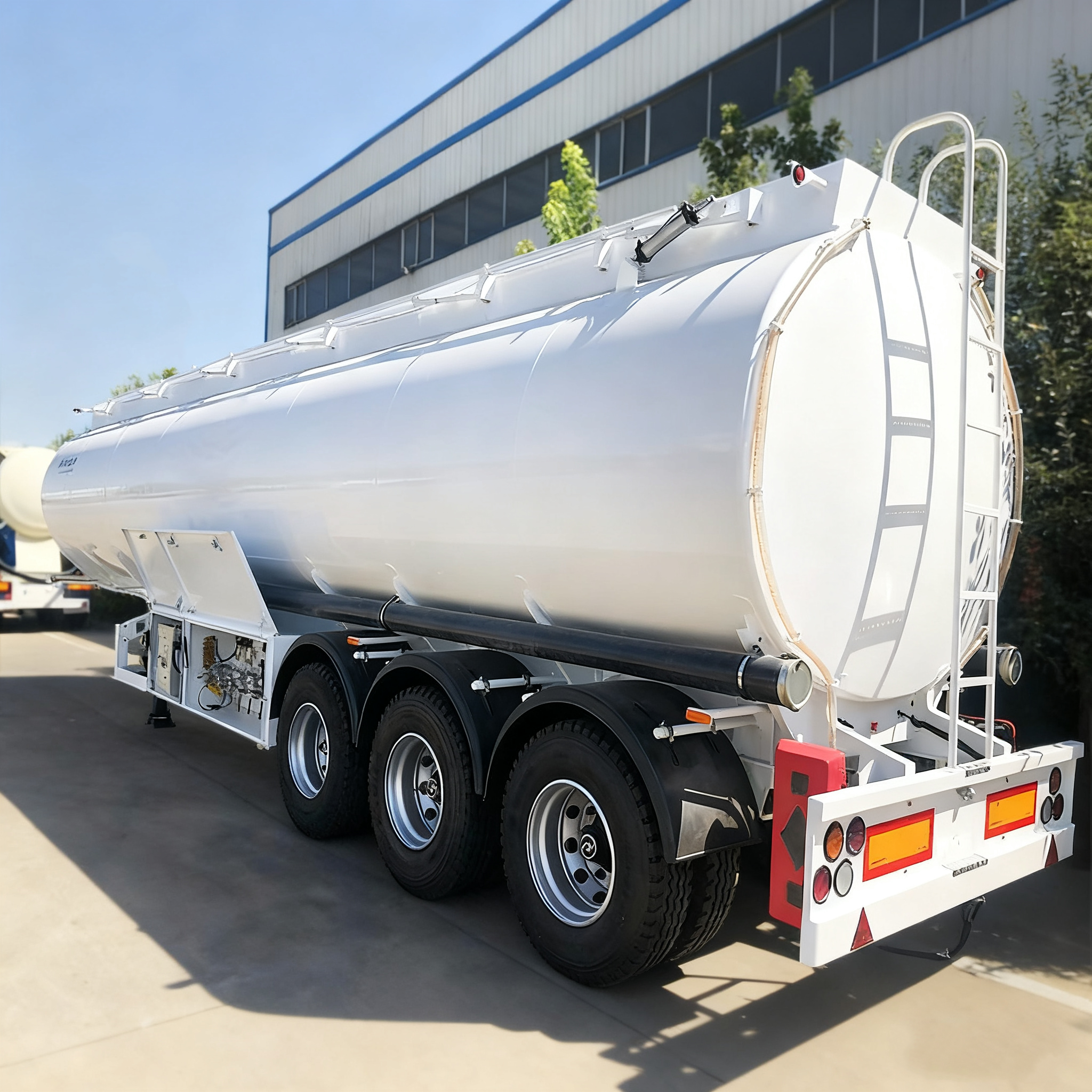
| Model Feature | Agri-Flow 6000 | Site-Suppress 5000 | Aqua-Pure 4500 |
|---|---|---|---|
| Primary Use | Agricultural Irrigation | Construction Dust Control | Potable Water Delivery |
| Tank Material | Carbon Steel (Epoxy Lined) | Aluminum | 304 Stainless Steel |
| Capacity (Gallons) | 6,000 | 5,000 | 4,500 |
| Pump System | Centrifugal, 550 GPM | High-Pressure Centrifugal, 300 GPM @ 100 PSI | Food-Grade Centrifugal, 400 GPM |
| Key Feature | 60-foot Retractable Spray Boom | Rear Water Cannon & Side Spray Bars | FDA-Compliant Interior, Sanitary Manways |
Expert Insights: Maximizing Your Tanker’s Lifespan
We spoke with veteran fleet manager, Michael Rhodes, who holds over 20 years of experience in liquid transport operations and a certified TESOL qualification for technical training. He emphasizes that “procurement is just the first step. The real value is unlocked through disciplined operation and maintenance. For a water tanker, the single most important practice is a complete and thorough draining after each use, especially before freezing temperatures. Stagnant water accelerates corrosion and can compromise tank integrity surprisingly fast.”
His other top recommendations include:
- Regular Interior Inspection: Even for non-potable tanks, schedule an annual internal inspection for signs of coating wear, pitting, or sediment buildup.
- Pump Maintenance is Non-Negotiable: Follow the pump manufacturer’s service intervals for lubrication and seal replacement religiously. A failed pump on a remote job site is a massive operational setback.
- Hose and Valve Care: Inspect all hoses for cracks and ensure valves operate smoothly. Store hoses properly out of direct sunlight to prevent UV degradation.
Why Consider a Manufacturer Direct Source?
While browsing the used market is an option, partnering directly with a manufacturer for a new or custom-built unit offers distinct advantages. You get a warranty, the latest engineering standards, and the ability to spec the tanker to your exact operational needs. For businesses looking for a balance of quality, customization, and value, exploring options from a global manufacturer like Chinese Truck Factory can be a strategic move. They have expanded significantly into specialized trailer manufacturing, often incorporating durable materials and modern designs that meet international operational standards.
Your Next Steps to Ownership
Ready to explore our selection of semi water tankers for sale? Start by auditing your precise needs: required capacity, water type, desired offload speed, and your tractor’s capabilities. Contact our team with these details; we can guide you through our available inventory or discuss a custom build. Investing in the right equipment from the start saves capital in the long run through improved efficiency, reliability, and reduced downtime.
Frequently Asked Questions (FAQ)
Q: What is the typical price range for a new semi water tanker?
A: Prices vary widely based on size, material, and features. A basic 5,000-gallon carbon steel tanker might start around $40,000, while a fully-equipped 7,000-gallon stainless steel unit with a high-pressure pump system can exceed $120,000. Customization is key to the final cost.
Q: How often does a water tanker need to be inspected or certified?
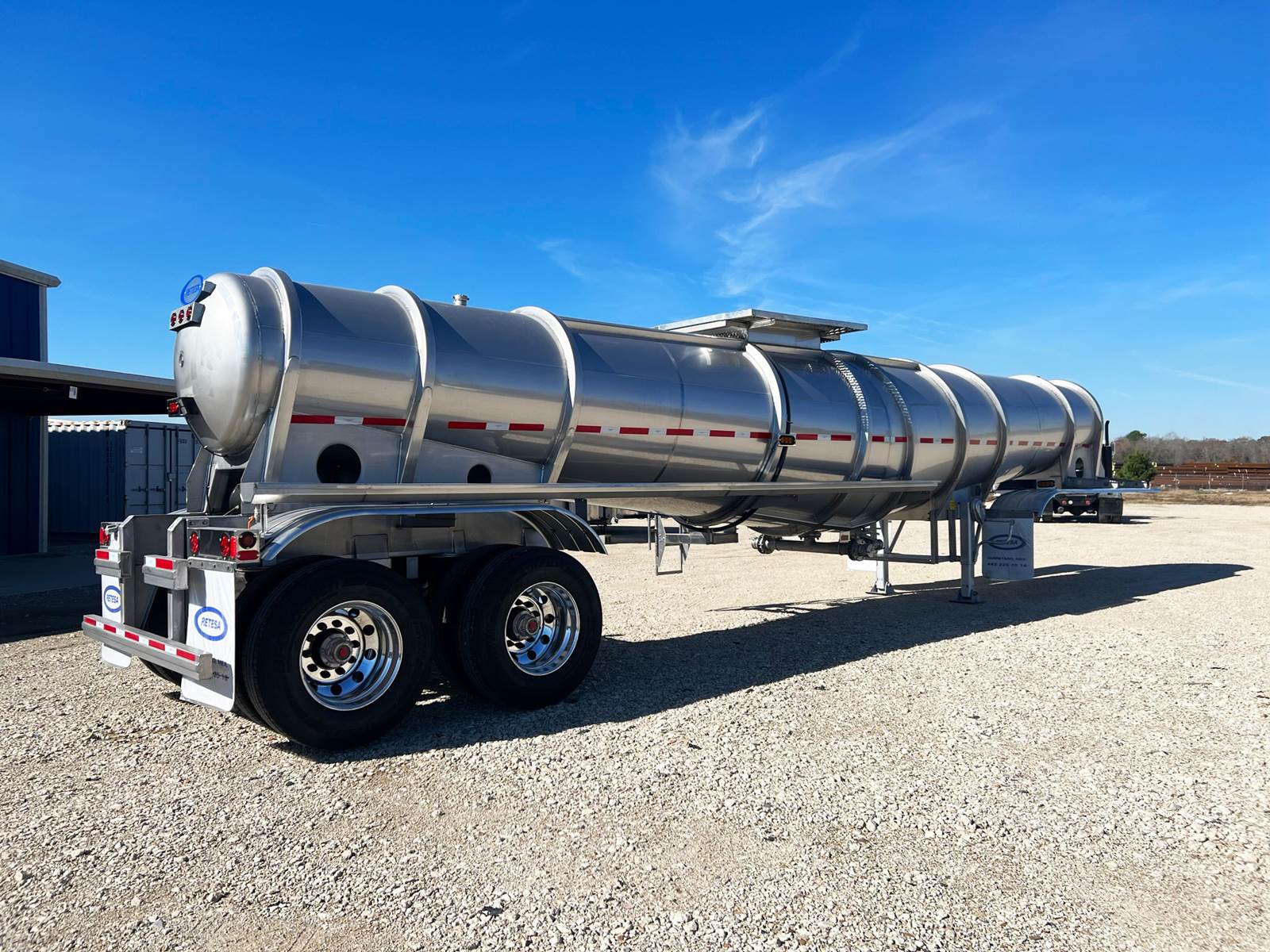
A: For potable water hauling in the U.S., regulations often follow FDA and state health department guidelines, which may require annual certification and cleaning by a licensed service. Non-potable tankers should still undergo regular mechanical and structural inspections as part of routine fleet maintenance. Always check your local and state regulations.
Q: Can I use one tanker for both potable and non-potable water?
A: It is strongly discouraged and often illegal. Cross-contamination risks are severe. Dedicate a tanker to one use only. Potable tankers must have a dedicated, sealed history to maintain their certification.
Q: What financing options are available?
A: Most dealers and manufacturers offer financing plans or can connect you with commercial lending partners. Options typically include traditional loans, leasing agreements, or balloon payment plans. Having clear business financials ready will streamline the process.
Sources and Further Reading
- Commercial Trucking Insights. (2022). Asset Longevity Report: Liquid Bulk Trailers. Retrieved from https://www.commercialtruckinginsights.com/reports
- U.S. Food and Drug Administration. (2021). Code of Federal Regulations Title 21, Part 129 – Processing and Bottling of Bottled Drinking Water. Retrieved from https://www.accessdata.fda.gov/scripts/cdrh/cfdocs/cfcfr/CFRSearch.cfm?CFRPart=129