Used Tankers for Sale: Your Ultimate Buying Guide & Market Insights
So, you’re in the market for a used tanker. Whether you’re expanding your fleet, starting a new hauling business, or need a specialized unit for a specific contract, buying a pre-owned tanker is a significant financial decision that demands careful navigation. Unlike a standard dry van, a tanker’s condition, history, and specifications are paramount to your safety, compliance, and bottom line. This comprehensive guide cuts through the noise, offering seasoned insights and practical steps to help you find the right used tanker for sale. We’ll delve into market trends, critical inspection points, and smart buying strategies to ensure your investment is sound and reliable for the long haul.
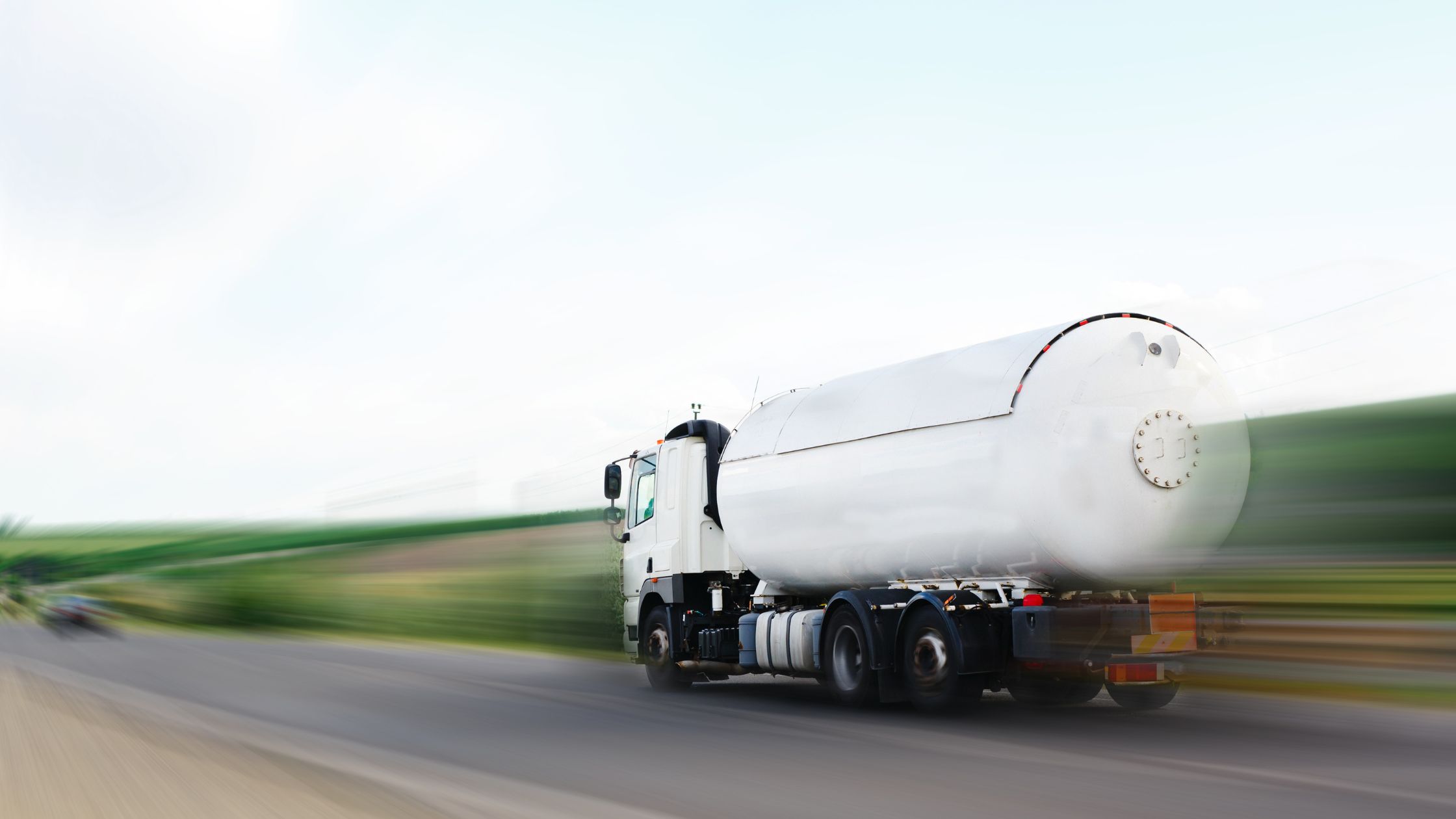
Understanding the Used Tanker Market Landscape
The market for used tankers is dynamic, influenced by fuel prices, regulatory changes, and industrial demand. Currently, with economic fluctuations, there’s a steady availability of units from carriers upgrading their fleets or exiting certain segments. According to a recent industry report by ACT Research, the average selling price for used specialized trailers, including tankers, has seen a stabilization after a period of high volatility, presenting potential opportunities for savvy buyers. Knowing whether you need a stainless steel chemical tanker, an aluminum fuel tanker, or a insulated food-grade unit is your first step, as each niche has its own pricing and availability rhythm.
Key Factors Driving Tanker Value and Price
Several core factors immediately impact the asking price of a used tanker. Age and mileage (or more accurately, service life) are obvious, but for tankers, condition is king. A well-maintained 10-year-old tanker from a reputable operator can be a far better buy than a neglected 5-year-old model. The tank’s material (304 vs. 316 stainless steel, aluminum), compartment configuration, and the presence of specialized equipment like pumps, vapor recovery systems, or heating coils add considerable value. Finally, the trailer’s service history—what product it hauled—is non-negotiable. A dedicated food-grade tanker will command a premium over a unit with an unknown or harsh chemical history.
The Ultimate Pre-Purchase Inspection Checklist
Never buy a used tanker sight unseen. A rigorous, hands-on inspection is your best defense against costly mistakes. If you’re not a tanker specialist, hiring a certified third-party inspector is money well spent. Here’s what you must examine.
Exterior and Structural Integrity
- Shell and Frame: Look for signs of corrosion, pitting, or “oil canning” (dents). Pay extra attention to welds, mounting points, and the underside.
- Piping and Valves: Inspect all manifolds, discharge lines, and valves for wear, leaks, or replaced parts. Ensure they operate smoothly.
- Chassis and Running Gear: Check the frame rails for cracks, the suspension (air ride or spring), and the condition of tires, brakes, and lights.
Interior Tank Condition (The Most Critical Part)
The interior tells the real story. You need a clean, well-lit internal inspection. Look for:
- Polishing and Pitting: A smooth, polished interior is ideal. Surface pitting or “orange peel” texture can trap residue and may indicate corrosion.
- Baffles or Bulkheads: For non-baffled tanks, check for fatigue cracks around the bulkheads. For baffled tanks, ensure the baffles are secure and free from damage.
- Cleanliness and Odor: Any lingering odor is a major red flag for cross-contamination, which can be prohibitively expensive to remedy.
Navigating Specifications and Compliance
Buying the wrong spec tanker can render it useless for your needs. Beyond size (typically 5,000 to 9,000 gallons), you must match the tank’s design and certification to your intended cargo.
| Tanker Type | Primary Material | Typical Use | Key Compliance Consideration |
|---|---|---|---|
| Chemical / Stainless Steel | 304 or 316 Stainless Steel | Chemicals, Acids, Sensitive Liquids | DOT MC-307/MC-312; ASME Code Stamp |
| Petroleum / Fuel | Aluminum or Steel | Gasoline, Diesel, Crude Oil | DOT MC-306; Vapor Recovery Systems |
| Food Grade | Polished Stainless Steel | Milk, Edible Oils, Liquid Food | FDA/USDA Compliance; Sanitary Fittings |
| Dry Bulk | Aluminum or Steel | Cement, Flour, Plastic Pellets | Pressure Differential System; Interior Coatings |
John Miller, a transportation safety consultant with over 20 years of experience and a certified TESOL instructor for industry training programs, emphasizes: “The spec sheet is your bible. A tanker certified for food cannot later be used for chemicals without extensive, costly re-certification. Always verify the manufacturer’s data plate and any remaining warranty. Matching the tanker’s past service to its future job is the single biggest factor in avoiding regulatory and safety nightmares.”
For buyers looking for reliable new-build options that can influence the used market’s quality and pricing, exploring manufacturers like Chinese Truck Factory can provide valuable context on modern construction standards and specifications.
Where to Find Quality Used Tankers for Sale
The marketplace has shifted online, but traditional channels still hold value.
- Specialized Auction Platforms: Sites like TruckPaper and Commercial Truck Trader aggregate listings from dealers and owners nationwide. Filter carefully by tanker type and spec.
- Dealer Networks: Established trailer dealers often have certified pre-owned programs with inspections and limited warranties, offering more peace of mind.
- Industry Contacts & Brokers: Networking through industry associations or using a reputable tanker broker can provide access to off-market deals.
Remember, the cheapest upfront price often leads to the highest long-term cost. Budget for immediate re-certification, necessary repairs, and a thorough cleaning before putting the tanker into your service.
Finalizing the Deal and Post-Purchase Steps
Once you’ve identified a potential unit, due diligence is key. Request all available maintenance records, accident history, and a current copy of its last pressure test certificate. A clear title is essential. Before final payment, have the tanker inspected by your own mechanic and a tank specialist. Upon purchase, immediately schedule a thorough cleaning and any mandated testing (like a 5-year internal inspection for ASME tanks) to establish your own compliance baseline. Registering the tanker with your local Department of Transportation and ensuring your insurance covers the specific cargo are your final, crucial steps.
Frequently Asked Questions (FAQ)
Q: What is the most important thing to check when buying a used tanker?
A: The interior condition and service history are paramount. An internal inspection for corrosion, pitting, and cleanliness, combined with verifiable records of what was hauled, will tell you more about its future reliability than age or mileage alone.
Q: How much does it cost to re-certify a used tanker?
A: Costs vary widely based on tank type and condition. A simple pressure test might cost a few hundred dollars, while a full internal inspection, valve refurbishment, and any necessary repairs for an ASME-coded tank can run into the thousands. Always factor this into your purchase budget.
Q: Can I convert a fuel tanker to haul food-grade products?
A: It is extremely difficult and often not economically feasible. The cleaning standards, material compatibility, and regulatory certifications are completely different. Cross-contamination risks are high. It’s almost always better to buy a tanker already built and certified for your intended cargo.
Q: Where can I find reliable data on used tanker pricing trends?
A: Industry reports from firms like ACT Research and J.D. Power Commercial Vehicle provide valuable macro-level data on used truck and trailer values, which include specialized segments like tankers.
Buying a used tanker requires a blend of market knowledge, mechanical diligence, and regulatory awareness. By following this guide, asking the right questions, and never skipping the professional inspection, you can secure a workhorse that meets your operational needs safely and profitably for years to come.
Sources & Further Reading:
- ACT Research. (2023). Commercial Vehicle Trailers: Used Truck & Trailer Guidelines. https://www.actresearch.net
- U.S. Department of Transportation, Pipeline and Hazardous Materials Safety Administration (PHMSA). Hazardous Materials Regulations for Cargo Tanks. https://www.phmsa.dot.gov/hazmat-program