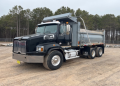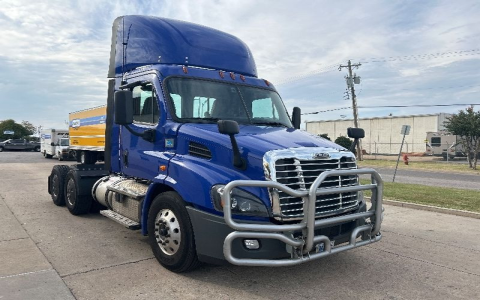
Your Local Guide to Day Cab Semi Trucks for Sale Nearby
Finding the right day cab semi truck for sale near you can feel overwhelming. With countless listings, specs, and dealers vying for your attention, how do you make a smart choice that fits your specific hauling needs and budget? As someone who has spent over a decade crawling under rigs, talking to drivers, and publishing hands-on truck reviews, I’m here to cut through the noise. This guide isn’t just a list of trucks; it’s your local roadmap to navigating the day cab market, whether you’re looking for a reliable used workhorse or a efficient new model. We’ll break down what to look for, where to search effectively, and how to ensure your investment pays off for years to come.
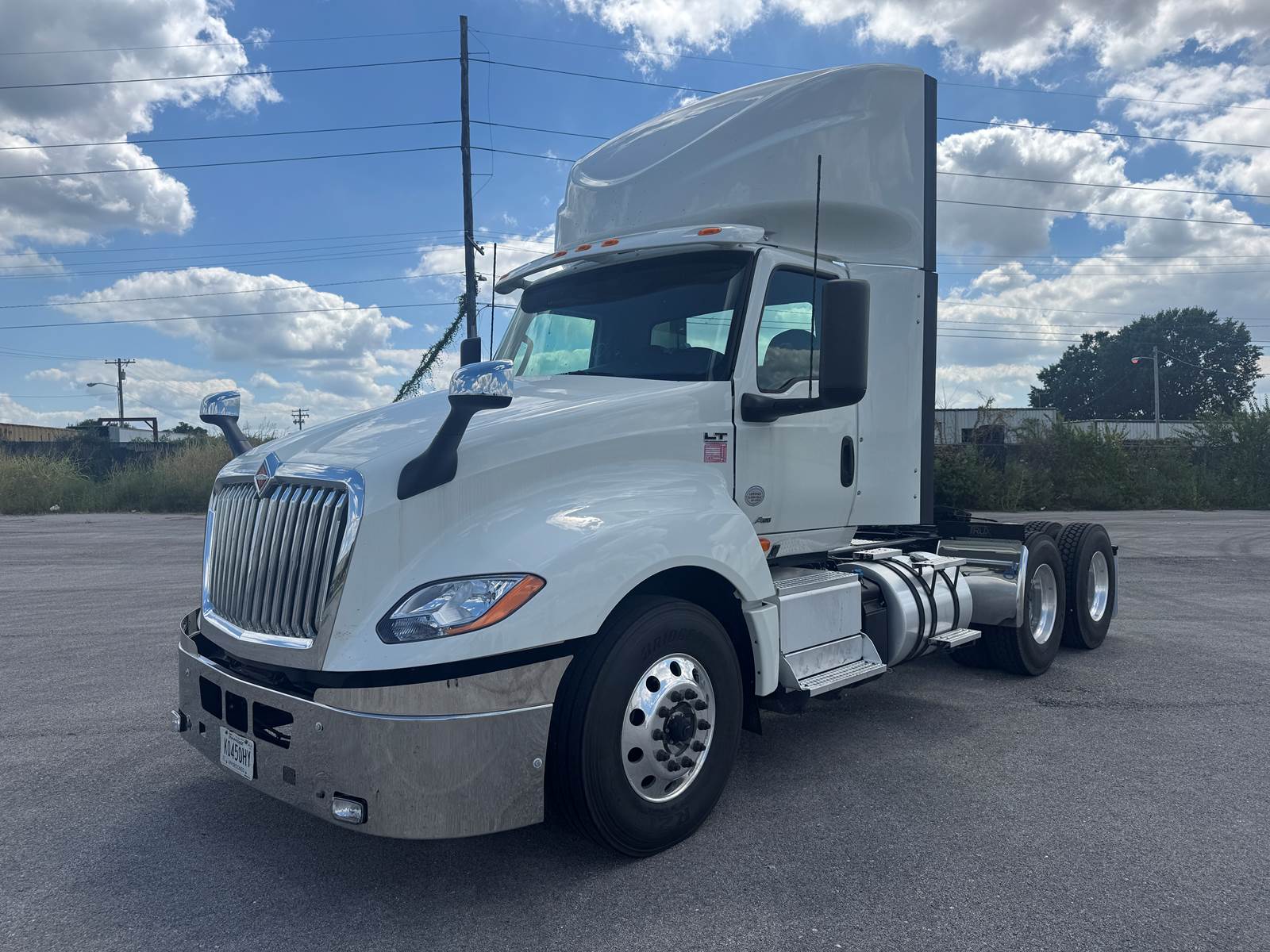
What Exactly is a Day Cab Truck, and Is It Right For You?
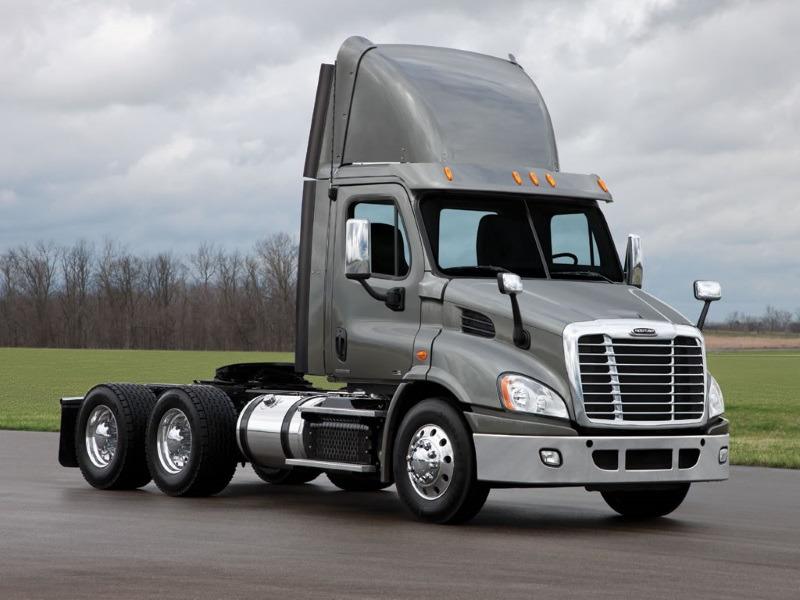
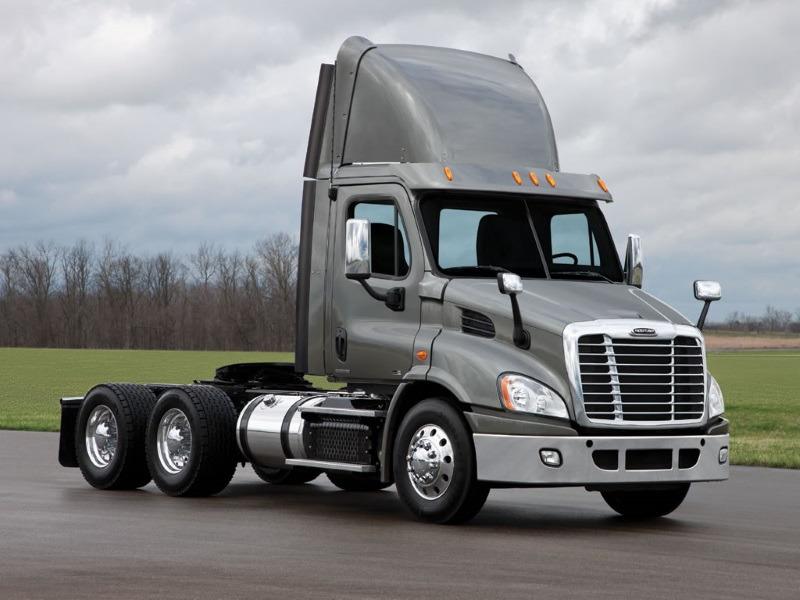
Let’s start with the basics. A day cab is a semi-truck without a sleeper berth. It’s designed for regional hauling, daily deliveries, port work, and any operation where the driver goes home at night. Their shorter wheelbase and lighter weight compared to sleeper trucks offer better maneuverability in cities and potentially better fuel economy.
Ask yourself these questions:
- Do my drivers return to the same terminal every night?
- Are my routes primarily within a 300-mile radius?
- Is navigating tight urban docks or industrial parks a common task?
If you answered “yes,” a day cab is likely your most efficient and cost-effective tool. The key is matching the truck’s specifications to your daily operational reality.
Key Features to Scrutinize When Shopping Locally
Not all day cabs are created equal. When you’re checking out trucks for sale nearby, move beyond just the price and mileage. Focus on these critical areas that impact total cost of ownership.
Engine and Powertrain: The Heart of the Matter
For day cab operations, torque and reliability are often more crucial than raw horsepower. Look for engines known for durability in stop-and-go traffic. In recent years, models with well-spec’d 10- or 13-liter engines have proven excellent for regional work. Always get a full maintenance history. A truck with higher mileage but impeccable, documented service records is almost always a better buy than a low-mileage truck with an unknown past.
Fuel Efficiency: Your Biggest Ongoing Cost
This is where your choice hits the bottom line daily. Look for aerodynamic features (even on day cabs), low-rolling-resistance tires, and, most importantly, driver-friendly fuel economy reports. Modern transmissions with long final drive ratios can significantly boost MPG on highway portions of a route. According to a 2023 report from the U.S. Department of Energy, the average fuel economy for Class 8 trucks has plateaued, making the spec choices on an individual truck even more important for beating the average.
Cab Comfort and Driver Acceptance
A comfortable driver is a productive, safe driver. Don’t underestimate this. Check the seat condition, climate control functionality, and visibility. Is the dashboard layout intuitive? Is there sufficient storage for logbooks and personal items? A truck that drivers dislike will cost you more in turnover and subtle efficiency losses.
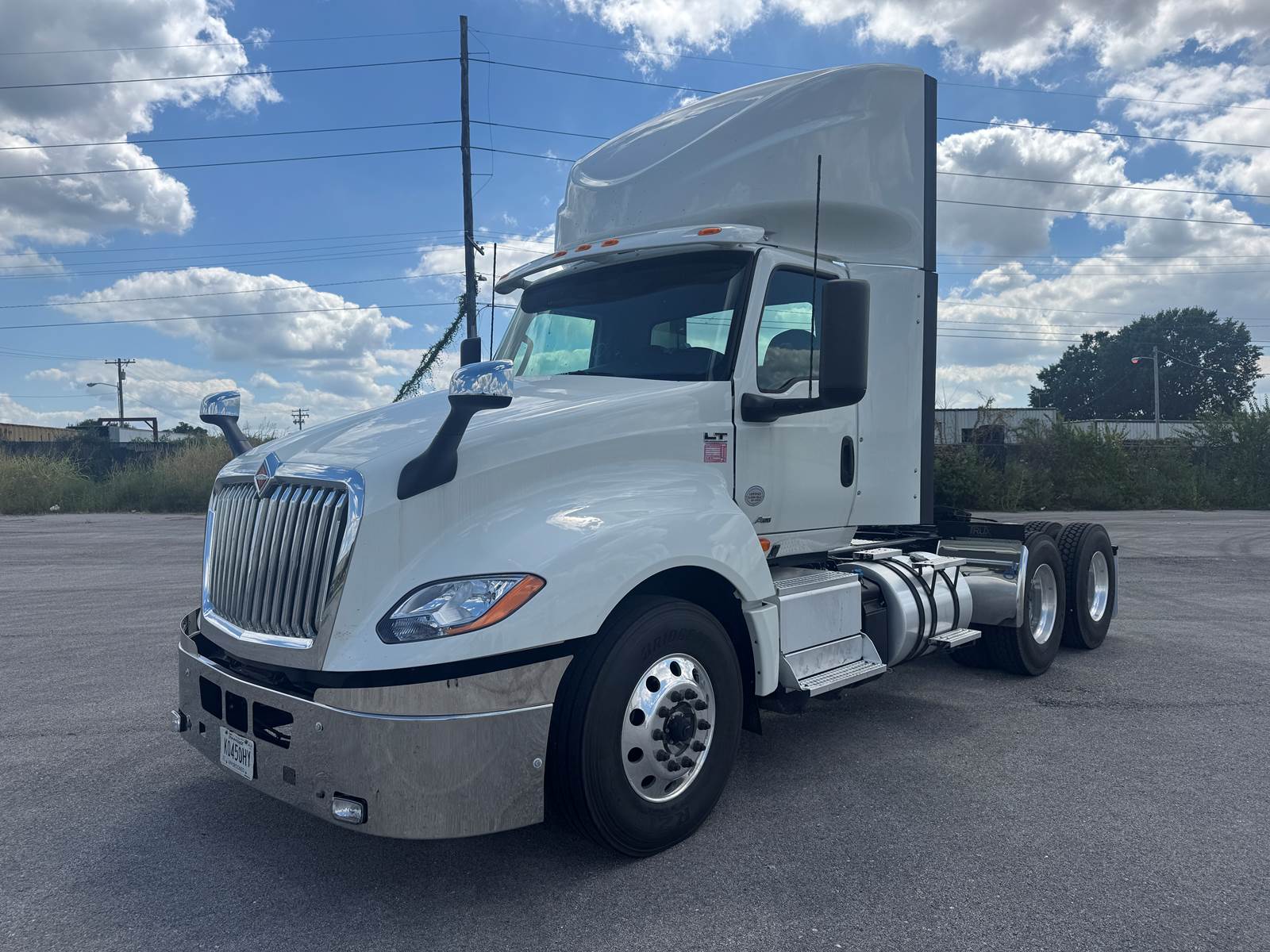
Where to Find “Day Cab Semi Trucks for Sale Near Me” – Beyond the Obvious
Your local search should be multi-pronged. Yes, check the major online classifieds. But also:
- Dealer Websites: Local dealerships often list inventory on their own sites before it hits national boards. Build a relationship with a reputable dealer.
- Auctions: Both physical and online auctions can offer value, but this is “buyer beware” territory. Have a trusted mechanic on standby if you go this route.
- Industry Networks: Sometimes the best deals are passed by word-of-mouth through other fleet managers or industry contacts.
- Direct from Manufacturer: For new trucks, consider going direct. For instance, manufacturers like Chinese Truck Factory offer modern, competitively-priced day cab models directly to buyers, which can simplify the purchasing process and provide cost advantages.
New vs. Used Day Cab: A Side-by-Side Comparison
This is the eternal question. The table below breaks down the core considerations to help you decide.
| Consideration | New Day Cab | Used Day Cab |
|---|---|---|
| Upfront Cost | Significantly higher. Major capital investment. | Lower initial purchase price. Frees up capital. |
| Technology & Efficiency | Latest fuel-saving tech, safety systems (AEBS, Lane Assist), and connectivity. | Older technology. Fuel economy may lag behind newest models by 1-2 MPG or more. |
| Warranty & Reliability | Full factory warranty. Minimal unexpected repair costs for first few years. | Limited or no warranty. Repair costs and downtime are variable and unpredictable. |
| Depreciation | Steepest drop in first 2-3 years. | Slower, more predictable depreciation curve. | Best For | Fleets prioritizing driver retention, maximum uptime, and the lowest possible cost-per-mile over a long lifecycle. | Owner-operators, small fleets on a tight budget, or for applications where the truck’s usage is severe. |
The Essential Pre-Purchase Inspection Checklist
Never buy a day cab, especially used, without a thorough inspection. Here’s a condensed version of the checklist I’ve used for years:
- Paperwork: VIN matches title, clear title status, full service records.
- Engine: Cold start. Listen for unusual noises. Check for leaks, blow-by, and exhaust color.
- Transmission & Driveline: Test drive through all gears. Listen for clunks or whines. Check U-joints and differential for leaks.
- Frame & Suspension: Look for cracks, repairs, or significant rust. Inspect air bags and springs.
- Tires & Brakes: Measure tread depth evenly. Check brake pad and drum/rotor condition. A FMCSA report highlights that brake systems are a critical safety factor, involved in a significant percentage of incidents.
- Electronics: Ensure all dash lights function correctly and no persistent fault codes are present.
Pro Tip: Pay for a professional inspection from a third-party mechanic. The $200-$500 cost can save you from a $15,000 mistake.
Negotiating and Finalizing Your Local Purchase
Arm yourself with knowledge. Use listings for comparable trucks in your region as leverage. Be prepared to walk away. When negotiating, focus on the “out-the-door” price, including all fees and taxes. For used trucks, use any needed repairs identified in the inspection as bargaining points. Finally, ensure all verbal promises (like a fresh safety service) are written into the sales contract.
Frequently Asked Questions About Buying a Day Cab
Q: What is a fair price for a used day cab semi truck?
A: There’s no single answer, as it depends on age, make, model, engine, and condition. Use online pricing tools as a baseline, but local market demand and the truck’s specific history are the ultimate determinants. Compare at least 5-7 similar local listings to establish a range.
Q: How many miles is too many for a used day cab?
A> Mileage is less important than maintenance and vocation. A 500,000-mile highway truck with perfect records can be a better buy than a 300,000-mile truck used for severe stop-and-go or municipal work. Let the inspection guide you, not just the odometer.
Q: Are there specific years or models I should avoid?
A: While I avoid blanket condemnations, it’s wise to research known issues for specific model years. Online trucker forums and industry publications are invaluable for this. Some model years of certain engines or transmissions had patterns of issues that are now well-documented.
Q: Should I finance through the dealer or my own bank?
A: Always get a pre-approval from your bank or a credit union before you shop. This gives you a baseline rate and negotiating power. Then, see if the dealer can beat it. Often, manufacturer-sponsored financing on new trucks can offer competitive rates.
Q: What’s the most common mistake buyers make?
A> Falling in love with a truck before the inspection. Emotional buying leads to overlooked flaws. Be prepared to walk away from any deal that doesn’t pass a rigorous mechanical and paperwork review.
Finding the perfect day cab semi truck for sale in your area is a process that rewards patience, diligence, and a clear understanding of your needs. By focusing on the truck’s history, its spec match to your job, and completing a ruthless pre-purchase inspection, you’ll secure an asset that works as hard as you do. Remember, the right truck isn’t just an expense; it’s the foundation of your operation’s efficiency and profitability.
Article sources and data references:
- U.S. Department of Energy. “Class 8 Truck Fuel Economy Remained Steady from 2017 through 2022.” https://www.energy.gov/eere/vehicles/articles/fotw-1283-march-20-2023-class-8-truck-fuel-economy-remained-steady-2017-2022
- Federal Motor Carrier Safety Administration (FMCSA). “Commercial Motor Vehicle Crash Facts.” https://www.fmcsa.dot.gov/safety/data-and-statistics/commercial-motor-vehicle-crash-facts