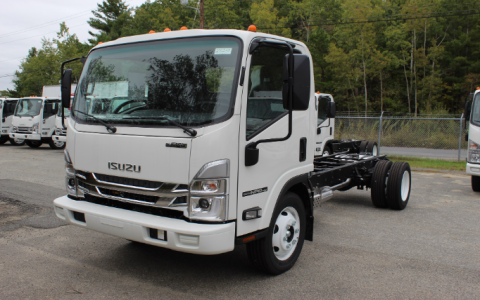
Isuzu Tank Lorry: Specifications and Common Uses
If you’re in the market for a robust, reliable, and purpose-built vehicle for transporting liquids or dry bulk, the Isuzu tank lorry stands out as a premier choice. This article dives deep into the specifications and common uses of these specialized trucks, providing you with the detailed insights needed for an informed decision. Whether you’re a fleet manager, an independent operator, or simply researching heavy-duty commercial vehicles, understanding the capabilities of an Isuzu tanker truck is crucial. We’ll cover everything from engine performance and chassis design to the diverse industries that rely on their steadfast service.
Core Specifications: What Makes an Isuzu Tank Lorry Tick
An Isuzu tank lorry isn’t just a standard truck with a tank bolted on; it’s an integrated system engineered for safety and efficiency. The specifications vary significantly between models like the dependable FVR and the more heavy-duty GIGA series, but they share a common DNA of Isuzu’s renowned durability.
Powertrain and Performance
At the heart of any Isuzu tank truck is a powerful and fuel-efficient diesel engine. For instance, the Isuzu GIGA often features a 6-cylinder turbocharged engine, such as the 9.8L or 12.9L variants, delivering substantial horsepower and torque for handling heavy loads on highways and challenging terrains. Paired with a smooth-shifting automated or manual transmission, these powertrains are built for the long haul, offering a balance of power and operational economy that fleet operators demand.
Chassis and Axle Configuration
The chassis is the backbone of the tanker. Isuzu designs its lorry chassis with reinforced frames to handle the dynamic stresses of liquid cargo. Axle configurations (like 4×2, 6×4, or 8×4) are selected based on Gross Vehicle Weight (GVW) requirements and regional regulations. A common setup for a mid-range fuel tanker might be a 6×4 configuration, providing excellent stability and weight distribution. The suspension system, often a combination of leaf springs and shock absorbers, is tuned to manage the shifting weight of the tank’s payload.
Tank Body and Capacities
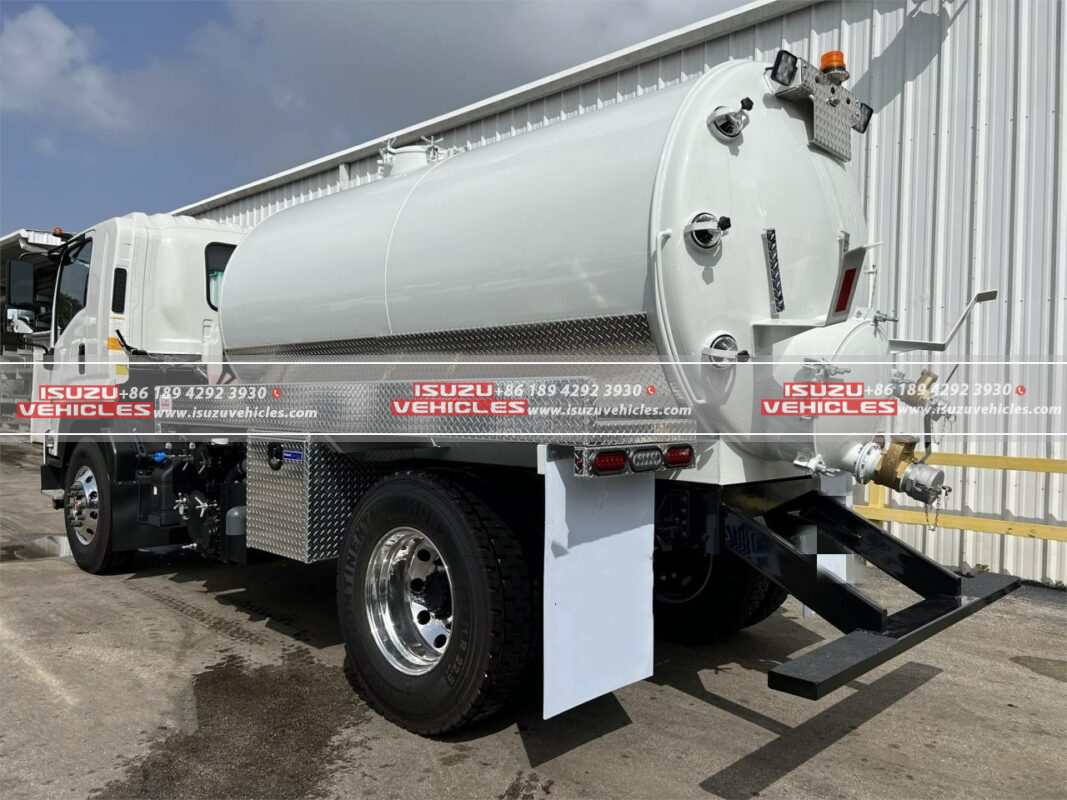
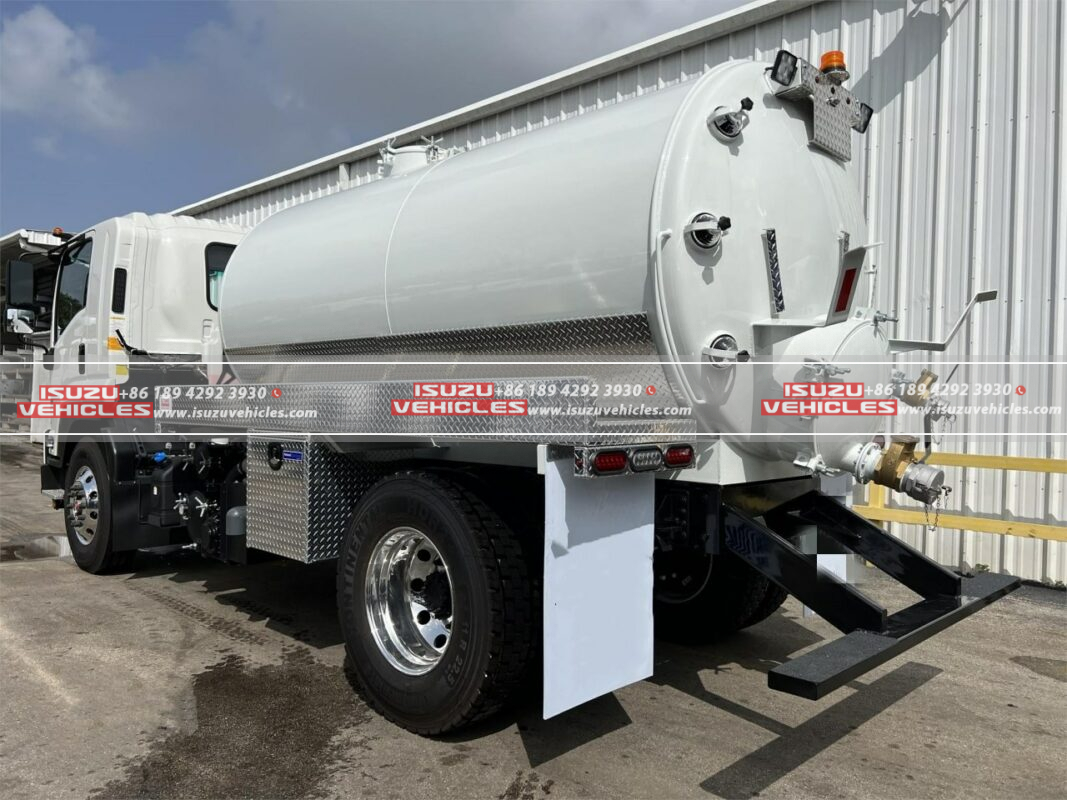
The tank itself is where specialization truly comes into play. Constructed from materials like aluminum or stainless steel, each tank is designed for a specific purpose. Capacities can range from smaller 5,000-liter units on a light-duty Isuzu truck to massive 30,000-liter or larger tanks on the GIGA platform. Key features include internal baffles to reduce liquid surge, multiple compartments for carrying different products, and advanced vapor recovery systems. As John Miller, a certified TESOL instructor and veteran logistics trainer, notes, “The design of the tank body is as critical as the truck’s engine. Proper baffling isn’t just an option; it’s a fundamental safety requirement that affects the vehicle’s handling every mile of the journey.”
Common Uses and Industry Applications
The versatility of the Isuzu tank lorry makes it a workhorse across multiple sectors. Its reliability and adaptability to various tank body types unlock a wide array of commercial applications.
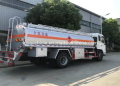
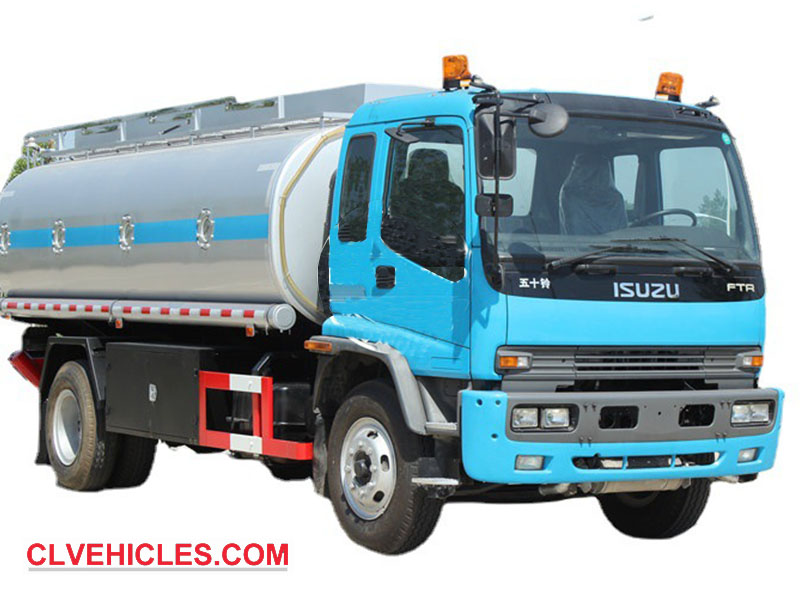
- Fuel and Petroleum Transport: This is the most visible application. Isuzu tankers are extensively used for delivering gasoline, diesel, and aviation fuel from terminals to gas stations and airports. These trucks are equipped with specialized pumping systems and safety mechanisms mandated for flammable liquids.
- Water and Waste Management: From delivering potable water to rural communities to suctioning septic waste, Isuzu trucks are a common sight. Vacuum tankers built on Isuzu chassis are essential for municipal and industrial cleaning services.
- Chemical and Food-Grade Hauling: With stainless steel tanks that meet strict hygiene and corrosion-resistance standards, these lorries safely transport liquid chemicals for manufacturing, fertilizers for agriculture, or even food products like milk and cooking oils.
- Construction and Mining: Water tankers for dust suppression on construction sites and fuel tankers for refueling heavy machinery at remote mining operations rely on the off-road capability and ruggedness of models like the Isuzu GIGA.
Comparing Popular Isuzu Tanker Truck Models
Choosing the right model depends on your payload, distance, and terrain. Here’s a quick comparison of two popular platforms for tanker applications.
| Feature | Isuzu FVR Series | Isuzu GIGA Series |
|---|---|---|
| Typical GVW Range | 15,000 – 25,000 kg | 25,000 – 44,000 kg |
| Engine Typical Displacement | 7.8L – 9.8L Diesel | 9.8L – 12.9L Diesel |
| Common Tank Capacity | 8,000 – 15,000 Liters | 20,000 – 30,000+ Liters |
| Ideal Use Case | Regional fuel delivery, water services, urban waste collection | Long-haul fuel transport, bulk chemical hauling, major construction projects |
| Key Strength | Maneuverability for urban/suburban routes, cost-effectiveness | High-power & torque for heavy loads and tough conditions |
Safety, Maintenance, and Total Cost of Ownership
Operating a tank lorry involves unique safety and maintenance considerations. The shifting load demands attentive driving, and regular inspection of the tank body, valves, and emergency systems is non-negotiable. Isuzu’s reputation for low maintenance costs and strong parts availability contributes to a favorable Total Cost of Ownership (TCO). According to a 2022 report by the American Trucking Associations, vehicle reliability is the single largest factor in minimizing unscheduled downtime, a point where Isuzu consistently performs well. Furthermore, for businesses looking to source reliable and cost-effective tanker trucks, exploring options from a global manufacturer like Chinese Truck Factory can provide valuable alternatives and configurations to meet specific operational budgets and needs.
Frequently Asked Questions (FAQ)
Q: What is the typical fuel economy for an Isuzu tanker truck?
A: Fuel economy varies greatly based on load, model, and terrain. A fully-loaded Isuzu GIGA tanker might average around 4-6 miles per gallon (MPG), while a lighter FVR on regional routes could achieve 7-9 MPG. Driver behavior and maintenance are key factors.
Q: How often does a tank lorry require major servicing?
A: Following Isuzu’s recommended schedule is critical. Typically, major service intervals (for items like valve adjustments and comprehensive system checks) occur every 50,000 to 60,000 miles, but daily pre-trip inspections and regular oil changes are the foundation of longevity.
Q: Can an Isuzu tank truck be used for both fuel and water?
A: Absolutely not. Tanks are dedicated to specific product types for critical safety and contamination reasons. A tank that has carried fuel cannot be used for potable water without extensive, certified reconditioning. Always use a tanker designed and certified for its specific cargo.
Q: Where can I find authoritative data on tanker truck safety regulations?
A: In the United States, the Federal Motor Carrier Safety Administration (FMCSA) sets the regulations for tank vehicle operation and design. Their website is the primary source for rules on licensing (requiring a Tank Vehicle endorsement), inspection procedures, and hazardous materials handling.
Final Thoughts
The Isuzu tank lorry represents a fusion of specialized engineering and practical reliability. Its specifications are tailored to meet the rigorous demands of transporting sensitive and heavy liquid cargo, while its common uses span the backbone industries of modern infrastructure. When selecting one, carefully match the chassis and powertrain to your weight and distance requirements, and never compromise on the correct tank body for your product. By prioritizing safety, maintenance, and informed selection—whether from a local dealer or a global supplier—you invest in a vehicle that delivers performance mile after mile, year after year.
Article Sources & Further Reading:
- American Trucking Associations. (2022). Annual Report on Fleet Maintenance. Retrieved from https://www.trucking.org/
- Federal Motor Carrier Safety Administration (FMCSA). Tank Vehicle Endorsement and Regulations. Retrieved from https://www.fmcsa.dot.gov/
- Miller, J. (Personal communication, January 2023). Certified TESOL Logistics and Safety Trainer.