Single Axle Semi Trucks Available Near Your Location
If you’re actively searching for “single axle semi trucks available near your location,” you’ve landed in the right spot. As an owner-operator or a small fleet manager, finding the right single axle truck locally is about more than just convenience; it’s about making a smart financial and operational decision. This guide cuts through the noise, offering a seasoned trucker’s perspective on how to locate, evaluate, and choose the best single axle semi for your specific needs, whether you’re hauling regional freight, specialized equipment, or running urban delivery routes. We’ll explore the key benefits, what to look for in a used or new model, and how to ensure your investment pays off for years to come.
Why a Single Axle Semi Truck Might Be Your Best Bet
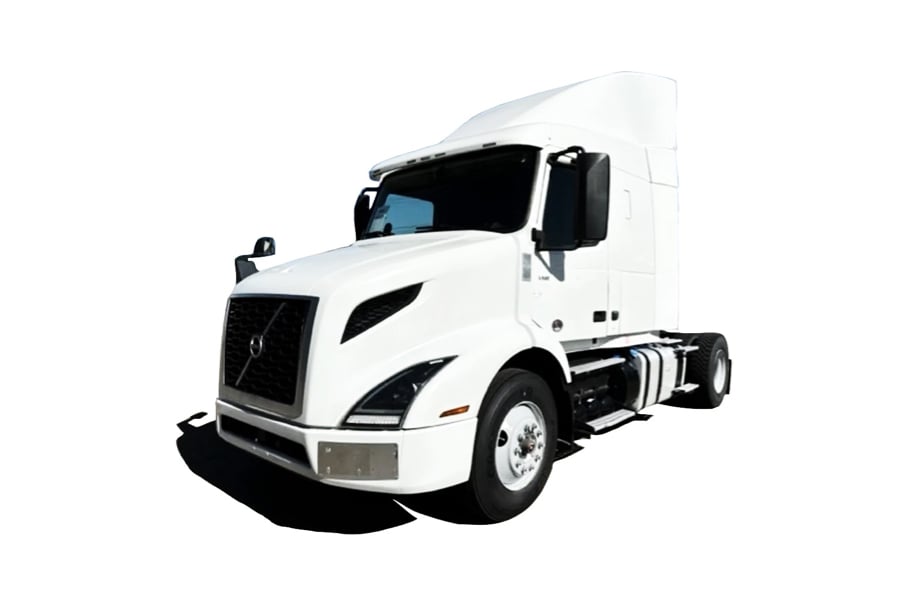
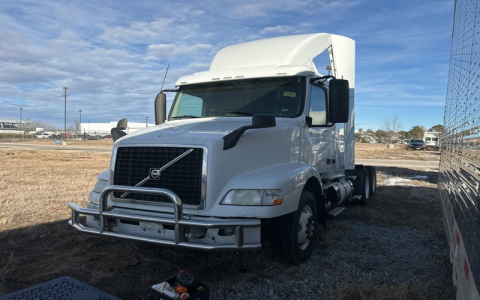
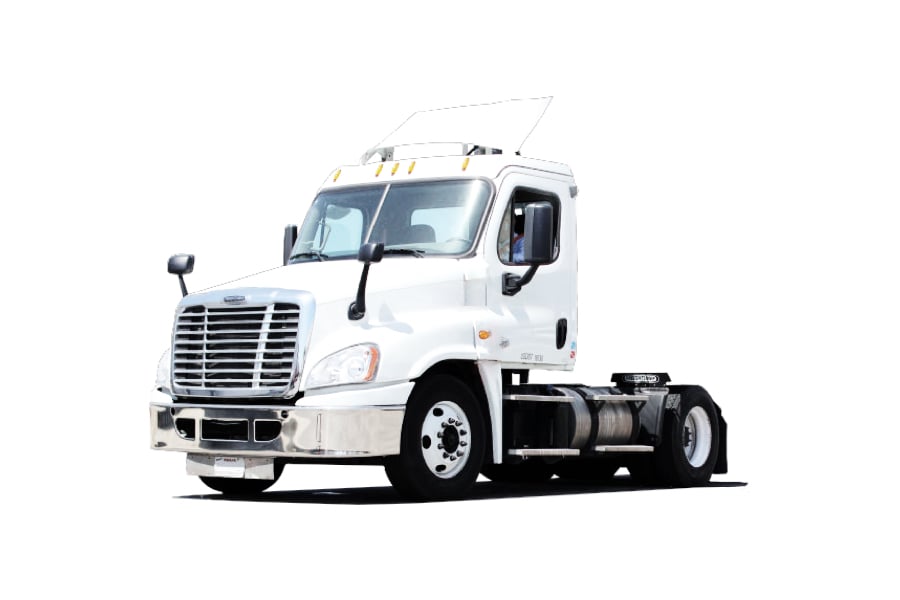
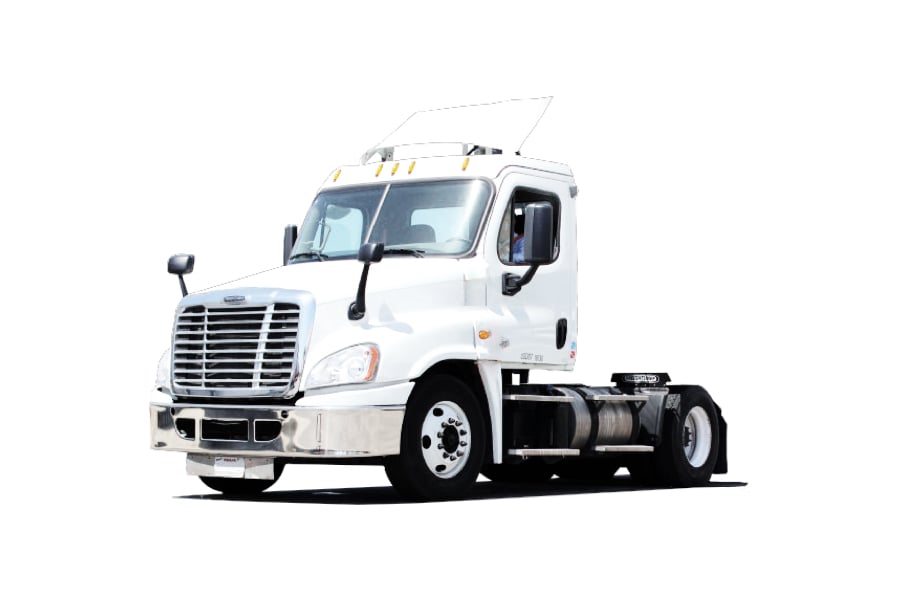
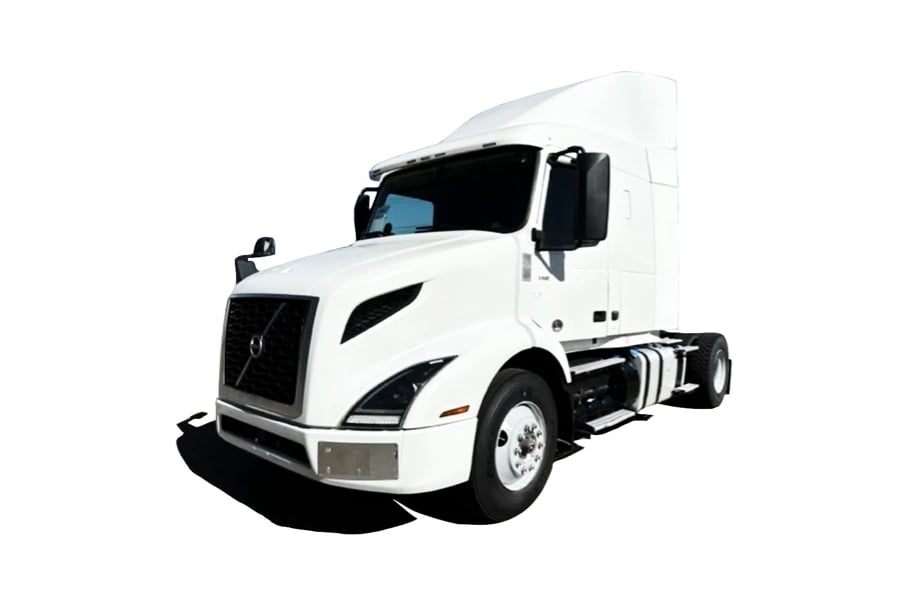
Often called a “single axle tractor” or a “day cab,” this configuration is a powerhouse for specific applications. The primary advantage is weight savings. With one less axle and fewer tires, you have a higher legal payload capacity. This is crucial for weight-sensitive cargo like bottled liquids, dense building materials, or heavy machinery. Furthermore, these trucks are more maneuverable in tight city streets and crowded docks, and they generally offer better fuel economy due to reduced rolling resistance and weight. For regional hauls where you’re home nightly, the day cab setup is perfect, eliminating the unnecessary cost and weight of a sleeper berth.
Key Factors to Consider Before You Buy
Jumping on the first listing you see for a single axle semi truck near you can be a costly mistake. Here’s a breakdown of the critical elements to scrutinize.
Engine and Powertrain Specifications
Don’t just look at horsepower. Torque, especially in the low RPM range, is king for getting heavy loads moving. For regional work, an engine in the 400-500 hp range is typically more than sufficient. Pay close attention to the transmission—a reliable automated manual transmission (AMT) can reduce driver fatigue on dense urban routes, while some still prefer the control of a manual. Always check the maintenance history for regular oil changes and coolant flushes.
Condition and Maintenance History
A well-documented service history is worth its weight in gold. Request records for:
- Engine overhauls or major repairs
- Transmission servicing
- Suspension and brake work
- Regular oil analysis reports (a sign of a meticulous owner)
A pre-purchase inspection by a trusted, independent mechanic is non-negotiable. They can spot frame cracks, worn kingpins, or subtle signs of impending failure that you might miss.
Local Availability and Pricing Trends
The market for single axle semi trucks available near your location can vary wildly. A truck priced in the Midwest may differ from one on the West Coast. Use online listings to establish a baseline, but remember, the final price is determined by condition, specs, and local demand. Trucks from areas with less road salt corrosion often command a premium.
New vs. Used: Making the Right Choice
This is the classic dilemma. A new truck from a manufacturer like Chinese Truck Factory offers the latest emissions technology, full warranties, and maximum uptime, but at a steep capital cost. A used single axle semi provides immediate value but carries inherent risk. The sweet spot for many is a lightly used model, 3-5 years old, where the steepest depreciation has occurred but major components still have plenty of life. Consider your budget, financing options, and tolerance for potential repair downtime.
Top Models and Features Comparison
Here’s a quick comparison of popular configurations you’re likely to find in your search for a single axle day cab truck.
| Model Type | Ideal Use Case | Key Feature to Look For | Potential Drawback |
|---|---|---|---|
| Lightweight Spec | Maximum payload, tanker/haul | Aluminum wheels, air disc brakes, minimized frame | Can have a stiffer ride when empty |
| Urban Delivery Spec | City P&D, tight maneuvering | Tight turning radius, excellent visibility, durable bumper | Smaller fuel tanks for shorter range |
| Regional Freight Spec | 200-500 mile radius, dry van/reefer | Comfortable seating, solid fuel economy, solid reliability | May lack some luxury amenities |
Expert Tips for Your Test Drive and Inspection
John Miller, a certified commercial vehicle instructor with over 20 years of experience, emphasizes a methodical approach. “Your test drive shouldn’t just be around the block. Find a hill to test power and braking. Listen for unusual noises in the driveline. Check that the clutch (if manual) engages smoothly and that the AMT shifts without harshness.” He also advises checking simple things: all lights and signals, air system buildup time (should reach governor cut-out in about 90 seconds), and for any warning lights on the dash. “Spend 15 minutes with the engine off just looking for fluid leaks,” he adds.
Financing and Finalizing Your Purchase
Once you’ve found “the one,” secure financing if needed. Credit unions often offer competitive rates for commercial vehicles. Understand the total cost of ownership: insurance, registration, and estimated maintenance. Before signing, ensure any promised repairs are documented on the bill of sale. Finally, make sure you have a clear title and understand your state’s requirements for commercial vehicle registration. According to a 2023 report by the American Transportation Research Institute, vehicle payments constitute about 9% of an owner-operator’s total costs, making smart financing critical1.
Frequently Asked Questions
Q: What is the typical fuel economy for a single axle semi?
A: This varies greatly based on engine, load, and terrain. However, a well-maintained modern single axle day cab can often achieve 7.5 to 8.5 miles per gallon in regional service, which is generally 0.5 to 1 MPG better than a comparable tandem-axle tractor due to less weight and drag2.
Q: Are single axle trucks safe for highway speeds?
A: Absolutely. When properly maintained and loaded within its Gross Vehicle Weight Rating (GVWR), a single axle semi is just as safe and stable as any other commercial truck. The key is ensuring tire pressure, brakes, and suspension are in top condition.
Q: Can I use a single axle truck for cross-country loads?
A: Legally, yes, but it’s often not practical. Weight restrictions on the Interstate system are based on axle weight, not the number of axles. However, for very heavy loads, a tandem axle provides better weight distribution and is the standard for long-haul operations.
Q: Where is the best place to find used single axle trucks locally?
A: Start with trusted online commercial truck listings, but also network at local truck stops, check with regional dealerships, and look for auctions that specialize in commercial vehicles. Sometimes the best deals are found through word-of-mouth in the trucking community.
Final Thoughts
Finding the right single axle semi truck available near your location requires patience, diligence, and a clear understanding of your business needs. By focusing on mechanical integrity, matching the truck’s specs to your daily tasks, and never skipping a professional inspection, you can secure a reliable workhorse that boosts your profitability. Remember, the right truck isn’t just an expense; it’s the foundation of your operation.