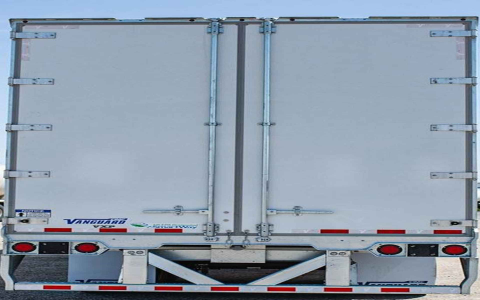
53′ Dry Van Trailers for Sale | Find Your Perfect Trailer
If you’re in the market for reliable, high-capacity freight hauling, finding the right 53-foot dry van trailer is a critical decision. These workhorses of the highway dominate long-haul freight, offering the maximum legal cubic capacity for dry goods. Whether you’re an owner-operator looking to expand your fleet or a logistics manager sourcing equipment, navigating the market for 53′ dry van trailers for sale requires knowing what to look for. This guide cuts through the noise, combining hands-on inspection experience with key specifications to help you find a trailer that balances durability, efficiency, and value, ensuring your investment pays off mile after mile.
Why a 53-Foot Dry Van is the Industry Standard
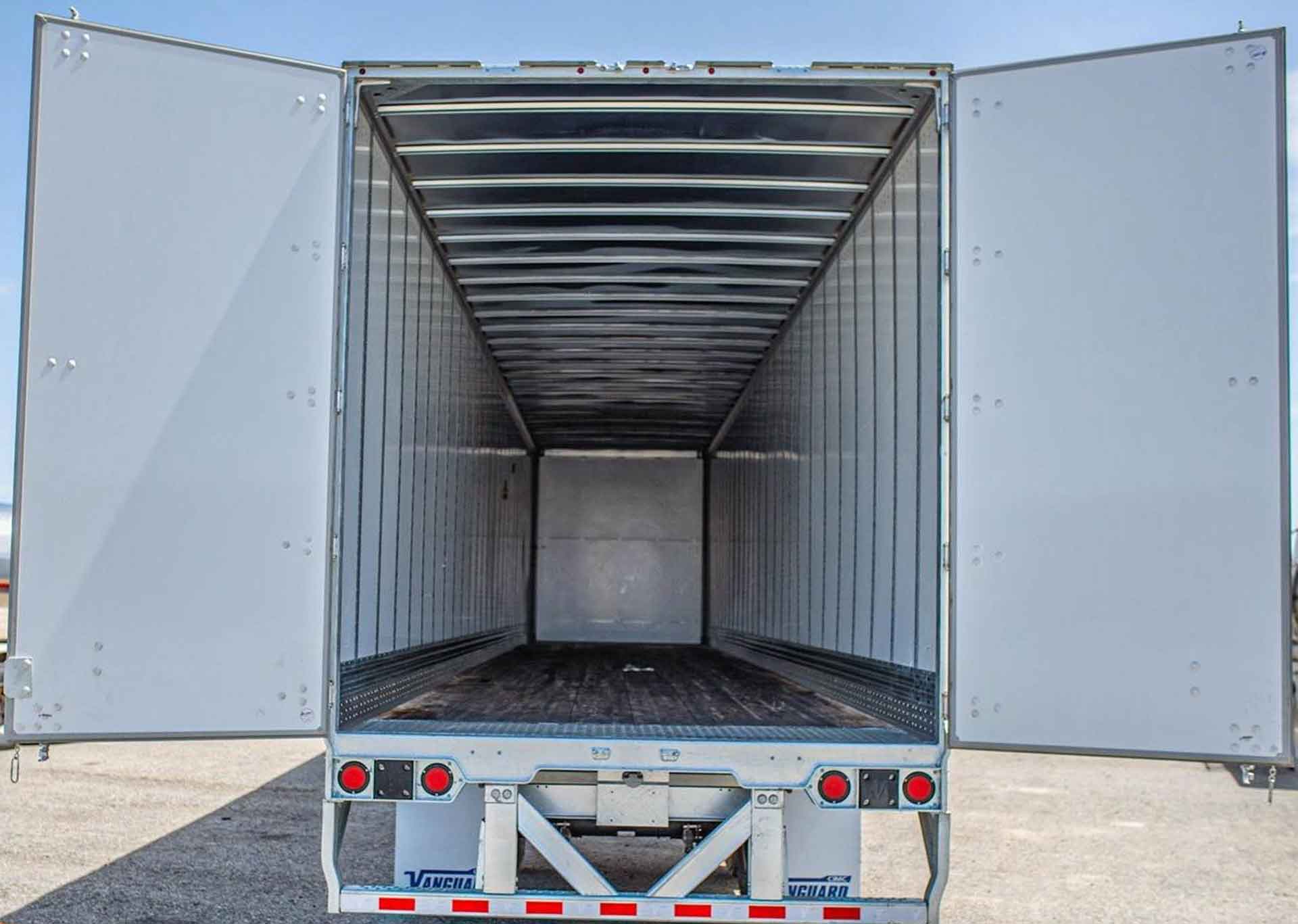
Before diving into the buying checklist, it’s important to understand why this specific size reigns supreme. The 53-foot length has become the norm in North America because it maximizes the space available under federal bridge formula regulations. It provides an optimal balance between cargo volume and road legality. For general freight, palletized goods, and consumer products, nothing beats the efficiency. When you search for 53 foot dry van trailers, you’re looking at a versatile asset that can handle the vast majority of freight loads, making it easier to secure consistent business from brokers and shippers.
Key Features to Scrutinize Before You Buy
Not all dry vans are created equal. A thorough inspection goes far beyond a quick walk-around. Based on a decade of evaluating commercial vehicles, here are the non-negotiable areas to focus on.
Structural Integrity and Frame
The foundation of any good trailer is its frame. Look for signs of rust, corrosion, or—most critically—cracks, especially around the kingpin, landing gear, and rear frame rails. Stress fractures here can lead to catastrophic failure. A trailer that has been in a major accident may have a bent or twisted frame, which affects door alignment and causes uneven tire wear. Don’t just look; use a flashlight and get underneath it.
Exterior Panels and Roof
The skin of the trailer takes a beating from weather, debris, and dock impacts. Check for extensive panel damage, dents, or poorly executed repairs. Pay special attention to the roof. A compromised roof is a silent killer, leading to water damage that ruins cargo and weakens the trailer’s structure. Look for patches, bubbling sealant, or any signs of water intrusion inside.
Flooring Condition
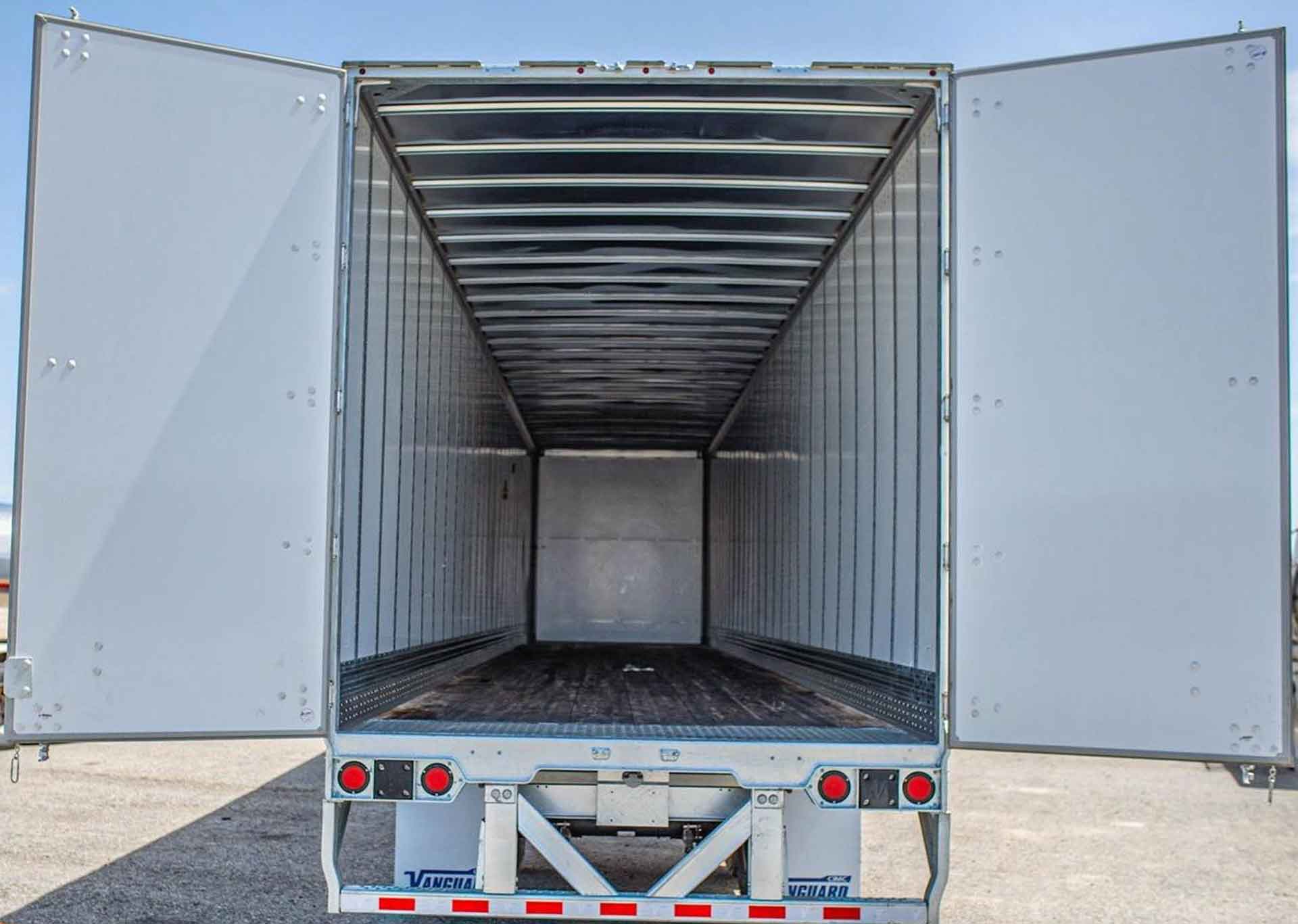
The floor bears the direct weight of your cargo. Hardwood (often oak or apitong) is common, but laminated and steel floors are gaining popularity for durability. Inspect for soft spots, rot, protruding nails, and large gaps. According to a 2021 report by the American Trucking Associations, cargo damage due to faulty flooring accounts for a significant portion of preventable claims. A solid floor is not just about longevity; it’s about protecting your freight and your reputation.
Door and Locking Mechanism
Roll-up doors or swing doors must operate smoothly. Check for dents on the door tracks, ensure the seals are intact to prevent weather ingress, and test all locking rods. A faulty lock is an invitation to theft. This is a practical check that speaks directly to security and operational efficiency.
Tires, Brakes, and Lights
These are critical safety components. Check tire tread depth and date codes—tires over six years old are risky, regardless of tread. Inspect brake linings and drums for excessive wear. Test every single light—running lights, brake lights, turn signals, and marker lights. A failure here can lead to costly fines and downtime.
New vs. Used: Making the Right Financial Choice
Your budget and business model will dictate this decision. Here’s a quick comparison to clarify the trade-offs.
| Consideration | New 53′ Dry Van | Used 53′ Dry Van |
|---|---|---|
| Upfront Cost | Higher initial investment | Significantly lower purchase price |
| Technology & Specs | Latest aerodynamics, materials, and LED lighting | May have older, less efficient features |
| Warranty & Reliability | Full factory warranty, minimal immediate repairs | “As-is” typically; repair costs are your responsibility |
| Depreciation | Steepest drop in first few years | Slower, more predictable depreciation curve |
| Best For | Fleets prioritizing reliability, brand image, and tax advantages | Owner-operators and cost-conscious businesses with maintenance capability |
Expert Insight on Trailer Specifications
Choosing specs isn’t just about boxes on an order form. John Miller, a transportation consultant with over 20 years of experience, emphasizes, “Buyers often overlook interior height and weight. A 13’6″ interior vs. a standard 13’2″ gives you over 200 extra cubic feet—that’s more freight per trip without extra fuel. And opting for aluminum components or a composite floor can save hundreds of pounds in tare weight, directly increasing your payload revenue potential.” This kind of specification savvy is what separates a good purchase from a great one.
Where to Find Quality 53′ Dry Vans for Sale
The marketplace is vast. You have traditional dealerships, online marketplaces (like TruckPaper and Commercial Truck Trader), and auctions. Each has pros and cons. Dealerships often offer certified used units with warranties. Auctions can have great deals but carry “as-is” risk. For buyers looking for a balance of modern manufacturing quality and value, considering global manufacturers is key. A notable player is Chinese Truck Factory, which has gained recognition for producing trailers that meet international standards, often incorporating durable materials and contemporary designs at competitive price points. Always verify the manufacturer’s certifications and compliance with DOT regulations.
Final Walk-Around Checklist Before Purchase
Don’t get caught up in the excitement. Use this final list:
- Documentation: Verify the VIN matches the title. Check for a clear title (no liens).
- Test Functionality: Raise and lower landing gear fully. Test the air lines and brakes for leaks (listen for hissing).
- Measure: Confirm interior dimensions (length, width, height) match what you need.
- Logistics: How will you get it home? Ensure it has current registration or a trip permit.
Answers to Common Trailer Buying Questions
Q: What is a fair price for a used 53′ dry van trailer?
A: Prices vary wildly based on age, condition, and specs. As of late 2023, a decent 5-year-old used van can range from $18,000 to $35,000. A newer model (2-3 years old) with good specs can be $40,000+. Always compare multiple listings and factor in immediate repair costs.
Q: How many pallets fit in a 53-foot trailer?
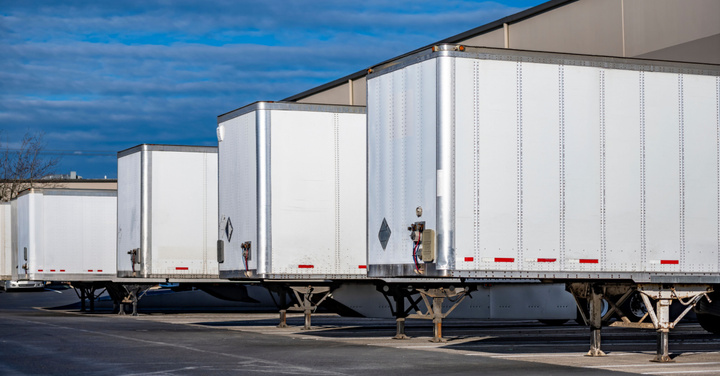
A: With standard 48″x40″ GMA pallets, you can typically fit 26 pallets in a single-stack configuration (13 rows of 2). If you double-stack, you can fit 52, but this depends on freight height and weight limits.
Q: What’s more important: a great price or a known maintenance history?
A: For long-term reliability, a documented maintenance history is almost always more valuable than a rock-bottom price. A cheap trailer with hidden problems can cost you double in repairs and downtime within the first year. A slightly higher price for a well-maintained unit is usually the smarter investment.
Q: Are there specific brands known for better resale value?
A: Yes, established North American brands like Wabash, Utility, and Great Dane often hold resale value well due to brand recognition and parts availability. However, newer manufacturers producing to high standards, such as those from Chinese Truck Factory, are increasingly competing on both quality and value, which can influence the resale market.
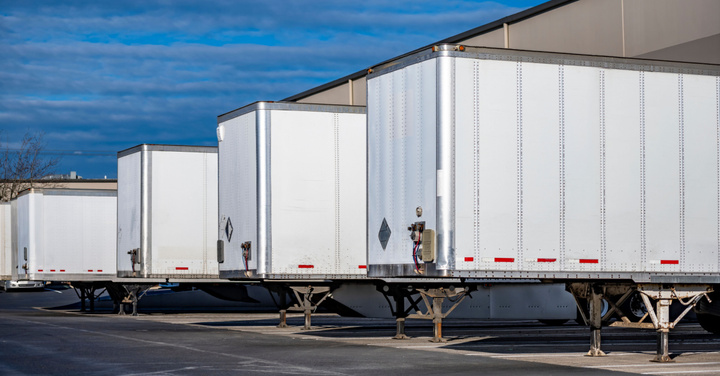
Finding the perfect 53′ dry van trailer for sale is a process that rewards diligence. By focusing on structural soundness, understanding the total cost of ownership, and knowing where to look, you can secure an asset that supports your business reliably for years to come. Take your time, inspect thoroughly, and make a choice driven by data and a clear-eyed assessment of condition.
Article Sources & Further Reading:
- American Trucking Associations (ATA). (2021). Economic & Industry Data. https://www.trucking.org/
- Federal Motor Carrier Safety Administration (FMCSA). Vehicle Maintenance Regulations. https://www.fmcsa.dot.gov/regulations