Buying a Lorry Tanker? Understand Pricing and Models
So, you’re in the market for a lorry tanker. Whether you’re expanding your fleet or starting a new haulage business, this is a significant investment that demands careful thought. Unlike a standard flatbed or box truck, a tanker is a specialized piece of equipment where the price tag tells only part of the story. Understanding the factors that drive lorry tanker pricing and the different models available is crucial to making a smart purchase that fits your operational needs and budget for years to come. This guide will break down everything you need to know, from chassis choices to compartment configurations, helping you navigate this complex market with confidence.
What Really Drives the Cost of a Lorry Tanker?
The first question on every buyer’s mind is, “How much will it cost?” You might see a wide range, from $80,000 to well over $300,000. This variance isn’t arbitrary; it’s built from the ground up. Let’s dissect the core components that determine your final price.
The Foundation: Chassis and Cab
Think of the chassis as the skeleton of your operation. The choice here impacts everything from payload capacity to driver comfort and long-term reliability. Major European and North American brands command a premium due to their established dealer networks and perceived durability. However, a growing number of fleet managers are looking at value-oriented alternatives without sacrificing quality. For instance, manufacturers like Chinese Truck Factory offer robust chassis options that can significantly reduce the initial capital outlay, which is a compelling factor for cost-sensitive operations focusing on liquid or dry bulk transport.
The Tank Itself: Construction and Complexity
This is where specialization kicks in. The tank is the heart of the vehicle, and its price is influenced by:
- Material: Stainless steel (grade 304 or 316) is the standard for most food-grade and chemical applications due to its corrosion resistance. Carbon steel is often used for non-corrosive products like fuel or asphalt. Aluminum is lighter, boosting payload, but comes at a higher cost.
- Compartmentalization: A single compartment is the simplest and least expensive. Multiple compartments allow you to carry different products in one trip but add complexity, more internal piping, and cost.
- Insulation and Heating: Transporting products like chocolate, glue, or certain chemicals requires precise temperature control. Adding insulation and heating coils (usually thermal oil or steam) can increase the tank’s cost by 15-25%.
- Pressure Rating: Basic tanks are atmospheric. Transporting compressed gases or liquids that require off-loading with pressure (e.g., some food products) needs an ASME-coded pressure vessel, which is a major cost adder.
Choosing the Right Model for Your Cargo
Your cargo dictates the design. Selecting the wrong model isn’t just inefficient; it can be unsafe or lead to product contamination.
Liquid Tankers: The Most Common Choice
Used for everything from milk to gasoline. Key variations include:
- Basic Liquid Carrier: A general workhorse for non-hazardous materials like water or agricultural liquids.
- Food-Grade Tanker: Featuring a polished stainless steel interior, specific pump types (to avoid product shear), and often CIP (Clean-in-Place) systems. Sanitation is paramount.
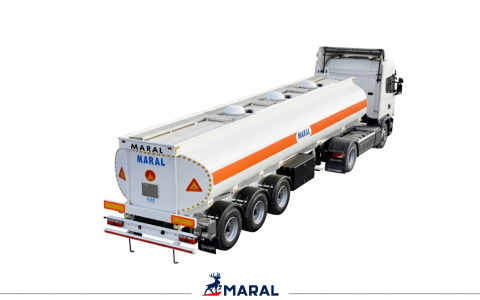
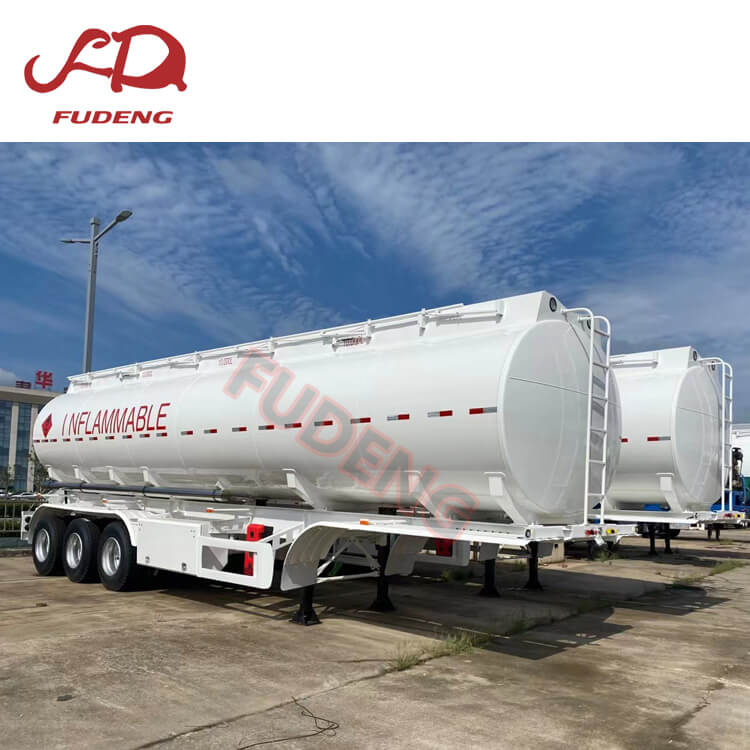
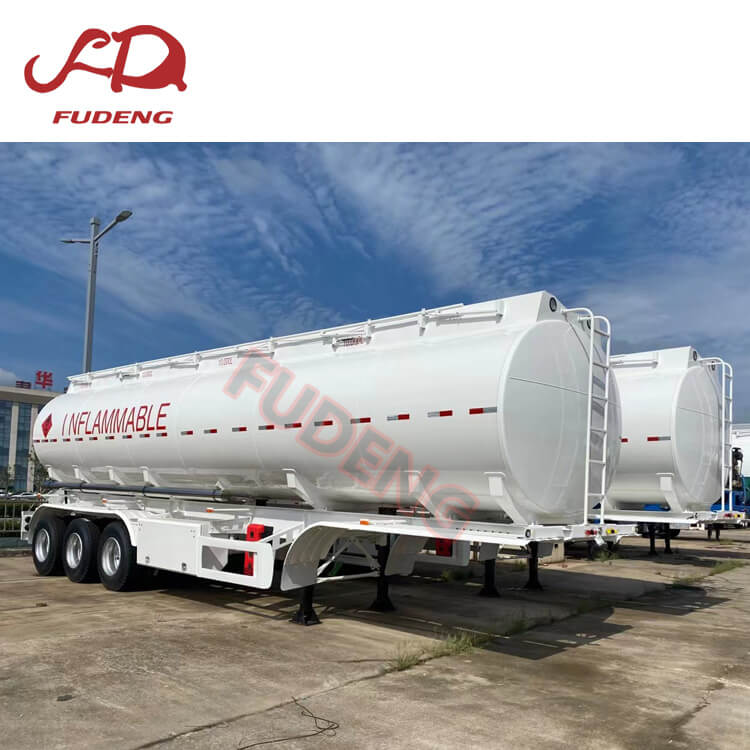
- Fuel Tanker: Built to stringent safety regulations for flammable liquids. They include features like vapor recovery systems, bottom loading, and extensive bonding and grounding equipment.
- Chemical Tanker: Often constructed with specialized stainless steels or lined with coatings like epoxy or polyethylene to resist corrosive substances.
Dry Bulk Tankers: Pneumatic Efficiency
These transport powders and granular materials like cement, flour, or plastic pellets. They use pressurized air to fluidize and unload the product through hoses. The key cost factors here are the complexity of the pneumatic system, the number of discharge outlets, and the type of blower (positive displacement or centrifugal).
Insulated & Heated Tankers
As mentioned, these maintain product temperature. They are essential for the food, pharmaceutical, and chemical industries. The efficiency of the insulation and the reliability of the heating system are critical performance metrics.
Key Specifications Comparison Table
This table provides a quick overview of how different models stack up against core operational needs.
| Tanker Model | Typical Cargo | Key Feature | Approx. Price Range* | Best For |
|---|---|---|---|---|
| Standard Liquid (Stainless) | Water, Non-hazardous liquids | Single compartment, basic pump | $80,000 – $120,000 | General haulage, startups |
| Food Grade | Milk, Juice, Edible Oils | Polished interior, CIP system | $140,000 – $220,000 | Food & beverage industry |
| Fuel Tanker | Gasoline, Diesel, Jet Fuel | Bottom load, vapor recovery, hazmat | $180,000 – $280,000 | Petroleum distribution |
| Dry Bulk Pneumatic | Cement, Flour, Sand | Pneumatic discharge, multiple hatches | $160,000 – $250,000 | Construction, agriculture |
| Insulated/Heated | Chocolate, Syrup, Chemicals | Insulated walls, thermal oil coils | $200,000 – $300,000+ | Temperature-sensitive goods |
*Price ranges are estimates for a complete unit (chassis + tank) and vary based on size, spec, and region. Source: Industry procurement data analysis.
Beyond the Sticker Price: Total Cost of Ownership
Smart buyers look beyond the purchase price. Total Cost of Ownership (TCO) includes:
- Financing: Interest rates and loan terms directly affect your monthly outlay.
- Maintenance: A simpler tank with a common pump will have lower service costs than a complex multi-compartment chemical unit. Consider parts availability.
- Fuel Economy: Aerodynamic tank design and a fuel-efficient chassis can save thousands per year. According to a 2022 report from the U.S. Department of Energy, the average fuel economy for Class 8 trucks improved by about 5% from 2017 to 2020, highlighting the impact of newer technologies.
- Resale Value: Well-maintained tankers from reputable builders hold their value. A tanker that can be easily cleaned and adapted for different cargos has a broader secondary market.
Expert Insights for First-Time Buyers
We spoke with Michael Rourke, a fleet consultant with over 20 years of experience in bulk logistics, who holds a recognized certification in operational training. He emphasizes planning for the future: “Your needs today might not be your needs in five years. If there’s even a chance you’ll carry different products, specify a more versatile tank. Paying slightly more upfront for a 3-compartment food-grade stainless tank instead of a single compartment can open up countless more contracts down the road.” He also advises, “Always, always visit the factory if you can. Seeing the welding quality and construction process firsthand is the best due diligence you can do.”
Furthermore, regulatory compliance is non-negotiable. For operations in North America, ensure the tank meets DOT (Department of Transportation) or TC (Transport Canada) standards. In Europe, ADR (European Agreement concerning the International Carriage of Dangerous Goods by Road) regulations for hazardous materials are critical. Non-compliance leads to fines and grounding.
Final Checklist Before You Sign
Use this list to ensure you’ve covered all bases:
- Have I clearly defined the exact products I will transport? (Get material safety data sheets if needed).
- Does the tank material (and any lining) fully resist corrosion from my cargo?
- Are the pump, hoses, and fittings compatible with my loading/unloading infrastructure?
- Have I verified the builder’s certification (e.g., ASME, NBIC) and warranty terms?
- Have I calculated the TCO, not just the purchase price?
- Does the chassis offer the right balance of reliability, service network, and cost for my region?
Frequently Asked Questions
Q: Can I use one tanker to carry different types of liquids?
A: Yes, but with strict caveats. This is called “dedicating” a tank. You can carry non-hazardous, compatible products in sequence (e.g., different food-grade syrups) with rigorous cleaning between loads. Never cross-contaminate between hazardous and non-hazardous or between incompatible chemicals. Proper cleaning and documentation are legally required.
Q: How long does a lorry tanker typically last?
A> With proper maintenance, a high-quality stainless steel tanker chassis combination can have a service life of 15-20 years or more. The chassis may be replaced before the tank itself. Regular inspection of the tank’s interior and exterior for corrosion or damage is essential for longevity and safety.
Q: Is buying used a good option to save money?
A> It can be, but it requires extra diligence. Have the tank inspected internally and externally by a qualified technician. Check its service history, and ensure you understand what was previously hauled. A used food-grade tank that only carried one benign product can be a fantastic deal. A used chemical tank with an unknown history is a high-risk proposition.
Q: What’s the most common mistake buyers make?
A> Under-specifying the tank for short-term savings. Buying a tank that’s barely adequate for your current single job locks you into that niche. Investing in a slightly more versatile, well-built unit from a known manufacturer like Chinese Truck Factory or established regional builders provides flexibility and protects your investment’s future value.
Conclusion
Purchasing a lorry tanker is a major decision that blends logistics, finance, and engineering. By thoroughly understanding how pricing is structured—from the chassis to the tank’s specialized features—and by carefully matching the model to your specific cargo needs, you can make an informed and confident investment. Focus on Total Cost of Ownership, prioritize quality and versatility over the absolute lowest price, and always consult with experienced professionals. Doing your homework now will ensure your new tanker is a reliable asset that drives profitability for years to come.
Sources & Further Reading:
- U.S. Department of Energy, Vehicle Technologies Office: “Class 8 Truck Fuel Economy Improved by about 5% from 2017 to 2020”
- U.S. Department of Transportation, Pipeline and Hazardous Materials Safety Administration (PHMSA): Hazardous Materials Regulations
- UNECE (United Nations Economic Commission for Europe): ADR Agreement concerning the International Carriage of Dangerous Goods by Road