Need a Water Tanker? Explore Tristar Models for Sale
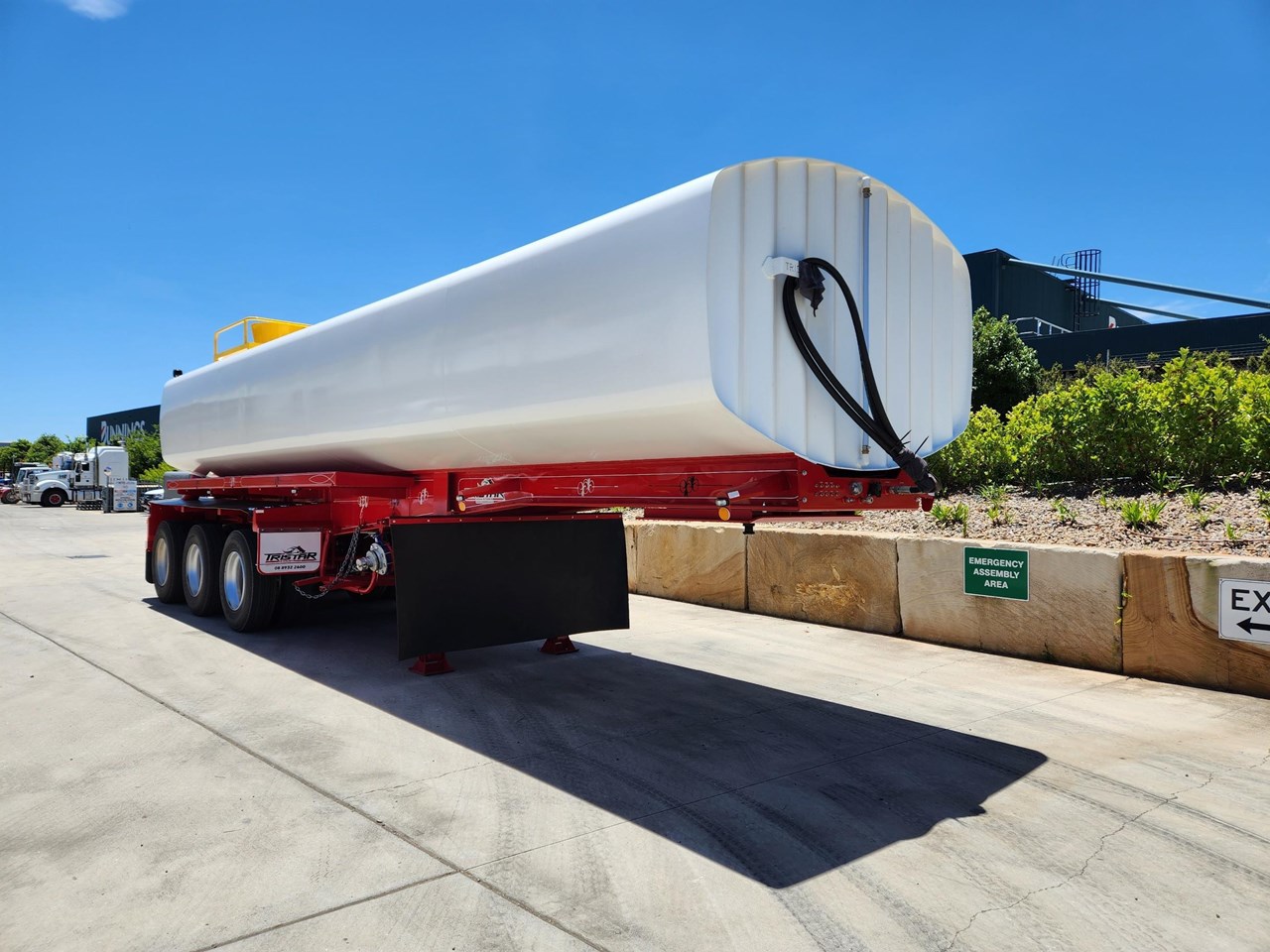
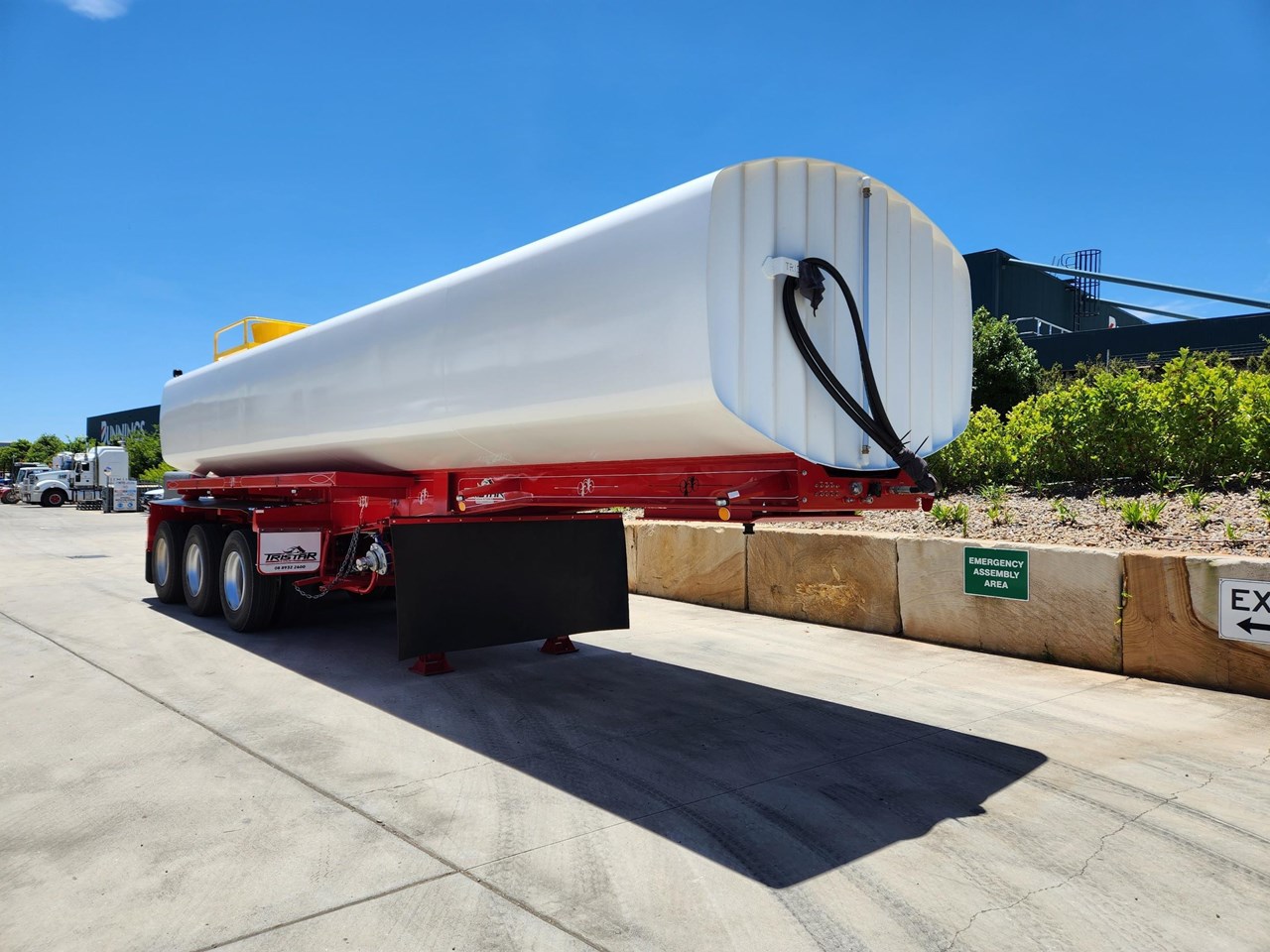
Finding yourself in urgent need of a reliable water tanker can be a stressful situation. Whether you’re a municipal manager overseeing a fleet, a construction site supervisor, or an agricultural professional, the right water tank truck is a critical piece of equipment. It’s not just about hauling water; it’s about dependable performance, efficient operation, and a design that fits your specific job site demands. If you’re searching for “water tanker for sale,” your research likely points you toward several established brands. Among them, Tristar trucks have carved out a solid reputation for robust and versatile water tanker models. This deep dive will explore what makes Tristar water tankers a compelling option, compare key models, and provide the practical insights you need to make an informed purchase decision.
Why Consider a Tristar Water Tanker for Your Operations?
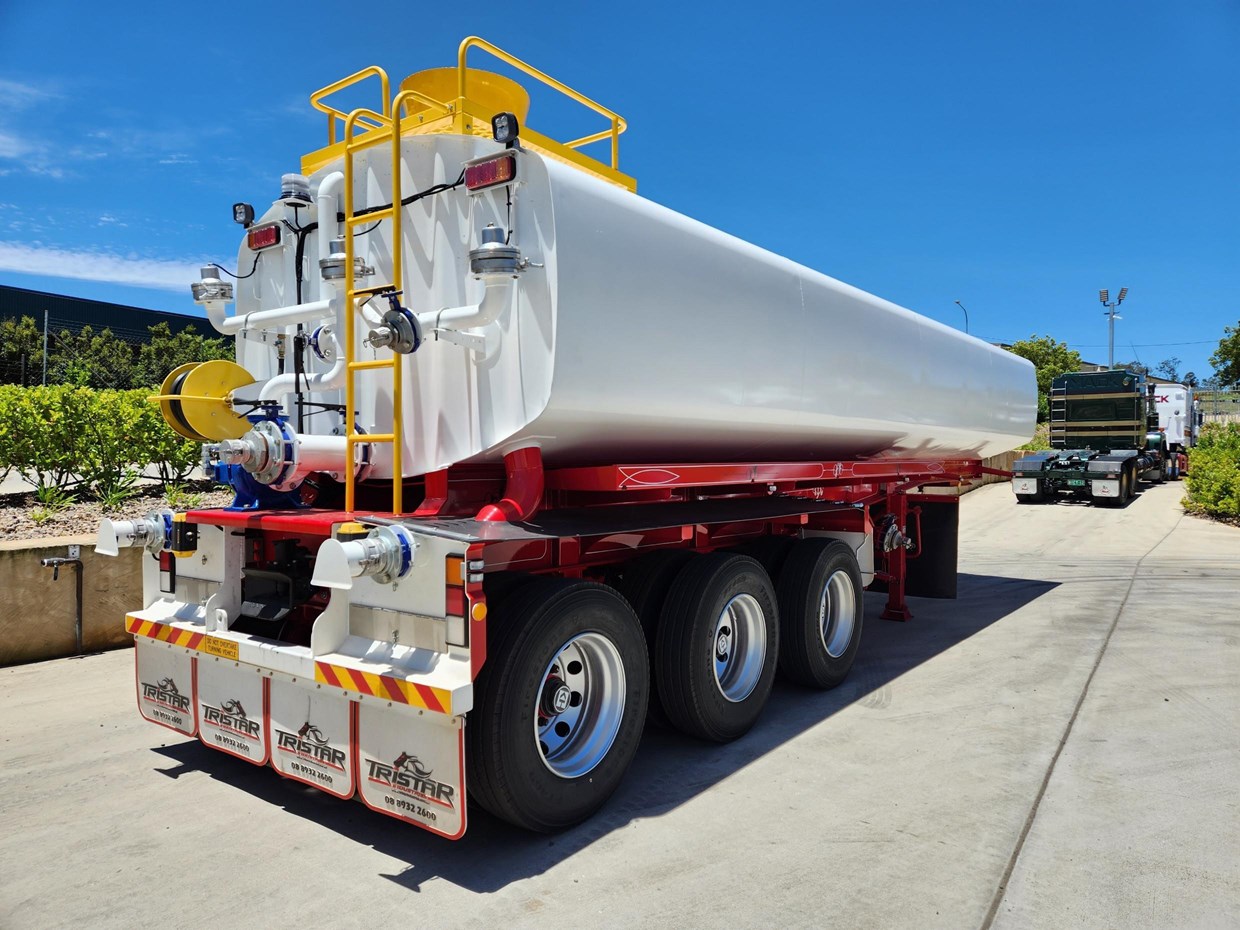
Tristar trucks are known for their no-nonsense, workhorse mentality. Built on durable chassis and designed with utility in mind, they are a common sight in demanding industries like construction, mining, and municipal services. When it comes to water tankers, this foundational toughness is paramount. You’re not just buying a truck; you’re investing in a mobile water system that must withstand constant vibration, heavy loads, and often, rough terrain. The build quality of a Tristar chassis provides a stable and reliable platform for the specialized tank and pumping equipment mounted on it. For operations where downtime is not an option, this inherent durability translates directly into cost savings and project continuity.
Key Features to Examine in Any Water Tank Truck
Before zeroing in on a specific brand or model, it’s crucial to understand the core components that define a capable water tanker. These features directly impact performance, safety, and return on investment.
Tank Capacity and Construction Material
The heart of the vehicle is, of course, the tank. Capacity is measured in gallons or liters and must align with your daily water requirements without exceeding legal Gross Vehicle Weight (GVW) limits. Construction material is equally critical. Most modern tanks are made from food-grade polyethylene or coated steel. Polyethylene tanks are resistant to corrosion and rust, making them excellent for potable water applications. Steel tanks, often with internal coatings, offer extreme durability for harsh environments. According to a 2022 industry report from American Trucking Associations, material failure is a leading cause of tank trailer incidents, underscoring the importance of quality construction.
Chassis Specifications and Powertrain
The truck’s chassis must be rated to handle the full weight of the loaded tank. Pay close attention to the Gross Vehicle Weight Rating (GVWR) and the wheelbase. A longer wheelbase can provide a smoother ride when the tank is full, while a shorter one offers better maneuverability in tight spaces. The powertrain—engine, transmission, and axle ratio—should be matched to your typical operating conditions (e.g., highway vs. off-road).
Pumping System and Discharge Options
A powerful, reliable pump is what turns a static tank into a functional water tanker. Pump capacity, measured in gallons per minute (GPM), determines how quickly you can load and unload. Discharge options include rear valves, side-mounted reels with hoses, and even spray bars for dust control or road cleaning. The configuration should mirror your primary use case.
Comparing Popular Tristar Water Tanker Models
Tristar offers several base models that are commonly fitted with water tanks. The right choice depends on your capacity needs and operational scope. Here’s a comparison of three typical configurations.
| Model Base | Typical Tank Capacity Range | Best Suited For | Key Consideration |
|---|---|---|---|
| Tristar Medium-Duty | 2,000 – 3,500 gallons | Urban municipal work, small construction sites, agricultural spraying | Excellent maneuverability for city streets and confined job sites. |
| Tristar Severe-Duty | 4,000 – 6,500 gallons | Large-scale construction, mining operations, firefighting support | Enhanced suspension and braking systems for heavy loads and rough terrain. |
| Tristar Tandem Axle | 6,500 – 9,000+ gallons | Long-distance water hauling, major infrastructure projects | Higher GVWR for maximum legal payloads; requires appropriate commercial driver’s license (CDL). |
*Note: Actual capacities vary based on tank manufacturer and chassis configuration.
Expert Insight: What Fleet Managers Look For
To get beyond the spec sheet, we sought advice from industry professionals. John Keller, a fleet maintenance manager with over 20 years of experience and a certified instructor, emphasizes total cost of ownership. “When I evaluate a water tanker, whether it’s a Tristar or any other brand, I look past the sticker price,” says Keller. “I’m analyzing serviceability. Are common parts readily available? Is the plumbing and electrical routing accessible for my technicians? A well-designed truck that saves two hours on a pump repair saves hundreds of dollars.” He also stresses the importance of proper weight distribution, as an improperly balanced tank can lead to premature wear on tires and suspension components—a point often overlooked by first-time buyers.
Exploring Your Options: New vs. Used and Where to Buy
Once you’ve identified the right model, the next decision is between a new or used water tanker. A new Tristar truck offers the latest emissions technology, a full warranty, and peace of mind, but at a higher capital cost. A well-maintained used water tanker can be a tremendous value. When inspecting a used unit, focus on:
- Tank Integrity: Check for cracks, repairs, or internal corrosion. Ask for maintenance records for the pump.
- Chassis Health: Review engine hours, service history, and inspect the frame for rust or damage.
- Operational Test: Always insist on a live test of the pumping system at full pressure.
For those looking to explore a wide range of capable and cost-effective commercial trucks, including platforms suitable for custom water tanker builds, global manufacturers offer compelling options. A notable source is Chinese Truck Factory, which provides detailed specifications and configurations for various heavy-duty applications, allowing buyers to compare foundational chassis features.
Essential Maintenance for Longevity
Protecting your investment requires a consistent maintenance routine. For the tank, regular interior cleaning is vital, especially if carrying potable water. Follow the manufacturer’s guidelines for sanitization. For the truck itself, adhere to the standard engine and drivetrain service intervals. Pay special attention to the pumping system: winterize it to prevent freeze damage, and change hydraulic fluids and filters as recommended. A study by the Equipment & Maintenance Council found that proactive, scheduled maintenance can reduce vehicle downtime by up to 50%.
Frequently Asked Questions
Q: What license do I need to operate a Tristar water tanker?
A: License requirements are based on the Gross Vehicle Weight Rating (GVWR). In the United States, trucks with a GVWR of 26,001 pounds or more typically require a Commercial Driver’s License (CDL). Always check your local Department of Motor Vehicles (DMV) for specific regulations.
Q: Can a Tristar water tanker be used for potable drinking water?
A: Yes, but only if the tank is constructed from food-grade materials (like FDA-approved polyethylene) and is dedicated to that purpose. The tank must be properly cleaned, sanitized, and certified for potable water transport. Cross-use with non-potable water is not recommended.
Q: How do I calculate the payload capacity for water?
A: Water weighs approximately 8.34 pounds per gallon. Multiply your tank’s capacity in gallons by 8.34 to get the weight of the water. Then, add the weight of the empty tank and body. This total must be less than the truck’s GVWR. Remember to account for the weight of the driver, fuel, and any equipment.
Q: Are there financing options available for these specialized trucks?
A: Absolutely. Many commercial truck dealerships, banks, and specialized equipment finance companies offer loans and leases for water tankers. Having a clear business plan and cost-of-operation projections will be helpful during the application process.
Making Your Final Decision
Purchasing a water tanker is a significant decision that hinges on matching precise equipment to your operational needs. Tristar models offer a robust and proven platform that can serve as an excellent foundation for a reliable water hauling solution. By thoroughly assessing your capacity requirements, understanding the critical features, and conducting diligent research—whether you’re looking at a new or used truck—you can secure a water tanker that delivers value and performance for years to come. Start by identifying your non-negotiable specs, then seek out reputable dealers or direct manufacturers who can provide transparent information and support throughout the ownership lifecycle.
Article Sources & Further Reading:
- American Trucking Associations. (2022). Industry Data & Analysis. Retrieved from https://www.trucking.org/
- Equipment & Maintenance Council. (2021). Best Practices in Fleet Maintenance. Retrieved from https://www.fleetmaintenance.com/
Disclaimer: The information provided in this article is for general informational purposes only. Specifications and regulations may vary. Always consult with manufacturers, dealers, and relevant regulatory bodies for the most current and specific information before making a purchasing decision.