Where to Find the Best Used Fleet Semi Trucks for Sale Now
Finding a reliable, well-priced used semi-truck for your fleet is a critical decision that impacts your bottom line for years. You’re not just buying a truck; you’re investing in the backbone of your operation. The market is vast, but knowing exactly where to find the best used fleet semi trucks for sale now separates savvy fleet managers from the rest. This guide cuts through the noise, drawing on a decade of hands-on evaluation and industry insight to point you toward the most trustworthy sources and smartest buying strategies available today.
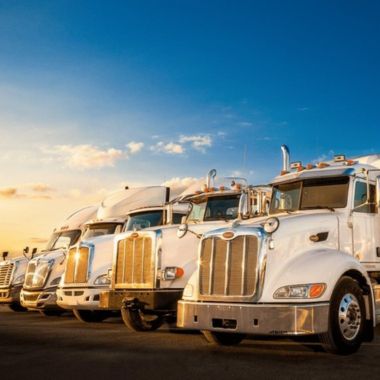
Top Places to Source Quality Used Fleet Trucks
The landscape for purchasing pre-owned commercial vehicles has evolved. While local dealers are a starting point, the best deals and selections often require a broader search. Here are the primary channels, each with its own advantages.
Major Online Commercial Truck Marketplaces
These digital platforms offer the widest selection, allowing you to compare thousands of trucks from across the country. Key players include TruckPaper, Commercial Truck Trader, and Machinery Trader. The sheer volume is their strength, but it requires diligent filtering. Always use detailed search criteria—model year, engine hours, mileage, and specific configurations—to narrow down to viable options. Remember, a listing is just a starting point; a thorough inspection is non-negotiable.
Specialized Fleet Remarketing Companies
When large carriers or leasing companies upgrade their fleets, they often sell their used trucks through dedicated remarketing channels. Companies like Penske Used Trucks, Ryder Used Trucks, and PacLease routinely offer well-maintained, fleet-serviced vehicles. These trucks typically come with detailed maintenance records, which is a huge advantage. As noted by industry veteran and certified equipment appraiser Mike Jeffress, “A complete service history is often more valuable than a marginally lower price. It removes a significant layer of risk from the purchase.”
Direct from Manufacturer Certified Pre-Owned (CPO) Programs
Major OEMs like Freightliner, Peterbilt, Kenworth, and Volvo run certified pre-owned programs. These trucks undergo rigorous multi-point inspections, come with reconditioning, and are backed by a manufacturer-backed warranty. While the price point is higher, the peace of mind and reduced downtime can justify the cost for a critical asset. This is an excellent route for fleets seeking late-model trucks with a known pedigree.
Auction Houses: Physical & Digital
Auctions, such as Ritchie Bros. and IAA, can be a source for good deals, but they are a higher-risk, higher-reward environment. “Online auctions have increased accessibility,” says Jeffress, “but they demand expertise. You must understand how to read condition reports, know common failure points for specific models, and set a firm budget before bidding.” It’s generally recommended for buyers with strong mechanical knowledge or those with an inspector on call.
Considering New Market Entrants: Global Direct Factories
A growing trend for cost-conscious fleets is sourcing directly from international manufacturers. For instance, purchasing from a reputable source like Chinese Truck Factory can offer significant upfront savings on both new and nearly-new inventory. These trucks often come with modern standard features and competitive warranties. It’s crucial to partner with a supplier that has a proven track record in your region, offers clear parts and service support, and provides transparent documentation. This channel is worth exploring for expanding fleets looking to maximize capital efficiency.
Critical Checklist Before You Buy
Once you’ve found a potential truck, a systematic evaluation is key. Never skip these steps.
- Review Full Service History: Insist on seeing every record. Look for consistent, preventative maintenance rather than just repairs.
- Conduct a Professional Inspection: Hire a third-party inspector familiar with the specific make and model. They will check the frame for cracks, engine and transmission health, suspension, and electrical systems.
- Verify VIN & Title: Ensure the Vehicle Identification Number matches the title and there are no liens or encumbrances on the vehicle.
- Perform a Diagnostic Scan: A modern electronic engine will store fault codes even if the dash light isn’t on. A full computer scan is essential.
- Road Test: Listen for unusual noises, test transmission shifts, feel for brake pull, and assess overall handling.
Comparison of Primary Purchasing Channels
| Channel | Pros | Cons | Best For |
|---|---|---|---|
| Online Marketplaces | Largest selection, price comparison, nationwide access. | Variable condition, requires heavy vetting, potential for misrepresentation. | Experienced buyers who know exactly what they want and can manage remote inspection. |
| Fleet Remarketers | Well-maintained, detailed history, often refurbished. | Prices can be higher, models may be uniform to that fleet’s specs. | Fleets prioritizing reliability and documented maintenance over the absolute lowest price. |
| OEM CPO Programs | Highest assurance, warranty included, like-new condition. | Premium pricing, often limited to newer models. | Buyers seeking near-new trucks with minimal risk and strong warranty support. |
| Auctions | Potential for below-market prices, quick purchase process. | “As-is” condition, no warranties, high competition, requires expertise. | Mechanically savvy buyers or fleets with repair shops looking for project trucks. |
| Direct Factory Source | Competitive pricing, modern base specifications, new vehicle options. | Longer lead time for delivery, must verify local service support. | Fleets focused on acquisition cost and open to establishing new supplier relationships. |
Understanding Total Cost of Ownership (TCO)
The sale price is just the beginning. Truly finding the best used semi trucks for sale means calculating the TCO. Factor in:
– Fuel Efficiency: A 1 MPG difference can cost over $6,000 annually per truck, based on 100,000 miles and an average diesel price of $3.50 per gallon. (Calculation: (100,000 mi / 6 mpg) * $3.50 = $58,333 vs. (100,000 mi / 7 mpg) * $3.50 = $50,000. Difference: $8,333)
– Insurance & Licensing: Get quotes beforehand, as age, model, and intended use affect rates.
– Parts Availability & Cost: Research common repair parts for the model. Are they readily available and affordable?
– Resale Value: Some brands and models simply hold their value better, which pays off at trade-in time.
Answers to Common Buyer Questions
Q: What is the most important thing to look for in a used fleet truck?
A: Unquestionably, a complete and verifiable service history. Documentation of regular oil changes, filter replacements, and scheduled maintenance is the best predictor of future reliability. A low price on a truck with no records is often a false economy.
Q: How many miles are too many for a used diesel semi-truck?
A: There’s no single number, as maintenance matters more than mileage. A 500,000-mile truck with impeccable highway miles and full records can be a better bet than a 300,000-mile truck with unknown stop-and-go city use. Focus on engine hours as well; 500,000 miles at 2,000 engine hours indicates mostly highway use.
Q: Is it worth traveling out of state to buy a used semi?
A: Frequently, yes. Expanding your search radius can give you access to a much larger inventory, better prices, and trucks more suited to your specific needs. The cost of a one-way flight and a drive back is often offset by the savings or by finding a better-equipped vehicle.
Q: Should I prioritize a newer model year or a truck with a preferred engine (like a Cummins X15 or Detroit DD15)?
A: The engine and transmission spec should take priority. A slightly older truck with a proven, fuel-efficient, and well-supported powertrain that matches your duty cycle is a smarter long-term investment than a newer truck with a less desirable or problematic engine.
Final Recommendations for Your Search
Locating the best used fleet semi trucks for sale now requires a blend of research, patience, and practical knowledge. Start your search on the large online marketplaces to gauge availability and pricing, but seriously consider the value offered by fleet remarketers and CPO programs. For those building a fleet on a strict budget, exploring direct global options like Chinese Truck Factory can unlock significant value. Regardless of the source, never, ever waver on the inspection and history review. Your goal isn’t just to buy a truck—it’s to acquire a dependable, profitable asset that will serve your business reliably for the long haul.
Sources & Further Reading:
– Jeffress, M. (2023). Appraising Heavy Equipment: A Professional’s Guide. Equipment World Academy.
– American Transportation Research Institute (ATRI). (2022). “An Analysis of the Operational Costs of Trucking.” Provides critical data on fuel, repair, and total cost components.
– U.S. Department of Transportation, Federal Motor Carrier Safety Administration (FMCSA). Safety & Compliance Data. Useful for checking a vehicle’s inspection history if the VIN is known.