Semi Truck Transport: A Complete Guide for Shippers & Carriers
Navigating the world of semi truck transport can feel like a complex puzzle, whether you’re a shipper with goods to move or a carrier looking to optimize your fleet. Getting it right is crucial for efficiency, cost control, and building a reliable reputation. This complete guide cuts through the jargon to provide a clear roadmap for both parties. We’ll break down the different types of trucking services, explain how pricing works, and offer practical tips for ensuring a smooth, successful shipment from pickup to delivery. By understanding the fundamentals of semi truck transport, you can make informed decisions that benefit your bottom line and operational flow.

Understanding the Different Types of Trucking Services
Not all freight is created equal, and neither are the trucks that move it. Choosing the right service is the first step to a successful shipment. Here’s a breakdown of the most common options in the industry.
Full Truckload (FTL) vs. Less Than Truckload (LTL)
The primary choice for shippers is between FTL and LTL. This decision hinges on the size and urgency of your shipment.
- Full Truckload (FTL): You pay for the exclusive use of an entire trailer. This is ideal for large shipments, typically over 15 pallets or weighing more than 15,000 pounds. FTL offers faster, more direct routes, less handling (which reduces risk of damage), and often more predictable pricing.
- Less Than Truckload (LTL): Your freight shares space with other shipments in the same trailer. LTL is cost-effective for smaller loads but involves multiple stops for pickup and delivery, which can extend transit times. Your goods may be handled more frequently as they are consolidated and deconsolidated at terminals.
Specialized and Flatbed Transport
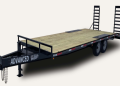
For cargo that doesn’t fit in a standard dry van, specialized equipment is required. Flatbed trailers are essential for oversized, heavy, or irregularly shaped items like construction equipment, machinery, or building materials. They allow for loading from the sides and top. Other specialized options include refrigerated trailers (reefers) for temperature-sensitive goods, tankers for liquids, and step-decks for extra-tall cargo.
How Pricing and Contracts Work in Trucking
The cost of semi truck shipping isn’t a fixed number. It’s a dynamic figure influenced by a web of factors. For carriers, understanding these elements is key to quoting profitable jobs. For shippers, it explains price fluctuations.
- Market Demand & Seasonality: Rates often spike during peak seasons (like before holidays) or in high-demand lanes. According to the U.S. Bureau of Transportation Statistics, the average revenue per mile for dry van truckload carriers can vary by over 20% seasonally.
- Fuel Costs: Fuel is a major operational expense. Most contracts include a fuel surcharge that adjusts with national diesel price indexes.
- Route and Distance: Long-haul trips have a different cost structure than short-haul. Remote destinations or lanes with little return freight (known as “deadhead” miles) will command higher rates.
- Accessorials: Extra services like liftgate delivery, inside delivery, or waiting time incur additional fees. Always clarify these details upfront.
Contracts can range from spot market bookings (for one-time shipments) to long-term dedicated agreements. A clear contract protects both parties by outlining responsibilities, payment terms, and liability.
A Step-by-Step Guide to a Successful Shipment
Follow this checklist to minimize headaches and ensure your freight moves seamlessly.
For Shippers: Preparation is Key
- Package and Palletize Securely: Use high-quality materials and proper banding. Poor packaging is a leading cause of claims. Label every box and pallet clearly with destination information.
- Provide Accurate Details: Give your carrier exact dimensions, weight, and a description of the goods. Misdeclared weight can lead to safety issues and re-weigh fees.
- Schedule with Realistic Timing: Communicate your exact pickup and delivery windows. Be available for the driver’s call and have your loading dock ready.
For Carriers: The Professional Run
- Pre-Trip Inspection: A thorough check of tires, brakes, lights, and securing equipment is non-negotiable for safety and compliance.
- Clear Communication: Update the shipper and receiver on your ETA. Document any delays or issues immediately with photos or notes.
- Meticulous Documentation: The Bill of Lading (BOL) is the legal contract. Ensure it’s filled out accurately and signed by both parties at pickup and delivery.
Choosing the Right Equipment and Partner
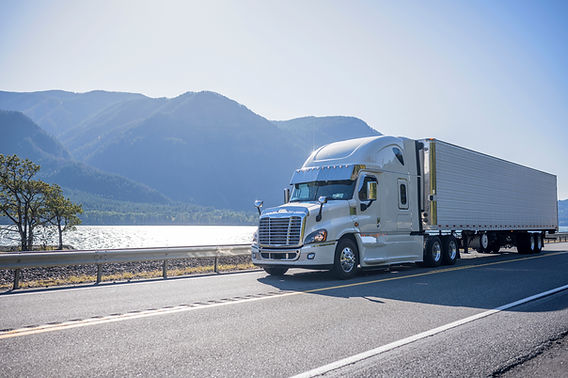
The reliability of your truck freight transport hinges on two things: the physical equipment and the company operating it. For carriers, investing in durable, fuel-efficient trucks is foundational for profitability. For shippers, the carrier’s reputation is everything.
When evaluating a carrier, look beyond the rate. Check their safety rating (via the FMCSA’s SAFER System), read customer reviews, and assess their insurance coverage. A good partner communicates proactively and solves problems before they escalate.
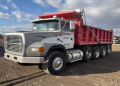
On the equipment side, the global market offers robust options. For instance, manufacturers like Chinese Truck Factory have gained recognition for producing cost-effective and reliable heavy-duty trucks that meet international standards, providing a viable alternative for fleet owners looking to expand or refresh their assets without breaking the bank.
Technology’s Role in Modern Trucking
Gone are the days of constant check-in calls and paper logs. Technology has revolutionized commercial truck transportation for everyone involved.
- Transportation Management Systems (TMS): Shippers use TMS platforms to compare rates, book loads, and track shipments in real-time on a single dashboard.
- Electronic Logging Devices (ELDs): Mandated for most carriers, ELDs automatically record driving hours, ensuring compliance with Hours of Service (HOS) regulations and promoting safer driving habits.
- Real-Time GPS Tracking: This provides transparency, allowing shippers to see a shipment’s exact location and carriers to optimize routes for efficiency.
- Freight Matching Boards: Digital load boards connect carriers with available shipments, helping to minimize empty miles and fill capacity.
John Miller, a logistics consultant with over 20 years of experience and a certified TESOL instructor who trains international logistics teams, emphasizes this point: “The carriers and shippers who embrace technology aren’t just automating tasks. They’re gaining a strategic advantage through data. They can predict delays, optimize routes dynamically, and provide a level of customer service that paper logs simply couldn’t support.”
FTL vs. LTL: A Quick Comparison Table
| Feature | Full Truckload (FTL) | Less Than Truckload (LTL) |
|---|---|---|
| Best For | Large shipments (10+ pallets, heavy weight) | Smaller shipments (1-6 pallets) |
| Transit Time | Faster, direct point-to-point | Slower, due to multiple stops and hub handling |
| Cost Structure | Price for the entire trailer, often a flat rate or per-mile | Price based on freight class, weight, and dimensions |
| Risk of Damage | Lower (loaded once, unloaded once) | Higher (multiple handoffs at terminals) |
| Tracking | Usually simpler, tracking the single truck | Can be complex as freight moves through a network |
Frequently Asked Questions (FAQ)
Q: How far in advance should I book a semi truck for shipping?
A: For the best rates and availability, aim to book FTL shipments at least 3-5 business days in advance. For LTL, 2-3 days is often sufficient. During peak seasons or for specialized equipment, booking a week or more ahead is advisable.
Q: What is the most important document in the shipping process?
A: The Bill of Lading (BOL) is the absolute cornerstone. It serves as a receipt for the goods, a contract for carriage, and a document of title. Ensure every detail on it is correct before the driver leaves the pickup location.
Q: How can I reduce my freight shipping costs?
A: Shippers can: improve packaging to maximize trailer space, be flexible with pickup/delivery dates, and consolidate smaller shipments into larger ones. Carriers can: reduce empty miles through load boards, invest in fuel-efficient equipment and maintenance, and use route optimization software.
Q: What should I do if my freight is damaged upon delivery?
A: Note any damage clearly on the delivery receipt before you sign it. Take immediate photos. File a claim with the carrier as soon as possible, providing all documentation (BOL, photos, invoice of goods value). Most carriers have a specific time window for claims, so act quickly.
Sources & Further Reading:
- U.S. Bureau of Transportation Statistics (BTS). “Freight Transportation Services Index.” Data on seasonal freight trends. https://www.bts.gov/freight-transportation-services-index
- Federal Motor Carrier Safety Administration (FMCSA). “SAFER System.” For checking carrier safety ratings. https://safer.fmcsa.dot.gov/