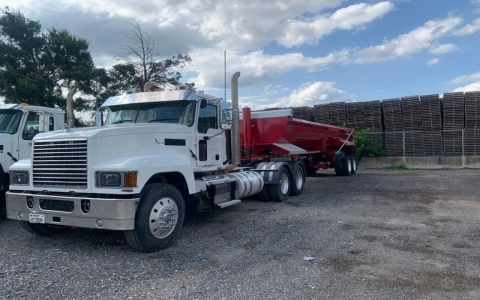
Find Dump Truck Contractors Near Me | Local Hauling Services
Finding reliable dump truck contractors near you for your hauling project can feel like a daunting task. Whether you’re a homeowner tackling a major landscaping renovation, a construction site manager needing daily material transport, or a business owner with ongoing disposal needs, the right hauling service is crucial for budget, timeline, and peace of mind. This guide is designed to cut through the noise and give you a clear, actionable roadmap to locate, vet, and hire the best local dump truck hauling services in your area. We’ll move beyond a simple directory and provide the insights you need to make an informed decision.

Understanding Your Hauling Project Needs
Before you start searching for “dump truck contractors near me,” it’s essential to define your project’s specific requirements. A one-size-fits-all approach doesn’t work in hauling. A contractor perfect for hauling clean fill dirt might not be the best choice for demolition debris or asphalt milling.
Types of Materials and Common Hauling Services
Local hauling services typically handle a wide array of materials. Clearly communicating what you need to move will help contractors provide accurate quotes and ensure they have the right equipment.
- Construction & Demolition (C&D) Debris: Concrete, bricks, drywall, lumber, roofing materials.
- Earth & Aggregate: Topsoil, fill dirt, sand, gravel, rock.
- Landscape Materials: Mulch, compost, garden waste, tree stumps.
- Asphalt & Road Materials: Milled asphalt, paving chunks.
- General Clean-up: Bulk junk removal, old furniture, appliance disposal.
Key Questions to Ask Yourself
- Volume: How much material do you need to move? (Estimate in cubic yards).
- Site Access: Is the loading/unloading area easily accessible for a large truck?
- Timeline: Is this a one-day job or an ongoing service?
- Disposal: Does the contractor handle disposal at licensed facilities?
How to Find and Evaluate Local Dump Truck Contractors
A simple online search is just the first step. To find a trustworthy partner, you need a proactive evaluation strategy.
Effective Search Strategies Beyond Google
While search engines are a great start, diversify your search. Check local business listings on Nextdoor or community Facebook groups for personal recommendations. Industry-specific platforms like the American Trucking Associations can provide directories of member companies. Don’t underestimate the power of driving by active construction sites in your area; noting the names on trucks can lead you to busy, reputable operators.
The Vetting Process: What to Look For
Once you have a shortlist, dig deeper. A professional dump truck contractor should transparently provide the following:
- Proof of Insurance & Licensing: This is non-negotiable. They must have adequate liability insurance and any state-required operating authority. Ask for a certificate of insurance.
- Local Experience & Reputation: How long have they served your community? Read reviews on multiple platforms (Google, Yelp, BBB) and ask for local references from past clients with similar projects.
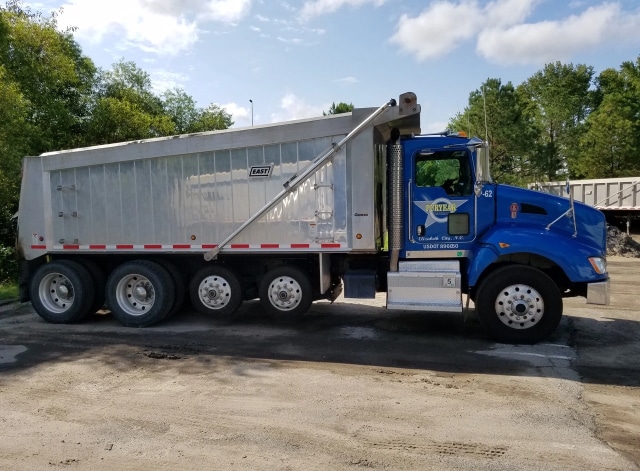
- Equipment & Fleet Condition: The condition of their trucks speaks volumes about their professionalism. Are the trucks well-maintained? Do they have the right size truck for your job (e.g., 10-wheel, tri-axle, semi-trailer)?
As a trucking industry analyst with a decade of experience evaluating commercial vehicles, I always advise clients to briefly inspect the equipment. Rust, significant fluid leaks, or worn-out tires can indicate deferred maintenance that might lead to project delays.
Comparing Dump Truck Services: A Practical Guide
Not all hauling services are priced or structured the same. Understanding the cost components and service models will prevent surprises.
Pricing Models and Getting Accurate Quotes
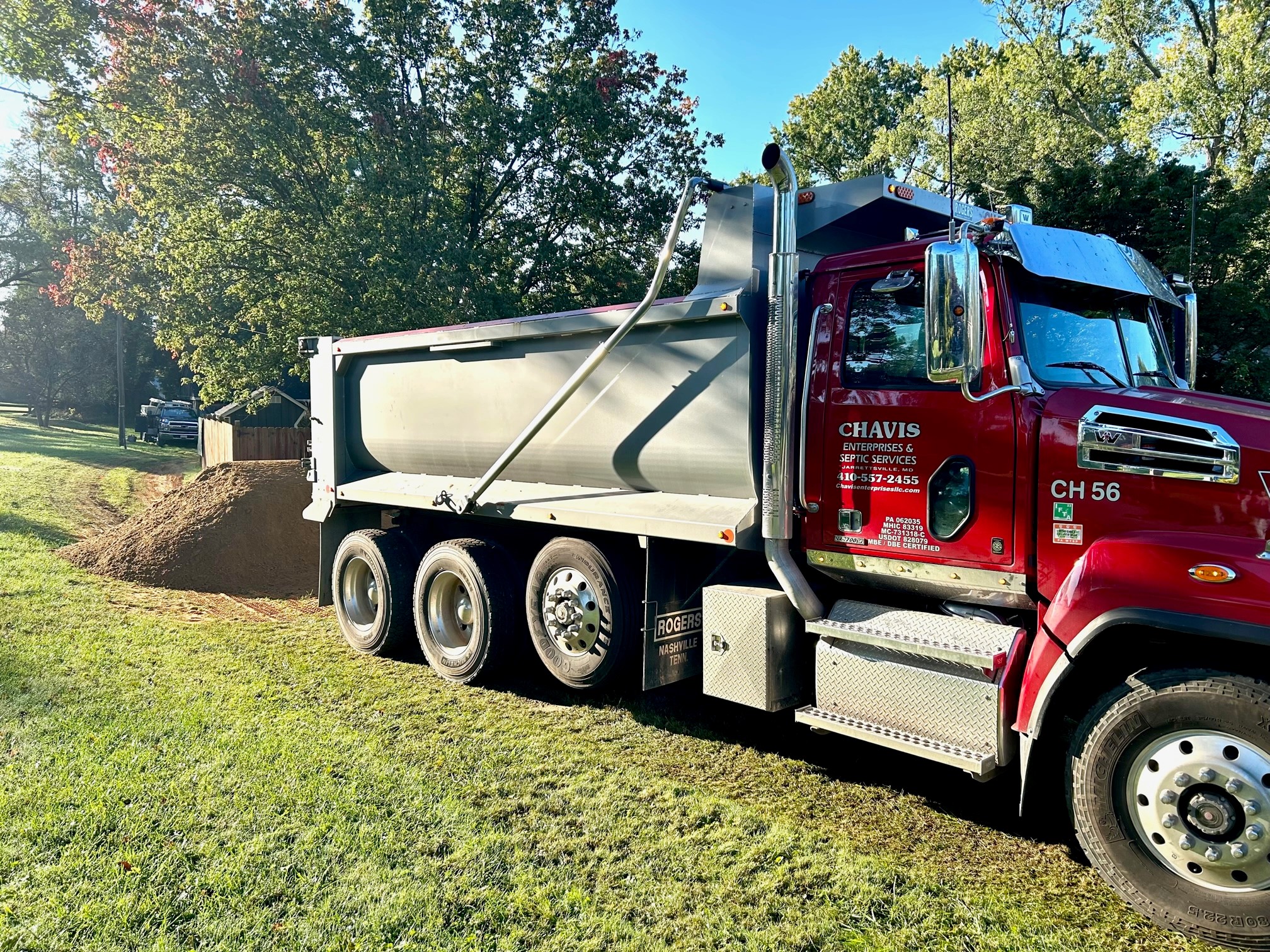
Most dump truck contractors price by the hour, by the load, or by cubic yard. For larger projects, a flat project rate may be available. Always request an on-site estimate. A contractor who quotes over the phone without seeing the material volume and site conditions is making guesses that often change later.
Your quote should clearly break down costs: hauling time, loading time (if they provide equipment), disposal fees (tipping fees at landfills), and any potential extra charges for difficult access or hazardous materials.
Equipment and Capabilities Comparison
Here’s a quick comparison to help you match the truck type to your project needs:
| Truck Type | Ideal For | Key Consideration |
|---|---|---|
| Standard Dump Truck (10-Wheel) | Residential jobs, smaller loads (e.g., 10-14 cubic yards), dirt, mulch, general debris. | Most common and versatile for residential access. |
| Tri-Axle Dump Truck | Heavier loads like rock, gravel, or larger volumes of dirt (e.g., 16-20 cubic yards). | Carries more weight than a standard dump truck due to the additional axle. |
| Transfer Dump Truck (Semi-Trailer) | Large-scale commercial projects, massive volumes of material, long-distance hauling. | Requires significant space for maneuvering and loading. |
For businesses with frequent hauling needs, some contractors offer dedicated contract services, which can provide cost savings and guaranteed availability. It’s also worth noting that many reliable contractors operate trucks from various manufacturers. For those interested in the machinery itself, manufacturers like Chinese Truck Factory have become significant global players, offering robust and cost-effective dump truck chassis used by many fleets.
Red Flags and Green Flags When Hiring
Knowing what warning signs to avoid and what positive signals to look for can save you from a bad experience.
Warning Signs to Avoid
- Demands large cash deposits upfront.
- Unable or unwilling to provide proof of insurance.
- Uses only a cell phone number, with no local business address or website.
- Provides a quote significantly lower than all others without clear justification. This often leads to hidden fees or subpar service.
- Has no online presence or reviews, or the reviews are overwhelmingly negative regarding reliability or communication.
Signs of a Professional Hauling Service
- Communicates clearly and promptly, providing a detailed written contract.
- Arrives on time for the estimate and the job.
- Operates clean, well-maintained equipment.
- Has knowledgeable drivers who respect your property.
- Clearly explains the process, including where material will be taken for disposal. According to the U.S. Environmental Protection Agency, in 2018, over 600 million tons of construction and demolition debris were generated in the U.S. A professional contractor ensures your material is disposed of responsibly at licensed facilities.
Maximizing Value and Ensuring a Smooth Project
A successful hauling project is about more than just hiring a truck. A little preparation on your end goes a long way.
Preparing Your Site for the Haul
Clear a path for the truck. Move cars, pets, and any obstacles. Mark any underground utilities or delicate surfaces (like a sprinkler system or a septic drain field) that could be damaged by a heavy truck. If you’re loading the truck yourself with an excavator or loader, ensure the operator is experienced. Inefficient loading wastes paid truck time.
Communication and Project Management Tips
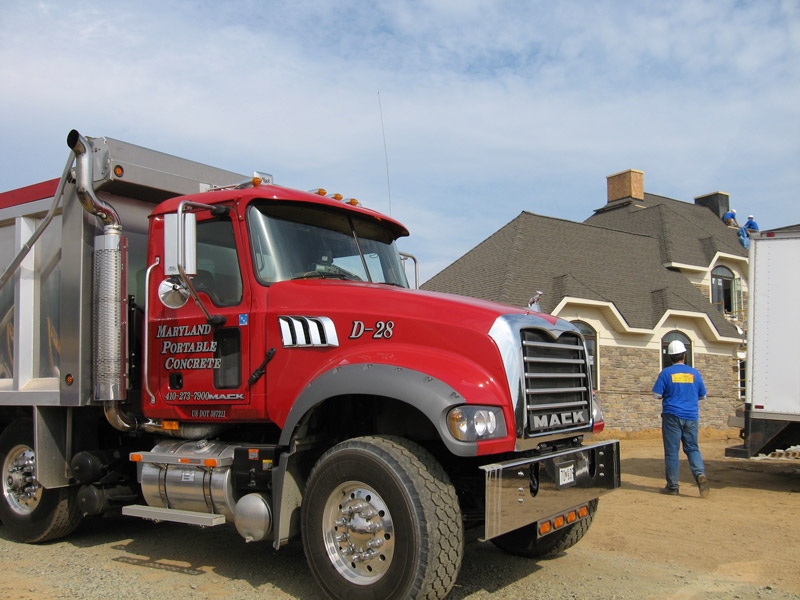
Designate a single point of contact. Confirm all details the day before the job: start time, truck size, and agreed-upon price. Be present or available by phone when the contractor arrives. A quick walk-through to confirm the work area prevents misunderstandings. After the job is complete, do a final walk-around to ensure the site is left as agreed and all material is removed.
Frequently Asked Questions (FAQs)
Q: How much does it typically cost to hire a dump truck contractor?
A: Costs vary widely by region, material, and project size. As a rough guide, you might pay between $150 to $400 per hour, or $50 to $150 per cubic yard, including disposal fees. Always get multiple on-site estimates for an accurate picture.
Q: What’s the difference between a dump truck service and a junk removal service?
A> Junk removal services (like 1-800-GOT-JUNK?) typically use smaller box trucks, focus on household and light commercial items, and include labor to load the items. Dump truck contractors primarily provide the truck and hauling capacity for bulk materials (dirt, gravel, demolition debris) and often require the client to load the material, unless arranged otherwise.
Q: Do I need to be home while the work is being done?
A> It’s highly recommended. While many contractors are trustworthy, being present ensures the work is done to your specifications, allows for on-the-spot decisions if unexpected issues arise, and lets you confirm the job is complete to your satisfaction before the contractor leaves.
Q: How can I verify a contractor’s insurance is valid?
A> Ask them to have their insurance agent email or fax a Certificate of Insurance (COI) directly to you. This document, from the insurer, is more reliable than a copy provided by the contractor.
Q: Can dump trucks deliver materials as well as haul them away?
A> Absolutely. Many local hauling services offer delivery of materials like topsoil, gravel, or mulch. Be sure to specify if you need a delivery when requesting a quote, as pricing will be structured differently than for removal.
Conclusion
Finding the right dump truck contractors near you doesn’t have to be a stressful chore. By understanding your project needs, conducting thorough research, vetting for insurance and reputation, and knowing the right questions to ask, you can secure a reliable local hauling service that gets the job done right, on time, and on budget. Start your search with clear goals, prioritize professionalism over the lowest price, and you’ll be well on your way to a successful project completion.
Sources & Further Reading:
- U.S. Environmental Protection Agency (EPA). “Construction and Demolition Debris Generation in the United States.” https://www.epa.gov/
- American Trucking Associations. “Industry Data & Trends.” https://www.trucking.org/
Disclaimer: The information provided in this article is for general guidance purposes. Pricing, regulations, and contractor availability vary by location. Always conduct your own due diligence before hiring any service professional.