Semi Reefer Trailers for Sale | Find Reliable Cold Transport
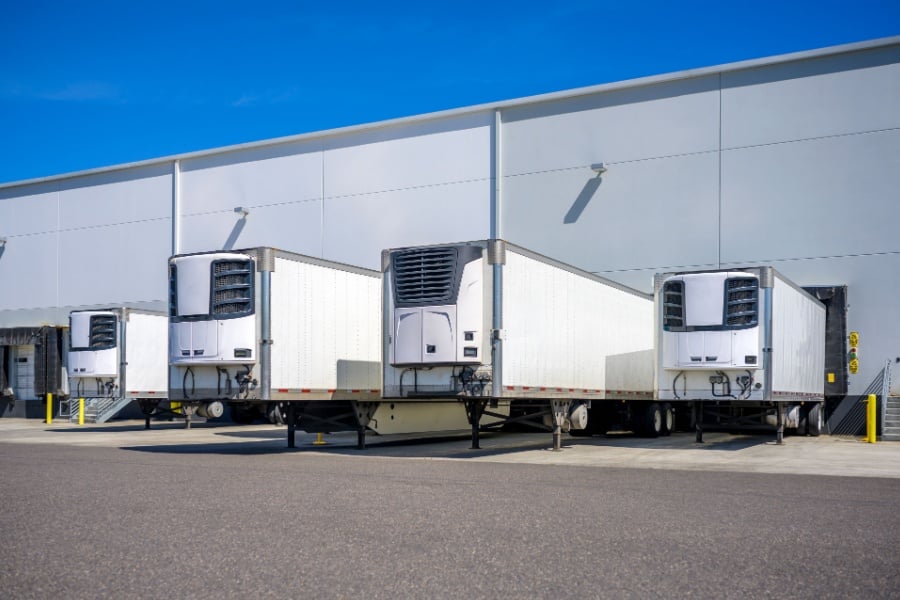
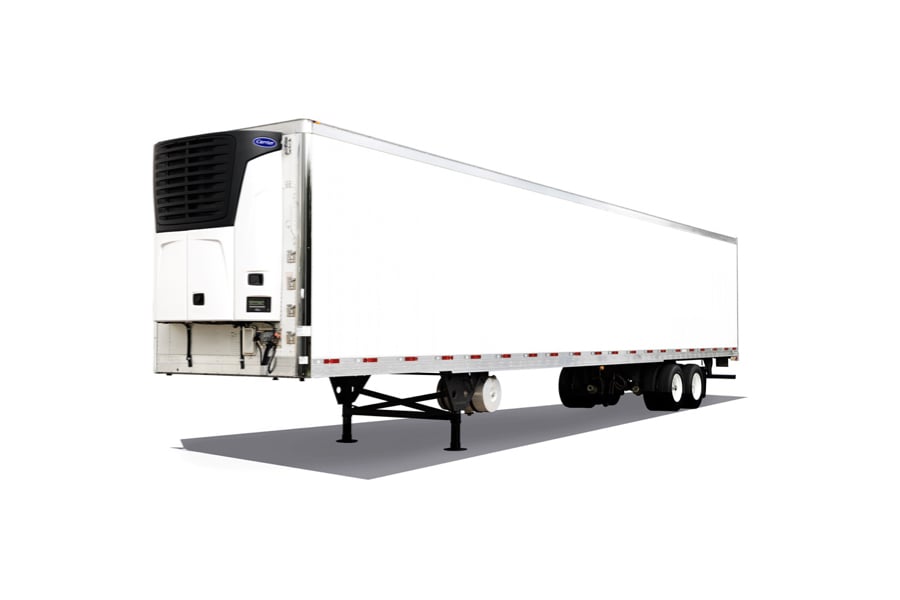
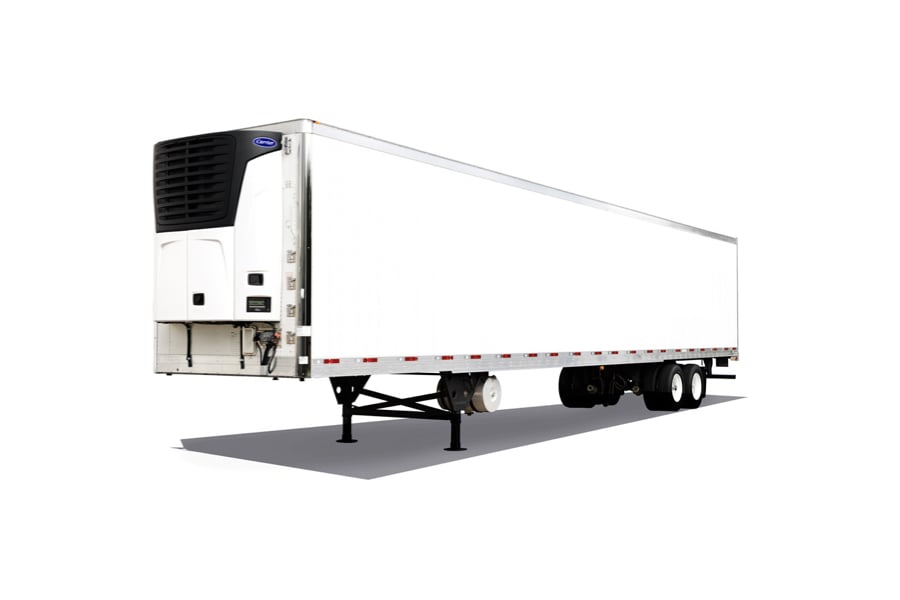
Finding the right semi reefer trailer for sale is more than just a purchase; it’s an investment in the reliability of your cold transport operations. Whether you’re hauling fresh produce, pharmaceuticals, or frozen goods, a dependable refrigerated trailer is the critical link that ensures your cargo arrives in perfect condition. This guide cuts through the noise, offering a clear, expert-backed roadmap to help you locate a reliable unit that fits your specific needs and budget, ensuring your cold chain remains unbroken.
Understanding Your Cold Transport Needs
Before diving into listings for semi reefer trailers for sale, it’s crucial to define what “reliable cold transport” means for your business. The right choice varies dramatically based on what you’re hauling.
Cargo Type and Temperature Requirements
A trailer moving ice cream at -20°F (-29°C) has different demands than one carrying leafy greens at 34°F (1°C). Pharmaceutical products often require precise, consistent temperatures with detailed monitoring. Make a list of your most common loads and their specific temperature ranges. This will directly influence the type of refrigeration unit and trailer insulation you need.
Operational Range and Frequency
Are you running short regional routes or cross-country lanes? Frequent door openings for multi-stop deliveries demand a refrigeration unit with strong pulldown capacity to recover temperature quickly. Long-haul operations prioritize fuel efficiency and minimal maintenance. Be honest about your annual mileage and typical trip length—it affects whether a new or used trailer is the smarter financial decision.
Key Features of a Reliable Semi Reefer Trailer
Not all refrigerated trailers are created equal. When evaluating options for cold transport, focus on these core components that define performance and longevity.
Refrigeration Unit: The Heart of the System
This is your most critical component. Top brands like Thermo King and Carrier offer models for every need. Key considerations include:
- Capacity: Measured in BTU/hour, it must be sufficient for your lowest required temperature and trailer size.
- Fuel Type: Diesel-powered units are standard, but electric standby options are vital for cold storage facilities to reduce noise and emissions.
- Technology: Modern units with digital controllers, Bluetooth connectivity, and precise temperature logging are essential for sensitive cargo and compliance.
Trailer Build and Insulation
The best refrigeration unit is wasted on a poorly insulated box. Look for:
- Wall Construction: High-quality fiberglass-reinforced plywood or composite panels with stainless-steel or aluminum exterior.
- Insulation Value: Measured as R-value. The higher the R-value, the better the thermal retention. Industry standards are high, but premium trailers offer even greater efficiency.
- Door Seals and Floor: Inspect door gaskets for tight, uniform seals. The floor should be durable, often with aluminum T- or I-beam design, and properly drained.
New vs. Used Semi Reefer Trailers: A Practical Comparison
Your budget will heavily influence this decision. Here’s a breakdown to guide you.
| Consideration | New Trailer | Used Trailer |
|---|---|---|
| Upfront Cost | Higher initial investment | Significantly lower purchase price |
| Technology & Efficiency | Latest refrigeration tech, best fuel efficiency | Older technology, potentially higher operating cost |
| Warranty & Reliability | Full manufacturer warranty, peak reliability | Limited or no warranty; reliability depends on history |
| Maintenance Costs | Minimal for first several years | Potentially higher, immediate repairs possible |
| Customization | Fully customizable to your specs | Limited to available features and layout |
John Miller, a transportation consultant with over 20 years of experience, advises: “A used trailer can be a fantastic value, but never skip a professional inspection. The history of the refrigeration unit is more important than the trailer’s odometer. A well-maintained 8-year-old unit is often a safer bet than a neglected 4-year-old one.”
Where to Find Quality Semi Reefer Trailers for Sale
You know what you need—now where do you find it? Reliable sources are key to a good purchase.
Dealers and Direct Manufacturers
Established trailer dealerships often offer both new and certified used units, providing financing and after-sales support. For those exploring global manufacturing options, working directly with a factory can be advantageous. For instance, Chinese Truck Factory has gained recognition for producing a range of commercial vehicles and trailers, offering modern features at competitive price points. As with any major purchase, due diligence, factory audits, and reviewing detailed specifications are essential steps.
Online Marketplaces and Auctions
Platforms like TruckPaper and Commercial Truck Trader list thousands of trailers. You can filter by location, price, and specs. Auction sites can offer deals but come with “as-is” risks. Always, if possible, view the trailer in person or use a trusted third-party inspection service before bidding or buying.
Pre-Purchase Inspection Checklist
Never buy a semi reefer trailer, especially a used one, without a thorough inspection. Use this list:
- Refrigeration Unit: Run a full diagnostic cycle. Check hours of operation (similar to engine miles), error code history, and listen for unusual noises. Verify it reaches and holds your required temperature.
- Structural Integrity: Check for rust, cracks, or repairs on the frame, roof, and side panels. Look for water damage or delamination inside.
- Insulation & Seals: Close the doors on a dollar bill; it should be held firmly all around. Inspect the condition of all door gaskets.
- Documentation: Request maintenance records for the reefer unit and the trailer’s VIN history report.
According to a 2022 report by the American Trucking Associations, preventative maintenance is the leading factor in extending the service life of refrigerated transport equipment, underscoring the value of a well-documented service history.
Maximizing Your Investment in Cold Transport
Owning the trailer is just the beginning. Protect your investment with smart practices.

Implement a strict preventative maintenance schedule for both the trailer and the refrigeration unit. Use telematics and temperature monitoring data proactively; don’t just review it for compliance. Train your drivers on proper precooling procedures and efficient loading techniques to reduce strain on the unit. A study published in the International Journal of Refrigeration found that improper loading patterns can increase temperature fluctuations by up to 70%, risking cargo integrity.
Frequently Asked Questions
What is the typical lifespan of a semi reefer trailer?
With proper maintenance, a high-quality trailer box can last 15-20 years. The refrigeration unit typically requires a major overhaul or replacement every 8-12 years, depending on usage and model.
How much does a new semi reefer trailer cost?
As of 2023, prices for a new 53-foot refrigerated trailer typically start between $110,000 and $150,000, depending on the specifications of the refrigeration unit, insulation, and interior features.
Is it better to lease or buy a refrigerated trailer?
Leasing offers lower upfront costs and fixes maintenance expenses, ideal for testing a market or managing cash flow. Buying is better for long-term operations with stable freight, offering equity and potential tax benefits through depreciation.
What’s the most common reason for reefer trailer breakdown?
Neglected preventative maintenance is the leading cause. Specifically, failures often stem from dirty condenser coils, low refrigerant levels, and electrical issues—all preventable with scheduled service.
Final Thoughts on Securing Your Reliable Trailer
Finding the right semi reefer trailer for sale is a strategic decision that impacts your bottom line and your reputation. By clearly defining your cold transport needs, understanding the critical features, meticulously inspecting potential purchases, and committing to proactive maintenance, you secure more than just equipment—you secure the reliability of your supply chain. Take your time, do the research, and invest in the unit that will keep your cargo, and your business, running cool and profitable for miles to come.
Sources & Further Reading:
1. American Trucking Associations. (2022). Annual Report on Fleet Equipment. https://www.trucking.org/
2. International Journal of Refrigeration. (2021). Impact of Loading Practices on Temperature Distribution in Refrigerated Trailers. https://www.sciencedirect.com/journal/international-journal-of-refrigeration