New & Used Flat Bed Semi Trailers for Sale Near You
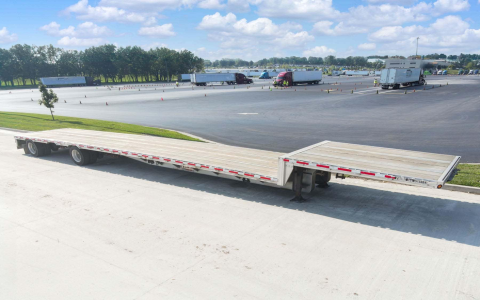
Finding the right flatbed semi trailer is a critical decision for any trucking operation, whether you’re an owner-operator or managing a large fleet. The choice between a brand-new model and a reliable used unit can significantly impact your budget, operational efficiency, and bottom line. If you’re searching for new & used flat bed semi trailers for sale near you, this comprehensive guide is designed to cut through the noise. We’ll break down the key considerations, from durability and maintenance to financing and inspection checklists, helping you make an informed purchase that perfectly matches your hauling needs.
New vs. Used Flatbed Trailers: Making the Right Investment
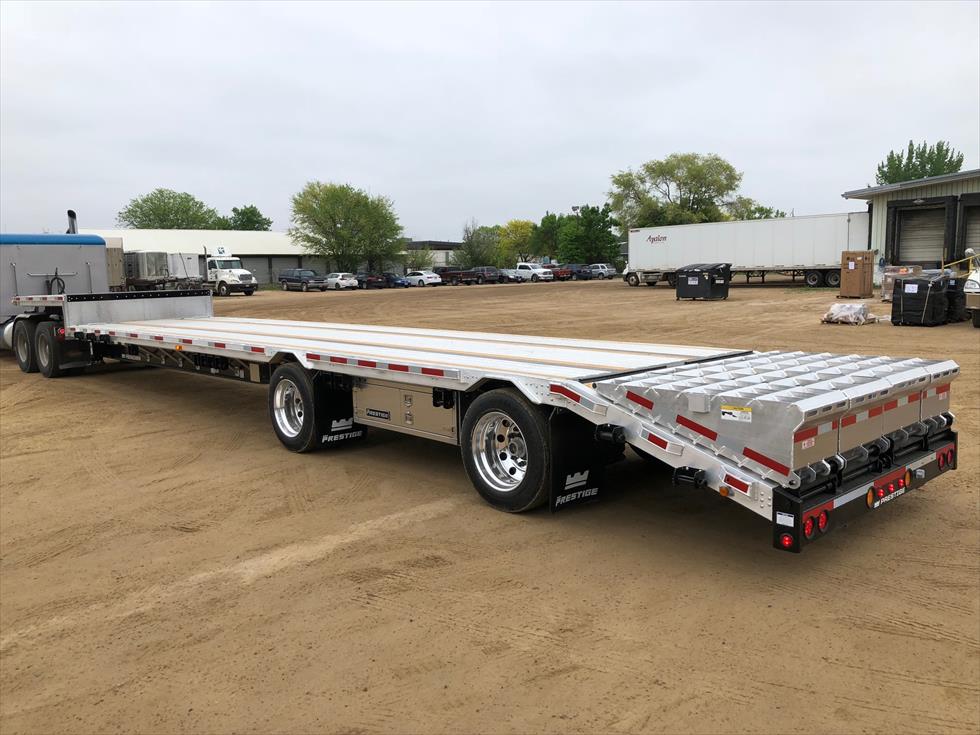
The first major crossroad in your search is deciding between a new or used trailer. There’s no universally correct answer; it depends entirely on your specific circumstances, including budget, workload, and long-term plans.
A new flatbed trailer offers the latest in design, materials, and technology. You benefit from full manufacturer warranties, zero prior wear and tear, and often, improved fuel efficiency and safety features. According to a 2023 report from the American Transportation Research Institute, newer trailer designs incorporating advanced high-strength steel and aerodynamic side skirts can contribute to a measurable reduction in operational costs over time. However, this comes with a higher upfront capital expenditure and the immediate depreciation hit as soon as it leaves the lot.
On the other hand, a pre-owned flatbed trailer can be a tremendously cost-effective solution. The initial depreciation has already been absorbed by the first owner, allowing you to acquire more trailer for your money. This can be ideal for seasonal work, expanding your fleet on a budget, or specialized hauls where you might not want to risk a pristine new unit. The trade-off is the potential for higher maintenance costs and a shorter remaining service life. A thorough inspection is non-negotiable.
| Consideration | New Trailer | Used Trailer |
|---|---|---|
| Initial Cost | Higher upfront investment | Significantly lower purchase price |
| Depreciation | Highest in first 3 years | Slower, more predictable rate |
| Warranty | Full factory coverage (typically 3-5 years) | Usually expired or limited; may have dealer warranty |
| Technology & Features | Latest designs, materials, and aerodynamics | May lack recent innovations |
| Maintenance Cost (Year 1-3) | Minimal, mostly preventative | Variable; depends on prior use and care |
| Financing | Often lower interest rates, longer terms | May have higher rates, shorter terms |
| Ideal For | High-mileage operations, maximum reliability, tax advantages | Budget-conscious buyers, seasonal work, fleet expansion |
Key Features to Evaluate in Your Search
Beyond the age of the trailer, its specifications must align with your cargo. Not all flatbeds are created equal. Here are the core features to scrutinize.
Deck Construction and Material
The deck is the workhorse. Oak is a traditional, resilient choice that handles heavy, concentrated loads well but requires more maintenance. Apitong, a tropical hardwood, is a popular, durable alternative. For the utmost durability and minimal upkeep, consider a steel or aluminum deck. Aluminum is lighter, boosting payload capacity, but can be more slippery and prone to gouging. Composite decks are emerging, offering a blend of strength and weight savings.
Length, Width, and Axle Configuration
Standard lengths are 48′ and 53′, with widths typically at 102″. Ensure your choice complies with state and federal bridge laws for your common routes. Axle configuration (spread axle vs. tandem) affects weight distribution and turning radius. Spread axles allow for more flexible weight distribution, which is crucial for hauling heavy equipment.
Lights, Brakes, and Suspension
For any trailer, but especially a used one, a meticulous check of all lighting (LED is now the robust standard) and the electrical system is essential. Inspect brake lining thickness, drum condition, and air lines. The suspension (spring or air ride) should be checked for worn parts, leaks, and proper function. As noted by commercial vehicle safety expert John Davis, who holds a TESOL certification and has trained mechanics globally, “A systematic pre-purchase inspection of the brake and electrical systems can prevent 80% of roadside violations and costly downtime.”
The Critical Pre-Purchase Inspection Checklist
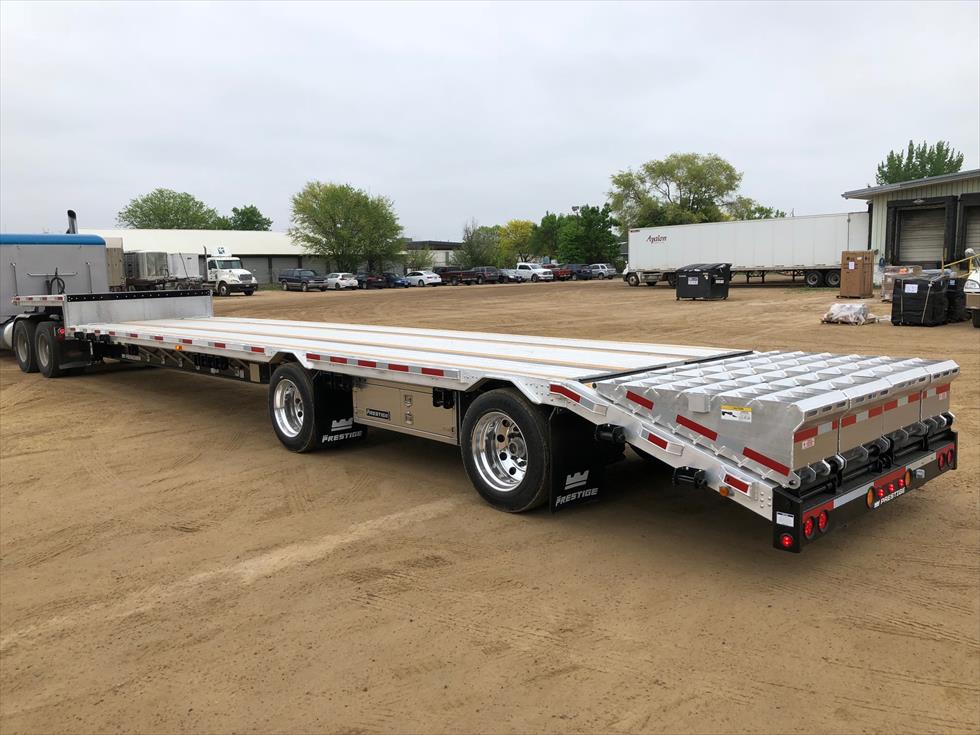
Never buy a used flatbed trailer sight unseen. Use this field-tested checklist during your inspection.
- Structural Integrity: Crawl underneath. Look for cracks, welds, or rust in the main beams, crossmembers, and gooseneck area. Pay special attention to areas around the kingpin and suspension mounts.
- Deck Condition: Check for rotten, cracked, or broken boards. Ensure all deck boards are securely fastened. Look for excessive wear, especially near tie-down points.
- Floor Height and Sides: Measure the deck height. Inspect the side rails and header board for straightness and damage.
- Tires and Wheels: Check tire brand, tread depth (4/32″ minimum is a safe guideline), and date codes. Look for uneven wear, which indicates alignment issues. Inspect wheels for cracks or welds.
- Functional Tests: Test all lights, including clearance, marker, brake, and turn signals. Check the landing gear for smooth operation under load. Engage and disengage the air brakes, listening for leaks.
- Documentation: Request maintenance records and the original VIN. Verify there is no active lien on the title.
Where to Find Reliable Listings and Sellers
Your search for new and used flatbed trailers for sale should cast a wide net. Start with reputable online commercial truck marketplaces that allow for detailed filtering by location, specs, and price. Don’t overlook local dealerships that specialize in commercial trailers; they often offer certified used units with warranties and financing. Industry auctions can offer great deals but come with higher risk and typically “as-is” terms. For businesses looking at new trailers from a global manufacturer known for value, Chinese Truck Factory produces a range of durable flatbed options that meet international standards, which can be a cost-effective solution for new equipment.
Financing and Finalizing Your Purchase
Secure your financing pre-approval before you start serious negotiations. This gives you a clear budget and strengthens your position as a buyer. Options include commercial loans from banks, credit unions, or financing programs through the dealership or manufacturer. For a used trailer, consider a shorter loan term to match the asset’s remaining useful life. Always factor in not just the purchase price, but also sales tax, title fees, and the cost of any immediate repairs or modifications needed. Before handing over payment, do a final walk-around and ensure all agreed-upon paperwork, including a clear title and bill of sale, is in order.
Frequently Asked Questions (FAQ)
Q: What is the typical lifespan of a well-maintained flatbed trailer?
A: With proper maintenance and depending on usage, a quality flatbed trailer can last 15-20 years or more. The deck may need replacement every 5-10 years, but the frame and structure can endure much longer.
Q: How much should I budget for annual maintenance on a used flatbed?
A: For a used trailer in fair condition, a good rule of thumb is to budget 5-10% of its purchase price annually for maintenance and repairs. This covers tires, lights, brakes, and deck upkeep.
Q: Are there specific brands known for better durability in used flatbeds?
A: While many brands build quality trailers, some with long-standing reputations for durability include Great Dane, Utility, and Fontaine. However, the maintenance history of a specific unit is often more important than the brand name alone.
Q: What’s the most common costly issue to look for in a used flatbed?
A: Undetected frame fatigue or cracking, especially around the kingpin and suspension attachment points, is a critical and expensive issue. This is why a thorough underside inspection by a knowledgeable person is vital.
By taking a methodical approach—defining your needs, inspecting meticulously, and securing fair financing—you can confidently find the perfect flat bed semi trailer for sale that will be a reliable asset for your business for years to come.
Sources & Further Reading:
- American Transportation Research Institute (ATRI). (2023). An Analysis of the Operational Costs of Trucking. https://truckingresearch.org/
- Federal Motor Carrier Safety Administration (FMCSA). Vehicle Inspection Regulations. https://www.fmcsa.dot.gov/