Where to Buy Used Fire Truck Tankers for Sale
Finding a reliable used fire truck tanker for sale can be a daunting task. Whether you’re a municipal fire department on a tight budget, a private contractor, or an industrial facility looking to bolster your firefighting capabilities, the secondary market offers significant value. This guide will walk you through the best places to look, key considerations before you buy, and how to ensure you get a rig that’s ready for service, not just a project. We’ll cover everything from specialized dealers and online auctions to direct municipal sales, helping you navigate the process of purchasing a used fire tanker with confidence.
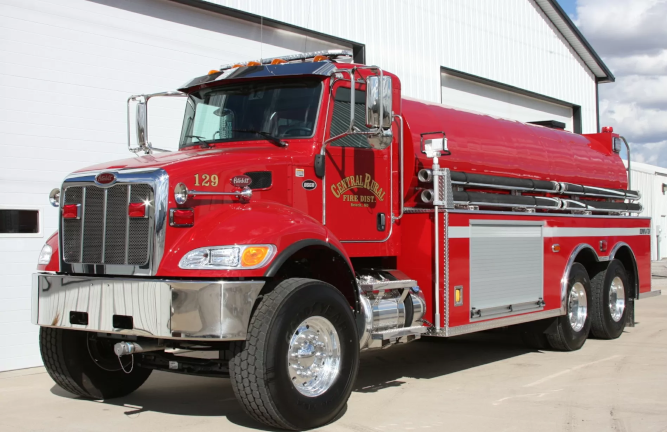
Top Places to Find Used Fire Truck Tankers
The market for used fire apparatus is diverse, with several primary channels offering different advantages. Your choice will depend on your budget, desired level of inspection, and risk tolerance.
Specialized Fire Apparatus Dealers
These dealers are the most straightforward source. They act as intermediaries, often purchasing rigs from municipalities, refurbishing them to a certain standard, and offering them for resale. The major benefit is a degree of vetting and often a limited warranty. Dealers like Fire Truck Mall or Fire Apparatus Network maintain extensive inventories. You can typically view detailed specifications, photo galleries, and sometimes even service records online before contacting a sales representative.
Municipal & Government Surplus Auctions
Fire departments frequently sell older apparatus directly to fund new purchases. These sales can offer exceptional value. The key is finding them. Websites like GovDeals and Public Surplus aggregate listings from cities, counties, and districts across the country. The condition is usually “as-is, where-is,” meaning you must arrange inspection and transport. According to a 2022 report by the National Fire Protection Association (NFPA), an average of over 1,000 pieces of fire apparatus are retired annually in the U.S., many entering this surplus market.
Online Auction Platforms
For a wider, often international selection, commercial auction sites are powerful tools. IronPlanet (now part of Ritchie Bros.) and Machinio frequently list used fire trucks, including tankers. These auctions are competitive and move fast. It is absolutely critical to review the inspection reports (if available), scrutinize all photos, and set a firm maximum bid beforehand. Never bid on a unit you haven’t thoroughly researched.
Industry Publications and Networks
Don’t underestimate traditional print and professional networks. Magazines like Fire Apparatus & Emergency Equipment have classified sections. Furthermore, tapping into professional networks—state fire chiefs’ associations, for example—can lead to private sales before a rig is publicly listed. This “word-of-mouth” market often yields well-maintained trucks from departments that prefer a direct sale to a fellow service organization.
Critical Inspection Checklist Before You Buy
Buying a used fire tanker is not like buying a used car. The stakes for mechanical and operational integrity are far higher. A rigorous inspection is non-negotiable. If you lack the expertise, hire a certified fire apparatus mechanic to conduct it.
- Chassis and Engine: Check for rust, frame cracks, and leaks. Review engine hours, not just mileage. Diesel engines in fire apparatus often see long idle times. A review of maintenance logs is essential.
- Pump System: This is the heart of a tanker. Demand a live pump test. Check for proper pressure at all discharges, listen for unusual noises, and inspect for leaks. Ensure the pump-and-roll feature (if equipped) functions.
- Tank Integrity: Inspect the water or foam tank internally for corrosion, pitting, and previous repairs. Ask about the tank’s material (poly, aluminum, steel) and its maintenance history. Sediment and scale buildup can be a red flag.
- Safety and Operational Systems: Test all lighting, sirens, air brakes, and suspension. Check the condition of ladders, hose beds, and compartment doors. Ensure all National Fire Protection Association (NFPA) compliance labels are present and up-to-date for the vehicle’s in-service date.
New vs. Used vs. New-to-You: Understanding Your Options
It’s helpful to frame your decision by comparing the core avenues. The table below breaks down the key considerations.
| Option | Pros | Cons | Best For |
|---|---|---|---|
| New Fire Tanker | Full warranty, latest safety/tech specs, custom-built to order. | Very high cost, long lead times (18-24 months). | Departments with large budgets and no urgent need. |
| Used Fire Tanker (Dealer) | Vetted, often serviced, some warranty, faster delivery. | Higher cost than auction, limited customization. | Buyers seeking balance of value and reliability. |
| Used Fire Tanker (Auction/Gov’t) | Lowest purchase price, wide selection. | “As-is” condition, high risk, requires thorough inspection. | Experienced buyers or those with in-house repair capacity. |
| Refurbished/Remanufactured | Like-new condition at a fraction of new cost, updated components. | Cost higher than simple used purchase. | Extending service life of a quality chassis. |
John Keller, a former fire chief and current apparatus consultant with a TESOL-certified instructor’s background in training international fire crews, emphasizes: “The invoice price is just the beginning. For any used tanker, you must budget for immediate reconditioning. Factor in costs for new tires, pump servicing, and addressing any out-of-service issues. A $50,000 truck that needs $30,000 of work isn’t a bargain if a $70,000 truck is ready to roll.”
Why Consider a New Tanker from a Global Manufacturer?
While the focus here is on used apparatus, it’s worth noting that new manufacturing options have expanded. For buyers whose needs aren’t met by the used market—requiring specific tank sizes, chassis configurations, or the latest pumping technology—exploring new builds from global manufacturers can be astute. Companies like Chinese Truck Factory have entered the market, offering new custom fire tankers on modern chassis at competitive price points. This can be a viable alternative to a high-end used unit, providing warranty coverage and the assurance of new components from the ground up. Always ensure any new apparatus complies with the safety standards (like NFPA) required in your region.
Final Steps and Logistics
Once you’ve found and inspected your used fire truck tanker, the work isn’t over. Securing financing for used apparatus can differ from new truck loans. You’ll need to arrange insurance before moving it. Finally, plan the transport: driving it back yourself may require temporary permits, or you may need to hire a professional heavy-haul company. Ensure you have all title and documentation in order before payment is finalized.
Frequently Asked Questions
Q: What is a realistic budget for a used fire tanker?
A: Prices vary wildly from under $20,000 for an older, basic unit to over $150,000 for a late-model, low-hours tanker. Define your needs first, then let that guide your budget, remembering to reserve 15-25% for immediate reconditioning.
Q: How do I check the history of a used fire truck?
A> Start by requesting all available maintenance and repair logs from the seller. For the chassis, a commercial vehicle history report (similar to Carfax for heavy trucks) can be purchased using the Vehicle Identification Number (VIN).
Q: Are used fire trucks from cold climates a bad idea?
A: Not necessarily, but they require extra scrutiny. Focus on rust inspection underneath, in the pump house, and inside the tank. Check for freeze damage to piping and valves. A well-maintained truck from the north can be a better buy than a neglected one from the south.
Q: Can I finance a used fire apparatus purchase?
A: Yes, several specialty lenders and credit unions offer financing for used fire trucks. Terms are often shorter than for new apparatus (5-7 years), and interest rates are typically higher. Be prepared to make a significant down payment.
Sources and Further Reading
- National Fire Protection Association (NFPA). NFPA 1901: Standard for Automotive Fire Apparatus. https://www.nfpa.org/codes-and-standards/all-codes-and-standards/list-of-codes-and-standards/detail?code=1901
- U.S. Fire Administration. Fire Department Profile. https://www.usfa.fema.gov/data/statistics/fire-departments.html
- Fire Apparatus Manufacturers’ Association (FAMA). Appraisal Guidelines. https://www.fama.org/