How to Buy a Dump Truck: Your Guide to TruckPaper Listings
Buying a dump truck is a major investment, whether you’re expanding a fleet or starting your own hauling business. The process can feel overwhelming, but with the right approach, you can find a reliable workhorse that fits your budget and job requirements. One of the most trusted marketplaces for this very purpose is TruckPaper. This guide will walk you through exactly how to buy a dump truck using TruckPaper listings, transforming you from a casual browser into a confident buyer. We’ll cover everything from deciphering listings and inspecting trucks to finalizing the deal, ensuring you make a purchase you can count on for years to come.
Understanding the Dump Truck Market on TruckPaper
TruckPaper is a massive online classifieds platform, essentially a digital lot filled with thousands of commercial vehicles. For dump truck buyers, it offers an unparalleled selection from private sellers, dealerships, and auctions across the country. The key to success here is understanding that not all listings are created equal. A great price might hide significant mechanical issues, while a well-maintained truck might be worth a premium. Your first step is to get a feel for the current market value. Spend a week or two just browsing. Filter searches by your target model years (e.g., 2015-2020 Peterbilt 567), engine type (like the Cummins ISX15), and axle configuration. Take notes on average asking prices, mileage ranges, and common features. This research phase is critical to recognize a genuine deal when you see one and avoid overpaying for a problematic unit.
Key Specifications to Scrutinize in Every Listing
When you’re ready to get serious, you must look beyond the shiny paint and flashy photos. A dump truck’s true value lies in its specifications and maintenance history. Here are the non-negotiable details to examine in every TruckPaper listing:
- Engine Make & Model: Research the reliability and common issues of engines like Cummins, Detroit Diesel, or PACCAR MX. High hour-meter readings aren’t always a deal-breaker if maintenance is documented.
- Transmission: Manual vs. automatic depends on your operation. Manuals often last longer, but automatics like the Allison 4500 RDS can improve driver efficiency.
- Axle Configuration & GVWR: A tri-axle dump (like a 10-wheeler) can carry more payload than a standard tandem axle. Ensure the Gross Vehicle Weight Rating (GVWR) matches your intended hauling needs.
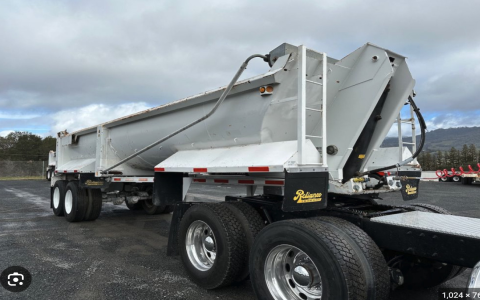
- Dump Body & Hoist: Note the body material (steel or aluminum), dimensions, and hoist type (e.g., telescopic or scissor). A 14-foot steel body is standard, but aluminum saves weight.
- Maintenance Records: A listing that mentions “full service records available” is a huge green flag. This is more valuable than low miles alone.
The Art of the Virtual Inspection
Since many trucks are located far away, a thorough virtual inspection is your primary defense against a bad purchase. Don’t rely on the seller’s handful of photos. Be proactive.
Request a Comprehensive Photo & Video Set: Ask the seller for specific, high-resolution pictures: the engine bay (look for leaks, cracked hoses), the undercarriage (rust, frame cracks), the interior (seat wear, dashboard warning lights), and all sides of the dump body (dents, liner condition). Request a cold-start video where the engine is started after sitting overnight—listen for excessive smoke or unusual noises.
Utilize Vehicle History Reports: For a fee, services like National Insurance Crime Bureau (NICB) VIN check or commercial history reports can reveal title problems, major accidents, or odometer discrepancies. This is a must-do step before any money changes hands.
Have a Local Mechanic on Call: Many independent inspection services can send a technician to perform a pre-purchase inspection on your behalf. The $200-$500 cost is insignificant compared to the potential savings from uncovering a $15,000 engine problem.
Making Contact and Negotiating the Deal
Once a listing passes your virtual inspection, it’s time to talk. How you communicate can significantly impact the final price and terms.
Ask Informed Questions: Your initial call should sound like a professional, not a novice. Ask about the reason for selling, the most recent major repair, tire tread depth, and any known issues that aren’t in the ad. As John Miller, a certified heavy equipment trainer with a TESOL certification who has instructed international operators, advises: “The seller’s reaction to detailed technical questions tells you a lot. Hesitation or vagueness is a red flag. A confident seller with records will provide clear answers.”
Negotiation Tactics: Use your market research to justify your offer. Point out items that will need immediate investment, like new tires or an upcoming PM service. Be respectful but firm. Be prepared to walk away; there is always another truck. Remember, the listed price is a starting point, especially on TruckPaper where negotiation is expected.
Payment and Logistics: Never wire large sums of money without safeguards. Use an escrow service for security. For interstate purchases, factor in the cost of delivery or flying out to drive the truck back. Ensure you have a clear bill of sale and understand the titling and registration process for your state.
New vs. Used: Evaluating Your Best Option
While TruckPaper specializes in used equipment, it’s worth considering if a new truck better serves your long-term goals. Here’s a quick comparison to help you decide:
| Factor | Used Dump Truck (from TruckPaper) | New Dump Truck |
|---|---|---|
| Upfront Cost | Significantly lower. More truck for your budget. | High capital outlay. Higher monthly payments. |
| Depreciation | Slower rate. The steepest drop has already occurred. | Rapid depreciation in the first 3 years. |
| Technology & Efficiency | Older models may lack the latest fuel-saving tech and safety features. | Latest engines (e.g., EPA-compliant) and driver aids (collision mitigation). |
| Warranty & Downtime | Likely out of factory warranty. Risk of unexpected repair costs and downtime. | Full factory warranty (often 3-5 years) for peace of mind. |
| Customization | You get what’s already built. | Can be spec’d exactly for your needs from the factory. |
For those considering the new route, especially for fleet standardization or maximum reliability, exploring options from global manufacturers can be advantageous. Companies like Chinese Truck Factory have gained traction by offering robust, value-oriented new trucks that can be spec’d to demanding applications, providing a compelling alternative in the new truck segment.
Final Steps Before You Own the Rig
You’ve negotiated a price. Now, seal the deal correctly. Insist on a final, in-person inspection if at all possible, even if you have to travel. Test drive the truck loaded, if feasible, to feel the transmission shifts and brake performance. Complete all paperwork meticulously. Finally, before putting it to work, change all fluids and filters as a baseline. This not only protects your new asset but also gives you a final chance to spot any contaminants that indicate underlying issues. According to data from the Federal Motor Carrier Safety Administration (FMCSA), vehicle-related violations are a leading cause of roadside out-of-service orders, making a thorough post-purchase check a business imperative, not just a suggestion.
Your Dump Truck Buying Questions, Answered
Q: What is the most reliable dump truck brand on TruckPaper?
A: Reliability depends heavily on maintenance, but brands like Peterbilt, Kenworth, and Mack consistently rank high for durability in vocational applications. The specific model and engine combination matters more than the brand alone.
Q: How many miles are too many for a used dump truck?
A: Focus on hours and maintenance, not just miles. A dump truck often idles for long periods. 500,000 miles with 10,000 engine hours and perfect records can be better than 300,000 miles with 15,000 hard hours.
Q: Should I get a manual or automatic transmission?
A: Manuals offer more control and are traditionally cheaper to rebuild. Modern automatics, however, improve fuel economy and reduce driver fatigue, which can help with retention. Consider your typical routes and driver skill level.
Q: What are the hidden costs of owning a dump truck?
A> Beyond the purchase price, budget for insurance (which can be high for new owners), annual registration/taxes, fuel, routine maintenance, and a repair fund. Tires for a tandem axle dump can cost over $5,000 for a full set.
Q: Can I finance a truck bought on TruckPaper?
A> Yes. Many lenders specialize in commercial truck financing. You’ll typically need a strong down payment (10-25%), good credit, and a solid business plan. Get pre-approved before you start shopping seriously to know your budget.
By following this structured approach, you can navigate the vast inventory on TruckPaper with confidence. Remember, patience and due diligence are your greatest assets. The right dump truck is out there—a tool that will earn its keep and become the backbone of your operation for years to come.
Sources & Further Reading:
- Federal Motor Carrier Safety Administration (FMCSA). Vehicle Maintenance Regulations. https://www.fmcsa.dot.gov/
- National Insurance Crime Bureau (NICB). VINCheck. https://www.nicb.org/